

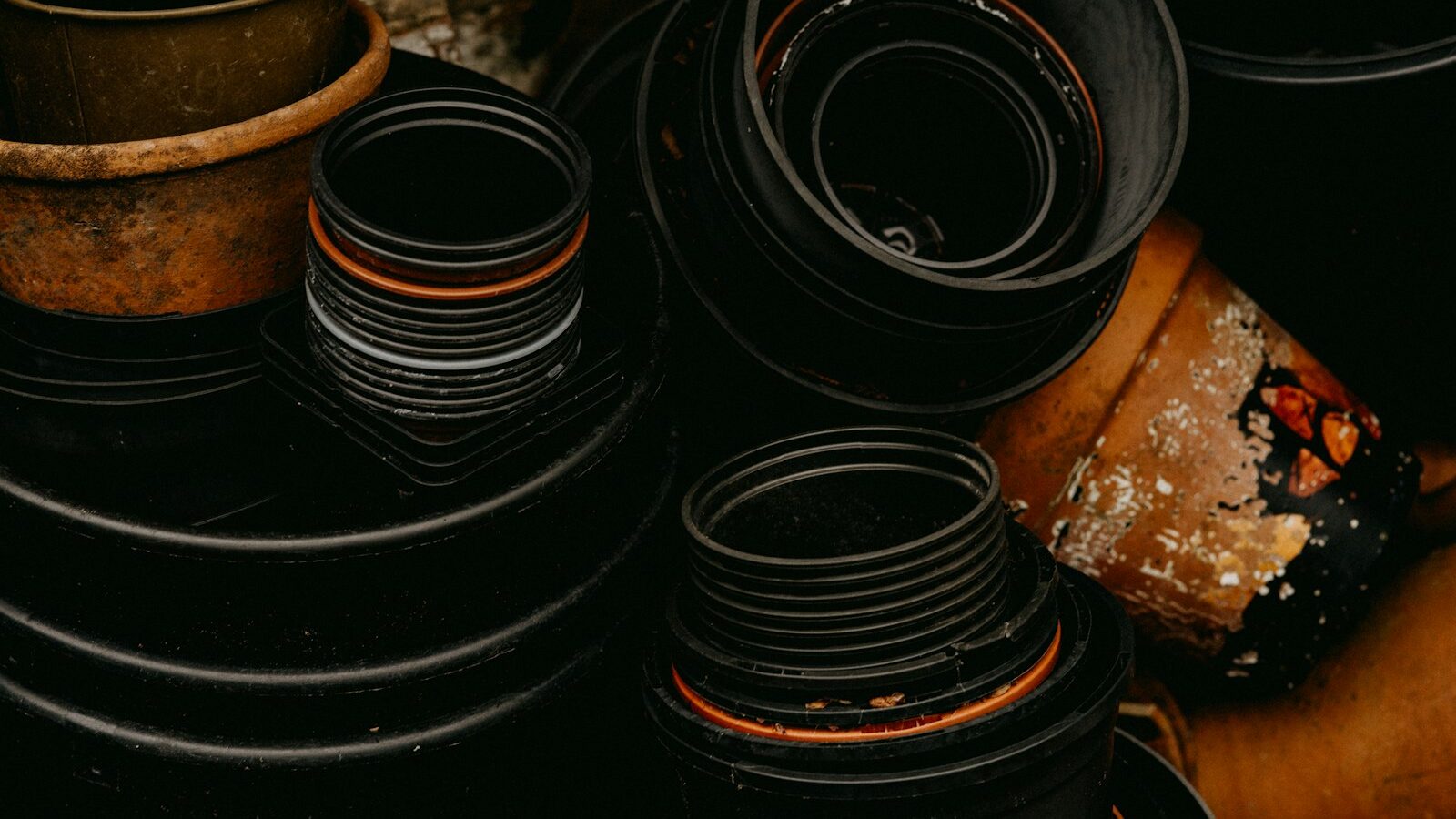
Here is the short version: terracotta is breathable, heavy, and dries out fast, which protects roots from overwatering but means you water more often. Plastic is lightweight, cheap, and holds moisture, which is forgiving for busy people and thirsty plants but unforgiving if you tend to overwater. Neither is “better” in a vacuum. The right pot depends on the plant, your climate, how often you water, and whether you ever need to move the thing. A cactus on a sunny windowsill and a fern in a dim bathroom want opposite things, and the pot is part of that equation. Below is the full breakdown so you can match the material to your situation instead of guessing at the garden center.
Key Takeaways
- Terracotta wicks moisture through its walls, so soil dries faster and roots get more air, which is ideal for succulents, cacti, and anyone who overwaters.
- Plastic retains water far longer, costs less, and weighs a fraction of clay, making it the practical pick for moisture-loving plants, large containers, and frequent rearranging.
- Unglazed terracotta cracks when wet soil freezes; leave it empty or bring it indoors over winter in cold climates. Plastic shrugs off freezing.
- The white crust on terracotta is mineral and fertilizer salt buildup, not damage. Scrub it off with vinegar and water if it bothers you.
- For one or two plants, the cost gap is trivial; at scale, plastic is dramatically cheaper and lighter to handle.
| Factor | Terracotta Pots | Plastic Pots |
|---|---|---|
| Breathability / porosity | High; walls wick moisture and let air reach roots | None; non-porous walls trap moisture and air inside |
| Moisture retention | Low; soil dries quickly, often in 2-4 days | High; soil stays damp much longer |
| Weight | Heavy, especially in large sizes | Very light, even at large sizes |
| Durability / breakage | Brittle; chips and shatters if dropped | Tough; flexes and survives drops |
| Freeze resistance | Poor; cracks when wet and frozen | Good; tolerates freeze-thaw cycles |
| Cost | Moderate; rises sharply in large sizes | Low; cheapest option at every size |
| Appearance | Warm, classic, ages with patina | Functional; ranges from cheap to convincing |
| Salt / mineral buildup | Visible white crust on exterior over time | None visible on walls |
| Best plants | Succulents, cacti, herbs, orchids, plants prone to root rot | Tropicals, ferns, seedlings, large or movable plants |
Terracotta pots
Terracotta is fired clay, and the thing that defines it is porosity. The walls are full of microscopic channels that pull water out of the soil and let it evaporate from the outside surface. This wicking action does two jobs at once. It dries the soil faster, and it pulls air in toward the root zone as the water leaves. For plants that hate sitting in wet feet, that is exactly what you want. Roots get oxygen, the soil never stays soggy for long, and the risk of root rot drops dramatically. This is why succulents, cacti, Mediterranean herbs like rosemary and thyme, and orchids tend to thrive in clay. It is also why terracotta is the standard recommendation for anyone who knows they water too much.
The flip side is watering frequency. Because the pot is actively drying the soil from all sides, a terracotta-potted plant can need water two to three times as often as the same plant in plastic. In a hot, dry climate or under air conditioning, a small clay pot of soil might go from saturated to bone dry in two or three days. That is great if you have a thirsty windowsill of cacti you keep forgetting to water; it is a problem if you travel, or if you are growing something that wants consistent moisture. The pot also gets heavy. A large terracotta planter full of damp soil is a genuine two-person lift, and clay itself weighs far more than plastic before you add a single scoop of mix. The right potting mix can buffer some of the fast-drying behavior, but it will not erase it.
Glazed vs unglazed terracotta
Not all terracotta breathes. Glazed pots have a fired ceramic coating that seals the clay, and that coating cancels out the porosity almost entirely. A glazed terracotta or ceramic pot behaves much more like plastic: it holds moisture, it does not develop a mineral crust on the outside, and it resists freeze cracking somewhat better because water cannot soak into the walls. So when people say “terracotta dries fast and breathes,” they mean unglazed terracotta, the matte orange kind. If you like the look of glazed ceramic, treat its watering needs as closer to plastic than to bare clay, and check that it actually has a drainage hole, because many decorative glazed pots do not.
Plastic pots
Plastic does the opposite of terracotta on almost every axis, starting with moisture. The walls are non-porous, so the only places water leaves are the soil surface and the drainage holes. Soil stays damp far longer, which means you water less often and your plants are buffered against the occasional missed watering. For moisture-loving plants like ferns, calatheas, and most tropical houseplants, that consistency is a real advantage. It is also why nurseries grow almost everything in plastic: it keeps seedlings and young plants evenly moist with minimal labor across thousands of pots. If you tend to underwater, or you grow plants that resent drying out, plastic is forgiving in exactly the way clay is not.
The trade-off is overwatering risk. Because plastic holds water and does not let air into the soil through its walls, a heavy-handed waterer can keep the root zone soggy for days, and that is how roots rot. Plastic puts the responsibility on you to water correctly and to make sure the pot drains. The upsides beyond that are practical and significant. Plastic is cheap, often a fraction of the price of clay, and the gap widens fast as pots get larger. It is light enough that a big planter stays manageable, which matters if you rearrange plants, chase the sun on a balcony, or move things indoors for winter. It is also nearly unbreakable. Drop a plastic pot and it bounces; drop terracotta and you are sweeping up shards.
Quality varies more with plastic than with clay. Thin, cheap pots go brittle and chalky after a few seasons of UV exposure outdoors, and the very cheapest can crack in cold weather despite plastic’s general freeze tolerance. Thicker, UV-stabilized pots and the better resin planters last for years and can mimic the look of stone or glazed ceramic convincingly. If you garden in containers at any scale, the cost and weight savings make plastic the default, and you reserve clay for the plants and spots where it genuinely earns its place. For amending whichever mix you use, light additives like perlite or vermiculite let you tune drainage to match the pot.
Performance Head to Head
The cleanest way to think about it is moisture management. Terracotta and plastic are tools that push soil moisture in opposite directions, and the better pot is the one whose default behavior matches your plant and your habits. If you overwater, terracotta saves you by drying the soil and oxygenating roots. If you underwater or travel, plastic saves you by holding moisture longer. Climate stacks on top of this. In a hot, dry region, clay’s fast evaporation can become a liability, draining a small pot before the plant has had a real drink, so larger clay pots or plastic make more sense there. In a humid, shaded indoor spot, plastic can stay too wet for too long, so a porous pot helps the soil breathe. Match the pot’s tendency to the conditions and you do less corrective fussing.
Then there are the practical realities that have nothing to do with plant biology: weight, cost, durability, and winter. Plastic wins on weight, price, breakage, and freeze resistance, full stop. Terracotta wins on appearance for most people, on root health for moisture-sensitive plants, and on stability, since its heft keeps tall or top-heavy plants from tipping in wind. The white mineral crust that builds up on clay is the one cosmetic quirk to know about. It is harmless, just fertilizer salts and hard-water minerals wicking to the surface, and if you dislike it, soak the empty pot and scrub it with a stiff brush, then use a solution of one part white vinegar to a few parts water to dissolve the rest. Rinse well before replanting. Both materials need drainage holes; no pot of either type should hold standing water at the bottom, and a decorative cover pot with no hole is a fast route to dead roots regardless of material.
Which Should You Choose?
Choose terracotta if…
- You grow succulents, cacti, or Mediterranean herbs that want fast-draining, airy soil.
- You know you tend to overwater and want a pot that forgives a heavy hand.
- You are growing something prone to root rot and want maximum air at the roots.
- You want a classic look that develops character and patina over time.
- You have a tall or top-heavy plant that needs a heavy base to stay upright.
Choose plastic if…
- You grow ferns, tropicals, or other plants that want steady, even moisture.
- You travel or simply forget to water and need a buffer against drying out.
- You are potting large plants or many pots and want to keep weight and cost down.
- You rearrange plants often, chase sunlight on a balcony, or move plants indoors seasonally.
- You garden outdoors in a climate with hard freezes and want pots that survive winter.
Run it through real scenarios and the choice usually makes itself. Succulents and cacti: terracotta, every time, for the drainage and airflow. Moisture-loving tropicals like ferns and calatheas: plastic, to hold the humidity those roots want. Outdoor pots in a freezing climate: plastic if they stay out year-round, because wet clay cracks when it freezes, or unglazed terracotta only if you empty it and store it dry over winter. Indoor convenience with a forgetful schedule: plastic, since it stretches the time between waterings. Large floor plants and big planters: plastic, because hauling a heavy clay pot full of wet soil is miserable and a fall can break both pot and plant. Hot, dry climates: lean plastic or larger clay sizes, since small terracotta pots dry out almost faster than you can keep up with. For more on building a productive container setup, the urban gardening guide covers how pot choice fits into the bigger picture.
Frequently Asked Questions
Do plants grow better in terracotta or plastic?
Neither is universally better. Plants that want fast-draining, airy soil, like succulents, cacti, and many herbs, generally do better in terracotta because it dries the soil and oxygenates roots. Plants that want steady moisture, like ferns and tropicals, often do better in plastic because it holds water longer. The best pot is the one that matches the plant’s moisture preference and your watering habits.
How often do I water terracotta versus plastic?
Expect to water terracotta noticeably more often, sometimes two to three times as often as the same plant in plastic. Clay wicks moisture out through its walls and evaporates it, so the soil dries faster. There is no fixed schedule; check the top inch or two of soil and water when it is dry. Just know that a clay-potted plant will reach that dry point sooner.
What is the white crust on my terracotta pot?
It is harmless mineral and fertilizer salt buildup. As water wicks through the clay and evaporates from the surface, it leaves behind dissolved minerals from your water and salts from fertilizer. To remove it, empty the pot, scrub it with a stiff brush, then wipe with a solution of about one part white vinegar to three or four parts water to dissolve the remaining deposits. Rinse thoroughly before replanting.
Can terracotta pots stay outside in winter?
Only with caution. Unglazed terracotta absorbs water, and when that water freezes it expands and cracks the pot. In climates with hard freezes, either bring clay pots indoors or empty them, let them dry, and store them under cover for winter. Plastic pots tolerate freeze-thaw cycles much better, though very cheap, thin plastic can still become brittle and crack in extreme cold.
Do both terracotta and plastic pots need drainage holes?
Yes. Terracotta’s porosity helps soil dry, but it is not a substitute for drainage; excess water still needs somewhere to go, and so does plastic’s. Any pot of either material should have at least one drainage hole so water never pools at the bottom. Decorative cover pots without holes can hold a draining nursery pot inside, but you must empty any water that collects, or roots will rot.