

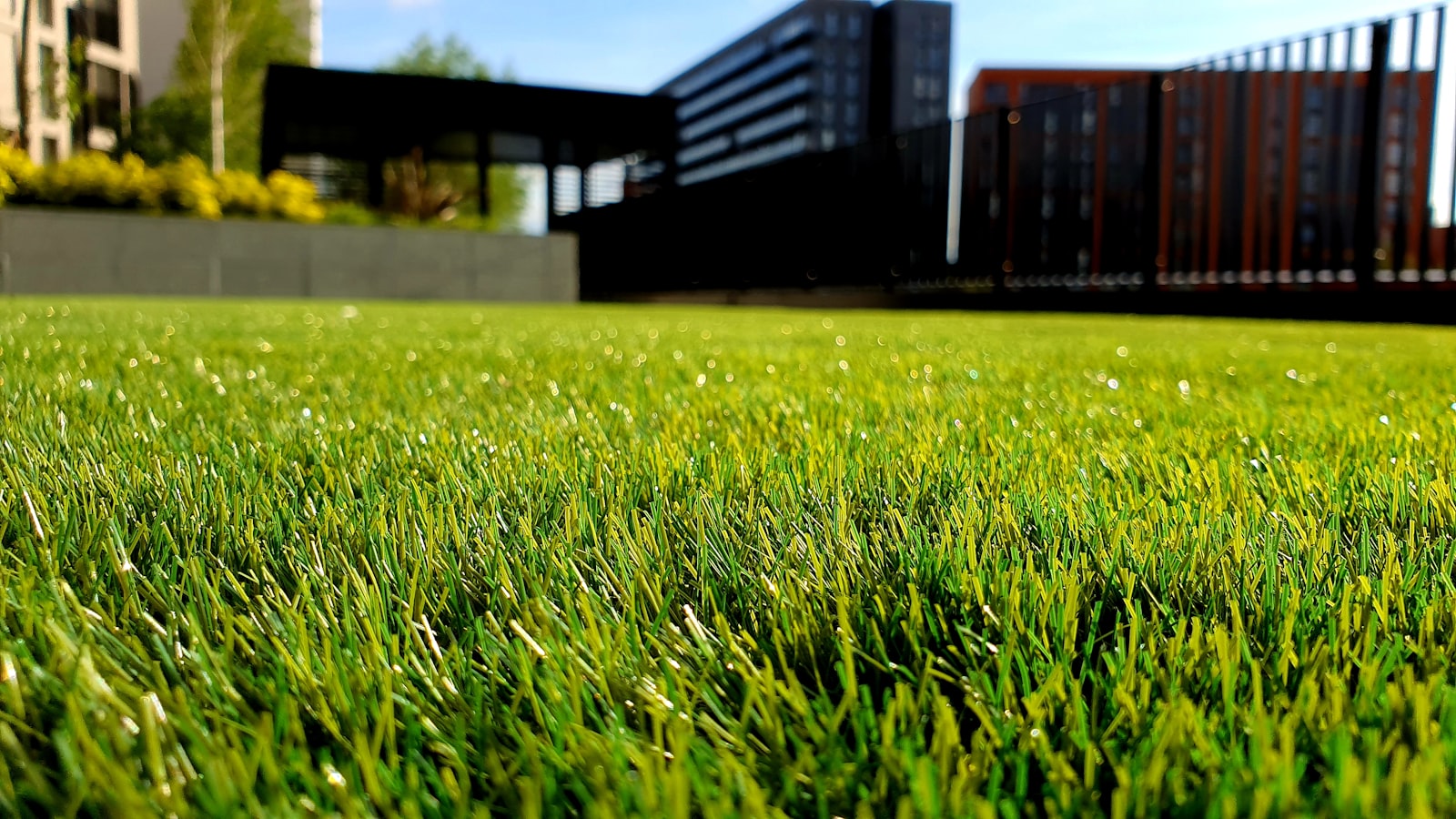
A lawn grown from seed is cheaper than sod, gives you a far wider choice of grass varieties, and roots better because it grows in place rather than being transplanted as a slab. The catch is that seeding is less forgiving in the first three weeks. Sow at the wrong time of year, skimp on soil prep, scatter the seed too thin or too thick, or let the surface dry out once, and you get a patchy, weedy mess. Do those four things right, though, and you can turn bare dirt into a dense, even lawn in a single season. This guide walks through soil preparation, the correct seed rate, timing by region, and the watering routine that makes or breaks germination.
Key Takeaways
- Best time to seed cool-season grass is early fall (late August to mid-October); warm-season grass goes down in late spring to early summer.
- Spend most of your effort on soil prep: clear debris, rough-grade for drainage, loosen the top 2 to 3 inches, and rake to a fine, level seedbed.
- Typical new-lawn seeding rates run about 6 to 8 lbs per 1,000 sq ft for tall fescue and roughly 1 to 2 lbs for fine Kentucky bluegrass; always follow the bag.
- Keep the top half inch of soil constantly moist with light watering 2 to 4 times a day until germination, then taper to deep, infrequent watering.
- Do not mow until the grass reaches about 3 to 3.5 inches, then remove no more than the top third in the first cut.
Pick the Right Grass for Your Region
Before you buy seed, match the grass type to your climate, because timing and rate both flow from that choice. Cool-season grasses such as tall fescue, Kentucky bluegrass, and perennial ryegrass thrive in the northern half of the country and grow best in spring and fall. Warm-season grasses such as Bermuda, Zoysia, and centipede dominate the South and grow hardest in summer heat. If you are deciding between specific types, our comparisons of tall fescue versus perennial ryegrass and St. Augustine versus Zoysia can help you choose before you ever break ground.
Buy fresh, certified seed and read the label. A quality blend has high germination and purity percentages and a very low percentage of weed seed and “other crop.” Cheap bargain seed is cheap for a reason: it often carries filler and weed seed that will haunt the lawn for years.
When to Seed
Timing is the lever that does the most work for the least effort. Seed when soil temperatures and moisture favor your grass type, and germination is fast and even; seed at the wrong time and you fight drought, frost, or weeds the whole way.
- Cool-season grasses: early fall is ideal, roughly late August through mid-October, when soil is still warm but air is cooling and fall rains arrive. The young grass gets a full fall and the following spring to establish before summer heat. Early spring is the second-best window.
- Warm-season grasses: late spring to early summer, once soil temperatures hold steady above 65 to 70 degrees Fahrenheit and all frost risk has passed. These grasses need heat to germinate.
Avoid seeding in the heat of midsummer for cool-season grass or right before a hard frost for either type. Tender seedlings have shallow roots and dry out or freeze easily.
Step 1: Prepare the Soil
Soil prep is 80 percent of a successful seeding, so do not rush it. Start by clearing the area of old grass, weeds, rocks, roots, and construction debris. If you are converting an existing weedy patch, kill or remove the old vegetation first; tilling living perennial weeds just chops them into more plants.
Test and amend
A simple soil test tells you pH and nutrient levels. Most lawn grasses prefer a pH of 6.0 to 7.0. Add lime to raise low pH or elemental sulfur to lower high pH based on the test results, and work in a starter fertilizer high in phosphorus to fuel root growth. If your ground is heavy or compacted from construction, spread an inch or two of compost over the surface; for badly compacted lots, our guide on how to fix compacted soil covers the deeper repairs that seedlings will thank you for.
Grade and loosen
Rough-grade the area so it slopes gently away from the house, about a 1 to 2 percent fall, to carry water away from the foundation and prevent puddles. Fill low spots that would collect water. Then loosen the top 2 to 3 inches with a rake, tiller, or for large areas a power rake, so seed can nestle into soft soil and roots can penetrate easily.
Create the seedbed
Finish by raking the surface smooth and level, breaking up clods until you have a fine, crumbly seedbed. The ideal texture is firm enough to walk on without sinking but loose on top. Many pros lightly roll the bed before seeding to firm it, then rake the very surface loose again. A firm bed keeps seed from being buried too deep when you water.
Step 2: Sow the Seed at the Right Rate
Seeding rate is a Goldilocks problem. Too little seed leaves thin, weedy turf; too much creates overcrowded seedlings that compete with each other and become disease-prone. The right rate depends on the grass, so always follow the bag, but typical new-lawn rates per 1,000 square feet look like this:
- Tall fescue: about 6 to 8 lbs
- Perennial ryegrass: about 5 to 9 lbs
- Kentucky bluegrass: about 1 to 2 lbs (tiny seeds, much lower weight)
- Bermuda (hulled): about 1 to 2 lbs
For even coverage, use a broadcast or drop spreader and split your seed into two halves. Apply the first half walking north-south, then the second half walking east-west. This crosshatch pattern fills the gaps a single pass leaves behind. After spreading, lightly rake so seed settles into the top quarter inch of soil; grass seed needs contact with soil and light, so do not bury it deeper than about a quarter inch. Finish by rolling lightly or tamping to press the seed into firm contact, then top with a thin layer of straw or seed-starting mulch to hold moisture, but keep it thin enough that you can still see soil through it.
Step 3: Water for Germination
Watering is where new lawns live or die. Germinating seed must stay continuously moist; if the surface dries out even once after the seed has swelled, the embryo can die. The routine changes in three phases.
Until germination
Water lightly and often, two to four times a day, to keep the top half inch of soil constantly damp but never soggy or puddled. Short cycles of a few minutes each are better than one long soak that washes seed away. In hot, windy weather you may need more frequent passes. Most cool-season grasses sprout in 7 to 21 days; warm-season grasses can take 14 to 30.
After seedlings emerge
Once you see a green haze of seedlings, cut back to once or twice a day but water a little deeper to encourage roots to chase moisture downward. The goal now is to keep the top inch or two moist.
Establishment
By three to four weeks, transition toward a mature lawn schedule: deep, infrequent watering totaling about 1 to 1.5 inches per week, including rain. Deep watering trains roots to grow down, producing a drought-tougher lawn than frequent shallow sprinkles ever will.
Step 4: First Mow and Early Care
Stay off the new lawn as much as possible for the first few weeks; foot traffic crushes tender seedlings and compacts the seedbed. Wait to mow until the grass reaches about 3 to 3.5 inches tall, which is usually three to four weeks after germination. For the first cut, make sure the mower blade is sharp and remove no more than the top third of the blade height. Cutting too short, too soon shocks young grass and invites weeds.
Hold off on broadleaf weed killers until the new grass has been mowed three or four times; most herbicides damage immature turf. About four to six weeks after germination, a second light application of starter or balanced fertilizer gives the young lawn a boost heading into its first dormant season. Expect a new seeded lawn to look thin at first and fill in over the following months as the grass tillers and spreads.
Troubleshooting a Patchy Result
If germination is spotty, the usual culprits are uneven watering (some areas dried out), seed washed into low spots by heavy watering, or bare patches where the seedbed crusted over. Lightly rake and reseed thin areas, and adjust your watering so the whole surface stays evenly moist. If weeds dominate, the seedbed likely sat too long between prep and sowing, letting weed seed germinate first; next time, prep and seed in close succession. And if seedlings emerged then yellowed and thinned, you may have sown too thick, creating disease pressure, or skipped the starter fertilizer the young grass needed.
Frequently Asked Questions
How long does grass seed take to germinate?
It varies by grass type. Perennial ryegrass can sprout in 5 to 10 days, tall fescue in 7 to 14, and Kentucky bluegrass in 14 to 21. Warm-season grasses like Bermuda take 14 to 30 days and need warm soil above 65 degrees Fahrenheit.
How much grass seed do I need per square foot?
Follow the bag, but as a guide: about 6 to 8 lbs of tall fescue, 5 to 9 lbs of perennial ryegrass, or 1 to 2 lbs of Kentucky bluegrass per 1,000 square feet for a new lawn. Overseeding an existing lawn uses roughly half those rates.
Can I seed a lawn in spring?
Yes, early spring is the second-best window for cool-season grass after fall. The downside is that summer heat and weed pressure arrive before the young lawn is fully established. Warm-season grasses are best seeded in late spring to early summer when soil is warm.
How often should I water new grass seed?
Until germination, water lightly two to four times a day to keep the top half inch of soil constantly moist. After seedlings emerge, reduce to once or twice daily and water a little deeper, then transition to deep, infrequent watering of about 1 to 1.5 inches per week by week four.
When can I mow a newly seeded lawn?
Wait until the grass reaches about 3 to 3.5 inches tall, usually three to four weeks after germination. Use a sharp blade and remove no more than the top third of the height on the first cut to avoid shocking the young grass.