

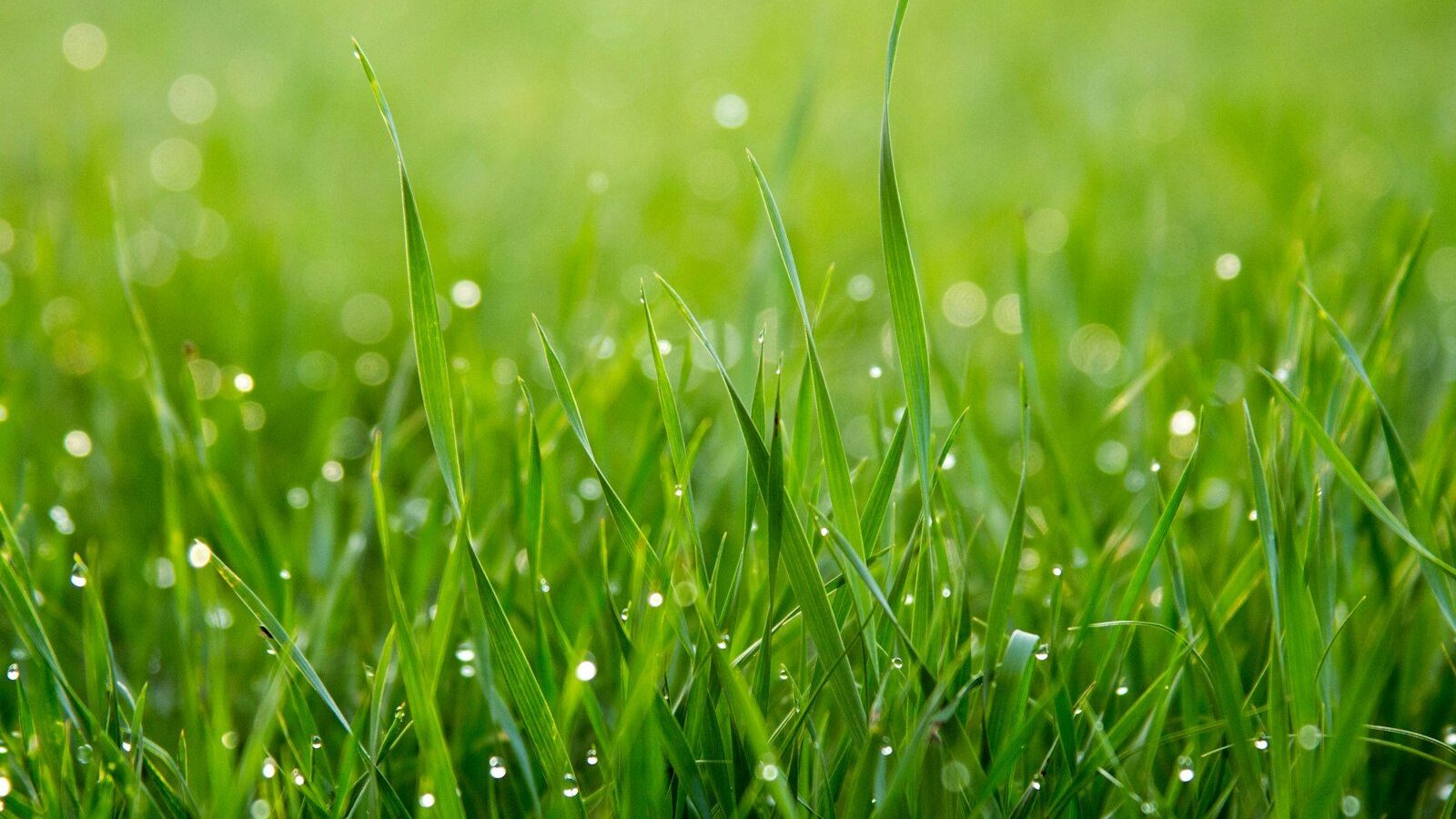
Perennial ryegrass (Lolium perenne) is the sprinter of the lawn world: it germinates faster than almost any other turf grass, often showing green in five to seven days, and it gives you a fine-textured, deep-green, hard-wearing lawn. That speed makes it the go-to choice for two jobs — establishing a cool-season lawn quickly and overseeding warm-season lawns for winter color in the South. It is a bunch-type grass, meaning it grows in clumps rather than spreading by runners, so it doesn’t self-repair the way Kentucky bluegrass does. But its rapid establishment, excellent wear tolerance, and rich color have made it a staple of sports fields, sod blends, and home lawns across the cool and transition zones. This guide covers where it thrives, how to mow, water, and feed it, the diseases to watch for, and exactly how to overseed with it.
Key Takeaways
- Zones: cool-season grass for USDA 3–7 and the transition zone; widely used to overseed warm-season lawns in winter.
- Mowing height: 1.5 to 2.5 inches; raise to the high end in summer heat.
- Water: 1 to 1.5 inches per week; ryegrass has shallow roots and limited drought tolerance.
- Fertilizer: 2 to 4 pounds of nitrogen per 1,000 sq ft per year, with the heaviest feeding in fall.
- Watch for: red thread, brown patch, gray leaf spot, and rust.
- Habit: bunch-type — it won’t fill gaps on its own, so overseed thin areas.
Climate and Where It Grows
Perennial ryegrass is a cool-season grass, meaning it does its best growing in the cool months of spring and fall and slows or struggles in summer heat. As a permanent lawn it is best suited to USDA hardiness zones 3 through 7 — the Northeast, upper Midwest, Pacific Northwest, and the cooler parts of the transition zone. The Pacific Northwest, with its mild, moist climate, is close to ideal: ryegrass stays green and dense there with relatively little fuss.
Its limits are heat and cold extremes. In the Deep South, summer heat and humidity overwhelm permanent perennial ryegrass — which is exactly why Southern lawns use it as a temporary winter overseed on dormant Bermuda or zoysia, enjoying its green through the cool season and letting it fade as the warm-season grass wakes up. At the cold end, severe winters in the far north can thin a ryegrass stand, where Kentucky bluegrass or fescue holds up better. Ryegrass also prefers full sun; it tolerates only light shade. It establishes on a wide range of soils but does best on fertile, well-drained ground with a pH between 6.0 and 7.0.
Because it is a bunch-type grass with no rhizomes or stolons, perennial ryegrass is frequently blended with Kentucky bluegrass in sod and seed mixes: the ryegrass provides fast cover and wear resistance while the bluegrass fills in gaps over time. A pure ryegrass lawn is durable but will develop bare spots if not periodically overseeded.
Mowing Height and Frequency
Mow perennial ryegrass at 1.5 to 2.5 inches. During spring and fall, when growth is vigorous, the lower end of that range keeps it neat. In summer, raise the deck to 2.5 inches or even 3 inches: taller blades shade the soil, keep roots cooler, and help the shallow-rooted ryegrass survive heat stress. Mowing too short in summer is a common way to lose a ryegrass lawn to drought and disease.
Follow the one-third rule — remove no more than a third of the blade per mowing — which during peak spring growth can mean mowing twice a week. A sharp blade matters more with ryegrass than most grasses: its leaf blades are tough and fibrous, and a dull mower leaves a whitish, frayed, shredded look across the lawn that not only looks bad but opens the door to disease. Sharpen or replace the blade at least once or twice a season. Mulch clippings back into the lawn when mowing regularly to recycle nitrogen; bag them only if the lawn is diseased or the clumps are heavy after a missed week.
Watering Perennial Ryegrass
Ryegrass needs roughly 1 to 1.5 inches of water per week, including rainfall, during active growth. Because it roots shallowly compared with fescue or bluegrass, it has limited drought tolerance and shows stress quickly in dry heat — expect it to brown and go semi-dormant under prolonged summer drought, recovering when cool, moist weather returns. Still, the watering principle is the same as for any lawn: water deeply and infrequently to encourage the deepest roots ryegrass can manage. One inch applied in one or two sessions per week beats a daily sprinkle.
Water in the early morning, ideally between 4 and 9 a.m. Morning watering lets the blades dry through the day, which is important because ryegrass is prone to several leaf diseases that thrive on prolonged leaf wetness — evening or night watering is asking for red thread and brown patch. During establishment and overseeding, watering is different: keep the seedbed consistently moist with light, frequent watering (once or twice a day) until seedlings are up and established, then transition to the deep-and-infrequent schedule. Use a few straight-sided cans to calibrate how long your sprinkler takes to apply an inch.
Fertilizing Schedule
Perennial ryegrass is a moderate-to-heavy feeder by cool-season standards, wanting 2 to 4 pounds of actual nitrogen per 1,000 square feet per year for a dense, deep-green lawn. As with all cool-season grasses, the bulk of that nitrogen should go down in fall, when the grass is building roots and storing energy — not in late spring, when heavy nitrogen pushes lush top growth that is vulnerable to summer disease and heat.
A sample annual program
- Early spring: A light feeding of about 0.5 to 0.75 lb nitrogen per 1,000 sq ft as the lawn greens up to support spring growth. Don’t overdo it.
- Late spring: Optional light feeding only if the lawn is pale; otherwise skip to avoid pushing soft growth into summer.
- Summer: Generally none. Feeding ryegrass in the heat encourages disease. Just water and mow high.
- Early fall (the main feeding): About 1 lb nitrogen per 1,000 sq ft as growth resumes — this is the most important application of the year.
- Late fall: A final 1 lb nitrogen per 1,000 sq ft roughly a month before the ground freezes (a “winterizer”) builds root reserves and improves spring green-up.
Use a slow-release or balanced turf fertilizer and apply to a dry lawn, then water it in. A soil test every few years tells you whether you also need phosphorus, potassium, or lime to keep pH in the 6.0–7.0 range. Don’t guess at lime — only apply it if a test shows acidic soil.
Common Diseases and Problems
Perennial ryegrass is more disease-prone than some lawn grasses, so prevention — correct mowing height, morning watering, and balanced fertility — is your best tool.
Red thread
Pinkish-red threadlike strands and ragged tan patches, especially in cool, wet weather on under-fertilized lawns. Red thread is often a sign the lawn is hungry; a light nitrogen feeding usually grows the grass out of it. Improve drainage and water in the morning.
Brown patch and gray leaf spot
Both strike in hot, humid weather. Brown patch creates circular brown areas, while gray leaf spot — which ryegrass is notably susceptible to — produces gray-brown lesions and can rapidly thin a stand in late summer. Avoid summer nitrogen, water in the morning only, improve air circulation, and use a labeled fungicide if disease is severe and recurring.
Rust
Orange dust on shoes and blades, common on slow-growing, under-fertilized, or shaded ryegrass in late summer and fall. A light nitrogen feeding and regular mowing (which removes infected tissue) usually clears it.
Thinning and bare spots
Because ryegrass is bunch-type, wear, disease, or winter damage leaves gaps it cannot fill on its own. The remedy is simple and seasonal: overseed.
How to Overseed With Perennial Ryegrass
Overseeding serves two purposes. On a cool-season lawn, it thickens turf and repairs the bare spots that bunch-type ryegrass inevitably develops. On a Southern warm-season lawn, it provides winter green over dormant Bermuda or zoysia. The technique differs slightly for each.
Thickening a cool-season lawn: The best time is early fall, when soil is still warm but air is cooling — this gives seedlings weeks of mild weather to establish before winter. Mow the existing lawn short (about 1.5 inches), bag the clippings, and rake or core-aerate to expose soil so seed makes contact. Spread perennial ryegrass seed at about 5 to 9 pounds per 1,000 square feet for overseeding (use the lower rate over an existing thin lawn, the higher rate for bare areas). Rake lightly, keep the surface consistently moist with light daily watering until germination in about a week, then taper to deep, infrequent watering. Hold off on weed-preventing pre-emergent herbicides — they stop your new grass seed from sprouting too.
Winter overseeding a Southern lawn: Wait until the warm-season grass has slowed and night temperatures consistently drop into the 50s, typically October. Mow the dormant Bermuda low, rake out debris, and broadcast perennial ryegrass at 6 to 10 pounds per 1,000 square feet. Keep moist until germination. In spring, as the Bermuda or zoysia wakes up, gradually reduce watering and mow the ryegrass low to encourage it to fade out and let the permanent grass take over.
For broader seasonal lawn-renovation timing, see our companion guide on how to divide perennials, which shares the same cool-weather establishment logic, and explore the Outdoor Living hub for more lawn and landscaping how-tos. If you’re pairing your lawn with planting beds, our Plants & Flowers guides cover border perennials that complement a fine-textured ryegrass lawn.
Frequently Asked Questions
How fast does perennial ryegrass germinate?
Very fast — typically five to seven days under warm, moist conditions, faster than almost any other lawn grass. That speed is why it is the standard choice for quick establishment and for winter overseeding warm-season lawns.
Is perennial ryegrass good for a permanent lawn?
Yes, in cool-season regions (USDA zones 3–7) and the transition zone, especially the Pacific Northwest. In the Deep South it can’t survive summer heat as a permanent lawn, so it’s used there only as a temporary winter overseed.
How high should I mow ryegrass?
Between 1.5 and 2.5 inches. Mow on the higher end during summer heat to shade the soil and protect its shallow roots, and always use a sharp blade since ryegrass’s tough blades shred easily.
Why does my ryegrass keep getting disease?
Ryegrass is prone to red thread, brown patch, gray leaf spot, and rust. Most outbreaks trace to evening watering, summer nitrogen, or poor air flow. Water only in the morning, avoid feeding in heat, mow high, and keep fertility balanced.
Does perennial ryegrass spread to fill bare spots?
No — it’s a bunch-type grass with no runners, so it can’t self-repair. Thin areas must be fixed by overseeding, ideally in early fall, after raking or aerating to expose soil for good seed-to-soil contact.