

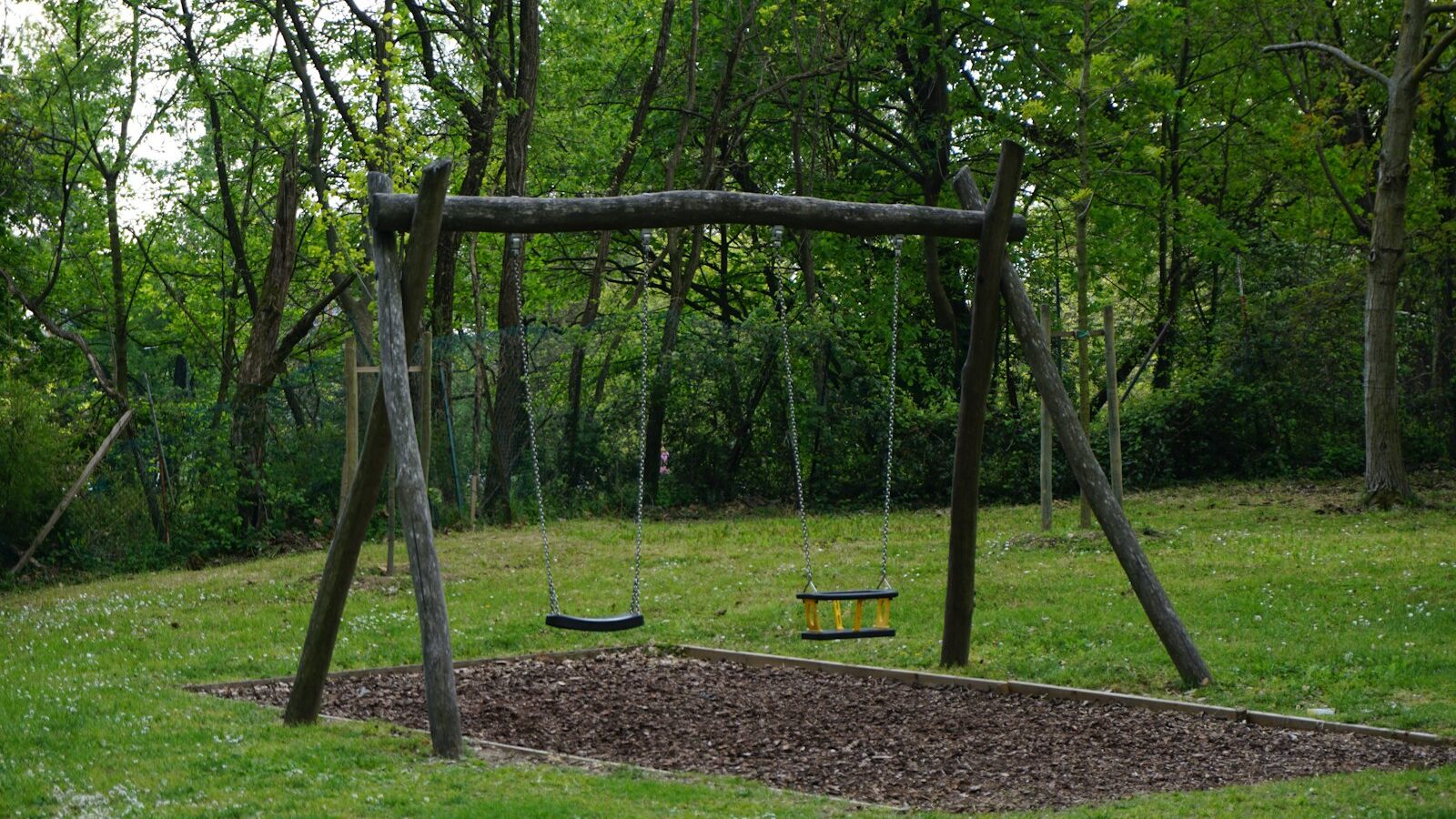
Outdoor play is where Singapore’s youngest residents learn balance, take small risks and burn off tropical-afternoon energy. Whether you run a preschool in a HDB void deck, manage a childcare centre inside a condominium, or simply want a safe family garden, good landscaping is what turns a patch of ground into a space that is safe, shaded and genuinely fun. This guide covers safety surfacing, child-safe planting (and the plants to avoid around children), shade, sensory and edible gardens, durability and the maintenance that keeps it all compliant.
Key takeaways
- Safety surfacing is non-negotiable: artificial turf with shock pad, rubber/EPDM or certified bark mulch under any climbing or play equipment, with fall-height ratings to match.
- Some popular tropical plants are toxic to children — avoid frangipani sap, oleander, dumb cane (dieffenbachia), oleander and crown of thorns near play zones.
- Shade is a year-round priority in Singapore’s climate; combine shade sails, pergolas and broad-canopy trees to keep surfaces cool and UV exposure low.
- Sensory and edible gardens add huge learning value with low cost — herbs, soft grasses and textured foliage engage children safely.
- Childcare and preschool spaces must prioritise durability and low-allergen, low-maintenance choices to survive heavy daily use and the wet season.
Safety surfacing: the foundation of any play space
Before a single plant goes in, sort out what children land on. In Singapore, ECDA-licensed childcare centres and preschools are expected to provide safe outdoor play, and surfacing under equipment is the single biggest factor in reducing injury from falls. The right surface depends on your equipment’s critical fall height — the maximum height a child could fall from.
Your main surfacing options
- Artificial turf with shock pad: The most popular choice for Singapore preschools and condos. It stays green year-round, drains quickly after tropical downpours and, with a foam shock pad underneath, meets fall-height requirements. Our artificial grass installs are spec’d specifically for child-safe, certified play use.
- Rubber / EPDM (wet-pour): A seamless poured-rubber surface, ideal for active play areas and ramps. EPDM comes in colours for play patterns and number trails, drains well and offers excellent, tuneable shock absorption for higher equipment.
- Certified bark / engineered wood fibre: A natural, lower-cost loose-fill option that suits nature-play settings. It needs topping up and raking, and must be kept at the right depth to retain its cushioning.
- Rubber tiles / mats: Useful for smaller condo play corners and retrofits; modular and easy to replace if damaged.
Ask any contractor to confirm the surface is rated for your equipment’s fall height (commonly referenced against EN 1177 / ASTM F1292 impact-attenuation standards). For tropical conditions, prioritise drainage — standing water breeds mosquitoes, and the NEA takes dengue prevention seriously, so no surface should pond after rain.
Child-safe plants for Singapore gardens
Children explore with their hands and mouths, so every plant within reach should be non-toxic, thornless and robust enough to survive curious fingers. The good news is that Singapore’s climate supports plenty of safe, hardy, low-allergen choices.
Safe, hardy choices that thrive here
- Soft grasses and groundcovers: Cow grass, mondo grass and peanut grass (Arachis) give soft, tactile, barefoot-friendly ground.
- Edible herbs: Mint, Thai basil, laksa leaf and curry leaf are safe, aromatic and great for sensory play.
- Hibiscus and ixora: Common, non-toxic flowering shrubs that attract butterflies — a living lesson for little ones.
- Spider plant, prayer plant and most ferns: Lush, safe foliage for shaded corners and planter walls.
- Bamboo (clumping) and ti plant (Cordyline): Good for green screens; choose thornless, non-fruiting varieties.
Favour low-allergen species and avoid heavy pollen producers. Keep planting beds slightly raised or edged so children can touch and smell without trampling, and route plants with any rough texture away from crawling zones.
Plants to AVOID around children
Several plants commonly found in Singapore gardens and HDB estates are toxic or irritant. These should never be planted within reach of a play area, and ideally not on the premises of a childcare centre at all. Children can be harmed by chewing leaves, by sap on skin and eyes, or by berries that look like sweets.
- Frangipani (Plumeria): The milky sap is a skin and eye irritant; the tree is beautiful but better kept well away from where children play.
- Oleander (Nerium): Highly toxic in all parts if ingested — avoid entirely around children.
- Dumb cane (Dieffenbachia): Sap causes intense mouth and throat swelling if chewed; a common indoor plant to remove from reach.
- Crown of thorns (Euphorbia milii): Sharp spines plus an irritant sap — two hazards in one.
- Angel’s trumpet (Brugmansia) and lantana berries: Toxic if eaten; lantana’s unripe berries are especially risky.
- Cycads (sago palm) and aglaonema: Toxic if ingested; popular in landscaping but unsuitable near toddlers.
If in doubt, leave it out. A vetted landscaper through our landscaping & design service can audit an existing garden and swap any risky species for safe equivalents before your centre opens or your little ones move in.
Shade and sun protection in the tropics
Singapore’s UV index regularly hits very high to extreme, and dark play surfaces get hot enough to burn small feet. Shade is not a luxury here — it determines how many hours a day a space is actually usable.
Layering shade effectively
- Shade sails and tensioned membranes: Fast, flexible cover for play decks; choose UV-rated fabric and allow for monsoon wind loading.
- Pergolas and trellises: Pair with climbing edible vines (passionfruit, gourds) for green, cooling cover.
- Broad-canopy trees: Tembusu, frangipani-free options like Pong Pong alternatives, and tabebuia provide natural shade — but always check the species is non-toxic and low-litter near play zones.
- Orientation: Position equipment to catch morning sun and afternoon shade, and keep metal slides out of direct midday glare.
Combine shade with light-coloured or naturally cooler surfacing, and ensure good airflow so the space doesn’t become humid and stuffy — ventilation also helps keep mould off equipment during the wet season.
Sensory and edible gardens that teach
Some of the best learning happens outdoors. Sensory and edible gardens are inexpensive to add and deliver enormous value for preschools following play-based or nature-based curricula, and they make family gardens far more engaging.
- Sensory beds: Mix soft, fuzzy, smooth and aromatic plants so children can explore touch and smell safely. Add textured paths — smooth pebbles, timber rounds, soft grass.
- Edible planters: Raised beds of kangkong, cherry tomatoes, sweet potato leaves and herbs let children plant, water and harvest. Keep edibles clearly separated from any ornamental (and potentially toxic) plants to avoid confusion.
- Water and mud play: A small, well-drained sand or water station encourages imaginative play — just ensure it drains fully to avoid mosquito breeding.
- Pollinator corners: Hibiscus, ixora and pentas draw butterflies, turning a garden into a living science lesson.
Design these zones at child height with clear sightlines so educators and parents can supervise easily across the whole space.
Durability, allergens and the wet-season reality
Childcare landscaping takes a beating. Dozens of children, daily use, intense sun and frequent heavy rain mean materials must be tougher than in a typical home garden. Build for the worst case and the everyday looks after itself.
- Choose hard-wearing, low-allergen species that recover quickly from being walked on and don’t drop excessive pollen, sap or messy fruit.
- Spec drainage first: Falls, channels and free-draining substrates stop puddles, mud and mosquito breeding after monsoon rain.
- Use commercial-grade surfacing: Higher-density turf, thicker shock pads and UV-stabilised rubber last far longer under constant use.
- Plan for cleaning: Surfaces should be hose-and-disinfect friendly — important for hygiene in shared childcare settings.
Maintenance and compliance
A play space is only as safe as its upkeep. Tropical growth is fast, and equipment, surfacing and planting all need regular attention to stay compliant and safe.
- Routine inspections: Check surfacing depth, equipment anchors and fall zones; document them for licensing and insurance.
- Planting upkeep: Regular trimming keeps sightlines clear and stops any plant becoming a hazard or a hiding spot for pests.
- Mosquito control: Eliminate standing water weekly — a core NEA dengue-prevention habit for any outdoor space.
- Surface care: Brush and rinse turf, top up bark, and repair rubber promptly to maintain shock performance.
A scheduled maintenance plan keeps everything in safe, presentable condition year-round. Browse all Singapore services to combine design, installation and upkeep under one vetted provider.
Frequently asked questions
What is the safest surfacing for a preschool playground in Singapore?
For most centres, artificial turf with a shock pad or poured rubber (EPDM) offers the best balance of safety, drainage and durability. The right choice depends on your equipment’s critical fall height, so confirm the surface is rated to match it.
Which plants should I avoid around young children?
Avoid frangipani (irritant sap), oleander, dumb cane (dieffenbachia), crown of thorns, angel’s trumpet, lantana berries and cycads. These are toxic or irritant and should be kept well away from play areas — ideally off the premises entirely.
How much does childcare playground landscaping cost in Singapore?
Costs vary widely with area, surfacing type and shade structures, typically ranging from a few thousand SGD for a small condo play corner to a much larger budget for a full preschool outdoor space. Getting several quotes is the best way to gauge fair pricing for your site.
Is artificial turf safe and hygienic for children?
Yes. Quality play-grade artificial grass is non-toxic, drains quickly, can be hosed and disinfected, and pairs with a shock pad for fall protection. Choose UV-stabilised, commercial-grade turf for the tropical climate and heavy daily use.
How do I keep an outdoor play area mosquito-free?
Ensure every surface drains fully with no ponding, empty any water-play features daily, clear leaf litter, and inspect weekly for standing water. This aligns with NEA dengue-prevention guidance and keeps the space safe.
Featured project by Gensou Aquascaping
Get free childcare & playground landscaping quotes in Singapore
Tell us about your space and we’ll match you with vetted local landscapers island-wide. Free, no obligation.