

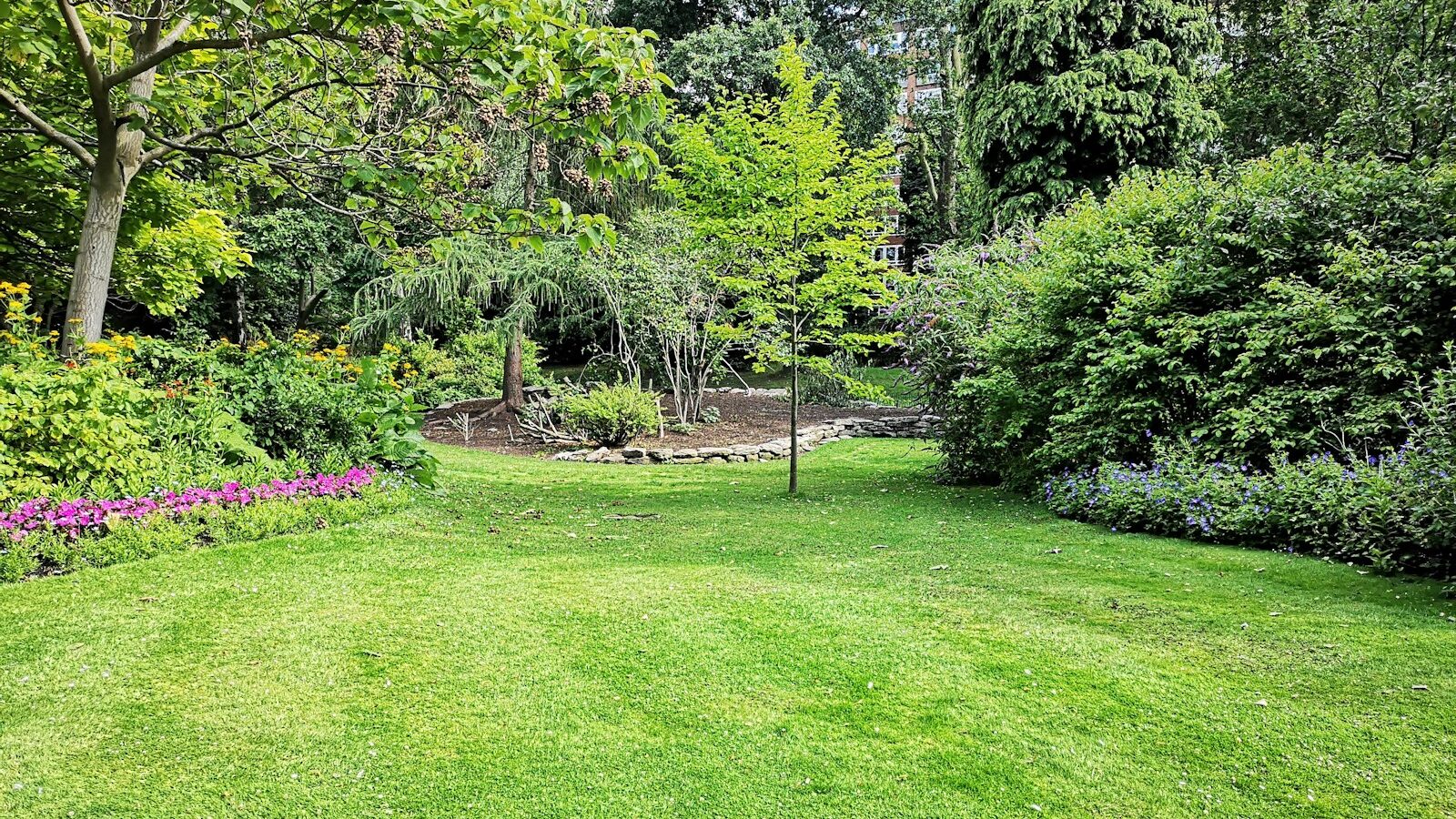
Well-kept common-area greenery is one of the first things prospective buyers and tenants notice about a Singapore condominium, yet landscape maintenance is among the most frequently misunderstood line items in an MCST budget. Whether you sit on the council, work as a managing agent, or simply want to understand why the contractor turns up every fortnight, this guide explains what a tropical landscape maintenance contract should cover, how often the work happens, what to look for in a contractor, and how to compare quotes and tenders sensibly.
Key takeaways
- A proper condo contract covers grass cutting, pruning, fertilising, pest and weed control, irrigation upkeep and seasonal replanting — not just mowing.
- In Singapore’s tropical climate, turf is typically cut every 7-14 days and hedges trimmed monthly; growth never truly stops.
- MCSTs should call a competitive tender for larger estates and insist on a clear scope of works, frequency schedule and inclusion list.
- Cheapest is rarely best — under-specified contracts lead to patchy turf, overgrown beds and costly replanting later.
- Vet contractors for NParks-trained arborists, proper insurance, BCA/safety compliance and a track record with strata properties.
What a condo landscape maintenance contract should cover
The single biggest source of disputes between MCSTs and contractors is an ambiguous scope. A good contract spells out exactly which tasks are included, how often each is done, and what counts as an extra. At minimum, expect the following.
Core inclusions
- Grass cutting and edging — turf areas, verges and slopes mown to a consistent height, with edges trimmed along kerbs, paths and beds. See our grass cutting page for what good turf care looks like.
- Pruning and hedge trimming — shrubs, hedges and palms shaped regularly; tree pruning for shape, clearance and safety, ideally by trained personnel. More on this under tree pruning.
- Fertilising and soil care — scheduled feeding of turf, shrubs and feature plants, plus topping up of mulch and conditioning of compacted beds.
- Pest, disease and weed control — monitoring and treatment for mealybugs, scale, fungal leaf spot and invasive weeds, using approved products applied responsibly near pools and play areas.
- Irrigation upkeep — checking sprinkler heads, drip lines, timers and controllers; flagging leaks and adjusting watering for wet and dry spells.
- Replanting and replacement — replacing dead or failing plants in common-area beds, whether included as an allowance or quoted separately.
- Site cleanliness — removing clippings, fallen fronds and green waste after every visit so the estate stays tidy.
Anything outside this list — major tree felling, large-scale relandscaping, turf returfing or storm clean-up — is usually billed as ad-hoc work. Make sure the contract states this clearly so there are no surprises on the invoice.
How often should the work be done?
Singapore’s heat, humidity and year-round rainfall mean plants grow continuously — there is no winter dormancy to slow things down. Frequency matters more here than in temperate climates, and a contract that visits too infrequently will always look shabby between visits.
Typical maintenance frequency
- Grass cutting: every 7-14 days during the year; weekly for high-visibility frontages and event lawns.
- Hedge and shrub trimming: roughly monthly, more often for fast growers like ixora and hibiscus.
- Fertilising: every 2-3 months for turf and beds, adjusted to plant type and soil condition.
- Pest and weed inspection: on every routine visit, with treatment as needed.
- Irrigation checks: monthly, plus after heavy storms or system faults.
- Palm and tree pruning: typically quarterly to half-yearly, depending on species and clearance needs.
- Replanting: seasonal refresh of flowering beds and entrance displays a few times a year.
For a fuller picture of recurring upkeep across an estate, our garden maintenance service overview sets out how these visits fit together over the year.
What to look for in a landscaping contractor
Strata properties have obligations that a one-off residential garden does not — public liability, safety near residents, and accountability to a council. The contractor you appoint should be equipped for that responsibility.
Checklist before you appoint
- Relevant accreditation: look for NParks Certified Practising Horticulturist or arborist credentials, and ISO or bizSAFE certification for larger firms.
- Insurance: valid public liability and work injury compensation cover, with sums appropriate to a residential estate.
- Strata track record: references from comparable condos and MCSTs, not just landed homes.
- Safety and access: proper procedures for working at height, near pools, and around residents and vehicles.
- Equipment and manpower: enough trained crew and serviced machinery to meet the agreed frequency without no-shows.
- Reporting: a named account manager and a habit of written site reports, photos and a clear channel for the managing agent to raise issues.
- Sustainable practice: responsible use of fertilisers and pesticides, and proper disposal or composting of green waste.
Getting and comparing quotes and tenders
For most condos, landscape maintenance is awarded by tender, often on a one to three year term. The quality of the tender document directly shapes the quality of the bids you receive — a vague brief invites vague pricing.
Running a fair tender
- Write a clear scope of works: list every task, its frequency, and the areas covered, with a simple site plan if possible.
- State what is included versus ad-hoc: define replanting allowances, green-waste disposal and any exclusions upfront.
- Invite at least three contractors: enough to compare meaningfully without overwhelming the evaluation.
- Ask for itemised pricing: a monthly retainer broken down by task makes bids comparable and exposes hidden gaps.
- Hold a site walk: let bidders see slopes, mature trees and irrigation so their prices reflect reality.
- Evaluate on value, not just price: weigh experience, manpower, insurance and references alongside the figure.
The cheapest bid often wins on paper and loses in practice. An under-priced contract usually means fewer visits, smaller crews or skipped fertilising — and the estate pays for it later through dead turf and emergency replanting.
Get free landscape maintenance quotes in Singapore
Tell us about your property and we’ll match you with vetted local landscaping contractors island-wide. Free, no obligation.
Typical cost structures for condo landscaping
Most condos pay a fixed monthly retainer that bundles the routine scope into a predictable figure for the MCST budget. The exact amount in SGD depends on the size of green areas, the number of trees and beds, terrain, irrigation complexity and the frequency you require.
How pricing is usually structured
- Monthly retainer: covers the agreed routine scope and frequency, invoiced as a flat fee for easy budgeting.
- Per-visit or per-task rates: sometimes used for smaller estates or to top up frequency during peak growth.
- Ad-hoc and project rates: separate quotes for tree felling, major pruning, returfing or relandscaping.
- Replanting allowance: either a fixed annual sum within the contract or charged at cost per plant.
- Annual escalation: longer contracts may include a modest yearly adjustment for manpower and material costs.
When comparing bids, normalise them to the same scope and frequency before looking at the headline figure. A higher retainer that includes fertilising, replanting and green-waste removal is often cheaper over the contract term than a low base fee with everything billed as extras.
Keeping common-area greenery healthy in the tropics
Beyond the contract, a few habits keep an estate looking its best and protect the MCST’s investment in mature planting. Healthy greenery is far cheaper to maintain than greenery you have to replace.
Good practice for councils and managing agents
- Right plant, right place: favour hardy, shade-tolerant tropical species suited to each spot to reduce failures.
- Watch the irrigation: tropical downpours can mask a broken system; check coverage during dry spells.
- Stay ahead of pests: early treatment of scale, mealybug and fungal disease prevents an outbreak across the estate.
- Mind the trees: regular inspection and pruning of large trees is a safety matter, especially before the monsoon and storm seasons.
- Keep records: photo logs and visit reports let the council hold the contractor accountable and track plant health over time.
- Engage residents: a tidy, green common area lifts property value and reduces complaints — share the maintenance schedule openly.
Looking for the full range of upkeep options for your estate? Browse all Singapore services to see how grass cutting, pruning and ongoing maintenance can be combined into one contract.
Frequently asked questions
How often should condo grass be cut in Singapore?
Because turf grows year-round in our climate, most condos cut grass every 7 to 14 days, with weekly cutting for high-visibility frontages and event lawns. Stretching beyond a fortnight usually leaves the estate looking unkempt.
What is normally included in a condo landscape maintenance contract?
A proper contract covers grass cutting and edging, hedge and shrub pruning, fertilising, pest and weed control, irrigation checks, replanting of common-area beds and removal of green waste. Major tree felling and relandscaping are usually quoted separately as ad-hoc work.
How should an MCST choose a landscaping contractor?
Run a competitive tender with a clear scope of works, invite at least three contractors, hold a site walk and ask for itemised pricing. Evaluate on value rather than price alone, checking accreditation, insurance, strata experience and references before appointing.
How is condo landscaping priced in Singapore?
Most estates pay a fixed monthly retainer in SGD that bundles the routine scope, with separate rates for ad-hoc projects such as tree felling or returfing. The figure depends on green area size, tree and bed count, terrain, irrigation and the frequency required.
Why is the cheapest quote often a false economy?
A low base fee usually means fewer visits, smaller crews or skipped fertilising, which leads to patchy turf and overgrown beds. The estate then pays more later through emergency replanting and remedial work, so it pays to compare bids on equal scope and frequency.