

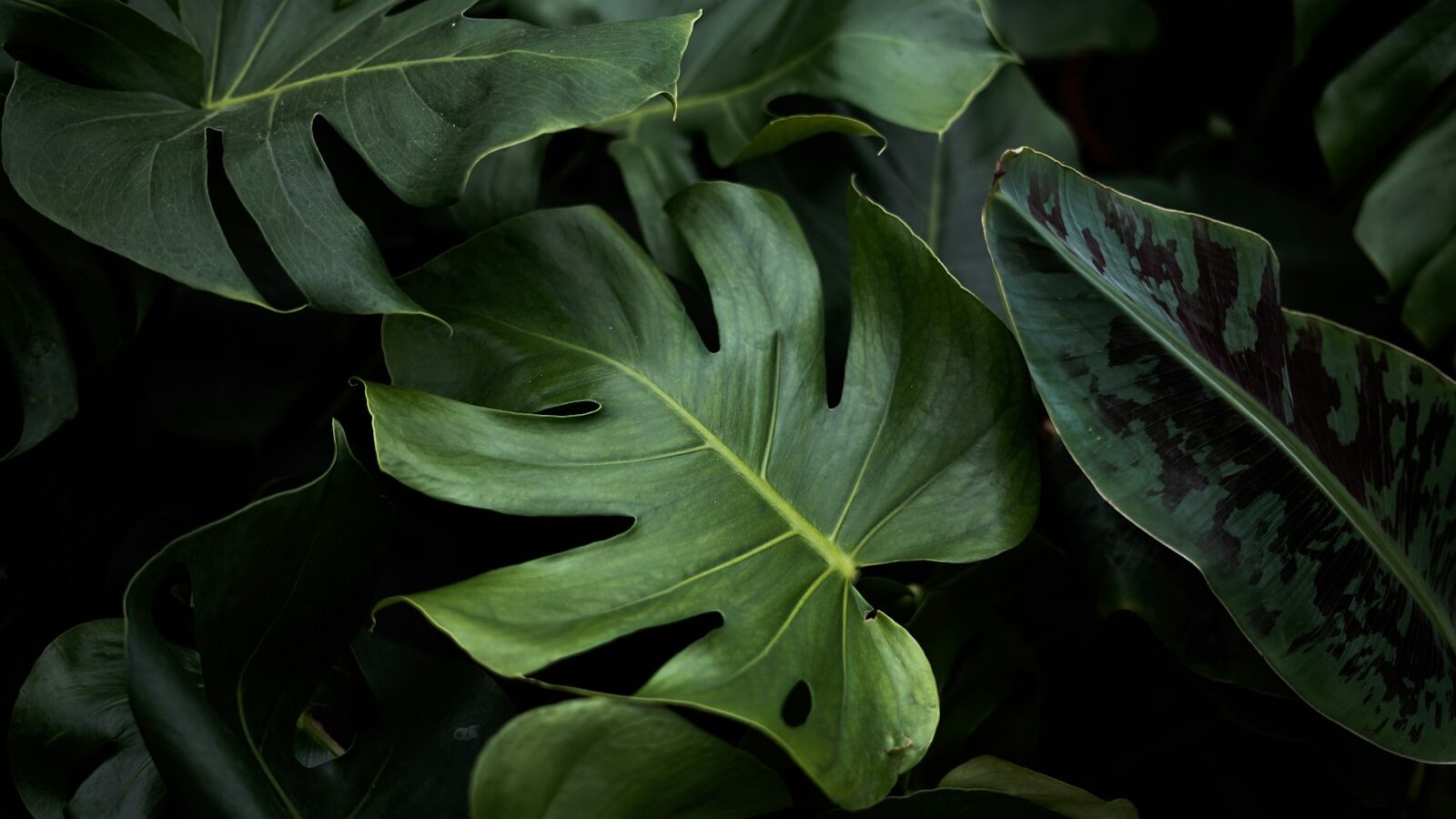
Philodendrons are among the most forgiving and rewarding houseplants you can grow, which is exactly why they show up on nearly every beginner’s “easy plant” list. From the cascading vines of a Heartleaf to the bold, sculptural leaves of a Selloum, this enormous genus offers something for every windowsill, shelf, and corner. This guide covers the two main growth habits, the most popular varieties, and everything you need to keep them thriving indoors.
Philodendron quick care
- Light: medium to bright indirect
- Water: when top inch dry
- Humidity: moderate-high
- Soil: chunky, well-draining
- Easy to propagate; toxic to pets
As an Amazon Associate we earn from qualifying purchases.
Trailing/Climbing vs. Upright Types
The first thing to understand about philodendrons is that they aren’t one kind of plant with one set of needs. The genus splits broadly into two growth habits, and knowing which one you have shapes how you display, support, and prune it. Most of the care basics overlap, but the way these plants want to grow is very different.
Vining (trailing or climbing) philodendrons
Vining types produce long, flexible stems that either trail down from a hanging basket or climb upward when given support. In the wild they scramble up tree trunks toward brighter light, clinging with aerial roots. Indoors you can let them spill from a shelf or train them up a moss pole to encourage larger, more mature foliage. If you already grow pothos care plants, these will feel very familiar.
- Heartleaf (P. hederaceum) — the classic green vine, nearly indestructible
- Brasil — Heartleaf with lime-and-green variegated streaks
- Micans — velvety, iridescent bronze-to-green leaves
- Pink Princess — dark leaves splashed with bubblegum-pink variegation
Upright (self-heading) philodendrons
Self-heading types grow outward from a central crown rather than vining. They stay relatively compact in a pot and develop a bushy, architectural shape, making them excellent floor or tabletop specimens. They don’t need a pole, though larger varieties may eventually want a stake to stay upright.
- Birkin — compact, dark leaves with fine white pinstripes
- Selloum / Hope — large, deeply lobed tropical leaves
- Xanadu — a tidier, more clumping cousin of Selloum
- Congo — broad, glossy leaves in green or deep burgundy (‘Rojo’)
Popular Varieties at a Glance
With hundreds of species and cultivars in the trade, it helps to know what makes the favorites special before you buy. Here’s a quick rundown of the varieties most commonly found in garden centers and online shops. You can browse current availability and prices for a philodendron plant in many of these forms.
- Heartleaf — the most beginner-friendly of all; tolerates low light and irregular watering.
- Brasil — same easy nature as Heartleaf with brighter, variegated color; best in medium-bright light to hold its streaks.
- Micans — prized for its soft, velvety texture and shifting bronze tones; loves humidity.
- Birkin — a slow, mutation-prone grower whose pinstripes vary leaf to leaf; great for shelves.
- Pink Princess — a collector’s favorite; the pink is unstable, so bright indirect light is key to keeping it.
- Selloum / Hope — a dramatic, fast-growing floor plant that can span several feet wide.
- Xanadu — more compact and self-supporting than Selloum; ideal where space is limited.
- Congo — bold, upright, and tough; the ‘Rojo Congo’ adds deep red stems and new growth.
Light, Watering & Humidity
Get these three factors right and the rest of philodendron care falls into place. The good news is that they’re flexible plants with a wide comfort zone, so you don’t need perfect conditions to succeed.
Light
Most philodendrons thrive in medium to bright indirect light. An east-facing window or a few feet back from a south- or west-facing one is ideal. Plain green varieties like Heartleaf tolerate lower light better than almost any houseplant, while variegated types — Brasil, Pink Princess, Birkin — need brighter conditions to keep their color. Avoid harsh, direct afternoon sun, which scorches the leaves and fades variegation. If your plant grows leggy with widely spaced leaves, it wants more light.
Watering
Water when the top inch of soil feels dry to the touch, then water thoroughly until it drains from the bottom. Philodendrons are far more tolerant of slightly dry soil than of soggy roots, so when in doubt, wait. Overwatering is the single most common way people kill these plants. In winter, when growth slows, let the soil dry out a bit more between waterings.
Humidity
As tropical plants, philodendrons appreciate moderate to high humidity (50% or more), though most adapt fine to average household air. Velvety types like Micans and thinner-leaved vines respond especially well to extra moisture. Group plants together, set them on a pebble tray, or run a small humidifier in dry climates or during winter heating season. Brown, crispy leaf edges are often a sign the air is too dry.
Soil, Repotting & Climbing Supports
Soil
Philodendrons are aroids, and like their relatives they want a chunky, airy mix that drains fast while holding some moisture. A blend of standard potting soil with added perlite, orchid bark, and a little coco coir works beautifully. You can also buy a ready-made aroid potting mix formulated for exactly these plants. Never use dense, water-retentive soil straight from the bag — it suffocates the roots.
Repotting
Repot every one to two years, or when you see roots circling the pot or poking out the drainage holes. Move up just one pot size — about two inches wider — since an oversized pot holds too much wet soil. Spring and early summer are the best times, when the plant is actively growing and recovers quickly. Always choose a pot with drainage holes.
Climbing supports
Climbing types reward you with dramatically bigger leaves when given something to climb. A moss pole mimics a tree trunk; keep it lightly moist and the plant’s aerial roots will grab on. Loosely tie new growth to the pole until it attaches on its own. Coir poles, trellises, and even a simple wooden stake all work. The same approach is popular with monstera care, which climbs the same way.
Pruning & Easy Propagation
Pruning
Pruning keeps vining philodendrons full and bushy instead of long and bare. Snip just above a leaf node (the small bump where a leaf meets the stem) and the plant will branch out from that point. Remove yellowing or damaged leaves anytime. Use clean, sharp scissors to avoid spreading disease, and don’t toss those cuttings — they’re free new plants.
Propagation from nodes
Vining philodendrons are among the easiest plants to propagate, which is why cuttings get passed around so freely. The whole secret is the node: each cutting needs at least one.
- Cut a stem segment with one or two leaves and at least one node, just below that node.
- Place the cutting in a glass of water with the node submerged and the leaves above the surface.
- Set it in bright indirect light and refresh the water every few days.
- In two to four weeks, roots emerge from the node. Once they’re a couple inches long, pot the cutting in moist aroid mix.
You can also root cuttings directly in moist soil or sphagnum moss. Self-heading types like Selloum are propagated by division instead, separating offsets at the base during repotting.
Common Problems & Pests
Yellowing leaves
Yellow leaves are the most frequent complaint, and overwatering is usually the culprit. Check that the soil isn’t staying soggy and that the pot drains freely. A single old leaf yellowing at the base is normal aging; widespread yellowing means it’s time to reassess your watering. Pale, washed-out new leaves can instead signal too little light or a need for feeding.
Brown tips and droopy stems
Crispy brown leaf edges point to low humidity or inconsistent watering. Droopy, limp foliage can mean either underwatering (the soil is bone dry) or root rot from overwatering (the soil is wet but roots have failed) — feel the soil to tell which. Adjust accordingly and the plant usually perks back up.
Pests
The usual houseplant pests apply: spider mites (fine webbing, stippled leaves), mealybugs (white cottony clusters in leaf joints), aphids, and scale. Inspect new plants before bringing them home and check the undersides of leaves regularly. Treat early with a spray of insecticidal soap or neem oil, repeating weekly until the problem clears. Wiping the leaves down also keeps them clean and lets the plant breathe.
For more troubleshooting and care basics across your whole collection, see our full plant & flower care guide.
Toxicity to Pets
Important safety note: all philodendrons are toxic to cats, dogs, and other pets, as well as to humans if ingested. They contain insoluble calcium oxalate crystals, which cause mouth and throat irritation, drooling, vomiting, and difficulty swallowing if chewed. Keep plants well out of reach of curious pets and small children, hang vining types high, and contact your veterinarian or a poison control line if ingestion is suspected. The toxicity is rarely life-threatening but can be very uncomfortable, so prevention is the best policy.
Frequently asked questions
How often should I water a philodendron?
Water when the top inch of soil feels dry, usually every one to two weeks depending on your light, pot size, and humidity. Always let excess water drain away and avoid leaving the pot sitting in water, since soggy roots are the leading cause of philodendron problems.
Are philodendrons and pothos the same plant?
No, though they look similar and have nearly identical care. Heartleaf philodendron has thinner, heart-shaped leaves with a matte finish, while pothos leaves are thicker and often glossier with a subtle texture. Both are easy, fast-growing vines that propagate the same way.
Why is my philodendron leggy with small leaves?
Legginess — long stems with widely spaced, small leaves — almost always means not enough light. Move the plant to a brighter spot with more indirect light. Giving climbing types a moss pole also encourages larger, more mature foliage.
Can I grow a philodendron in just water?
Yes, vining philodendrons can live in water long term as long as you keep the nodes submerged, refresh the water regularly, and add a few drops of dilute liquid fertilizer. Growth is usually slower than in soil, but it’s a clean, low-maintenance way to display cuttings.
Are philodendrons safe around pets?
No. All philodendrons are toxic to cats and dogs due to calcium oxalate crystals that irritate the mouth and digestive tract if chewed. Keep them out of reach and call your vet if your pet ingests any part of the plant.