

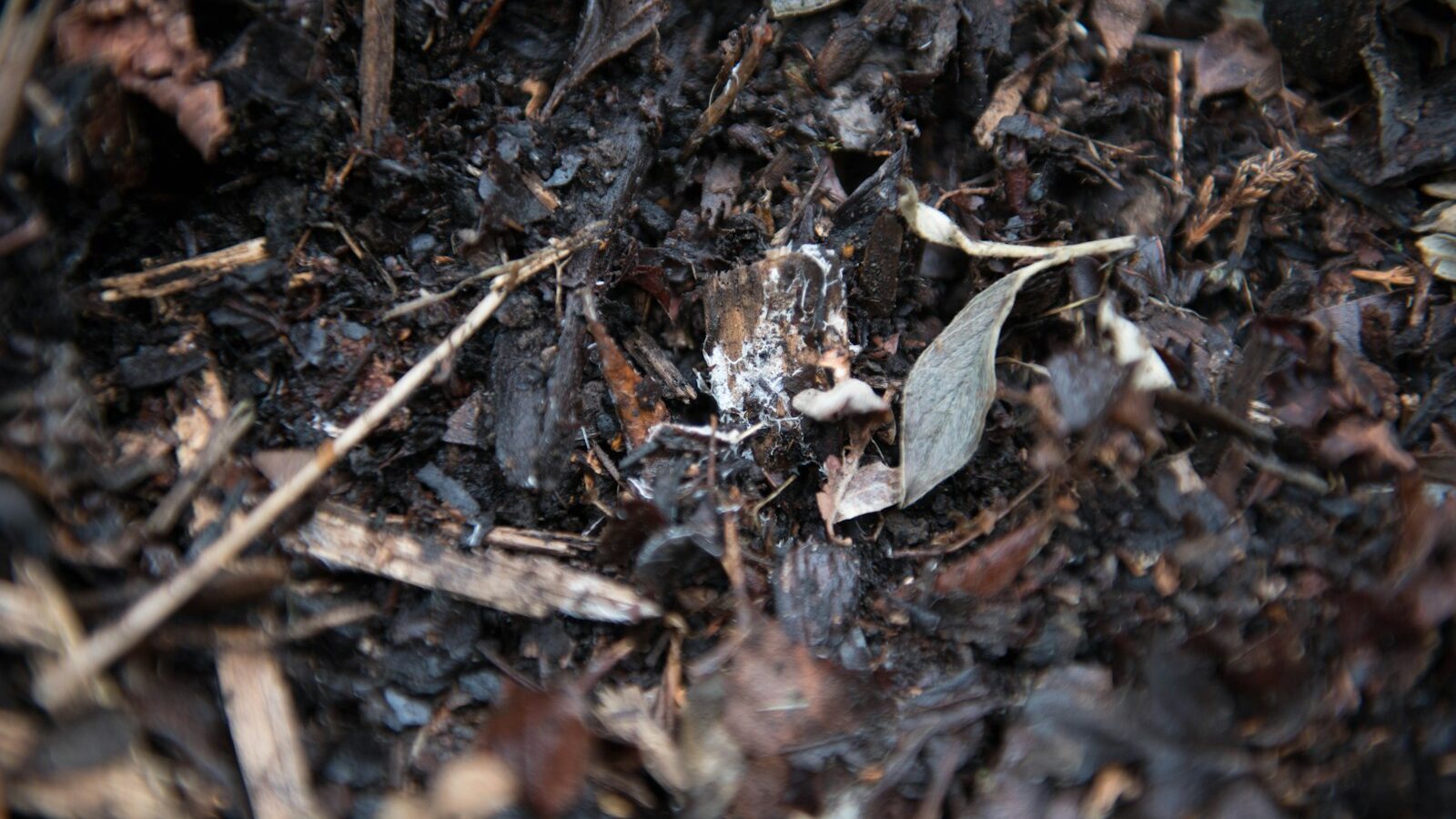
Walk into any garden center and you will see bags labeled “mushroom compost” sitting right next to plain “compost,” often at similar prices, with no explanation of how they differ. They are not the same product, and using mushroom compost where regular compost belongs can quietly sabotage acid-loving plants or scorch sensitive seedlings with excess salt. Mushroom compost, more accurately called spent mushroom substrate, is the leftover growing medium from commercial mushroom farms. Regular compost is decomposed yard and kitchen waste. Both improve soil, but they differ in pH, salt content, nutrient profile, and the situations where each works best. This guide lays out exactly what mushroom compost is, how it stacks up against ordinary compost, and how to choose the right one for your beds.
Key Takeaways
- Mushroom compost is spent mushroom substrate — used growing medium that is alkaline, salty when fresh, and mild in nutrients.
- Regular compost is decomposed yard and food waste — roughly neutral pH, more balanced nutrients, and safe for almost any plant.
- Mushroom compost’s high salts and alkaline pH make it a poor fit for seedlings, salt-sensitive plants, and acid-lovers like blueberries and azaleas.
- Mushroom compost is great for raising pH in acidic soil and for established beds and lawns; regular compost is the safer all-purpose choice.
- Both improve structure and water retention; the deciding factors are usually pH and salt sensitivity.
Mushroom Compost vs Regular Compost at a Glance
| Factor | Mushroom Compost | Regular Compost |
|---|---|---|
| What it is | Spent mushroom growing substrate | Decomposed yard/kitchen waste |
| pH | Alkaline (often 7.0-8.0) | Roughly neutral (6.5-7.5) |
| Salt content | High when fresh | Low |
| Nutrients | Mild, slow-release | More balanced, moderate |
| Water retention | Very high | High |
| Safe for seedlings | No, unless aged and diluted | Yes |
| Acid-loving plants | No | Yes |
| Best use | Raising pH, established beds, lawns | All-purpose soil building |
| Availability | Bagged or bulk near mushroom farms | Widely available, can make at home |
Mushroom Compost: The Spent Substrate
Mushroom compost is the byproduct of commercial mushroom farming. To grow mushrooms, farms create a rich, pasteurized substrate from materials like straw, hay, corn cobs, poultry or horse manure, gypsum, and sometimes peat or lime. After the mushrooms are harvested, that substrate is “spent,” meaning the mushrooms have consumed much of its readily available nutrients. It is then steam-sterilized and sold as mushroom compost or spent mushroom substrate. So despite the name, it is less a true compost and more a recycled growing medium.
Two characteristics define it. First, it is alkaline, often in the pH 7 to 8 range, because of the gypsum and lime used in production. Second, fresh mushroom compost can be high in soluble salts, a leftover of the production process. Those salts can dehydrate and damage tender plants, which is why fresh mushroom compost should be aged or weathered, ideally over a season or rinsed by rain, before going near sensitive crops. Its nutrient content is mild and slow-releasing since the mushrooms already took the easy nutrients, but it is rich in organic matter and holds water exceptionally well.
Where Mushroom Compost Excels
The alkalinity that makes mushroom compost risky for some plants is exactly what makes it valuable for others. If your soil is too acidic, mushroom compost is a useful way to nudge the pH upward while adding organic matter at the same time. It is excellent for established vegetable beds of pH-tolerant crops, for top-dressing lawns, and for plants that appreciate consistent moisture, thanks to its strong water-holding capacity. Brassicas, which actually prefer slightly alkaline soil, tend to do well with it.
Where it goes wrong is with the wrong plants. Keep mushroom compost away from acid-loving plants such as blueberries, azaleas, rhododendrons, camellias, and most conifers, because the high pH works directly against them. Avoid using it heavily around salt-sensitive plants, and never start seeds or pot up delicate seedlings in straight fresh mushroom compost, where the salts can stunt or kill them. The safe approach is to age it, blend it at no more than 25 to 50 percent with native soil or regular compost, and reserve it for tolerant, established plantings. If you are using it to adjust lawn soil, our outdoor living and lawn care guides walk through pH and top-dressing in more detail.
Regular Compost: The All-Purpose Builder
Regular compost is what most gardeners picture when they hear the word: decomposed organic matter from yard waste, leaves, grass clippings, kitchen scraps, and sometimes manure, broken down by microbes into a dark, crumbly, earthy humus. Its pH typically lands near neutral, somewhere around 6.5 to 7.5, which suits the vast majority of garden plants. Salt content is low, nutrients are more balanced than spent substrate, and it is safe to use on virtually anything without special precautions.
This versatility is regular compost’s biggest advantage. You can mix it into seed-starting media, blend it into potting soil, top-dress beds and lawns, use it as mulch, or work it into clay and sandy soils to improve structure and drainage. Because it is neutral and gentle, it will not throw off your soil pH or threaten salt-sensitive plants, and you can apply it generously without much risk of harm. It also feeds the soil food web, improving long-term soil health in a way that goes beyond simple nutrient addition.
How to Use Regular Compost
Spread a 1 to 3 inch layer over beds and work it into the top few inches, or leave it on top as a mulch for worms to incorporate. Blend it into potting mixes at roughly a quarter to a third by volume, use it to start seeds, and apply it to lawns as a thin top-dressing. The main limitation of regular compost is that homemade batches can vary in nutrient content and may not finish fully if the pile was not managed well, but a properly made or quality bagged compost is the most reliable, broadly safe soil amendment you can buy. For container growers and small-space gardeners, finished compost is the backbone of healthy mixes, a topic our urban gardening guides dig into.
Which Should You Choose?
The choice usually comes down to two questions: what is your soil pH, and how salt-sensitive are the plants you are feeding? Here is how to decide by scenario.
- You want one safe amendment for everything: Choose regular compost. Its neutral pH and low salt make it the foolproof all-purpose pick.
- Your soil is too acidic: Choose mushroom compost. It raises pH while adding organic matter, doing two jobs at once.
- You are starting seeds or potting up seedlings: Choose regular compost. Fresh mushroom compost’s salts can harm tender young plants.
- You are growing blueberries, azaleas, or other acid-lovers: Choose regular compost. Mushroom compost’s alkalinity directly works against them.
- You have established, pH-tolerant beds or a lawn to top-dress: Mushroom compost works well, especially aged, and its water retention is a bonus.
- You want to use mushroom compost safely on mixed plantings: Age it first, then blend it at 25 to 50 percent with regular compost or native soil rather than using it straight.
For the average gardener growing a mix of vegetables, flowers, and shrubs, regular compost is the smarter default because it cannot fight your soil pH or burn sensitive plants. Mushroom compost earns its place when you specifically need to raise pH, when you are working established beds of tolerant crops, or when you want its exceptional moisture-holding ability. If you do reach for mushroom compost, age it, dilute it, and keep it away from acid-lovers and seedlings, and it becomes a genuinely useful tool rather than a liability.
Test Before You Commit
The single most useful habit when deciding between these two is to know your soil pH before you add anything. An inexpensive soil test kit or a digital meter tells you whether your soil is already alkaline, in which case mushroom compost would push it further in the wrong direction for most plants, or genuinely acidic, where mushroom compost’s lift is helpful. Most common garden vegetables prefer a slightly acidic to neutral range of roughly 6.0 to 7.0, so if your soil already sits near or above neutral, regular compost is almost always the safer addition. Reserve mushroom compost for the cases where a test confirms you actually want to raise pH.
It is also worth understanding why source and freshness matter so much with mushroom compost. Different mushroom farms use different substrate recipes, so the salt content, nutrient level, and exact pH of bagged mushroom compost can vary from batch to batch. Fresh material straight off the farm carries the highest salt load, while product that has been stockpiled and weathered for months is much gentler. When buying in bulk, ask the supplier how long the material has been aged, and if in doubt, let it sit and weather in your own pile through a few rains before using it on anything you care about.
Finally, do not think of this as a permanent either-or decision. Many gardeners keep regular compost as their everyday workhorse and reach for a bag of mushroom compost only for specific jobs, such as sweetening an overly acidic bed, top-dressing a tired lawn, or boosting moisture retention in a fast-draining area. Matched to the right situation and handled with a little care, both products earn a place in the shed, with regular compost doing the bulk of the work and mushroom compost filling a more specialized niche.
Frequently Asked Questions
Is mushroom compost good for vegetables?
Yes, for many vegetables, especially pH-tolerant ones and brassicas that like slightly alkaline soil. But age it first to reduce salts and avoid using it straight or in large amounts on salt-sensitive crops. Blending it with regular compost or native soil is the safest approach.
Can I use mushroom compost for seedlings?
Not fresh and not straight. Its salt content can dehydrate and stunt tender seedlings. If you want to use it, make sure it has been well aged and weathered, then dilute it heavily with regular compost or seed-starting mix. Plain regular compost is the safer choice for starting seeds.
Why is my mushroom compost salty?
High soluble salt levels are a leftover of the mushroom-growing process, including added gypsum and the substrate materials. Fresh spent substrate often carries these salts. Aging it over a season or letting rain leach it reduces the salt content and makes it safer to use around plants.
Does mushroom compost raise or lower soil pH?
It raises pH because it is alkaline, typically in the 7 to 8 range, thanks to lime and gypsum used in its production. That makes it useful for correcting acidic soil but a poor choice around acid-loving plants like blueberries, azaleas, and rhododendrons.
Which is cheaper, mushroom or regular compost?
Prices are usually similar, though it varies by region. Mushroom compost is often more affordable in bulk near mushroom-farming areas. Regular compost has the edge of being something you can make at home for free from yard and kitchen waste, lowering its long-term cost considerably.