

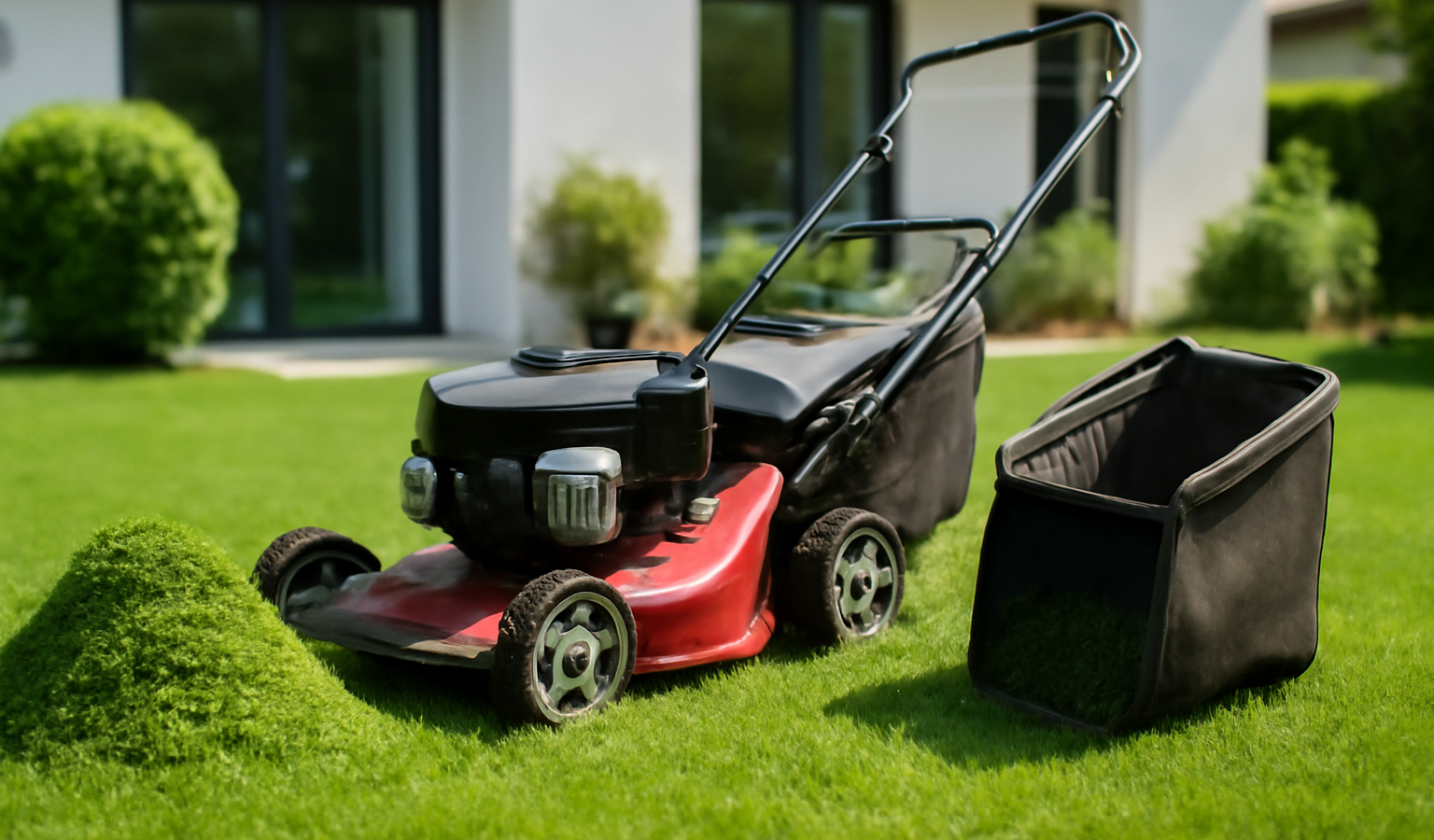
For a healthy lawn, mulch your clippings most of the time—it feeds the grass for free and does not cause thatch, despite the old myth. Bag only when you have a specific reason: the grass is too tall, it is wet and clumping, the lawn is diseased, or you are collecting clippings for compost. That is the evidence-based bottom line, and it overturns a generation of advice that told homeowners to rake and bag everything. Mulching means a mower (often with a special blade and no chute) chops clippings into fine pieces and drops them back into the turf, where they decompose. Bagging collects them into an attachment for disposal or composting. This guide compares the two on lawn health, thatch, fertilizer savings, time, and the specific situations where each makes sense, so you stop wasting nitrogen—and effort—hauling away grass your lawn wants back.
Key Takeaways
- Mulching is best most of the time: clippings return nitrogen, phosphorus, and potassium, cutting fertilizer needs by up to about 25%.
- Clippings do NOT cause thatch. They are ~85% water and break down within days; thatch comes from roots, stems, and over-fertilizing.
- Bag when grass is overgrown, wet and clumping, diseased, or you want clippings for compost or mulch elsewhere.
- Mulching saves time and money—no stopping to empty bags, no disposal, no buying as much fertilizer.
- The one-third rule matters: mulch works best when you mow often and remove no more than a third of the blade height.
| Factor | Mulching | Bagging |
|---|---|---|
| Lawn nutrition | Returns N-P-K; free feeding | Removes nutrients |
| Fertilizer savings | Up to ~25% less needed | None |
| Causes thatch? | No | No (but no benefit either) |
| Appearance | Clean if mowed often | Cleanest, manicured look |
| Time & effort | Faster, no emptying | Slower, frequent stops |
| Best for tall/wet grass | Poor (clumps) | Good |
| Disease spread | Can spread on sick lawns | Removes diseased material |
Mulching Clippings: Free Fertilizer for Your Lawn
Mulching (also called grasscycling) chops clippings into fine fragments and drops them into the turf canopy, where soil microbes break them down within days. Grass clippings are roughly 85% water and rich in nitrogen, along with phosphorus and potassium—the same nutrients you pay for in a bag of fertilizer. University turf research consistently finds that returning clippings can supply up to about 25% of a lawn’s annual nitrogen needs, meaning you can fertilize less and still keep the lawn green. Decomposing clippings also feed earthworms and soil microbes, building healthier soil over time, and the light layer helps retain moisture during hot spells.
The biggest myth about mulching is that it causes thatch. It does not. Thatch is the spongy layer of slow-to-decompose stems, crowns, and roots between the green grass and the soil—not clippings. Because clippings are mostly water and decompose quickly, they break down long before they could accumulate. Thatch problems come from overgrowth of roots and stems, excessive nitrogen fertilizing, and compacted soil, not from leaving clippings behind. If anything, mulching helps by feeding the microbes that decompose thatch.
Mulching works best when you mow regularly and follow the one-third rule—never cut more than a third of the blade height in one pass. Short clippings disappear into the lawn; long ones clump on the surface and can smother grass. Use a mulching blade (or a dedicated mulching mower) and mow when the grass is dry. Most modern mowers offer a mulch mode by plugging the discharge chute. Done right, mulching leaves no visible mess, saves you the time of emptying bags, and quietly fertilizes your lawn at no cost. If you are choosing a mower to do it well, our electric vs gas mower comparison covers what to look for.
Bagging Clippings: Clean Look and Disease Control
Bagging collects clippings as you mow, leaving the cleanest, most manicured finish—no fragments on the surface, no clumps, ideal for a putting-green look or before an event. It also has genuine practical uses. When grass has grown too tall (you skipped a week, or spring growth outran you) and you must remove more than a third of the height, the resulting clippings are long and heavy; mulching them just leaves smothering clumps, so bagging is the cleaner choice. The same goes for wet grass, which clumps and clogs the deck rather than dispersing.
The most important reason to bag is disease and weeds. If your lawn has an active fungal disease—brown patch, dollar spot, rust—mulching can spread the spores across the turf, so bagging and removing the infected clippings helps contain it. Likewise, if weeds have gone to seed, bagging keeps you from broadcasting those seeds back into the lawn. And if you compost or need mulch for garden beds, bagged grass clippings are a valuable, nitrogen-rich “green” material—just mix them with “browns” like leaves so they do not turn into a slimy mat.
The downsides are time, effort, and lost nutrients. You will stop repeatedly to empty the bag, then bag or haul the clippings for disposal, and every bag you remove is nitrogen leaving your lawn—nutrition you will likely replace with purchased fertilizer. As a default, full-time bagging is more work for less lawn health. Treat it as a tool for specific situations rather than your every-mow routine. If you do collect clippings, putting them to use in the garden beats sending them to the curb—they make excellent compost feedstock.
A quick word on side-discharge, the third option many mowers offer. Side-discharge flings clippings out the side of the deck rather than chopping them finely (mulching) or collecting them (bagging). It is fast and handles tall grass without clogging, but it leaves visible rows of clippings that you may need to rake, and it does not chop them as finely as a true mulching setup, so they decompose more slowly. For everyday mowing, mulching gives a tidier result and better nutrient return; reserve side-discharge for when grass is too tall to mulch cleanly but you do not want to stop and empty bags. Think of your three modes as a toolkit: mulch by default, bag for the special cases above, and side-discharge as a quick option for overgrown stretches.
Lawn Health, Thatch, and Effort Compared
On lawn health, mulching wins: it recycles nutrients, feeds soil life, and reduces fertilizer needs, while bagging steadily strips nutrition away. On thatch, it is a wash—neither causes it, and the persistent belief that clippings build thatch is simply wrong. On appearance, bagging gives the crispest immediate look, but a frequently mulched lawn looks just as clean because the short clippings vanish. On effort and cost, mulching is the clear winner: no stopping to empty bags, no disposal, less fertilizer to buy.
Bagging earns its keep in the edge cases—overgrown grass, wet conditions, active disease, weed seed-heads, and harvesting clippings for compost or garden mulch. The smartest approach is not one or the other but switching based on conditions: mulch as your standard practice, and reach for the bag when one of those specific triggers applies. Whichever you do, keep the blade sharp and mow dry; a torn, ragged cut from a dull blade stresses the lawn and invites disease regardless of what you do with the clippings.
Which Should You Choose?
For nearly every homeowner, the answer is “mulch by default, bag when there’s a reason.”
Mulch if you mow regularly, the grass is dry and within the one-third rule, your lawn is healthy, and you want to save fertilizer, time, and disposal effort. This should be your routine the vast majority of the time—it is the lower-work, healthier-lawn choice.
Bag if the grass got too tall and you must remove more than a third of its height, the lawn is wet and clumping, there is an active fungal disease or weeds gone to seed you want to remove, or you specifically want the clippings for compost or garden mulch. Also bag for that final ultra-clean cut before a wedding or party.
Best of both: set mulching as your standard and keep a bagging attachment on hand for the situations above. You get a healthier, free-fertilized lawn most of the year and a clean collection option when you actually need it. For more lawn-care guidance, browse our Outdoor Living hub.
Frequently Asked Questions
Do grass clippings cause thatch?
No—this is a persistent myth. Clippings are about 85% water and decompose within days. Thatch is the layer of slow-rotting roots, stems, and crowns, caused by overgrowth, excess nitrogen, and compaction, not by leaving clippings on the lawn. Mulching can actually help break thatch down.
How much fertilizer can mulching save?
University turf studies show returning clippings can supply up to roughly 25% of a lawn’s annual nitrogen, along with phosphorus and potassium. That can meaningfully reduce how much fertilizer you need to buy and apply while keeping the lawn green.
When should I bag instead of mulch?
Bag when grass is overgrown (you must remove more than a third of the height), wet and clumping, affected by an active fungal disease, full of weeds gone to seed, or when you want the clippings for compost or garden mulch. Otherwise, mulching is the better default.
Can I compost grass clippings?
Yes. Clippings are a nitrogen-rich “green” material for compost. Mix them with carbon-rich “browns” like dry leaves or shredded paper so they don’t form a slimy, smelly mat, and turn the pile to keep air flowing. Avoid composting clippings treated with herbicides.
Will mulching make my lawn look messy?
Not if you mow often and only cut a third of the blade height. Short clippings settle into the turf and disappear within a day or two. Messy clumps come from mowing tall or wet grass—in those cases, bag instead, then return to mulching once you’re back on schedule.