

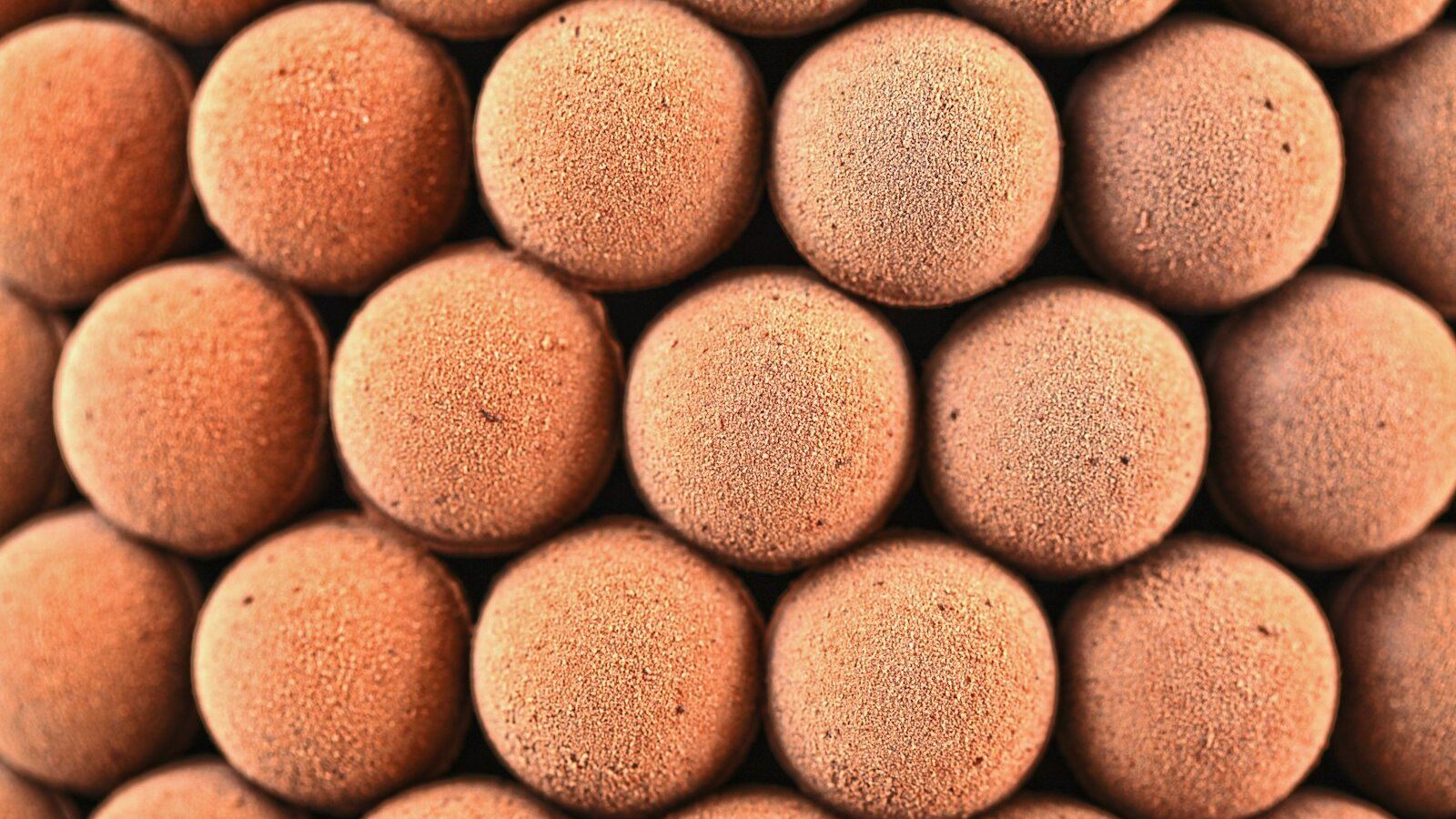
Semi-hydroponics grows plants in an inert clay aggregate called LECA instead of soil, with their roots wicking water and dissolved nutrients up from a shallow reservoir in the bottom of the pot. The payoff is fewer pests, no fungus gnats, almost impossible-to-overwater roots, and a watering schedule you can stretch to once every one to three weeks. The trade-off is a learning curve: you have to provide every nutrient yourself, manage water quality, and convert the plant carefully so it can grow the new water roots it needs. This guide walks through exactly how to set up a LECA system, convert a soil-grown houseplant without killing it, mix and refresh the nutrient solution, and troubleshoot the problems that trip up most beginners.
Key Takeaways
- LECA is inert — it holds zero nutrients, so you must add a complete hydroponic fertilizer to every reservoir fill.
- The reservoir should fill the bottom 1/4 to 1/3 of the pot, never touching the base of the plant — LECA wicks moisture up to the roots.
- Conversion takes 2–6 weeks while the plant grows new water-adapted roots; expect some old soil roots to die back.
- Use pH 5.5–6.5 water with a diluted nutrient solution; flush the system fully every 2–4 weeks to prevent salt buildup.
- Pothos, philodendron, monstera, hoya and most aroids convert easily; fussy or fine-rooted plants like ferns and calatheas are harder.
What Is LECA and How Semi-Hydroponics Works
LECA stands for Lightweight Expanded Clay Aggregate — small clay balls fired in a rotary kiln until they puff up with a honeycomb of internal air pockets. Those pockets are the whole point: the clay wicks water upward by capillary action while still holding huge volumes of air around the roots. That combination of constant moisture and constant oxygen is what makes it nearly impossible to suffocate roots the way wet soil does.
Despite the “hydroponics” name, this is technically a passive, semi-hydroponic (or “semi-hydro”) method. There is no pump, air stone, or recirculation like you would find in a true deep water culture system. Instead, the plant sits in a net or inner pot of LECA, which stands in a reservoir of nutrient water filling roughly the bottom third of the outer container. The roots that reach the water drink directly; the roots in the moist upper LECA breathe. Because LECA is fired clay, it contributes no nutrients at all — everything the plant eats has to come from the fertilizer you dissolve in the water.
What You Need to Get Started
- LECA balls — sold by the liter or kilogram; a 2.5 kg bag fills two or three 4-inch pots.
- A net pot or inner pot with side and bottom holes, plus a watertight outer cache pot (or a single self-watering pot with a water-level indicator).
- A hydroponic nutrient — a complete two-part formula (e.g., General Hydroponics Flora series) or a one-part houseplant hydro fertilizer. Standard soil fertilizers do not supply calcium and magnesium correctly for water culture.
- A pH test kit (drops or a digital meter) and pH Down / pH Up if your tap water runs alkaline.
- Optional but useful: a TDS/EC meter to measure nutrient strength, and a small amount of hydrogen peroxide for rinsing roots.
A water-level indicator stick is the single most beginner-friendly upgrade. It floats on the reservoir and shows min and max marks through a window in the pot, so you stop guessing how much water is left.
Preparing the LECA
New LECA arrives coated in fine clay dust that will cloud your reservoir and clog the wicking pores if you skip this step. Rinse it.
- Rinse until clear. Put the balls in a colander or bucket and run water through them, swirling and pouring off the cloudy runoff. Repeat five or six times until the water runs nearly clear.
- Soak for 24 hours. Cover the clean balls with water and let them fully saturate. Dry LECA can’t wick, and freshly soaked LECA gives the plant an immediate moisture buffer.
- Optional pre-charge. Some growers soak the final batch in a weak nutrient solution at pH 5.5–6.5 so the clay’s surface is conditioned before planting.
You only have to do the heavy rinsing once per batch. LECA is reusable for years — when you repot, just rinse and, if you want, boil or soak it in a 1:10 hydrogen-peroxide solution to sterilize before reuse.
How to Convert a Soil Plant to LECA: Step by Step
This is the make-or-break stage. The goal is to remove every speck of soil — leftover organic matter will rot underwater and breed bacteria — without shredding the root system, then give the plant time to grow new water-adapted roots.
- Unpot and loosen. Slide the plant out and gently break apart the root ball with your fingers. Work over a sink or newspaper.
- Soak the roots. Submerge the root mass in a bowl of lukewarm water for 10–20 minutes to soften compacted soil, then swish to release it.
- Rinse thoroughly. Run lukewarm water over the roots, teasing out every clump. Old potting soil clings stubbornly in the crown — keep going until the roots are bare and clean. A quick final dip in water with a capful of 3% hydrogen peroxide helps kill lingering soil pathogens.
- Trim damaged roots. Snip away any mushy, brown, or rotted roots with clean scissors. Healthy roots are firm and pale.
- Set the plant in LECA. Add a 1–2 inch base layer of soaked LECA to the inner pot, hold the plant at its original soil line, and pour LECA around the roots until they’re supported and the crown sits just above the clay. Don’t bury the stem.
- Fill the reservoir. Pour plain pH-adjusted water into the outer pot until it reaches the bottom quarter to third of the inner pot — never up to the crown. For the first 2–4 weeks, many growers use plain water or quarter-strength nutrients while new roots form.
Expect a transition period. The plant’s old soil roots may shrivel because they aren’t built for constant water, and you’ll see new, often whiter and crisper water roots emerge from the base. Some leaf droop or a paused growth spurt for a few weeks is normal. A plant that converts cleanly will perk up and push fresh growth once water roots establish, usually within four to six weeks.
Nutrients, Water Quality and pH
Choosing and Mixing Fertilizer
Because LECA feeds the plant nothing, your nutrient solution is the entire diet. Use a complete hydroponic fertilizer that includes nitrogen, phosphorus, potassium, plus calcium, magnesium, and micronutrients. For foliage houseplants, mix to roughly half the bottle’s recommended strength — most labels are written for fast-growing vegetables and will be too strong for a slow pothos. If you own a TDS meter, aim for about 400–700 ppm (EC ~0.8–1.4) for typical foliage plants; lighter for seedlings and sensitive species.
Getting pH Right
In water culture, pH controls whether roots can actually absorb the nutrients you added. The target window is pH 5.5–6.5. Tap water often sits at 7.5–8.5, which locks out iron and other micronutrients and causes yellowing even with plenty of fertilizer in the water. Test the mixed solution, then adjust down with a few drops of pH Down (phosphoric acid) until you land in range. Mix the fertilizer first, then adjust pH — the nutrients shift the reading.
If your tap water is heavily chlorinated or very hard, let it sit out overnight, use filtered water, or switch to rainwater. Distilled or RO water has no mineral buffer, so pH swings fast — fine to use, just check more often.
Ongoing Care: Topping Up and Flushing
Day to day, LECA is low effort. Let the reservoir drop and the lower LECA begin to dry before refilling — this draws fresh air down to the roots. Depending on pot size, light, and humidity, that’s typically every 1–3 weeks. Refill to the same bottom-third mark with fresh nutrient solution.
The critical maintenance task is the flush. As water evaporates and roots drink, mineral salts concentrate in the LECA and reservoir; left alone they build up, raise the EC to harmful levels, and leave white crust on the clay. Every 2–4 weeks, run plain pH-adjusted water through the whole system — pour it through the top of the LECA until it drains clear out the bottom, or lift the inner pot and rinse it under the tap. Then refill with fresh solution. This single habit prevents most long-term LECA problems. Small-space growers managing several plants on a shelf find this much cleaner than soil; if you’re building out a balcony or windowsill collection, our urban gardening guides cover containers and light for the same setups.
Best (and Worst) Plants for LECA
Forgiving, vigorous, thicker-rooted plants transition best. Strong candidates include pothos, heartleaf and other philodendrons, monstera, hoyas, syngonium, scindapsus, spider plants, peace lilies, ZZ plants, and most aroids. These shrug off the root rebuild and often grow faster in LECA than in soil.
Trickier plants include calatheas and marantas (fussy about water quality and humidity), ferns (fine roots dislike the dry-down cycle), and most succulents and cacti, which are adapted to drought and resent constant moisture at the roots. Beginners should cut their teeth on a cheap pothos cutting before committing a prized plant.
Troubleshooting Common LECA Problems
- Yellowing leaves: usually pH out of range (locking out iron) or nutrients too weak. Test pH, correct to 5.5–6.5, and confirm you’re actually adding fertilizer to every fill.
- Brown crispy leaf tips: salt buildup or solution too strong. Flush thoroughly and mix the next batch weaker.
- Mushy, smelly roots: leftover soil rotting in the reservoir, or the water level was too high and drowned the crown. Re-rinse roots, trim rot, lower the water line to the bottom third.
- Algae on the LECA: harmless but ugly green slime from light hitting nutrient water. Use an opaque outer pot and keep the reservoir below the LECA surface.
- No new growth for weeks: normal during conversion. As long as roots look healthy, be patient — water roots can take 4–6 weeks to take over.
Frequently Asked Questions
How often do I water plants in LECA?
Top up the reservoir when it runs low and the bottom LECA starts to dry, typically every one to three weeks depending on pot size, light, and humidity. Always let it dry down a little before refilling so fresh air reaches the roots.
Can I use regular potting fertilizer with LECA?
It’s not ideal. Soil fertilizers assume the soil supplies calcium, magnesium, and micronutrients. In inert LECA the plant gets nothing but what you add, so use a complete hydroponic nutrient that includes cal-mag and trace elements.
Why are my plant’s old roots dying after switching to LECA?
Soil roots and water roots have different structures. When you convert, many soil-adapted roots die back while the plant grows new water roots better suited to constant moisture. As long as the new roots look firm and white, this is a normal part of conversion.
Do I have to rinse new LECA before using it?
Yes. Fresh LECA is coated in clay dust that clouds the reservoir and clogs the wicking pores. Rinse until the water runs clear, then soak it for 24 hours so it can wick moisture from the first day.
Is LECA better than soil for houseplants?
It depends on your goals. LECA eliminates fungus gnats, makes overwatering nearly impossible, and stretches watering intervals, but it demands consistent nutrient and pH management. Soil is more forgiving on feeding but more prone to pests and rot. Many growers use LECA for aroids and soil for fussier or drought-loving plants.
LECA rewards a methodical setup: rinse and soak the clay, convert the plant with clean bare roots, keep the reservoir at the bottom third, feed a balanced hydroponic nutrient at pH 5.5–6.5, and flush every few weeks. Get those habits down on an easy plant first, and you’ll have a low-pest, low-mess growing system that’s hard to overwater and easy to scale across a whole shelf.