

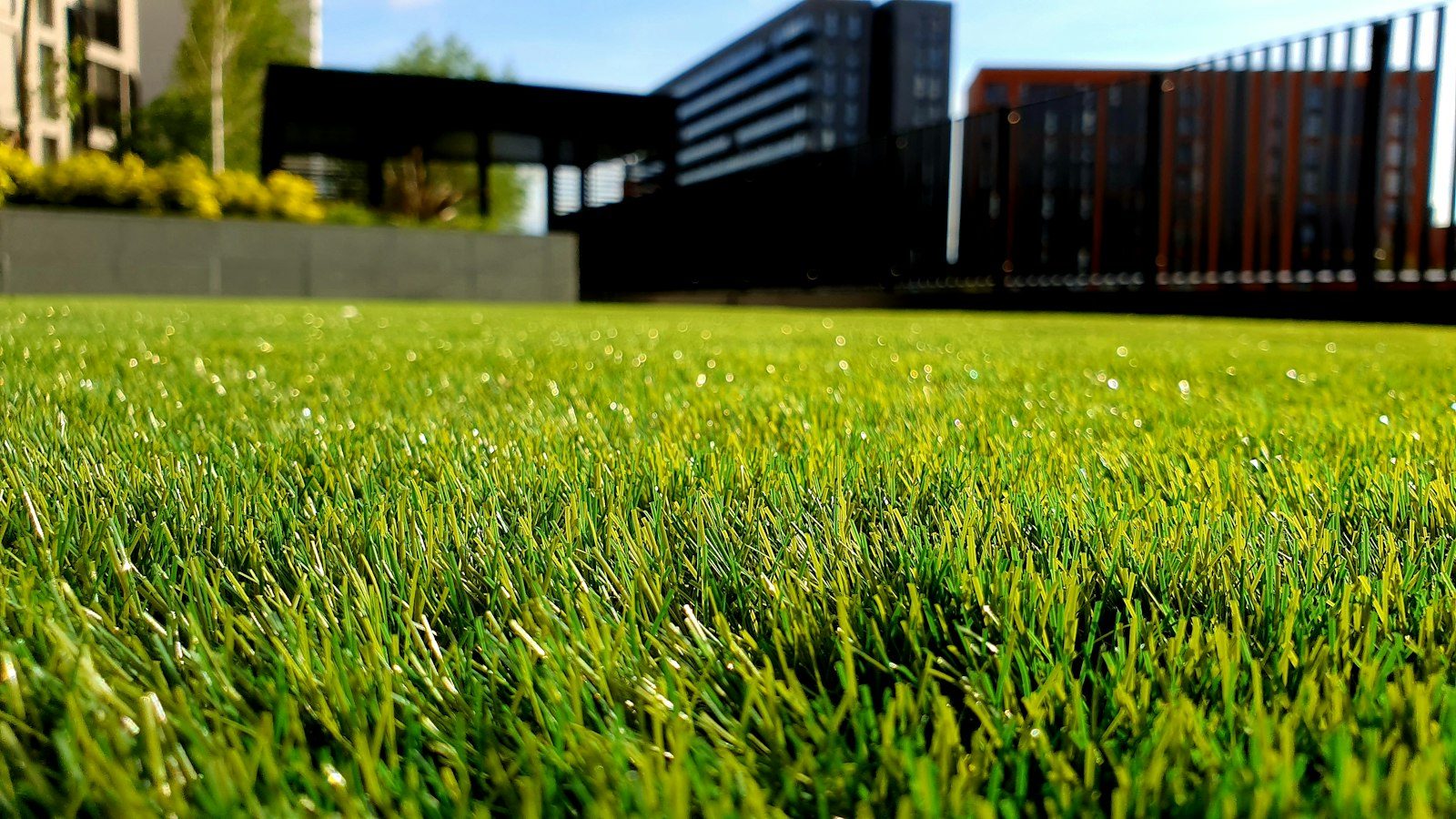
Professional overseeding of an existing lawn typically runs a few hundred dollars for a small yard to roughly $500 to $2,000 for a quarter-acre, and more on larger lots, depending on whether the crew just broadcasts seed or also core-aerates or slit-seeds. Seeding a brand-new lawn costs more because of soil prep: expect typical ranges of about $0.10 to $0.40 per square foot for a seeded installation with grading and amendment, with hydroseeding often in a similar or slightly lower band on larger areas. The rest of this guide breaks those numbers down by method and square footage so you can sanity-check any quote.
Part of our Lawn Care guide →
In this guide
Key Takeaways
- Overseeding is priced mostly per 1,000 sq ft and depends on the method: broadcast, aeration plus seed, or slit seeding.
- New lawns cost more because of grading, topsoil, starter fertilizer and debris removal.
- Hydroseeding becomes cost-effective on larger, open areas and slopes.
- Seed quality, lawn size, access and your region move the price the most.
- Ask for seed species, rate and germination guarantees in writing.
Overseeding vs. Seeding a New Lawn
Overseeding adds seed to a lawn that is thin but alive, filling bare spots and introducing better grass varieties without tearing anything out. Seeding a new lawn starts from bare soil, either after construction, after killing an old weedy lawn, or when grading has changed. The cost gap between the two is mostly labor and materials for soil preparation, not the seed itself. If you are unsure which your lawn needs, our explainer on overseeding vs. reseeding a lawn lays out the decision, and our lawn care guide covers the full seasonal program.
Typical Costs by Method
These are typical US ranges for professional work. Local labor rates, seed prices and how busy crews are in fall all shift them, so treat them as a starting point for comparing quotes, not a price list.
| Method | What it includes | Typical range | Best for |
|---|---|---|---|
| Broadcast overseeding | Mowing low, spreading seed, sometimes starter fertilizer | About $0.03–$0.08 per sq ft | Slightly thin lawns with loose soil |
| Core aeration + overseeding | Aerating to pull soil plugs, then seeding and fertilizing | About $0.05–$0.15 per sq ft | Compacted lawns, most cool-season renovations |
| Slit seeding (power seeding) | Machine cuts grooves and drops seed into them | About $0.08–$0.20 per sq ft | Thin lawns needing high germination |
| Hydroseeding | Spraying a slurry of seed, mulch, fertilizer and tackifier | About $0.08–$0.25 per sq ft | Large open areas, slopes, erosion control |
| New lawn from seed (full install) | Removal of old turf or debris, grading, topsoil or compost, seeding, straw or mulch | About $0.10–$0.40+ per sq ft | Bare lots, full renovations |
Many companies also set a minimum job charge, so small yards often pay more per square foot than the table suggests. Aeration and overseeding are frequently bundled as a fall package, sometimes with a discount if you sign up for ongoing fertilization.
Cost by Lawn Size
Applying those per-square-foot ranges to common lot sizes gives the following rough totals. Real quotes cluster toward the low end for large, open, flat lawns and toward the high end for small, fenced or sloped ones.
| Lawn size | Aeration + overseeding | Slit seeding | New lawn from seed |
|---|---|---|---|
| 2,500 sq ft (small yard) | About $150–$375, often a minimum charge | About $200–$500 | About $250–$1,000 |
| 5,000 sq ft | About $250–$750 | About $400–$1,000 | About $500–$2,000 |
| 10,000 sq ft (about 1/4 acre) | About $500–$1,500 | About $800–$2,000 | About $1,000–$4,000 |
| 21,780 sq ft (1/2 acre) | About $1,100–$3,300 | About $1,700–$4,400 | About $2,200–$8,700+ |
| 43,560 sq ft (1 acre) | About $2,200–$6,500 | About $3,500–$8,700 | About $4,400–$17,000+ |
Free, no-obligation quote · Connect with a local pro
What Drives the Price
Lawn size and access
Equipment like aerators and slit seeders needs a gate wide enough to pass through, often 36 inches or more. Narrow side yards, steps, steep slopes and lots of obstacles such as beds, trees and play sets slow the crew and raise the price. Large open lawns get the best per-square-foot rate.
Seed type and quantity
Seed is a modest part of most overseeding bills, but it matters more on new lawns. Tall fescue and perennial ryegrass are seeded at relatively heavy rates, while Kentucky bluegrass seed is pricier per pound but used at lower rates. Warm-season seed such as Bermuda is sown at low rates; centipede and zoysia seed can be costly and slow to establish. Certified, weed-free blends from known suppliers cost more than generic mixes and are worth it. Adding a little microclover is also an option; see our roundup of the best clover seed for lawns.
Soil preparation
For new lawns, prep is the biggest variable. Killing and removing an old lawn, hauling debris, rough grading to move water away from the house, bringing in topsoil, tilling in compost and fine raking can each be line items. A soil test and lime or sulfur to adjust pH add a small cost but improve results.
Extras
- Dethatching before seeding when thatch is over half an inch thick.
- Starter fertilizer and, sometimes, a seed-safe pre-emergent.
- Straw, erosion blankets or hydromulch on slopes.
- Follow-up visits to re-seed thin spots, often included in a guarantee.
- Temporary irrigation, or sprinkler adjustments to cover new seed.
Region and timing
Labor costs are higher in major metro areas and the Northeast and West Coast. Cool-season lawns in the North are best seeded from late August to early October, and crews book up during that window. Warm-season lawns in the South are seeded in late spring and early summer. Asking for a quote in early summer for fall work can help you get on the schedule. Spring seeding of cool-season grass is possible but riskier, because young seedlings face summer heat and crabgrass competition before they mature, and some companies price in a higher chance of a return visit.
Overseed or Start Over? How the Choice Affects Cost
The cheapest option is the one that actually fixes the problem. Overseeding makes sense when at least half the lawn is still desirable grass, weeds are manageable, and the soil grade is acceptable. In that case, aeration plus overseeding for two consecutive falls often thickens a lawn dramatically for a fraction of the cost of a new install.
Starting over is worth the higher price when the lawn is mostly weeds or a grass type you do not want, when there are large bare areas, when the yard drains toward the house, or when the soil is construction fill with little organic matter. Paying to overseed into those conditions year after year costs more in the long run than doing the soil work once.
| Lawn condition | Usual recommendation | Relative cost |
|---|---|---|
| Thin in spots, mostly good grass | Broadcast or aeration + overseeding | Low |
| Thin overall, compacted soil | Core aeration or slit seeding, repeat next year if needed | Low to moderate |
| Half or more weeds, wrong grass type | Kill, renovate and reseed | Moderate to high |
| Bare soil, poor grade or fill | Full new lawn installation with soil work | High |
Warm-season lawns behave differently. Bermuda and zoysia spread by runners and often recover from thin spots on their own with good fertilization and watering, so paying for overseeding is less common in the South. Southern homeowners who want winter color sometimes pay for overseeding dormant Bermuda with annual ryegrass, which is a seasonal, repeat cost rather than a permanent fix.
DIY Cost Comparison
Doing it yourself mainly saves labor. For a typical overseeding job you will need seed, starter fertilizer, and either a rented core aerator or slit seeder from an equipment rental shop, usually charged by the half day or day. A drop or broadcast spreader is worth owning. For a 5,000 square foot lawn, a DIY aeration and overseeding project often costs a fraction of a professional job, but it means a heavy machine, a truck or trailer to move it, and a full weekend of work. Our guide on how to overseed a lawn covers the steps.
The hidden DIY cost is failure. Seed spread on thatch, sown at the wrong time, or allowed to dry out after germinating simply dies, and you pay twice. Professional slit seeding generally produces better seed-to-soil contact than hand broadcasting.
Free, no-obligation quote · Connect with a local pro
How to Compare Quotes
- Seed: Ask for the species and blend, the seeding rate per 1,000 square feet, and whether seed is certified.
- Method: Broadcast only, core aeration, or slit seeding? These are very different services.
- Inputs: Is starter fertilizer included? Lime? Straw or mulch?
- Guarantee: Will they return to reseed thin areas if germination is poor, and under what watering conditions?
- Watering plan: Who waters, how often, and for how long? Most failures come from inconsistent watering in the first three to four weeks.
- Timing: Make sure seeding is scheduled within the right window for your grass type.
Making the Investment Pay Off
Whatever you pay, aftercare decides the result. Keep the seedbed moist with light watering once or twice a day until seedlings are up, then shift to deeper, less frequent watering. Hold off mowing until new grass is 3 to 4 inches tall, and keep foot traffic and pets off for several weeks. Skip broadleaf weed killers until the new lawn has been mowed several times, and do not apply standard crabgrass pre-emergents in the same season you seed unless the product is labeled as safe for new seed.
A lawn that was thin because of shade, compaction or poor drainage will thin again if those causes are not addressed. Raise tree canopies, aerate compacted soil annually, and choose shade-tolerant seed blends where sunlight is limited. Spending a little on these fixes protects the larger seeding investment.
Frequently Asked Questions
How much does it cost to overseed a lawn?
Typical professional overseeding runs roughly $0.03 to $0.20 per square foot depending on method, from simple broadcasting to slit seeding. Many companies have a minimum charge for small yards.
Is it cheaper to seed or sod a new lawn?
Seeding is almost always cheaper than sod for the same area, often by a wide margin. Sod gives an instant lawn and fewer weed problems, while seed takes a season to fill in but offers more variety choices.
Is aeration and overseeding worth the cost?
For compacted or thinning cool-season lawns, yes. Aeration relieves compaction and creates holes where seed can contact soil, which improves germination compared with broadcasting alone.
When is the best time to pay for overseeding?
For cool-season grasses, late summer to early fall. For warm-season grasses, late spring to early summer. Booking early helps you get on a crew’s schedule during the busy fall window.
How much does hydroseeding cost compared with regular seeding?
Hydroseeding often falls in a similar per-square-foot range to a full seeded installation, and it becomes more cost-effective on large areas and slopes where its mulch layer helps prevent erosion. Small yards often hit a minimum charge.
Get free quotes from local pros
Compare overseeding and new-lawn quotes from lawn care companies near you before the fall seeding window fills up.