

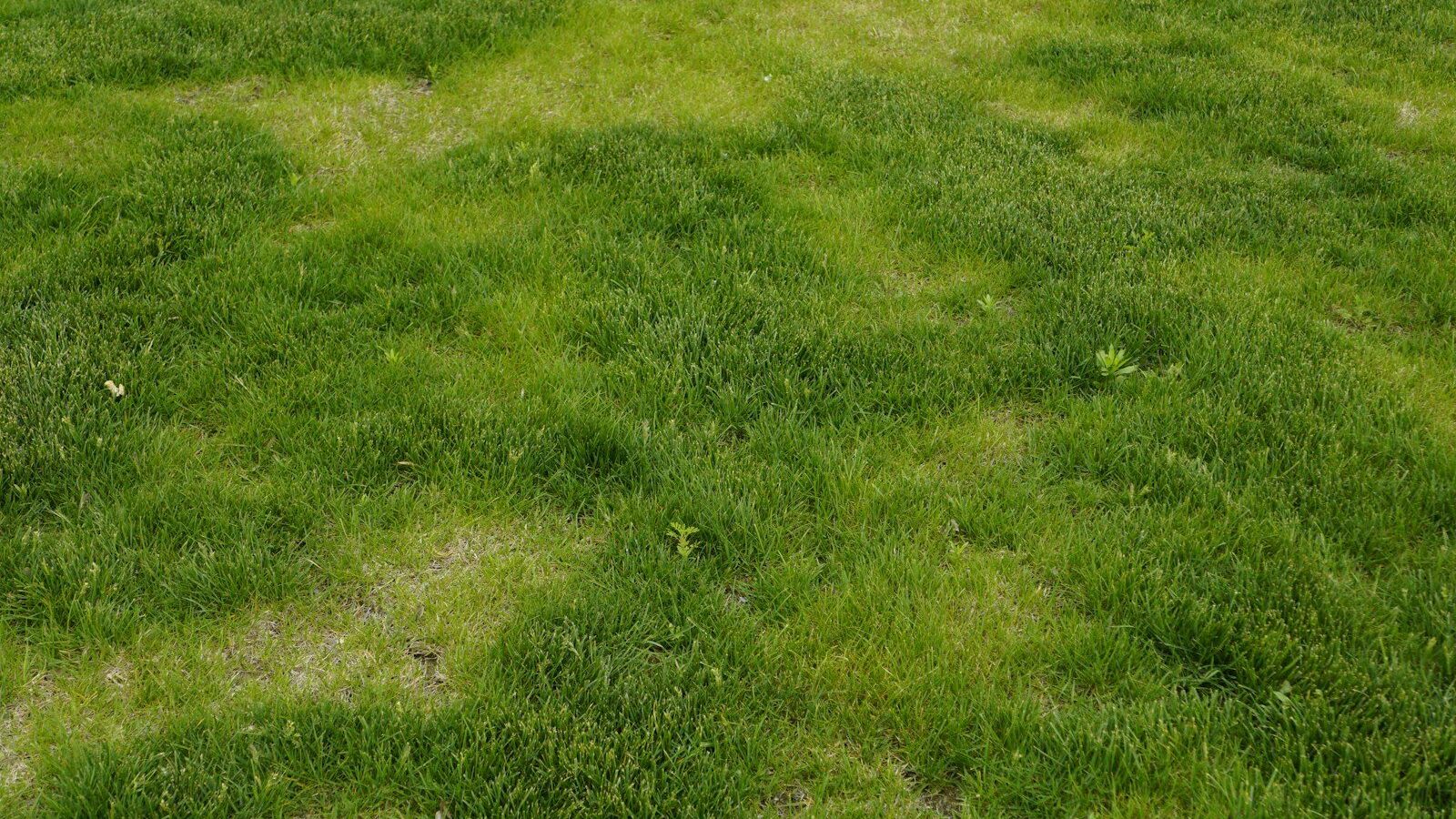
Identifying a lawn weed correctly is most of the battle, because the right control depends on what type it is. Lawn weeds fall into three groups: grassy weeds such as crabgrass, foxtail and annual bluegrass, which look like grass but grow differently; grass-like sedges such as yellow nutsedge, which have triangular stems and need their own herbicides; and broadleaf weeds such as dandelion, clover, plantain, chickweed and creeping Charlie, which have wide leaves and visible veins. Annual weeds are best stopped with a pre-emergent before they sprout; perennial weeds need a post-emergent or digging once they appear. Below is a description-based ID guide to the most common US lawn weeds, what each looks like, when it shows up, and how to control it.
Part of our Lawn Care guide →
In this guide
Key Takeaways
- Sort the weed first: grassy weed, sedge or broadleaf. Each needs a different product.
- Annual weeds (crabgrass, chickweed, henbit, spurge) are best prevented with pre-emergents timed to soil temperature.
- Perennial weeds (dandelion, clover, plantain, creeping Charlie, nutsedge) need post-emergent treatment or removal of the roots.
- Fall is the best time to spray most perennial broadleaf weeds, when they pull herbicide down to their roots.
- Many weeds point to an underlying problem such as low mowing, compaction, shade, poor drainage or low nitrogen.
How to Identify Any Lawn Weed
Pull or dig up one plant and look closely. Ask four questions:
- Leaf shape: narrow and blade-like with parallel veins (grassy weed or sedge), or broad with branching veins (broadleaf)?
- Stem: round and hollow (grass) or triangular and solid, so it feels like it has edges when rolled between your fingers (sedge)?
- Growth habit: clumping, spreading by runners, forming a rosette, or creeping along the ground?
- Timing: when did it appear? Spring and summer annuals, winter annuals and perennials are treated differently.
Grassy Weeds
Crabgrass
Looks like: light green, coarse, wide-bladed grass that grows low and sprawls outward from a central point like crab legs, with seed heads of finger-like spikes in late summer. When: germinates in spring when soil hits about 55°F and dies at first frost. Control: apply a pre-emergent in early spring before germination, often when forsythia blooms; dig or treat young plants with a crabgrass-labeled post-emergent. Mowing at 3 to 4 inches shades out seedlings. See our full guide on how to get rid of crabgrass.
Annual Bluegrass (Poa annua)
Looks like: soft, light green clumps with boat-shaped leaf tips and small whitish seed heads that appear even at low mowing heights. When: germinates in late summer and fall, seeds heavily in spring, then often dies out in summer heat, leaving bare spots. Control: a pre-emergent in late summer, before fall germination; improve drainage and avoid overwatering, since it loves moist, compacted soil.
Foxtail and Goosegrass
Looks like: foxtail has bristly, cylindrical seed heads; goosegrass forms a flat, dark green rosette with silvery-white centers and zipper-like seed heads. When: summer annuals, germinating a little later than crabgrass. Control: pre-emergents, applied a bit later for goosegrass, and core aeration, because goosegrass thrives in compacted soil along paths and driveways.
Quackgrass and Bermudagrass in Cool-Season Lawns
Looks like: quackgrass has bluish-green blades with small claw-like auricles that wrap the stem and spreads by tough white rhizomes; Bermudagrass is fine-textured and gray-green, spreading by both above-ground runners and rhizomes, and turns tan in winter while the rest of a cool-season lawn stays green. When: both are perennial and spread aggressively through summer. Control: no selective herbicide removes quackgrass from a cool-season lawn cleanly, so the usual fix is spot-treating patches with a non-selective herbicide and reseeding. For Bermuda invading fescue or bluegrass, repeated applications of selective products labeled for it can suppress it over a season or two.
Sedges
Yellow Nutsedge
Looks like: shiny, yellow-green upright blades that grow faster than the lawn, so it pokes up a few days after mowing. Triangular stem; small tubers (nutlets) on the roots. When: emerges in late spring, peaks in summer, especially in wet areas. Control: do not pull it, which leaves nutlets behind and spurs more shoots. Use a sedge-specific herbicide in early summer before plants produce new tubers, and fix poor drainage. Ordinary broadleaf killers do not affect it.
Broadleaf Weeds
Dandelion
Looks like: a flat rosette of deeply toothed leaves, hollow stems with bright yellow flowers that turn into round white seed heads. Long taproot. When: perennial; flowers heavily in spring and again in fall. Control: dig out the whole taproot with a weeding tool when soil is moist, or spot-treat with a selective broadleaf herbicide, ideally in fall. Our guide on how to get rid of dandelions covers both methods.
White Clover
Looks like: three rounded leaflets, often with a pale chevron, on creeping stems that root at the nodes, with white pom-pom flowers. When: perennial, spreading in spring and summer. Control: clover thrives in low-nitrogen soil, so regular feeding helps grass outcompete it; spot-treat with a broadleaf herbicide labeled for clover. Many homeowners now keep clover deliberately for its drought tolerance and nitrogen fixing; see how to plant a clover lawn if you would rather encourage it.
Broadleaf and Buckhorn Plantain
Looks like: broadleaf plantain has oval, ribbed leaves in a flat rosette with pencil-like seed spikes; buckhorn has narrow, lance-shaped ribbed leaves. When: perennial, common in compacted soil. Control: dig young plants, spot-spray with a broadleaf herbicide, and aerate compacted areas.
Creeping Charlie (Ground Ivy)
Looks like: scalloped, round, bright green leaves on square stems that creep and root along the ground, small purple-blue funnel-shaped flowers in spring, and a minty smell when crushed. When: perennial, loves shade and moist soil. Control: one of the toughest lawn weeds. Use a broadleaf herbicide containing triclopyr or similar actives labeled for ground ivy, applied in fall, often in two rounds. Improve light and drainage, or replace grass in deep shade with a ground cover.
Common Chickweed
Looks like: small, oval, pointed leaves in pairs on sprawling stems with tiny white star-shaped flowers. Mouse-ear chickweed is fuzzy and perennial. When: common chickweed is a winter annual, germinating in fall and flowering in early spring. Control: a pre-emergent in late summer; hand pull or spot-spray in fall or early spring.
Henbit and Purple Deadnettle
Looks like: square stems with scalloped leaves and small pink-purple flowers; deadnettle’s top leaves are purplish and triangular. When: winter annuals, conspicuous in early spring. Control: a pre-emergent in early fall stops next year’s crop; existing plants die on their own as summer heat arrives.
Prostrate Spurge
Looks like: a flat mat of small oval leaves, often with a reddish spot, on pinkish stems that ooze milky sap when broken. When: summer annual, thriving in hot, thin, dry spots along sidewalks and driveways. Control: a pre-emergent in late spring; pull before it sets seed; thicken the turf.
Wild Violet
Looks like: heart-shaped, glossy leaves with purple, blue or white flowers in spring, spreading by thick rhizomes. When: perennial, loves shade. Control: waxy leaves resist herbicide; use a triclopyr-containing product in fall, with repeated treatments, or dig out the rhizomes.
Black Medic
Looks like: often mistaken for clover, with three leaflets, but the middle leaflet sits on a short stalk and the flowers are tiny yellow clusters that ripen into black seed pods. When: annual or short-lived perennial, common in dry, compacted, low-nitrogen soil in summer. Control: treat like clover: feed the lawn, aerate, and spot-treat with a broadleaf herbicide if needed.
Quick Reference Table
| Weed | Type | Life cycle | Best control timing |
|---|---|---|---|
| Crabgrass | Grassy | Summer annual | Pre-emergent in early spring |
| Annual bluegrass | Grassy | Winter annual | Pre-emergent in late summer |
| Yellow nutsedge | Sedge | Perennial | Sedge herbicide in early summer |
| Dandelion | Broadleaf | Perennial | Dig or spray in fall |
| White clover | Broadleaf | Perennial | Feed lawn; spray in fall |
| Plantain | Broadleaf | Perennial | Spray spring or fall; aerate |
| Creeping Charlie | Broadleaf | Perennial | Fall herbicide, repeated |
| Chickweed | Broadleaf | Winter annual | Pre-emergent late summer |
| Henbit | Broadleaf | Winter annual | Pre-emergent early fall |
| Prostrate spurge | Broadleaf | Summer annual | Pre-emergent late spring |
| Wild violet | Broadleaf | Perennial | Fall herbicide, repeated |
Choosing the Right Control
Match the product to the weed and to your grass. Pre-emergents stop seeds germinating but do nothing to established weeds, and they will also stop grass seed, so do not use them where you plan to overseed. Selective post-emergents kill broadleaf weeds without harming most lawn grasses, but some are not safe on St. Augustine or centipede; always check the label. Non-selective products such as glyphosate kill everything green and are for spot use or renovation only. Our explainers on pre-emergent vs post-emergent herbicide and the best weed killers roundup help you choose products.
Spray on a calm day when temperatures are roughly 60 to 85°F and no rain is expected for 24 hours, and avoid mowing for a day or two before and after so leaves have enough surface to absorb the product. Hand-pulling is effective for annuals and young perennials if you get the whole root, ideally after rain.
Fix the Cause, Not Just the Weed
- Mow higher: 3 to 4 inches for most cool-season grasses shades the soil and blocks weed seeds.
- Feed properly: thin, underfed lawns invite clover and other weeds; follow a seasonal schedule.
- Relieve compaction: plantain, goosegrass and annual bluegrass signal compacted soil; core aerate.
- Improve drainage: nutsedge and Poa annua thrive in soggy soil.
- Overseed thin areas: dense turf is the best weed control.
If you have more weeds than lawn, a professional program can reset it in a season or two; our lawn treatment cost guide explains what those programs include. For mowing, watering and feeding basics, see the lawn care guide.
Frequently Asked Questions
What is the most common lawn weed in the US?
Crabgrass and dandelion are among the most widespread, along with white clover, plantain and, in shady lawns, creeping Charlie. Which ones dominate depends on your region, grass type and lawn conditions.
How can I tell nutsedge from grass?
Roll the stem between your fingers. Nutsedge has a triangular, solid stem with edges, while grass stems are round. Nutsedge is also shinier, lighter green and grows faster than the lawn after mowing.
When is the best time to kill lawn weeds?
Prevent annual weeds with a pre-emergent before they germinate, in early spring for crabgrass and late summer for winter annuals. Treat perennial broadleaf weeds in fall, when they move herbicide down to their roots.
Will weed killer harm my grass?
Selective broadleaf herbicides are labeled not to harm most common lawn grasses at the label rate, but some products are not safe on St. Augustine, centipede or newly seeded lawns. Check the label for your grass type.
Why does my lawn have so many weeds?
Usually because the grass is thin. Mowing too short, low fertility, compaction, shade and poor drainage all weaken turf and give weeds room. Fixing those conditions reduces weeds long term.