

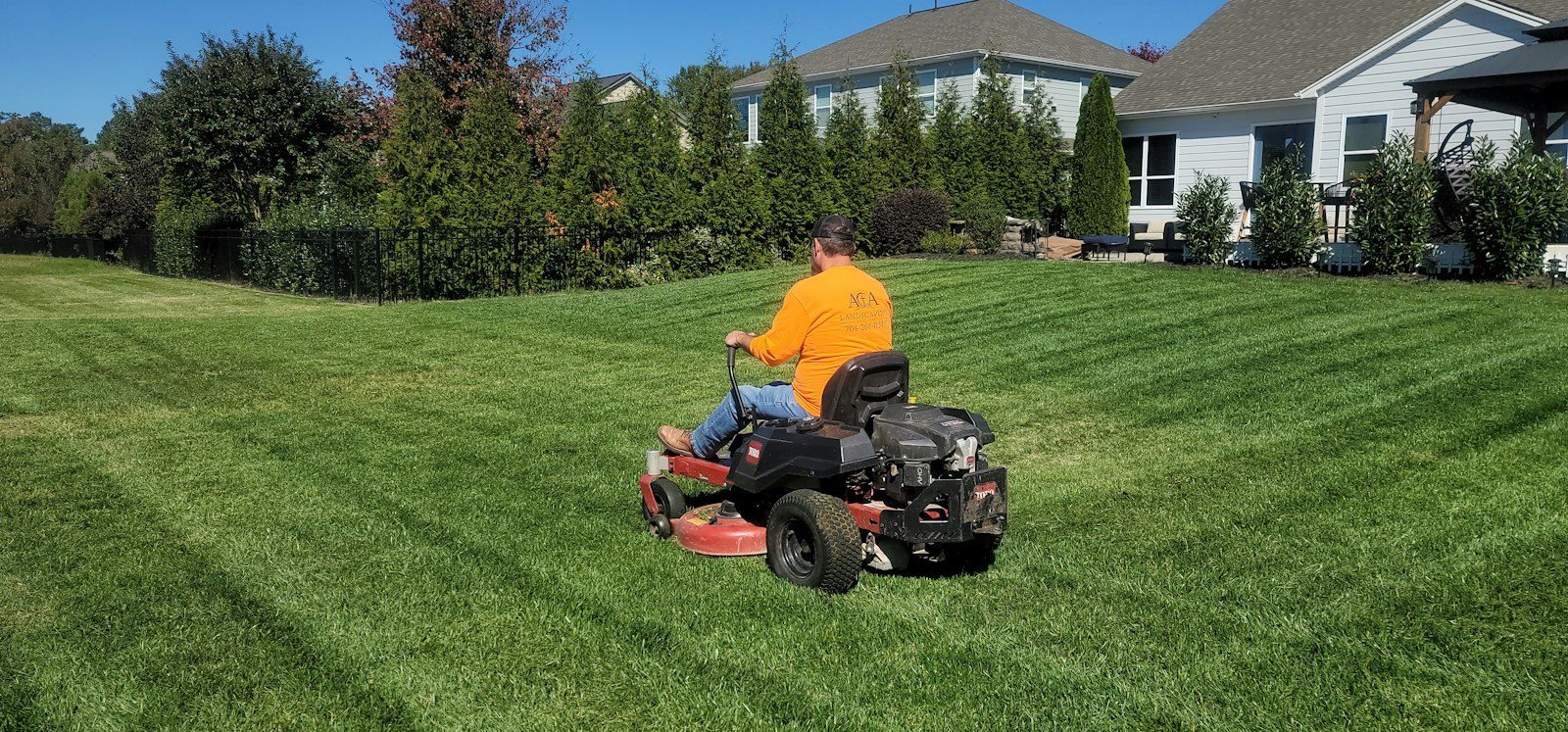
Zero-turn mowers fall into four broad price tiers: entry-level residential, premium residential, prosumer or light commercial, and full commercial. Roughly speaking, entry residential models start in the low thousands of dollars, premium residential models run into the mid-to-high single thousands, prosumer machines climb toward five figures, and commercial zero-turns commonly cost well over ten thousand dollars. What you pay for as you move up is not just a bigger deck; it is the frame, transmissions, deck construction, engine and seat, which determine how many hours and acres the mower can handle before wearing out. This guide explains each tier so you can match the machine to your lawn instead of overbuying or underbuying.
Part of our Lawn Care guide →
In this guide
- Zero-Turn Price Tiers at a Glance
- Entry-Level Residential Zero-Turns
- Premium Residential Zero-Turns
- Prosumer and Light Commercial Zero-Turns
- Commercial Zero-Turns
- Brand Lineups: John Deere and Others
- What Drives Zero-Turn Price
- Ownership Costs Beyond the Sticker
- How to Save on a Zero-Turn
- Which Tier Fits Your Lawn?
- Frequently Asked Questions
Key Takeaways
- Price tracks build quality more than deck width: frame, transmissions, deck steel and engine drive cost.
- Entry residential zero-turns suit flat lawns up to about 2 acres mowed weekly.
- Premium residential and prosumer models add fabricated decks, heavier transmissions and better seats for 2 to 5+ acres.
- Commercial mowers are built for daily use and hundreds of hours a year.
- Budget for ownership costs, too: blades, belts, oil, tires and, on battery models, eventual pack replacement.
A note on numbers: mower prices change with model years, promotions, dealer pricing and freight, so we do not list current prices for specific models. The ranges below are broad typical bands to help you understand the tiers. Check dealer and manufacturer sites for current pricing, and see our roundup of the best zero-turn mowers for specific model picks.
Zero-Turn Price Tiers at a Glance
| Tier | Rough typical range | Deck sizes | Best for |
|---|---|---|---|
| Entry residential | Low-to-mid thousands of dollars | 42–54 in | Flat lawns, about 1–2 acres |
| Premium residential | Mid-to-high thousands | 48–60 in | 2–4 acres, some slopes and rough ground |
| Prosumer / light commercial | High thousands to around ten thousand | 52–60+ in | 3–5+ acres, heavy homeowner use, small crews |
| Commercial | Ten thousand to twenty thousand plus | 48–72 in | Daily professional use, large properties |
| Battery electric | Varies widely, often above comparable gas | 42–60 in | Quiet operation, low maintenance |
Entry-Level Residential Zero-Turns
These are the zero-turns you see at big-box stores and at the low end of dealer lineups. They use a tubular or light formed-steel frame, a stamped steel deck, and sealed, integrated hydrostatic transmissions designed for residential hours. Engines are typically single- or V-twin residential engines in the 20 to 24 horsepower class. Seats are basic, often without suspension, and there are usually no armrests or with simple ones.
What you get: fast mowing on flat, open lawns, which is the whole point of a zero-turn, at a price close to a good lawn tractor. What you give up: comfort on bumpy ground, deck durability if you hit stumps and rocks, and transmission longevity on hills or with heavy use. For a flat suburban lot or a one- to two-acre lawn mowed weekly, this tier is often all you need. If you are torn between this and a tractor, our comparison of zero-turn vs lawn tractor covers slopes, attachments and maneuverability.
Premium Residential Zero-Turns
The middle of most brands’ lineups. Key upgrades usually include a stronger frame, often fully welded steel, a thicker stamped or fabricated deck with reinforced edges, more powerful V-twin engines, higher-capacity transmissions, larger rear tires, a high-back seat with some suspension or isolation, and better controls. Some add deck-lift assist pedals, hour meters with service reminders and better cut quality from deeper decks.
This is the sweet spot for many homeowners with two to four acres, uneven ground or a lot of trees to trim around. The machine lasts longer, rides better and copes with real-world yards, and the price gap from entry level is usually smaller than the gap to prosumer machines.
Prosumer and Light Commercial Zero-Turns
Prosumer mowers borrow commercial features for serious homeowners and small landscaping crews. Expect fabricated decks made from heavy-gauge welded steel, commercial-style transmissions with separate pumps and wheel motors on many models, larger engines, heavier frames, and better suspension seats or even suspended operator platforms. Warranties often cover more hours or years, and some cover limited commercial use.
They make sense if you mow five or more acres, mow rough pasture or ditches, or plan to keep the mower for a decade or longer. For a flat one-acre lawn, they are usually more machine than you need.
Commercial Zero-Turns
Built for landscape contractors running all day, several days a week. Commercial mowers use heavy fabricated decks, serviceable commercial hydraulic drive systems, commercial-grade gas or diesel engines, heavy frames, large fuel tanks and suspension systems for operator comfort over long shifts. Many are designed for easy field service. Brands such as Scag, Exmark, Ferris and the commercial lines from Toro, John Deere and Cub Cadet live here.
A homeowner with a very large property might reasonably buy one, especially used, but the cost is hard to justify for typical residential hours. Our guide to commercial vs residential zero-turn mowers lays out exactly where the extra money goes.
Brand Lineups: John Deere and Others
Many shoppers search for specific brand prices, especially John Deere. Most major brands organize their zero-turns into series that map onto the tiers above, which is a more useful way to compare than any single price.
- John Deere: residential ZTrak models in the Z300 and Z500 series, with the Z500 series adding heavier decks and transmissions, and commercial ZTrak models in the Z700 and Z900 series. Deere zero-turns are sold mainly through dealers, which affects pricing and service.
- Toro: TimeCutter for residential, Titan for prosumer, and Z Master for commercial.
- Cub Cadet: ZT residential models, Ultima for premium residential, and Pro Z for commercial.
- Husqvarna, Ariens, Craftsman, Troy-Bilt and others: mostly residential and premium residential, with some prosumer models.
- Commercial specialists: Scag, Exmark, Ferris, Bad Boy, Hustler and others, often with prosumer lines for homeowners.
Within a brand, comparing the frame, deck construction, transmission model and warranty across series tells you more than the sticker difference.
What Drives Zero-Turn Price
Deck construction and width
Stamped decks are pressed from a single sheet of steel and are common on residential models. Fabricated decks are welded from thicker plate steel and resist bending and rust much better. Wider decks cut faster but cost more and may not fit through gates. Measure your narrowest gate before shopping; our guide on what size mower you need matches deck width to lawn size.
Transmissions
The hydrostatic transaxles that drive each rear wheel are one of the biggest differences between tiers. Entry models use sealed residential units; premium models use heavier, often serviceable units; commercial mowers use separate pumps and wheel motors built for constant use. Transmission capacity matters most on hills and heavy ground.
Engine
Larger V-twin engines, commercial-grade engines, electronic fuel injection and heavier air filtration all add cost. Fuel-injected engines start more easily and use fuel more efficiently.
Comfort and features
Suspension seats, suspended platforms, adjustable lap bars, larger tires, LED lights, deck-lift assist, mulching kits and baggers raise the price. Comfort features matter more than people expect when you mow two hours at a time.
Gas vs battery
Battery electric zero-turns cost more up front than comparable gas models in many lineups, mostly because of battery capacity. They save on fuel, oil changes and tune-ups and are much quieter, but run time per charge limits how many acres you can cut at once, and battery packs eventually need replacing.
Ownership Costs Beyond the Sticker
- Routine maintenance: oil and filters, air filters, spark plugs, hydraulic fluid service on some transmissions, and grease.
- Wear parts: blades, deck belts, drive belts, front caster bearings and tires.
- Fuel: large-engine zero-turns burn more fuel per hour than small tractors, though they finish faster.
- Accessories: baggers, mulching kits, striping kits, trailers and ramps.
- Delivery and setup: dealers may charge for delivery and pre-delivery service.
- Insurance and storage: a covered, dry space protects your investment.
How to Save on a Zero-Turn
- Buy at the right time. Late summer and fall clearance and early-season promotions often bring the best deals. See when lawn mowers go on sale.
- Ask about financing promotions, which are common at dealers, but compare the total cost.
- Consider last year’s model, which may have only cosmetic differences.
- Look at used prosumer or commercial machines with documented hours and maintenance, which can offer more durability than a new entry-level mower.
- Do not overbuy. A premium residential mower properly maintained will outlast a cheaper commercial unit run into the ground.
Which Tier Fits Your Lawn?
- Under 1 acre, mostly flat: consider whether you need a zero-turn at all; a small rider or self-propelled mower may suffice.
- 1 to 2 acres, flat to gently rolling: entry or premium residential.
- 2 to 4 acres, trees, some rough ground: premium residential.
- 4 acres and up, rough or pasture-like terrain, or daily use: prosumer.
- Professional use: commercial.
- Steep slopes: be cautious with any zero-turn; they can lose traction on slopes. Read our zero-turn driving tips and follow the manufacturer’s slope limits.
For mowing height, frequency and seasonal lawn care to go with your new machine, see our lawn care guide.
Frequently Asked Questions
Why are zero-turn mowers so expensive?
They use two independent hydrostatic transmissions, a heavy frame and a wide deck, and they need to be durable at high ground speeds. As you move up the tiers, heavier decks, commercial transmissions and better engines add cost.
How much does a John Deere zero-turn cost?
It depends on the series. Deere’s residential ZTrak models in the Z300 and Z500 series sit in the residential tiers, while the Z700 and Z900 commercial series cost considerably more. Check a Deere dealer for current pricing.
Is a commercial zero-turn worth it for a homeowner?
Usually only for very large properties, rough terrain or owners who want a machine to last many years. For most residential lawns, a premium residential or prosumer model delivers enough durability at a lower price.
How long does a zero-turn mower last?
It depends on the tier and maintenance. Residential models are designed for fewer hours per year than commercial machines, which are built for heavy daily use. Regular oil changes, blade care and belt checks extend life in any tier.
Are electric zero-turn mowers cheaper to own?
They often cost more up front but save on fuel and engine maintenance. Whether they are cheaper overall depends on how much you mow, local energy prices and the cost of eventually replacing the battery.