

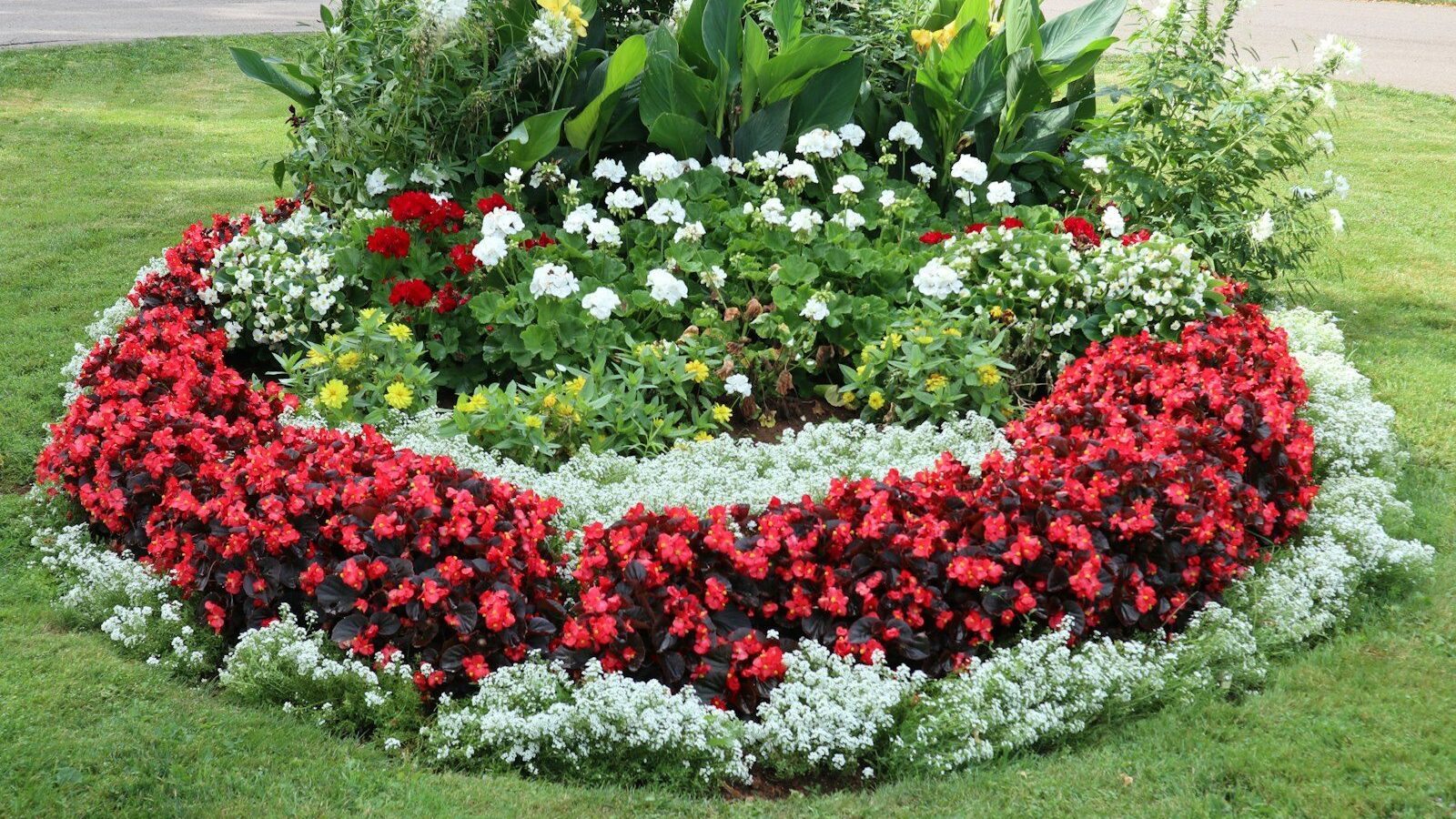
A keyhole garden is a circular raised bed with a wedge-shaped notch cut into one side — like the slot in a keyhole — that lets you reach a compost basket set in the dead center. You feed kitchen scraps and water into that central basket, and they break down and seep nutrients and moisture outward through the whole bed. Originally developed for dry regions of Africa to grow food with minimal water, the design is brilliant anywhere: it’s self-feeding, retains moisture, raises the soil to a comfortable working height, and packs a lot of productive growing area into a compact circle you can tend without stepping on the soil. This guide covers the standard dimensions, the best wall materials, the layered fill that makes it work, a step-by-step build, and what to plant in it.
Key Takeaways
- Central compost basket: A mesh column in the middle takes kitchen scraps and water, feeding the whole bed from the inside out.
- The keyhole notch: A wedge cut to the center lets you reach the basket and the back of the bed without stepping on the soil.
- Standard size: About 6 feet across and roughly waist-high (around 3 feet), with a basket about 1 foot wide at the hub.
- Slope the soil: Grade the bed so it’s highest at the center basket and slopes down to the rim, so water and nutrients flow outward.
- Layered fill: Build the bed like a compost lasagna — coarse material at the bottom, then layers of carbon, nitrogen, and topsoil.
- Self-watering & self-feeding: Water poured into the basket plus the stored moisture in the layers means far less irrigation than a flat bed.
How a keyhole garden works
The genius of the design is the central composting basket. It’s an open-topped column of wire mesh, sticks, or perforated material standing in the middle of the circular bed, rising a little above the soil surface. You add your kitchen scraps, grass clippings, and other compostables straight into this basket, and you pour water into it too. As the contents decompose, a steady stream of nutrient-rich liquid and moisture leaches out of the basket and radiates outward through the surrounding soil, feeding plant roots continuously. The bed effectively composts in place and waters from its core.
The soil is graded to slope downward and outward from the basket to the rim, so gravity carries that moisture and dissolved nutrients across the whole growing area. Because the bed is built up high and packed with organic matter, it holds water like a sponge between feedings — which is exactly why the design works so well in hot, dry climates. The keyhole-shaped access notch means you can stand in the slot and reach both the central basket and every part of the bed without ever compacting the soil by walking on it. The result is a compact, raised, self-feeding, water-thrifty bed that’s kind on your back and your watering can alike.
Dimensions and materials
The classic keyhole garden is a circle about 6 feet (2 meters) in diameter and built up to roughly waist height — around 3 feet — so you can tend it standing comfortably. Six feet across is the sweet spot: large enough to be productive, small enough that you can reach the center basket from the keyhole notch. The central compost basket is typically about 1 foot in diameter and stands tall enough to rise several inches above the finished soil level. The access notch is a wedge cut from the outer rim straight to the basket, usually 1.5 to 2 feet wide at the rim, narrowing to the basket.
Wall materials
The retaining wall holds the raised soil in its circular shape. Almost any sturdy material works, which makes keyhole gardens a great use for reclaimed materials:
- Stone or rock: The traditional choice — dry-stacked stone is durable, attractive, and free if you have it on hand.
- Brick or concrete block: Stable, long-lasting, and easy to lay in a circle.
- Logs or timber: Untreated logs, sleepers, or short posts driven in a ring; avoid treated lumber that can leach into the soil.
- Corrugated metal or sheet: Flexes easily into a circle and gives a modern look; line sharp edges for safety.
- Woven branches (wattle): Living-fence style, woven hazel or willow between stakes for a rustic, low-cost wall.
Basket materials
The center basket needs to be open enough for liquid and nutrients to seep out while holding the composting material in place. Use a cylinder of welded wire or chicken-wire mesh, a length of perforated pipe, an old laundry hamper or wire bin, or a column of sticks woven together. Anything porous and roughly a foot wide does the job.
How to build a keyhole garden step by step
With your materials gathered, the build takes a weekend at most. Here’s the process:
- Mark the circle. Drive a stake at the center point, tie a 3-foot string to it, and swing it around to scribe a 6-foot-diameter circle on the ground. Mark the wedge-shaped keyhole notch on one side — ideally facing the direction you’ll approach from, often north so the notch doesn’t shade plants.
- Build the central basket. Form a 1-foot-wide cylinder of wire mesh and stand it upright at the center stake. Make it tall enough to finish several inches above the planned soil height. Anchor it so it stays plumb.
- Lay the wall. Build your circular retaining wall up to about 3 feet high, following your marked circle and leaving the keyhole notch open. Keep the wall sound and roughly level around the top; if dry-stacking stone, batter it slightly inward for stability.
- Add the bottom layer. Inside the wall (and inside the basket), start with a coarse base — cardboard or newspaper over the ground to smother weeds, then a layer of bulky material like small branches, twigs, or wood chips for drainage and air.
- Build up the lasagna layers. Alternate carbon-rich “browns” (dry leaves, straw, shredded paper, cardboard) with nitrogen-rich “greens” (grass clippings, manure, vegetable scraps, compost), wetting each layer as you go. This composting fill is what gives the bed its long-term fertility.
- Cap with topsoil. Finish the top several inches with a generous layer of good topsoil mixed with finished compost — this is your planting medium.
- Slope the surface. Grade the finished soil so it’s highest around the central basket and slopes gently down toward the outer wall, so water and nutrients flow outward from the hub.
- Charge the basket and plant. Fill the central basket with compost and kitchen scraps, water it in thoroughly, mulch the soil surface, and plant.
The layered fill settles over the first few weeks, so top up the soil and add more compost to the basket as needed. For more compact, self-feeding bed designs, see our hugelkultur guide, and if you want a dedicated bin alongside it, our DIY compost bin plans walk through several builds.
What to plant in a keyhole garden
A keyhole garden’s rich, moist, well-fed soil suits intensive, productive planting — it was designed first and foremost to grow a steady supply of vegetables and leafy greens for the kitchen. Because the bed feeds itself continuously, it especially favors hungry, fast-growing crops:
- Leafy greens: Lettuce, spinach, kale, chard, and Asian greens thrive on the constant nutrients and moisture and give cut-and-come-again harvests.
- Herbs: Basil, parsley, cilantro, and other culinary herbs do beautifully and are handy near the kitchen.
- Heavy feeders: Tomatoes, peppers, and eggplant flourish on the bed’s fertility once it’s established.
- Root crops: Carrots, beets, radishes, and onions enjoy the deep, loose, raised soil.
- Brassicas: Cabbage, broccoli, and cauliflower appreciate the steady nitrogen feed.
Plant densely and intensively, the way you would any raised bed — the rich soil and reachable access make a keyhole garden ideal for square-foot-style close planting. Put taller crops toward the center (but not so they shade the whole bed) and trailing or low crops near the rim. Mulch the surface well to lock in the moisture that radiates from the basket. For more small-space and raised-bed growing strategies, browse our Urban Gardening hub.
Feeding, watering, and upkeep
Running a keyhole garden is refreshingly simple. The central basket is your ongoing compost station — keep adding kitchen scraps, coffee grounds, and garden trimmings to it, layering in occasional dry browns to keep it balanced and odor-free. As that material breaks down, it continuously feeds the bed, so you rarely need separate fertilizer. Water primarily by pouring into the basket, which distributes moisture through the soil from the core; in hot, dry spells you can also water the surface directly, but the basket method uses far less water than overhead watering a flat bed.
Over time the soil level will drop as the organic layers compost down, so each season top up the bed with fresh compost and topsoil to keep it full and the surface sloping outward from the basket. Refresh the basket contents whenever they fully break down, and replace the wire mesh if it eventually rusts. With this minimal upkeep — feed the basket, water the basket, top up the soil — a keyhole garden keeps producing for many years, turning your household scraps into a continuous supply of vegetables from one tidy, back-friendly circle.
Frequently Asked Questions
What is a keyhole garden?
A keyhole garden is a round raised bed about 6 feet across with a wedge-shaped notch (the “keyhole”) cut to a compost basket at its center. You feed scraps and water into that basket, and as they decompose the nutrients and moisture spread outward through the bed, creating a self-feeding, water-thrifty growing area you tend from the notch.
How big should a keyhole garden be?
The standard size is about 6 feet (2 meters) in diameter and roughly 3 feet — waist height — tall, with a central compost basket about 1 foot wide. Six feet across keeps every part of the bed within reach of the keyhole notch, while the waist height makes it comfortable to work without bending.
What do you put in the center basket of a keyhole garden?
Kitchen scraps, coffee grounds, grass clippings, and other compostable garden waste, layered occasionally with dry browns like shredded paper or leaves to keep it balanced. You also pour water into the basket. As the material decomposes, it releases nutrients and moisture outward into the surrounding soil.
What can you grow in a keyhole garden?
It excels at leafy greens (lettuce, spinach, kale, chard), herbs, and heavy-feeding vegetables like tomatoes, peppers, and brassicas, plus root crops in the deep soil. The continuous feeding from the central basket suits hungry, fast-growing crops and intensive close planting.
Does a keyhole garden need watering?
Far less than a conventional bed. You water mainly by pouring into the central basket, which distributes moisture through the soil from the core, and the organic layers hold water like a sponge. In very hot, dry weather you may also water the surface, but overall it uses much less water than a flat raised bed.
A keyhole garden rolls a raised bed, a compost system, and a water-saving design into one compact circle. Build the wall about 6 feet across and waist-high, stand a mesh basket in the center, fill it with composting layers capped in topsoil sloping outward, and feed the basket your scraps. With almost no ongoing effort, it returns a steady harvest of greens and vegetables year after year — one of the smartest small-space, self-sustaining beds you can build.