

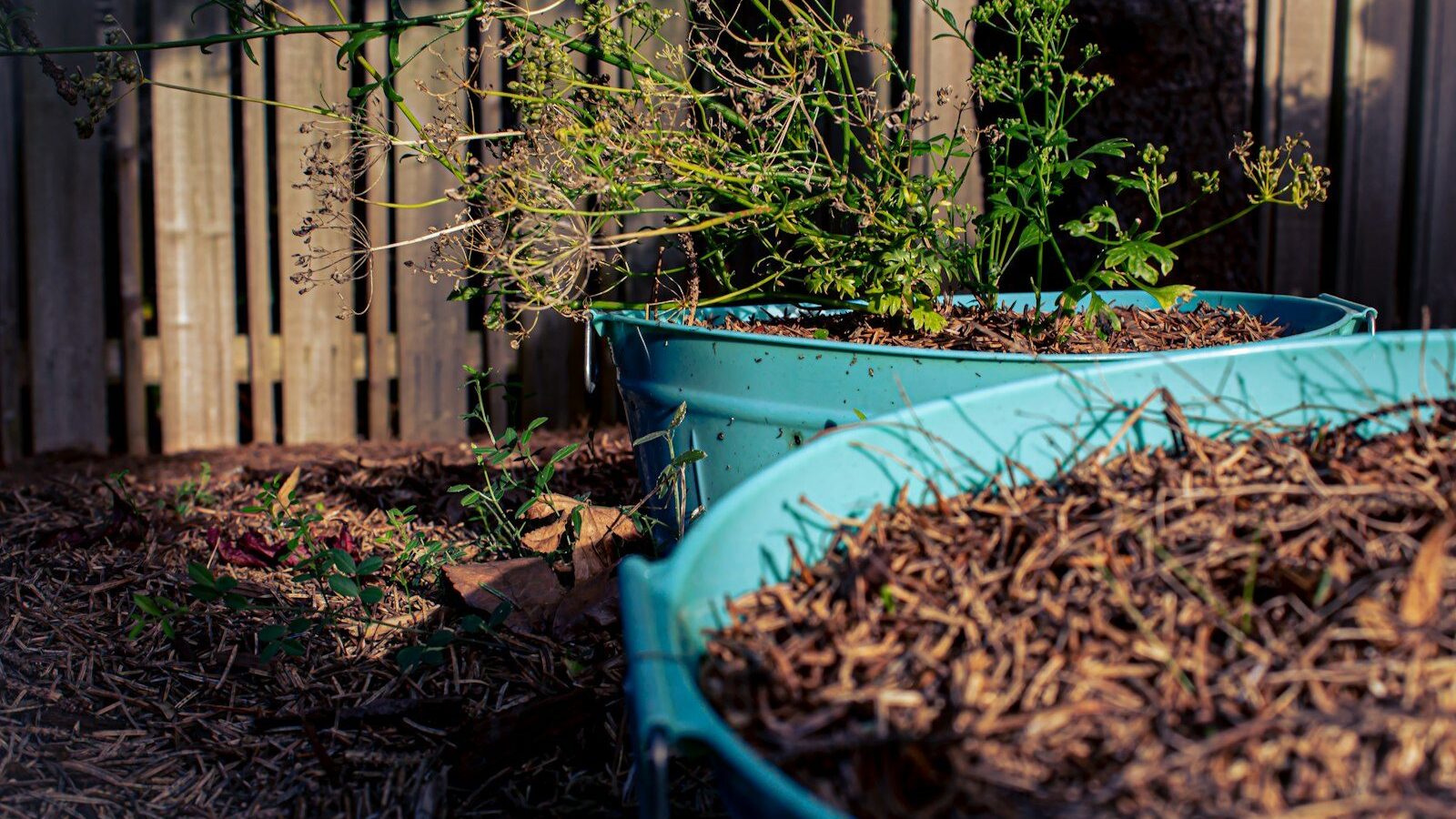
To sift compost, let a finished batch dry until it crumbles rather than clumps, then rub it through a screen of 1/4 to 1/2 inch hardware cloth set over a wheelbarrow or bin. The fine material that falls through is ready for potting mixes, seed beds and lawn top-dressing; the chunks left on top go back into the pile to break down further. A simple wooden sifter that rests on a wheelbarrow takes an afternoon to build from a few 2x4s and a roll of hardware cloth, and it turns sifting from a chore into a fifteen-minute job. Here is how to tell when compost is ready, which mesh to use for each job, and how to build and use a sifter.
Part of our Composting & Soil guide →
In this guide
Key Takeaways
- Sift only finished, cooled compost that smells earthy and no longer heats up.
- Compost should feel like a wrung-out sponge or drier; wet compost clogs the screen.
- Use 1/4 inch mesh for seed starting and potting, 1/2 inch for top-dressing beds and lawns.
- A 2×4 frame with 1/2 inch hardware cloth, sized to sit on your wheelbarrow, handles most home batches.
- Return the overs to the pile; they act as a starter for the next batch.
Why Sift Compost at All?
Unsifted compost is fine for digging into vegetable beds or mulching around shrubs. Sifting matters when texture matters. Seedlings struggle to push through chunks of corn cob and twigs, potting mixes drain unevenly when lumps create air pockets, and coarse material sits on top of a lawn instead of settling down between the blades. Screening also pulls out the things that never seem to break down at home: avocado pits, fruit stickers, eggshell pieces, stray plastic and stones.
Sifted compost goes further, too. A thin, even layer of fine compost spreads easily with a rake or the back of a leaf rake, while lumpy compost tends to pile up. For a broader look at how compost fits into soil building, see our composting and soil guide.
Is Your Compost Ready to Sift?
Sifting unfinished compost just gives you a finer version of unfinished compost, which can tie up nitrogen and harm seedlings. Check these signs before you start:
- It is dark brown to black and crumbly, and most original ingredients are unrecognizable.
- It smells like forest soil, not ammonia, rot or sourness.
- The center of the pile is no warmer than the outside air after turning.
- It has cured for at least two to four weeks after the active hot phase ended.
A quick test: put a handful in a sealed plastic bag for a few days. If it smells foul when you open it, it needs more time. You can also sow a few radish or lettuce seeds in a cup of it; if they sprout and grow green, it is ready. If your batch is still lumpy and wet after months, our guide on why compost is not breaking down covers the usual fixes.
Get the Moisture Right
Moisture is the biggest factor in how easy sifting is. Compost straight from an active pile is usually around the wetness of a wrung-out sponge, which is right for decomposition but too sticky for a 1/4 inch screen. Spread it on a tarp in the sun for a few hours, or pull it from the pile and leave it under cover for a few dry days, until it crumbles when you squeeze a handful. Do not let it turn to dust; bone-dry compost blows around and is harder to rewet later.
If you compost through a rainy climate, cover the finished pile with a tarp a week before you plan to sift. In very dry climates, a light misting the day before keeps dust down.
Which Mesh Size to Use
| Mesh opening | Result | Best uses |
|---|---|---|
| 1/8 inch | Very fine, slow to sift | Covering tiny seeds; houseplant top-dressing |
| 1/4 inch | Fine, even texture | Seed-starting and potting mixes; lawn top-dressing |
| 1/2 inch | Medium, fast to sift | Top-dressing beds, raised bed refills, overseeding lawns |
| 3/4 to 1 inch | Coarse, removes only big debris | Bed amendment, mulch, tree and shrub planting |
For most home gardeners, 1/2 inch hardware cloth is the best single choice: it is quick, rarely clogs, and produces compost fine enough for beds and lawns. If you start a lot of seeds, add a second, smaller 1/4 inch screen and run already-sifted compost through it in small batches. Galvanized welded hardware cloth in 19 gauge or heavier holds up for years; avoid flimsy window screen and chicken wire, which sag or have openings that are too irregular.
Quick Ways to Sift Without Building Anything
- Plastic nursery flats: a mesh-bottom propagation tray works as a hand sieve for a few gallons.
- Milk crate: many crates have roughly 1/2 inch openings; shake compost through over a bucket.
- Purchased hand sieve: round garden riddles with interchangeable screens are handy for potting benches.
- Hardware cloth over a bin: lay a square of hardware cloth across a storage tote or wheelbarrow and rub compost through with a gloved hand or a scrap of wood.
These are fine for a few buckets. Once you are sifting a whole bin, a dedicated frame saves a lot of time and wrist strain.
How to Build a Wheelbarrow Compost Sifter
This design is a shallow wooden box with a hardware cloth bottom. It sits across the top of a wheelbarrow or garden cart, so the sifted compost lands where you can roll it straight to the beds.
Materials
- Two 8 foot 2x4s (untreated or cedar), or 1×4 boards for a lighter frame
- A piece of 1/2 inch or 1/4 inch galvanized hardware cloth, about 24 by 36 inches
- 2 1/2 inch exterior screws (or 1 1/4 inch for 1x4s)
- Heavy-duty staples or 1 inch fence staples, or screws with washers
- Optional: 1×2 or lath strips to cover the cut wire edges
Steps
- Measure the top of your wheelbarrow. Most home wheelbarrows are about 24 to 28 inches wide; make the frame a few inches wider than the tub so it rests on the rims, and about 30 to 36 inches long.
- Cut two long sides and two short ends. Butt-join the corners and drive two screws through each joint. Check that the frame is square by measuring the diagonals.
- Cut the hardware cloth to the outside dimensions of the frame using tin snips. Wear gloves; the cut ends are sharp.
- Lay the frame on the mesh, pull the mesh tight, and staple it to the bottom edge every 2 to 3 inches.
- Screw thin strips over the stapled edge to protect your hands and hold the mesh more securely.
- Optional: add a handle at each end by extending the long sides 6 inches past the frame, so two people can shake it or you can tip it to dump the overs.
For a sturdier version that handles heavy shoveling, add a center cross-brace under the mesh to stop it sagging. If you sift a lot, build two frames: one with 1/2 inch mesh for the first pass and one with 1/4 inch for potting-quality compost.
Other designs worth considering
A leaning screen, a framed panel propped against a sawhorse at about 45 degrees, lets you throw shovelfuls at it so fines fall through behind and overs roll off the front. It is quick for large piles but messier. Rotary or trommel sifters, a mesh drum on a crank, handle the most volume with the least effort and are worth building only if you process several cubic yards a year.
How to Sift Efficiently
- Set the sifter on the wheelbarrow and add two or three shovelfuls, not more. Overloading slows things down.
- Rub the compost across the mesh with gloved hands, a short board or a stiff brush. For a 1/2 inch screen, shaking the frame back and forth works too.
- Break up soft clumps as you go; anything that will not break is an over.
- When only twigs and lumps remain, tip them into a bucket for the next pile.
- Repeat, dumping or using the sifted compost whenever the wheelbarrow fills.
Wear a dust mask if the compost is dry, and gloves always; compost can contain sharp debris and occasionally harbors fungi and bacteria that you do not want to breathe or get into a cut.
What to Do With the Overs
The material that stays on the screen is valuable. It is already full of active microbes and partly broken-down carbon, so mixing a few shovelfuls into a new pile or bin acts as an inoculant and helps the next batch get going. Large woody chunks can also be spread as mulch under shrubs. Pick out obvious trash, pits that will take years, and any plastic produce stickers before returning the rest. For tips on speeding up that next batch, see how to make compost faster.
Using Sifted Compost
- Potting mix: blend roughly one part sifted compost with two to three parts peat-free or peat-based mix and perlite. Too much compost makes mixes heavy and can hold excess salts.
- Seed starting: use a small amount, about 10 to 20 percent, mixed into a sterile seed-starting mix, or skip it for very fine seeds; damping-off risk rises with unsterilized compost.
- Lawn top-dressing: spread 1/4 to 1/2 inch of 1/4 inch sifted compost after core aerating or overseeding, then rake it into the turf.
- Beds and raised beds: work 1 to 2 inches into the top few inches of soil each spring or fall.
- Houseplants: scratch a thin layer into the top of the pot as a gentle top-dressing.
Not sure how much you need for a bed or lawn? Our guide to how much compost you need walks through depth and area. And if you are still building your system, start with our guide on how to make compost.
Storing Sifted Compost
Store sifted compost in lidded bins, breathable bags or a covered pile, slightly moist. Sealing it completely airtight while wet can make it go sour; leaving it exposed to rain leaches nutrients and turns it back into mud. Used within a season, it stays in good condition. A trash can with a few holes drilled in the lid makes a tidy potting-bench supply.
Frequently Asked Questions
Do I have to sift compost?
No. Unsifted finished compost is fine to dig into beds or use as mulch. Sift when you need a fine texture, such as for potting mixes, seed beds or lawn top-dressing.
What size screen is best for sifting compost?
A 1/2 inch screen is the best all-round choice for beds and lawns. Use 1/4 inch mesh for potting and seed-starting mixes, and 3/4 to 1 inch only to remove large debris.
Why does my compost clog the sifter?
It is usually too wet. Spread it out to dry until it crumbles when squeezed, and add only a few shovelfuls to the screen at a time.
Can I sift compost that is not finished?
You can, but it will still be unfinished. Fine unfinished compost can tie up nitrogen and harm seedlings. Let it cure until it smells earthy and no longer heats up.
What should I do with the chunks left after sifting?
Return them to your compost pile. They are full of active microbes and help the next batch break down faster. Woody pieces can also be used as mulch.