

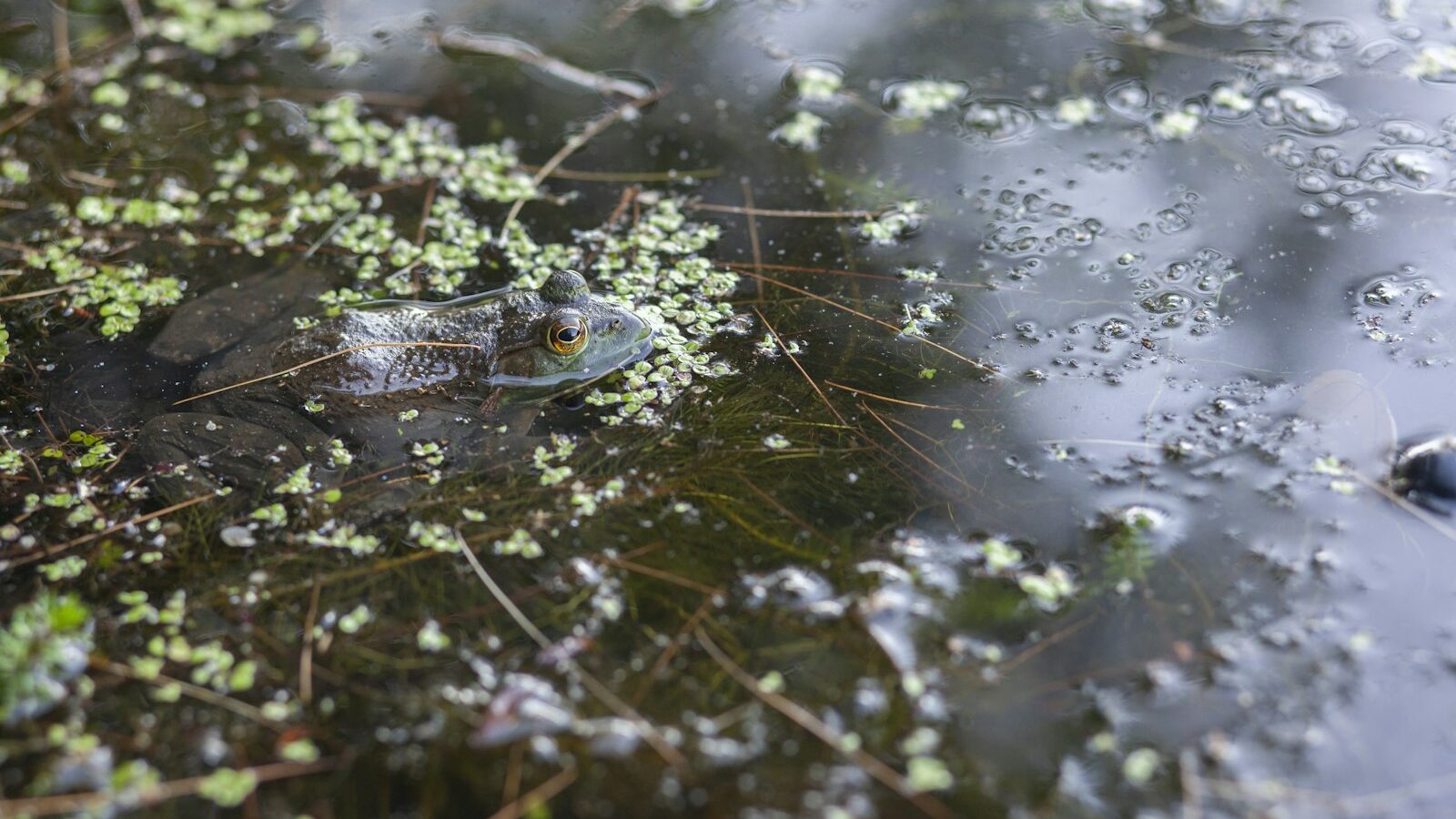
Algae is a plant, and like every plant it runs on sunlight. Take away the light and you take away its engine. That single fact is why shading is one of the most effective, lowest-maintenance ways to control the green slime and pea-soup blooms that plague sunny ponds—no chemicals to dose weekly, no electricity, no ongoing cost once it’s in place. Shade won’t sterilize a pond, and it works best alongside good nutrient control, but for the typical backyard pond sitting in full afternoon sun, reducing light is often the missing piece. This guide covers the four practical ways to shade a pond—surface plants, overhead structures, pond dye, and floating cover—how much shade you actually need, the right lily coverage percentages, and exactly why less light means less algae.
Key Takeaways
- Algae photosynthesizes—cutting sunlight directly limits its growth, which is why shade works without chemicals.
- Aim to cover 50–70% of the water surface with floating-leaved plants like water lilies to meaningfully suppress algae.
- Shade sails, pergolas, and strategically placed trees or large pots block overhead sun, especially harsh midday and afternoon light.
- Pond dye (blue or black) tints the water so sunlight can’t penetrate deep, starving suspended algae and submerged growth.
- Shade is most powerful combined with nutrient control—skimming debris, limiting feeding, and keeping the water oxygenated.
- Don’t shade 100%—some light keeps beneficial plants, fish, and the ecosystem healthy; total darkness causes its own problems.
Why Shade Limits Algae
Algae—whether the green water of suspended single-celled algae or the hair-like string algae clinging to rocks—is a photosynthetic organism. It needs three things to bloom: nutrients (mostly nitrogen and phosphorus from fish waste, runoff, and decaying debris), warm water, and light. Of those three, light is the one you can cut off most cleanly and cheaply. Without sufficient sunlight, algae can’t photosynthesize fast enough to multiply, and a bloom simply can’t get going.
There’s also a second, indirect mechanism. Sunlight warms the water, and warm water both accelerates algae’s metabolism and holds less dissolved oxygen. By shading the surface you keep the pond cooler, which slows algae directly and keeps oxygen levels higher for fish and the beneficial bacteria that compete with algae for nutrients. So shade attacks algae on two fronts at once: it removes the light algae needs and it lowers the temperature algae loves. This is why a heavily shaded woodland pond rarely turns green while an identical pond in open lawn becomes a soup by July.
The catch is that shade limits algae’s growth—it doesn’t remove the nutrients already in the water. If your pond is overloaded with fish waste and rotting leaves, shading alone may only slow the problem. That’s why shade is most powerful as part of a balanced approach, paired with the nutrient and oxygen management covered near the end.
Method One: Surface Plants (and the Right Lily Coverage)
The most natural and beautiful way to shade a pond is from the water itself, using floating-leaved plants that spread a canopy of leaves across the surface. Water lilies are the classic choice: their pads float flat on the surface, blocking light from reaching the water below, while their roots also absorb the very nutrients algae would otherwise use. It’s a double win—plants compete with algae for both light and food.
How much coverage you need
The widely used target is 50–70% surface coverage by floating leaves. At roughly 60% of the surface shaded, most ponds see a dramatic drop in algae because the water below no longer receives enough light to fuel a bloom. Below about 50% coverage, too much open water lets light through and algae still thrives. Going much above 70% risks the opposite problem: too little light and gas exchange at the surface, which can stress submerged oxygenating plants and reduce oxygen for fish, especially overnight. So 50–70% is the sweet spot—enough shade to starve algae, enough open water to keep the pond breathing.
Plants to use
Combine a few types for fast, layered coverage. Hardy water lilies are the backbone—one plant typically spreads to shade 4–12 square feet depending on variety, so a 100-square-foot pond might need three to six lilies to approach target coverage. Floating plants like water lettuce and water hyacinth (where legal—both are invasive and banned in many warm states) provide instant coverage but multiply aggressively and must be thinned. Lotus and floating heart add coverage too. Underwater, submerged oxygenators such as hornwort and anacharis don’t shade the surface but soak up dissolved nutrients, attacking algae from the other direction. Many beginners reach for these plants as part of a first stocking plan; our broader notes in the water gardens and ponds section cover choosing and planting aquatics for your climate and zone.
The trade-off with surface plants is time—lilies take a season or more to reach full coverage, so they’re a long-game solution. In the first summer you may need a faster method while the plants fill in.
Method Two: Overhead Shade — Sails, Pergolas, and Structures
When you need shade fast, or the pond is too small or too cold for heavy planting, block the sun from above. A shade sail—a tensioned triangle or square of UV-stabilized fabric, typically rated to block 70–90% of sunlight—is the quickest fix. Angle it to cut the harshest light, which is the midday-through-afternoon sun from the south and west; morning sun is gentler and you can leave the east side more open. Even partial coverage over the sunniest third of the pond can noticeably slow a bloom.
A pergola or arbor over part of the pond does the same job with more permanence and looks intentional in a designed landscape; train a climbing plant over it and the shade deepens each year. If you’re building structures around the water feature, the same siting logic in our outdoor living guides applies—orient for afternoon shade and account for how the shadow moves across the seasons. On a budget, large potted plants, tall ornamental grasses, or shrubs placed on the south and west banks cast a moving shadow across the water through the afternoon. Even a strategically positioned small tree, kept far enough back that its roots and falling leaves don’t foul the pond, delivers free shade for decades. The key with any overhead method is to target the strongest sun rather than trying to cover everything.
Method Three: Pond Dye
Pond dye is shade in a bottle. These concentrated colorants—usually blue, blue-black, or black—disperse through the water and tint it so that sunlight can’t penetrate to depth. Suspended algae floating in the water column and submerged algae on the bottom are effectively put in the shade even though the surface looks open. It’s a popular tool for larger ponds where planting 60% of the surface isn’t practical, and for the murky weeks while lilies are still filling in.
Dye is inexpensive, fast (the tint spreads within hours), and the modern colorants are non-toxic to fish, wildlife, pets, and livestock when used at label rates. A single treatment commonly lasts four to six weeks before rain and overflow dilute it, so you reapply through the growing season. Choose blue for an ornamental “tropical” look or black for a natural, mirror-like reflective surface. Two limits to know: dye does little for surface-floating string algae mats that sit in full sun above the tinted water, and it won’t help in fast-flowing or constantly overflowing ponds where it washes out too quickly. For still, deeper ponds, though, dye is one of the most cost-effective shading methods available.
Method Four: Floating Covers and Combinations
For small formal ponds or stock tanks, floating shade discs, or a partial floating cover of decorative materials, can block light over a target area. These are niche but useful for tiny water features where lilies would overwhelm the space. In practice, the best results almost always come from combining methods: a few water lilies working toward 50–70% coverage for the long term, a dose of dye to bridge the first summer, and a shade sail over the sunniest corner. Layering shade lets each method cover the other’s weak spots.
Shade Plus Nutrient Control: The Complete Picture
Because shade limits algae’s growth rather than removing its food, pair it with simple nutrient management for lasting clear water. Skim fallen leaves, spent blooms, and debris before they sink and decompose into algae fuel. Don’t overstock fish, and feed lightly—uneaten food and waste are major nutrient sources. Keep the water moving and oxygenated with a pump, fountain, or aerator, which both helps fish and supports the beneficial bacteria that out-compete algae for nutrients; if you’re sizing aeration, our notes in the water gardens section walk through pump and aerator selection. In a clay or natural pond especially, established marginal plants along the banks soak up runoff nutrients before they reach the open water. Get the shade right and trim the nutrients, and most ponds settle into a stable, clear balance that needs little intervention.
How Much Shade Is Too Much?
It is possible to over-shade a pond. Aquatic plants, including the lilies you’re relying on, need some sunlight to thrive—deep shade can stunt them and reduce the very canopy you want. Fish and the pond’s nighttime oxygen balance also depend on some light reaching submerged oxygenating plants by day. Total surface coverage cuts gas exchange at the air-water boundary, which can drop dissolved oxygen, particularly on warm summer nights when respiration peaks. The practical rule is to leave 30–50% of the surface as open water, target 50–70% shade, and observe your pond: fish gasping at the surface in the morning is a sign you’ve gone too far. Aim for cool and dim, not dark.
Frequently Asked Questions
How much of my pond surface should water lilies cover to stop algae?
Aim for 50–70% surface coverage with floating leaves, with about 60% being the sweet spot for most ponds. That much shade blocks enough light to starve algae while still leaving 30–50% open water for gas exchange and oxygen. Below 50% lets too much light through; above 70% can reduce oxygen and stress fish and submerged plants.
Why does shading a pond actually reduce algae?
Algae is a photosynthetic plant that needs sunlight to grow. Removing light starves it directly so a bloom can’t get going. Shade also cools the water, which slows algae’s metabolism and keeps oxygen levels higher for the beneficial bacteria that compete with algae for nutrients—a double effect.
Is pond dye safe for fish and plants?
Modern blue and black pond dyes are non-toxic to fish, wildlife, pets, and livestock when used at the label-recommended rate. They simply tint the water to limit light penetration. Just avoid over-dosing, and remember dye won’t help surface string-algae mats sitting in full sun above the tinted water.
Will shade alone clear up green water?
Usually it helps a lot but isn’t a complete fix on its own. Shade limits algae’s growth but doesn’t remove the nutrients already in the pond. Combine shading with skimming debris, light fish feeding, and good aeration, and most ponds clear up and stay balanced. A heavily nutrient-loaded pond needs the nutrient sources addressed too.
What’s the fastest way to shade a pond this summer?
Plants take a season to fill in, so for fast results use pond dye (tints the water within hours and lasts four to six weeks) or rig a shade sail over the sunniest, midday-to-afternoon side of the pond. Use those as a bridge while water lilies grow toward 50–70% coverage for the long-term solution.