

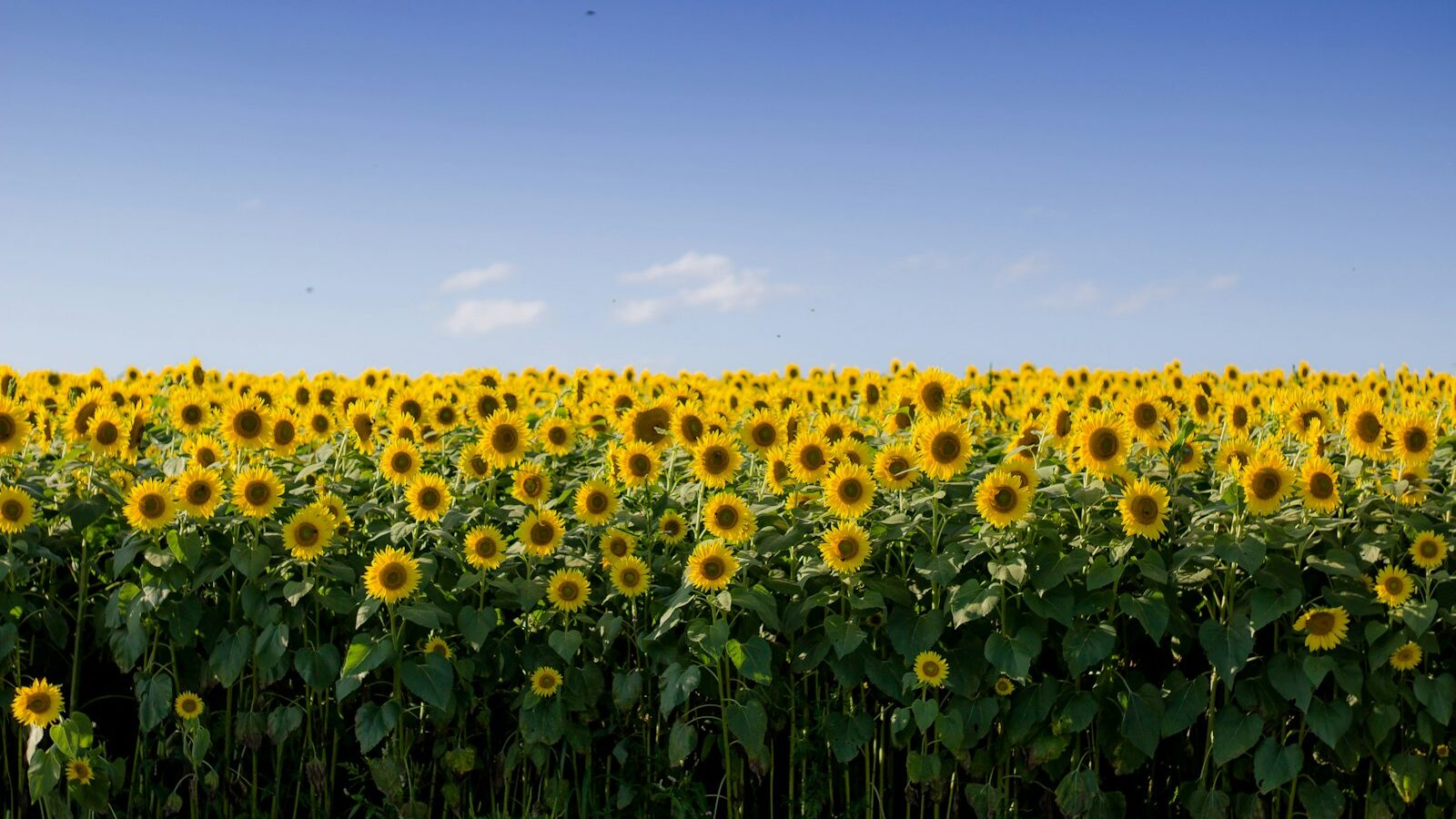
Few flowers bring as much instant joy as sunflowers. Whether you dream of towering giants that peek over the fence, cheerful dwarf varieties on a sunny balcony, or armloads of cut blooms for the kitchen table, sunflowers are among the easiest and most rewarding plants you can grow from seed. This guide walks you through every step from choosing the right type to harvesting seeds in the fall.
Sunflower quick facts
- Light: full sun (6-8 hrs)
- Soil: average, well-drained
- Sow: direct after last frost
- Annual; blooms summer-fall
- Heights vary 1-15 ft by type
As an Amazon Associate we earn from qualifying purchases.
Choosing the right sunflower type
The word “sunflower” covers an enormous range of plants, from knee-high container types to single-stem monsters that need a ladder to inspect. Picking the right type for your space and goals is the single most important decision you’ll make, so it pays to read the seed packet carefully before you buy.
The main categories
- Giant single-stem types (such as ‘Mammoth’ and ‘American Giant’) reach 9-15 feet with one enormous head. Perfect for seed harvesting and “wow factor,” but they need staking and space.
- Branching types (such as ‘Autumn Beauty’ and ‘Italian White’) produce many smaller blooms over a long season on multiple side stems. Ideal for cutting gardens and pollinators.
- Dwarf and container types (such as ‘Teddy Bear’, ‘Sunspot’ and ‘Suntastic’) stay between 1 and 3 feet, making them perfect for pots, borders, and small balconies.
- Pollenless cutting types (such as ‘ProCut’ and ‘Vincent’ series) were bred without messy pollen, so they last longer in a vase and won’t drop yellow dust on your table.
If you want to feed wildlife and harvest seeds, choose pollen-producing varieties bees can pollinate. If you want clean bouquets, go pollenless. Many gardeners grow a mix. You can stock up on a range of seeds through this sunflower seed selection to experiment with several types in one season.
Sowing seeds: direct vs starting indoors
Sunflowers resent root disturbance, which is why direct sowing is almost always the recommended approach. That said, there are good reasons to start a few indoors, especially in regions with short summers or heavy bird and squirrel pressure.
Direct sowing outdoors
- Wait until all danger of frost has passed and soil has warmed to at least 50-60°F (10-16°C).
- Sow seeds 1 inch deep directly where they will grow.
- Keep the soil evenly moist until germination, which takes 7-10 days.
- Thin seedlings to the final spacing once they reach a few inches tall.
Starting indoors
- Start 3-4 weeks before your last frost date in deep biodegradable pots so roots stay undisturbed.
- Provide bright light to prevent leggy, weak seedlings.
- Harden off gradually over a week before transplanting outdoors.
- Transplant carefully, keeping the root ball intact.
Light, soil, and spacing
Sunflowers are famously sun-loving. As their name suggests, they thrive in full sun and will actively track the sun across the sky while young (a behavior called heliotropism). Skimp on light and you’ll get spindly stems and small, disappointing blooms.
Site and soil requirements
- Light: 6-8 hours of direct sun per day, the more the better.
- Soil: average, well-drained soil. Sunflowers tolerate poor soil but reward a little compost with bigger heads.
- pH: slightly acidic to slightly alkaline (6.0-7.5) is ideal.
- Shelter: a spot protected from strong wind helps prevent tall types from toppling.
Spacing guidelines
- Giant types: 18-24 inches apart to support their heavy heads and wide root systems.
- Branching cutting types: 12-18 inches apart for full plants, or as close as 6 inches for longer, thinner stems prized by florists.
- Dwarf types: 6-12 inches apart, or one per small container.
Most sunflowers grow well in lean ground, but a balanced feed at planting gives them a strong start. A light application of an all-purpose fertilizer early on is plenty; avoid high-nitrogen feeds, which produce lush leaves at the expense of flowers and can lead to weak, floppy stems.
Watering and supporting tall stems
Young sunflowers need consistent moisture to establish a deep, sturdy root system. Once mature, they are surprisingly drought-tolerant thanks to those deep roots, but regular water produces the largest blooms and heads.
Watering tips
- Water deeply and infrequently to encourage roots to grow downward.
- Aim for the soil around the base, not the foliage, to reduce disease.
- Increase watering during flowering and in containers, which dry out fast.
- A layer of mulch helps conserve moisture and suppress weeds.
Staking and support
Tall and giant varieties can become top-heavy, especially once the head fills with developing seeds and after rain. Insert a stake at planting time so you don’t damage roots later, and tie the stem loosely as it grows. Sturdy garden plant stakes or even a length of bamboo work well. Planting tall types in a sheltered spot or against a fence provides natural support and reduces the risk of snapped stems.
Succession sowing and a longer season
A single sowing gives you a glorious but brief burst of color. To enjoy blooms all summer and into fall, practice succession sowing: plant a new batch of seeds every 2-3 weeks from your last frost date until about 8-10 weeks before your first expected fall frost.
- Branching varieties extend the season naturally by reblooming after you cut or deadhead.
- Stagger giant types so not all of them peak at once.
- Note how many days to bloom each variety needs and count back from frost to plan your final sowing.
For more sunny color to pair with your sunflowers, browse our roundup of yellow flowers, or extend the cheerful theme with our guide on how to grow marigolds, which thrive in the same warm, full-sun conditions.
Deadheading, harvesting seeds, and feeding birds
What you do once the flowers fade depends on your goals. Branching types respond well to deadheading, while single giants are often left standing for their seeds and the wildlife they attract.
Deadheading vs leaving for birds
- Deadhead branching types regularly to encourage continuous new blooms and keep plants tidy.
- Leave seed heads standing on giants and late blooms to provide natural food for finches, chickadees, and other birds through fall and winter.
- A standing seed head also adds striking structure to the autumn garden.
Harvesting seeds for yourself
- Wait until the back of the flower head turns from green to yellow-brown and the petals drop.
- Cut the head with a foot of stem attached and hang it upside down in a dry, airy place.
- Cover the head with a paper bag or mesh to catch falling seeds and deter pests.
- Once fully dry, rub the seeds free, then store them in an airtight container or roast for snacking.
Common problems and growing in pots
Sunflowers are tough, but a few pests and diseases can spoil the show. The most common headaches are hungry wildlife after your seeds and the occasional fungal issue in humid weather.
Troubleshooting common issues
- Birds: they love both freshly sown seeds and ripening heads. Cover sown rows with netting and bag maturing heads if you want the seeds for yourself.
- Squirrels: notorious for stealing seeds and toppling stems. Wire cages, mesh barriers, and spinning deterrents can help, though sharing is sometimes inevitable.
- Downy mildew: appears as yellow patches on top of leaves with grayish growth underneath, usually in cool, wet conditions. Improve airflow with proper spacing, water at the base, and remove affected plants promptly.
- Damping off: can rot seedlings in cold, soggy soil. Sow into warm, well-drained ground to prevent it.
Growing sunflowers in pots
Even without a garden bed, you can grow sunflowers successfully in containers by choosing dwarf varieties and a large enough pot.
- Pick a dwarf or container type that stays under 3 feet.
- Use a pot at least 12 inches wide and deep with good drainage holes.
- Fill with quality potting mix rather than garden soil.
- Place in the sunniest spot available and water more often, as containers dry out quickly.
- Feed lightly every few weeks during active growth and flowering.
For more seasonal growing advice and plant profiles, explore our complete plant & flower care guide.
Frequently asked questions
How long does it take a sunflower to bloom?
Most sunflowers bloom about 70-100 days after sowing, depending on the variety. Dwarf and quick cutting types can flower in as little as 8-10 weeks, while giant varieties take longer to reach full height and bloom.
Do I need to soak sunflower seeds before planting?
Soaking is not required, but soaking seeds in water for a few hours can speed up germination slightly. More important is sowing into warm, moist soil and keeping it consistently damp until the seedlings emerge.
Will sunflowers come back every year?
Most garden sunflowers are annuals that complete their life cycle in one season and must be resown. However, they often self-seed if you leave heads to drop, and there are perennial sunflower species that return each year in suitable climates.
Why are my sunflowers falling over?
Floppy stems are usually caused by too little sun, excess nitrogen, wind, or the sheer weight of a developing head. Stake tall types early, plant in full sun and a sheltered spot, and avoid high-nitrogen fertilizers.
Can I grow sunflowers indoors?
You can start sunflowers indoors and grow dwarf types in a very sunny window, but they need at least 6 hours of strong direct light. For full-size blooms, sunflowers really belong outdoors where they can soak up the sun.