

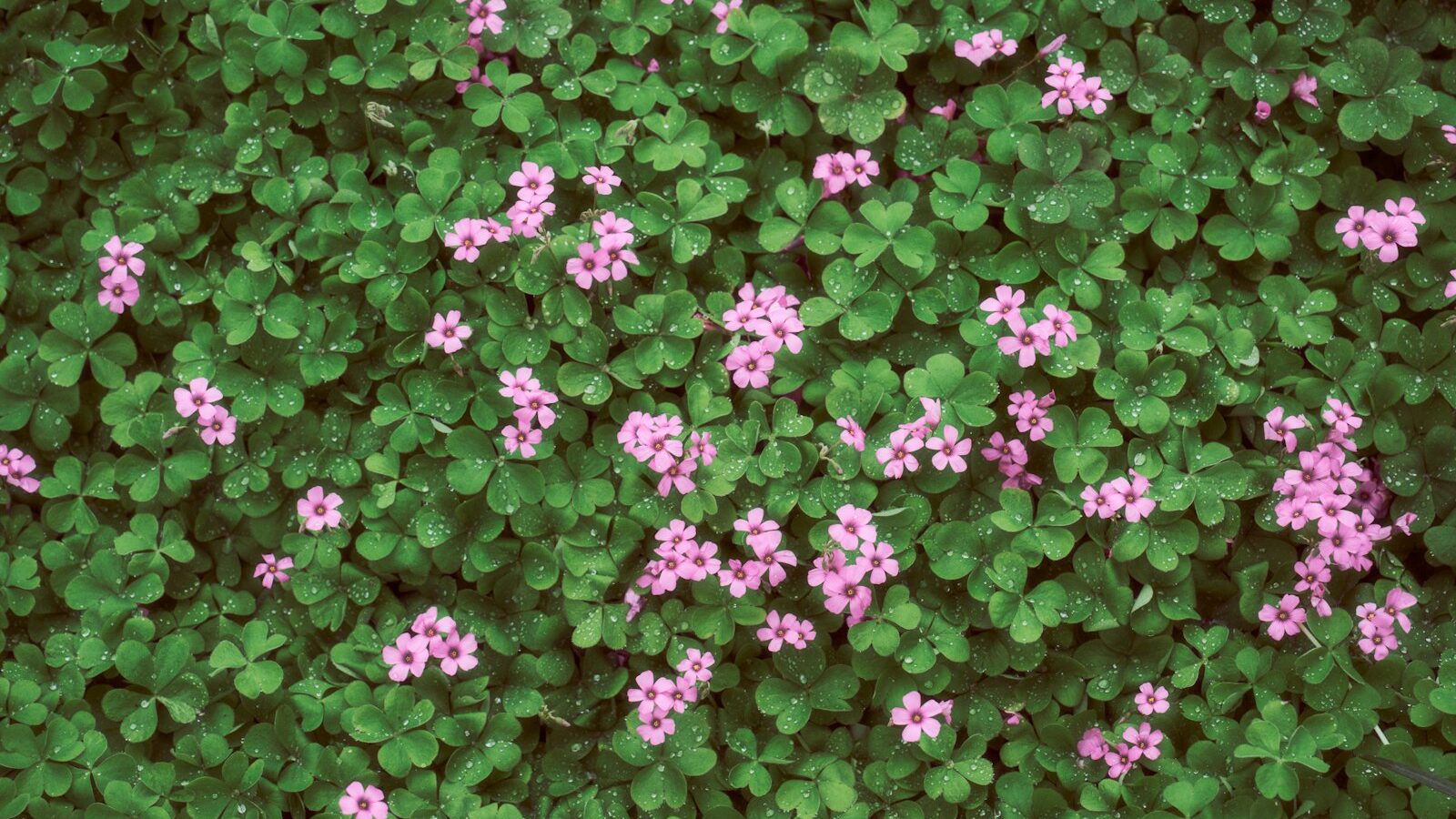
If you’ve never grown sorrel, you’re missing one of the easiest and most rewarding perennial greens a gardener can plant. Its arrow-shaped leaves carry a bright, lemony, almost citrus tang that wakes up salads, soups and sauces—and unlike most leafy crops, sorrel comes back year after year, often as one of the very first edibles to push up in spring while the rest of the garden is still asleep. There are two common kinds: common garden sorrel (Rumex acetosa), with tall, tangy leaves, and French sorrel (Rumex scutatus), a lower, more shield-leaved type with a milder, more refined flavor prized by chefs. Both are tough, productive and remarkably low-maintenance once established.
Key Takeaways
- Hardy perennial: Cold-hardy in USDA zones 3–9; comes back each spring, one of the first greens up.
- Sow or transplant: Direct sow in spring 1/4–1/2 inch deep, thin to 8–12 inches apart, or set out transplants.
- Sun to part shade: Full sun for the biggest harvest; afternoon shade keeps leaves tender in heat.
- Water steadily: Even moisture keeps leaves mild; drought stress brings bitterness.
- Remove flower stalks: Cut bolting stems promptly to keep leaf production going and the plant tender.
- Cut-and-come-again: Harvest outer leaves young; the plant regrows for months.
A perennial that earns its space
Sorrel is a cold-hardy perennial, thriving in USDA zones 3 through 9 and returning reliably each spring for three to four years or more before a clump benefits from division and renewal. Because it’s so hardy, it’s frequently the first fresh green available, emerging weeks ahead of spring-sown crops. That permanence is worth planning for: site it where it can stay put rather than in a bed you rotate annually, ideally toward the edge of a perennial herb or vegetable bed where you won’t disturb it.
When and where to plant
Sow or transplant sorrel in early spring, as soon as the soil can be worked—it tolerates cool conditions and even light frost. You can also sow in late summer for a fall crop in milder regions. Choose a site in full sun for the most vigorous growth, though sorrel happily takes partial shade, and in hot-summer climates a few hours of afternoon shade actually keeps the leaves more tender and less prone to bolting.
Sorrel isn’t picky about soil but does best in fertile, moisture-retentive, well-draining soil rich in organic matter, with a slightly acidic to neutral pH (5.5–6.8). Work in some compost before planting. It grows perfectly well in containers at least 8 inches deep too, which is handy for keeping its spreading habit in check on a patio—see our container and small-space gardening ideas.
How to sow and space sorrel
Direct sow seeds 1/4 to 1/2 inch deep, spacing them a couple inches apart in rows about 12 to 18 inches apart. Germination takes 7 to 14 days. Once seedlings have a few true leaves, thin them to 8 to 12 inches apart so each plant has room to bulk up into a full clump. If you’d rather skip the wait, nursery transplants establish quickly—set them at the same spacing. A single packet of seed produces far more sorrel than most families can eat, so a short row or just two or three plants is usually plenty.
Watering and ongoing care
Sorrel’s flavor and texture depend heavily on consistent moisture. Keep the soil evenly moist—roughly 1 inch of water per week—and the leaves stay lush, tender and pleasantly tart. Let the plant dry out and stress, and the leaves grow tougher, more bitter, and the plant rushes to flower. A layer of mulch around the base conserves moisture, suppresses weeds and keeps the roots cool through summer.
Feeding needs are modest. A spring top-dressing of compost or a light dose of balanced organic fertilizer as growth resumes is enough to fuel a season of leaves. Sorrel is largely untroubled by pests, though slugs and snails may nibble young leaves and occasional aphids can appear—both are easy to manage with handpicking or a strong spray of water. Its biggest “problem” is simply its enthusiasm: it self-seeds readily, so remove flower stalks if you don’t want volunteers popping up around the garden.
Removing flower stalks to keep leaves coming
As the weather warms and days lengthen, sorrel naturally sends up tall flower stalks. Once it flowers and sets seed, the plant pours its energy into reproduction, leaf production slows, and the remaining leaves turn tougher and more bitter. The simple fix is to cut off the flower stalks as soon as they appear. Removing them redirects the plant’s energy back into producing fresh, tender leaves and extends your harvest dramatically through the season. Snip the stalk down low whenever you spot one—it’s the single most important maintenance task for a productive sorrel patch, and it also prevents the prolific self-seeding mentioned above.
Harvesting sorrel
You can begin harvesting sorrel just 30 to 60 days after sowing, once leaves are large enough to use—and an established perennial clump gives you leaves even earlier the following springs. The best approach is cut-and-come-again: harvest the outer leaves first by snipping or pinching them at the base, leaving the central growing point and young inner leaves to keep producing. Picked this way, a sorrel plant supplies leaves continuously for months.
For the best flavor, harvest young leaves—they’re the most tender and have the brightest, most balanced lemony tang. Older, larger leaves grow tougher and sharper but are still fine for cooking, where their acidity mellows. Pick in the morning when the leaves are crisp. If the patch gets tired and tough in midsummer heat, you can shear the whole plant back to a couple of inches; with water it flushes out a fresh crop of tender new growth, often even sweeter as the weather cools toward fall. For more leafy-green guides, see our Plants & Flowers collection.
Using and storing sorrel
Sorrel’s signature lemony tang comes from oxalic acid, which means it pairs beautifully with rich foods—it’s classic in French sorrel soup, blended into a sauce for fish, stirred into omelets, or tossed young into mixed salads. Note that sorrel turns a drab khaki-green when cooked and quickly breaks down with heat; add it at the end of cooking to keep the color and flavor brightest. As with spinach and rhubarb, the oxalic acid means it’s best enjoyed in moderation rather than huge quantities.
Sorrel doesn’t store long—use it within a few days. Keep freshly cut leaves in the refrigerator, loosely wrapped in a damp towel inside a bag, for up to about 5 days. It doesn’t dry well (the flavor fades), but you can freeze a purée: blanch or wilt the leaves briefly, blend, and freeze in ice-cube trays for instant flavor in winter soups and sauces.
Dividing and renewing the patch
After three or four years, a sorrel clump can become crowded and woody at the center, with smaller leaves. Renew it by dividing in early spring or fall: dig up the clump, split it into several pieces each with roots and growing points, discard the old woody core, and replant the vigorous outer divisions. This rejuvenates production and gives you free plants to expand the patch or share. Division is also the easiest way to propagate a particularly tasty French sorrel, which—being shy to set viable seed—is most reliably multiplied this way.
Frequently Asked Questions
Is sorrel a perennial?
Yes. Sorrel is a hardy perennial in USDA zones 3–9, returning each spring for several years—often as one of the very first edible greens to emerge. After three or four years, divide the clump to renew vigorous leaf production.
Why is my sorrel bitter?
Bitterness usually comes from heat, drought stress, or harvesting old leaves after the plant has flowered. Keep the soil consistently moist, cut off flower stalks promptly, and pick young outer leaves in the morning for the mildest, brightest flavor.
Should I cut the flowers off sorrel?
Yes. Removing flower stalks as soon as they appear redirects the plant’s energy back into producing tender new leaves, extends your harvest, and prevents prolific self-seeding around the garden.
How do you harvest sorrel so it keeps growing?
Use the cut-and-come-again method: snip the outer leaves at the base and leave the central crown and young inner leaves intact. The plant keeps producing fresh leaves for months, and you can shear the whole clump back in midsummer for a flush of tender new growth.
How far apart should sorrel be planted?
Thin seedlings or set transplants 8 to 12 inches apart so each plant has room to form a full clump. Two or three plants usually supply more than enough sorrel for a household, since each is highly productive.
Sorrel is the perennial green that keeps on giving: plant it once, keep it watered, snip the flower stalks, and harvest tangy lemony leaves from early spring well into fall, year after year. It’s about as low-effort as edible gardening gets, and few greens add so much brightness to the kitchen. For more easy, productive crops to plant, explore our Plants & Flowers collection.