

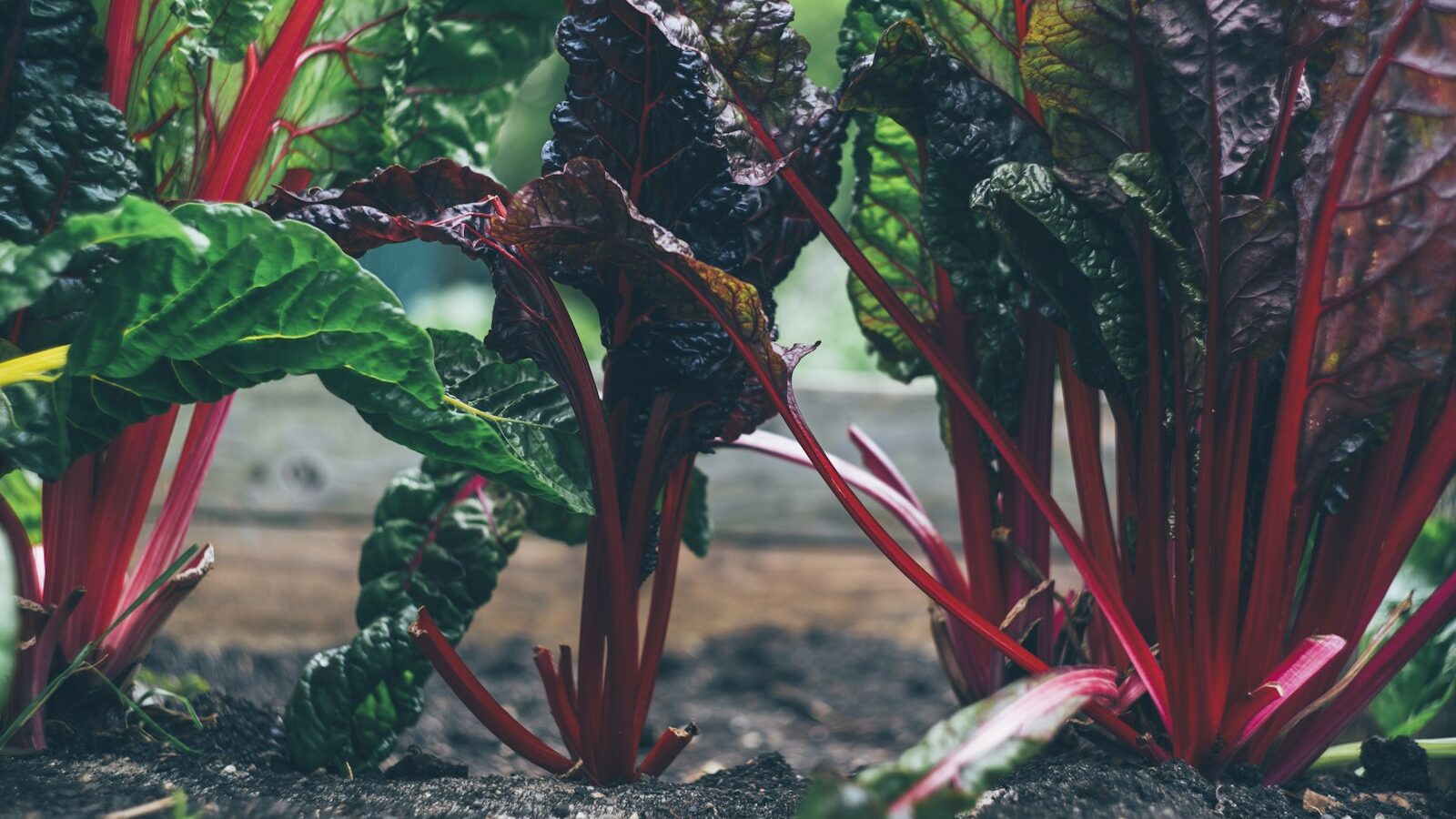
Rhubarb is a hardy perennial that turns out to be one of the most forgiving edible plants you can grow in a cool-climate garden. Plant a crown once and, with minimal fuss, it will deliver thick, tart, ruby-and-green stalks every spring for a decade or more. It thrives where many vegetables struggle—through cold winters and chilly springs—and asks little beyond rich soil, room to spread, and the patience to let it establish before you start pulling stalks. This guide covers everything from choosing crowns and planting to dividing, feeding, and harvesting your rhubarb.
In this guide
Key Takeaways
- Rhubarb is a cold-hardy perennial best suited to USDA zones 3–7; it needs winter chill to thrive.
- Plant dormant crowns in early spring, 3–4 feet apart, with the buds 1–2 inches below the soil surface.
- Do not harvest the first year; take a light harvest in year two and a full 8–10 week harvest from year three.
- Harvest by pulling and twisting stalks, never cutting; eat only the stalks—the leaves are toxic.
- Divide established crowns every 5–6 years to keep plants vigorous and productive.
Is Rhubarb Right for Your Climate?
Before you plant, know that rhubarb is a cool-season crop. It performs best in USDA hardiness zones 3 through 7 and genuinely requires a period of winter cold—temperatures below 40°F—to break dormancy and produce vigorously in spring. In hot southern climates (zone 8 and warmer), rhubarb tends to grow thin, weak stalks and often behaves as a short-lived annual. Gardeners in mild regions can sometimes grow it by planting in fall, providing afternoon shade, and treating it as a one-season crop. For most of the northern US and mountain West, though, rhubarb is a reliable, long-lived perennial.
Choosing Crowns and Varieties
Rhubarb is almost always grown from crowns (also called divisions or sets)—dormant root pieces each bearing at least one growth bud. Growing from seed is possible but slow and produces variable plants, so crowns are strongly preferred. Buy crowns from a reputable nursery in late winter or early spring, choosing firm, healthy roots with one or more plump buds.
Variety choice influences both color and flavor. ‘Victoria’ is the classic, reliable green-to-pink heirloom with a good balance of yield and tartness. For deep red stalks prized for their appearance in pies and sauces, look to ‘Canada Red’, ‘Crimson Red’, or ‘Valentine’, which holds its color even when cooked. ‘MacDonald’ offers tender, bright-red stalks and good disease resistance. Note that stalk color is largely genetic—a green-stalked variety stays green no matter how long you grow it, and green types are often just as sweet as red ones.
Site and Soil Preparation
Choose a permanent spot, because rhubarb dislikes being moved and will occupy the same ground for many years. It wants full sun—though it tolerates light afternoon shade in warmer areas—and deep, fertile, well-drained soil. Like asparagus, rhubarb resents wet feet; crowns sitting in soggy soil over winter are prone to rot.
Rhubarb is a heavy feeder, so prepare the planting area generously. Work in several inches of compost or well-rotted manure to a depth of at least 12 inches, and aim for a slightly acidic to neutral pH of around 6.0 to 6.8. If your soil is heavy clay or drains poorly, plant in a raised bed or mound. Because each plant grows large—up to 3 or 4 feet wide—give it plenty of space and don’t crowd it among other crops. The same thorough soil work pays off across the garden; our notes on preparing garden beds apply well here.
How to Plant Rhubarb Crowns
Plant dormant crowns in early spring as soon as the soil can be worked, or in fall in milder zones. Dig a hole large enough to spread the roots comfortably and set the crown so the buds (the pink or white growing points) sit just 1 to 2 inches below the soil surface. Planting too deep delays emergence and can cause crowns to rot, while planting too shallow exposes buds to drying and frost.
Space crowns 3 to 4 feet apart in all directions—these plants get big. Backfill with the enriched soil, firm it gently around the roots, and water thoroughly. Keep the soil evenly moist as the crown establishes through its first season, but never waterlogged. Adding a generous mulch of compost or straw around (but not directly over) the crown conserves moisture and suppresses weeds.
Ongoing Care
Watering and Feeding
Rhubarb’s large leaves transpire heavily, so it appreciates consistent moisture—about an inch of water per week during the growing season, more in hot, dry spells. As a heavy feeder, it benefits from a yearly top-dressing of compost or aged manure applied in early spring before growth begins, and again lightly after the harvest period ends. A balanced fertilizer in spring boosts leaf and stalk production. Avoid high-nitrogen feeds late in the season, which can produce lush but weak growth heading into winter.
Mulching and Weeding
A thick organic mulch is rhubarb’s best friend: it keeps roots cool, conserves water, and smothers weeds that would otherwise compete with the shallow feeder roots. Refresh it each spring and fall. Keep the area immediately around the crown clear so it doesn’t stay damp and rot. For mulch options and timing, see our guide to mulching vegetable gardens.
Removing Flower Stalks
In late spring or summer, rhubarb often sends up a tall, central flower stalk topped with a feathery seed head—a process called bolting, frequently triggered by heat, stress, or plant age. Flowering diverts energy away from leaf and stalk production, so cut these stalks off at the base as soon as you spot them. Removing flower stalks promptly keeps the plant focused on the edible stems.
Dividing Rhubarb
Over the years, rhubarb crowns grow congested and the center becomes woody, with stalks growing thinner and less productive—frequent flowering is another sign. Every five to six years, divide the plant to rejuvenate it. In early spring (or fall in mild areas) while the plant is dormant, dig up the entire crown and use a sharp spade or knife to cut it into sections, each with at least one strong bud and a good chunk of root. Replant the divisions in refreshed, enriched soil at the proper depth. Division is also the easiest way to share rhubarb with neighbors or expand your patch for free.
Pests and Problems
Rhubarb is relatively trouble-free, which is part of its appeal. The most serious pest is the rhubarb curculio, a rusty snout beetle that bores into stalks and crowns; handpick the beetles and remove nearby curly dock weeds, which serve as a host. Slugs and snails may chew young leaves but rarely cause lasting harm. The main disease concerns are crown rot and root rot, both stemming from poorly drained, waterlogged soil—good drainage and avoiding overwatering prevent most issues. If a crown turns to mush at the center, dig it out promptly to prevent the rot from spreading.
Harvesting Rhubarb
Resist the urge to harvest in the first year—let the plant build a strong root system. In the second year, take a light harvest of just a few stalks over a week or two. From the third year onward, you can harvest fully for an eight to ten week period, generally from mid-spring into early summer.
Harvest stalks when they reach 10 to 18 inches long and are firm and well-colored. Rather than cutting, grasp the stalk near the base, then pull and twist gently so it separates cleanly from the crown—this leaves no stub to rot. Never strip the plant bare; always leave at least a third to half of the stalks intact so it can keep feeding itself. Stop harvesting by early to midsummer to let the plant store energy for winter.
One crucial safety note: rhubarb leaves are toxic, containing high levels of oxalic acid. Cut off and discard (or compost) every leaf, and eat only the stalks. The stalks themselves are perfectly safe and delicious in pies, crumbles, sauces, and jams. Trimmed stalks keep in the refrigerator for up to two weeks and freeze well chopped. If you enjoy plant-once perennials like this, our guide on how to grow asparagus covers another spring staple that produces for decades.
Frequently Asked Questions
Why can’t I harvest rhubarb the first year?
A first-year crown needs all its energy to develop a strong root system. Harvesting too soon weakens the plant and reduces its lifespan. Wait until year two for a light harvest and year three for a full one.
Are rhubarb leaves really poisonous?
Yes. The leaves contain high concentrations of oxalic acid and are toxic if eaten. Always remove and discard the leaves and eat only the stalks, which are safe.
Should I cut or pull rhubarb stalks?
Pull and twist them. Grasp the stalk near its base and gently pull with a slight twist so it detaches cleanly from the crown. Cutting leaves a stub that can rot and invite disease.
Why is my rhubarb producing thin stalks?
Thin stalks usually indicate a young plant, an overcrowded or aging crown, poor nutrition, or too much heat. Feed and mulch generously, stop harvesting to let it recover, and divide the crown if it’s more than five or six years old.
Can I grow rhubarb in a warm climate?
It’s difficult. Rhubarb needs winter cold to thrive and struggles in zones 8 and warmer. In mild regions you can sometimes grow it as a fall-planted annual with afternoon shade, but it rarely persists as a long-lived perennial there.