

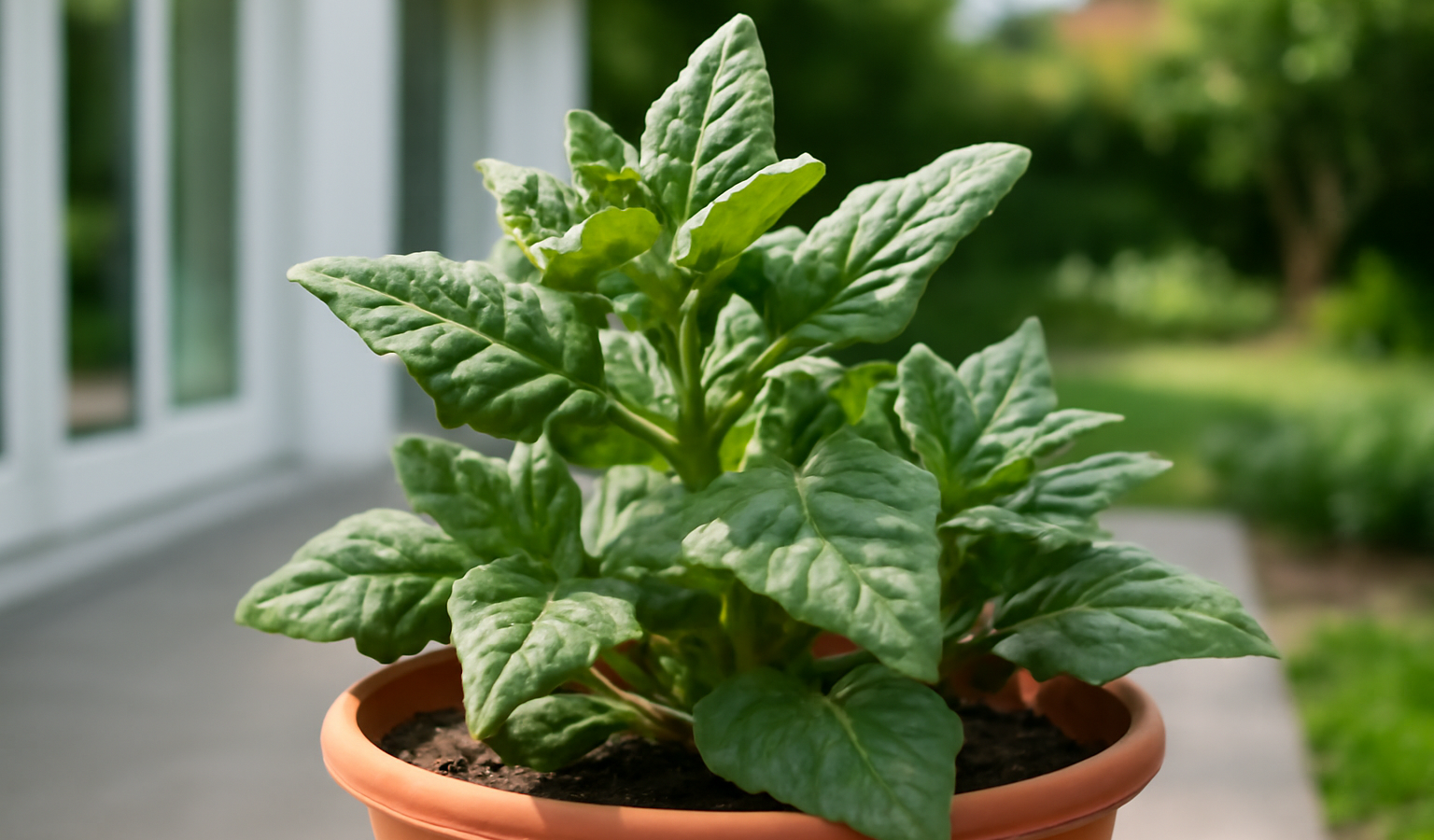
New Zealand spinach (Tetragonia tetragonioides) is the green to grow when summer heat shuts your spinach down. It thrives in exactly the hot, dry, sunny conditions that make true spinach bolt and turn bitter, producing a steady supply of thick, succulent, triangular leaves that cook up tasting remarkably like spinach. Soak the hard, knobbly seeds overnight, sow them half an inch to an inch deep after all danger of frost has passed, space plants 12–18 inches apart, and within two months you have a sprawling, drought-tolerant mat that crops right through the dog days of August. It is not a true spinach — it is not even in the same family — but as a warm-season substitute it is unbeatable, shrugging off heat, sandy soil, and salt spray that would defeat most leafy greens. A tender perennial in frost-free regions, it is grown as a warm-season annual across USDA zones 3–11, killed by the first frost but quick to establish and enormously productive once warm weather settles in. This guide covers seed soaking, sowing timing, spacing, the cut-and-come-again harvest, and the one safety note every grower should know.
Key Takeaways
- Heat-loving: A warm-season green that crops all summer when true spinach bolts; it actually needs heat to perform.
- Soak the seed: The hard fruits germinate slowly — soak 12–24 hours (or overnight) before sowing to speed and improve germination.
- Sowing: Sow 0.5–1 inch deep only after the last frost, once soil has warmed to about 60–65°F.
- Spacing: Give each sprawling plant 12–18 inches; mature plants spread 3–4 feet across.
- Harvest: Pinch the top 3 inches of shoots cut-and-come-again; this keeps plants bushy and cropping until frost.
- Zones & safety: Grown as a warm-season annual in zones 3–11; cook the leaves (don’t eat large amounts raw) due to oxalates.
A Spinach Substitute for the Heat
New Zealand spinach earns its place in the summer garden precisely because it is not true spinach. Botanically it belongs to the family Aizoaceae and is unrelated to Spinacia oleracea, but its thick, fleshy leaves have a mild, slightly salty, spinach-like flavor once cooked, and gardeners have used it as a hot-weather stand-in for centuries. Captain Cook’s crew famously ate it to fend off scurvy on the voyage that gave the plant its common name. Where ordinary spinach is a cool-season crop that bolts and collapses when temperatures climb past the mid-70s, New Zealand spinach loves heat and humidity and only really gets going once summer is in full swing.
The plant grows as a low, spreading, much-branched mat rather than an upright rosette, with succulent stems that root where they touch moist soil. It is genuinely tough: it tolerates poor and sandy soils, coastal salt spray, and considerable drought, making it a brilliant choice for hot, difficult sites where little else leafy will grow. In frost-free climates it can persist as a short-lived perennial, but everywhere with a real winter it is grown as a warm-season annual, sown in spring and cropped until the first frost cuts it down. If you want greens for the cooler shoulders of the year as well, pair it with the bolt-resistant perpetual spinach for near year-round leafy harvests.
Soaking and Sowing the Seed
The first thing to know is that New Zealand spinach “seed” is really a hard, woody, knobbly fruit containing several seeds, and that tough coat makes germination slow and erratic if you sow it dry. The fix is simple and almost mandatory: soak the seeds in water for 12 to 24 hours — overnight is ideal — before planting. Soaking softens the coat and dramatically improves both the speed and the rate of germination. Some growers go further and nick or lightly scarify the seed, but a good soak is usually enough.
Timing and depth
This is a heat-lover, so do not rush it into cold ground. Direct-sow only after all danger of frost has passed and the soil has warmed to roughly 60–65°F (16–18°C) — typically a couple of weeks after your last frost date. Sow the soaked seed half an inch to an inch deep. In short-summer climates (cooler northern zones), get a head start by sowing indoors in pots three to four weeks before your last frost and transplanting out once the weather is reliably warm; just handle the roots gently. Even soaked, germination can take 1–3 weeks, so be patient and keep the soil consistently moist until seedlings emerge. A single sowing in late spring is usually all you need, as the plants then crop for the entire summer.
Site, Soil, and Spacing
Choose a spot in full sun — New Zealand spinach wants all the warmth it can get. It is famously unfussy about soil, succeeding in poor, sandy, and even mildly saline ground, but like most leafy crops it grows fastest and most tender in fertile, moisture-retentive soil enriched with compost. A near-neutral pH suits it well. Because it is so heat- and drought-tolerant, it is an excellent crop for hot raised beds, coastal gardens, and spots that bake all afternoon.
Give the plants room: this is a sprawler. Thin or transplant seedlings to stand 12–18 inches apart, in rows 18–24 inches apart, because a happy plant spreads into a dense mat 3 to 4 feet across over the season. It can also be grown up a low trellis or allowed to cascade over the edge of a large container or raised bed, which keeps the succulent foliage clean and makes harvesting easier. A few plants go a very long way — three or four are plenty for a household — so resist the urge to sow a whole packet in a small bed. Crowded plants compete and produce smaller, tougher leaves.
Watering and Care Through Summer
Once established, New Zealand spinach is remarkably drought-tolerant and will survive dry spells that flatten other greens. For the most tender, abundant leaves, though, water it regularly and deeply — even, consistent moisture keeps the foliage succulent and prevents the leaves from toughening or developing a stronger flavor. A mulch around the base conserves moisture and keeps the sprawling stems off bare soil. Where stems contact moist ground they may root and extend the mat, which is fine if you have space.
Feeding needs are modest. Because you harvest leaves continuously, a periodic nitrogen feed — a balanced liquid fertilizer every few weeks, or a compost side-dressing — keeps growth lush and green. Avoid overfeeding, which can concentrate the oxalates in the leaves. The plant is so vigorous that it largely smothers its own weeds once it spreads, but keep young plants weeded until they fill in. There is little else to do: no staking, no bolt-watching, no fussing. It simply grows and grows until the first autumn frost blackens it overnight, at which point you pull the spent plants. It self-seeds readily, so volunteers may appear in following summers.
Harvesting Cut-and-Come-Again
You can begin harvesting roughly 50–70 days from sowing, once plants are well established and branching. The technique is the key to a long, productive season: pinch or cut the tender growing tips — the top 2 to 4 inches of each shoot — along with their young leaves, rather than stripping individual mature leaves. This cut-and-come-again style does two jobs at once. It gives you the most tender, best-flavored part of the plant, and it encourages the plant to branch, growing bushier and more productive with every cut, much like pinching out basil.
Harvest little and often, every week or two, and the plant responds with a constant supply of fresh tips right through summer until frost. The youngest leaves and tips are the most tender; older, larger leaves toughen and are best in soups or long-cooked dishes. One important note on use: New Zealand spinach is high in oxalates, so it should be cooked rather than eaten raw in quantity — a quick blanch or sauté, as you would treat regular spinach, breaks down much of the oxalic acid and makes it perfectly good eating. People prone to kidney stones should eat it in moderation. Cooked, it wilts down like spinach and works in everything from quiches to stir-fries. For more season-spanning leafy crops, see our plants and flowers hub.
Pests, Problems, and Troubleshooting
New Zealand spinach is one of the most trouble-free greens you can grow, which is much of its charm. Pests are few: slugs and snails may nibble young seedlings before the plant gets going, and aphids can cluster on tender shoot tips in summer — blast them off with water or pinch out infested tips, which you would be harvesting anyway. Its thick, somewhat tough leaves are less appealing to many pests than soft true spinach. Diseases are rare in the warm, airy conditions it prefers.
Most grower complaints come down to a few predictable issues. Poor or no germination is almost always because the seed wasn’t soaked or the soil was too cold — soak the seed and wait for warm ground. Slow, stunted growth early on simply means it’s still too cool; this plant does nothing until real heat arrives, then takes off. Tough or strongly flavored leaves point to dry soil or over-mature growth — water more consistently and harvest younger tips. And sudden total collapse in autumn is just frost doing its job; the plant has no frost tolerance at all, so that blackened mat is your cue that the season is over. Save a few of the woody seedpods and you’ll have free seed for next year. Explore more heat-tolerant edibles like amaranth greens to keep the summer harvest coming.
Frequently Asked Questions
Why do I need to soak New Zealand spinach seed?
The “seed” is actually a hard, woody fruit with a tough coat that makes germination slow and erratic if sown dry. Soaking the seeds in water for 12–24 hours (overnight is ideal) softens that coat and significantly improves both the speed and the percentage of germination. Even after soaking, expect germination to take one to three weeks in warm soil.
Is New Zealand spinach really spinach?
No — it is botanically unrelated to true spinach, belonging to a different plant family entirely. It earned the name because its thick, succulent leaves taste much like spinach when cooked and were used as a spinach substitute by early sailors. Its great advantage is that it thrives in summer heat, cropping when real spinach has long since bolted.
When should I sow New Zealand spinach?
Sow only after all danger of frost has passed and the soil has warmed to about 60–65°F, usually a couple of weeks after your last frost date. It is a true heat-lover and will sulk or fail in cold ground. In short-summer climates, start it indoors a few weeks before the last frost and transplant out once the weather is reliably warm.
How do I harvest New Zealand spinach?
Pinch or cut the tender growing tips — the top 2–4 inches of each shoot with their young leaves — rather than stripping mature leaves. This cut-and-come-again method gives the best-flavored part of the plant and makes it branch and grow bushier, so it crops more heavily with every cut. Harvest little and often, every week or two, until frost.
Can you eat New Zealand spinach raw?
It is best cooked rather than eaten raw in any quantity, because it is high in oxalates. A quick blanch or sauté, exactly as you would cook regular spinach, breaks down much of the oxalic acid and makes it perfectly safe and tasty. Occasional small amounts of the youngest leaves in salad are fine, but people prone to kidney stones should be especially cautious and eat it cooked and in moderation.