

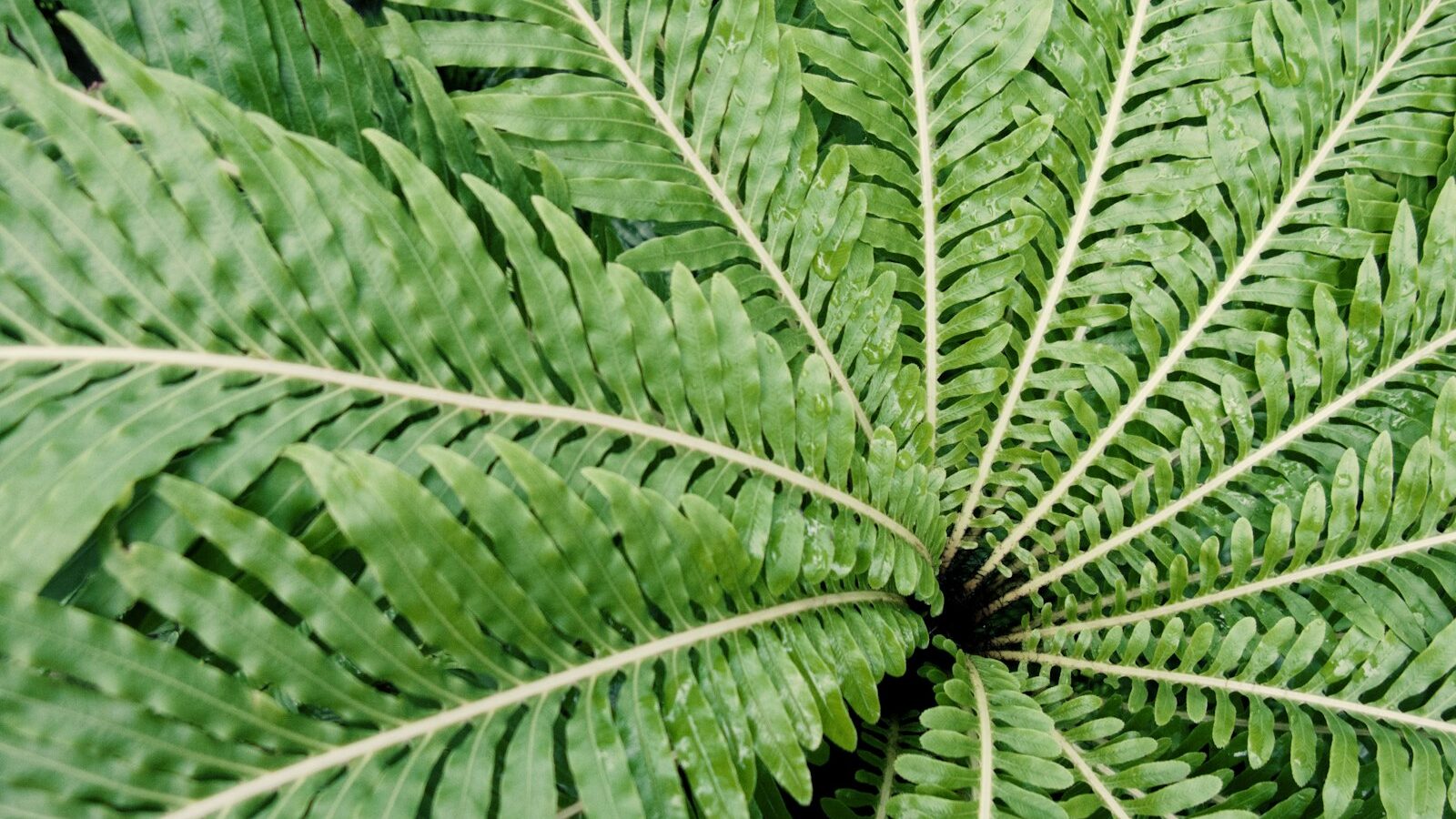
Mahonia is the shrub that does its best work when the rest of the garden is asleep. While most of the border stands bare in the dead of winter, mahonia is pushing out long sprays of fragrant, lemon-yellow flowers above bold, holly-like evergreen leaves, drawing in the few bees brave enough to fly on a mild January afternoon. By spring those flowers ripen into dusty blue-black berries that look uncannily like tiny grapes, which is how the most common species earned its other name, Oregon grape. It is one of the most useful evergreen shrubs you can plant for a shady, difficult corner: architectural, scented, wildlife-friendly, and genuinely low-maintenance once it settles in. This guide covers choosing the right species, planting it correctly, and keeping it looking sharp for decades.
Key Takeaways
- Mahonia is a hardy evergreen shrub (USDA zones 5–9 depending on species) prized for scented yellow flowers in late autumn through winter and edible blue berries that follow.
- It thrives in partial to full shade and moist, humus-rich, well-drained soil, making it ideal for north-facing beds and woodland edges where little else flowers.
- Plant in autumn or spring at the same depth as the nursery pot, spacing tall types 4–6 feet apart and groundcover types 18–24 inches apart.
- Prune lightly right after flowering; tall leggy stems can be cut hard (renewal pruning) to force fresh basal growth.
- The blue berries are edible when cooked into jelly, and the winter flowers are a vital nectar source for early bees.
What Is Mahonia?
Mahonia is a genus of evergreen shrubs in the barberry family (Berberidaceae), closely related to Berberis and sometimes lumped into it by botanists. The leaves are pinnate, meaning each leaf is made up of several leaflets arranged along a central stem, and those leaflets are usually edged with spiny teeth that give the foliage its holly-like, slightly architectural look. Most species are native to East Asia or western North America, and they have evolved to flower in the cool, low-light months when competition for pollinators is almost nonexistent. The flowers are carried in dense racemes or upright spikes, range from soft primrose to deep gold, and most carry a sweet, lily-of-the-valley fragrance that is surprisingly strong on a still winter day.
After flowering, the blooms give way to clusters of small, rounded berries that ripen to a frosted blue-black. These really do resemble miniature grapes, hence “Oregon grape” for the American species, Mahonia aquifolium, which is the state flower of Oregon. The berries are tart but edible once cooked, and they are a magnet for blackbirds, thrushes, and other fruit-eating birds. The whole plant is tough, deer-resistant thanks to those prickly leaves, and remarkably tolerant of neglect once established.
Best Mahonia Varieties to Grow
Choosing the right mahonia matters because the genus ranges from knee-high groundcovers to imposing 10-foot specimens. Match the plant to the space and the season of interest you want.
Mahonia x media ‘Charity’ and ‘Winter Sun’
These are the showstoppers for winter flowers. Tall, upright hybrids reaching 8–12 feet, they throw out long arching sprays of bright yellow scented blooms from November into February. ‘Winter Sun’ is slightly more compact and more strongly scented; ‘Charity’ is the classic, vigorous and reliable. Both are hardy to about USDA zone 7 and are the best choice for a winter-flowering focal point in a sheltered, partly shaded spot.
Mahonia aquifolium (Oregon Grape)
The hardiest and most adaptable species, surviving to USDA zone 5. It is a medium shrub, typically 3–6 feet tall, with glossy leaves that often flush bronze or red in cold weather. It flowers in early to mid spring rather than midwinter, followed by an excellent crop of edible berries. Use it as a tough, suckering screen or a native-friendly shrub in colder gardens.
Mahonia repens (Creeping Mahonia)
A low, spreading groundcover species growing only 12–18 inches tall but slowly carpeting an area by underground runners. It is ideal for stabilizing shady banks or underplanting taller shrubs where you want evergreen cover. Hardy to zone 5, it flowers yellow in spring and colors well in winter.
Mahonia ‘Soft Caress’
A modern, thornless cultivar with fine, fern-like leaflets and no prickles, making it safe near paths and seating. It is more compact at 3–4 feet and a little less hardy (zone 7–8), but it offers a softer texture and golden autumn flowers for those who dislike the spiny look of traditional mahonias.
Where to Plant Mahonia
Mahonia is one of the few flowering shrubs that genuinely prefers shade, which makes it invaluable for the difficult parts of the garden. Partial shade or dappled woodland light is ideal; the tall M. x media hybrids will even cope with full shade against a north or east-facing wall, though they flower a little more sparsely there. Avoid hot, dry, full-sun positions, especially in southern climates, because the foliage can scorch and the soil dries out too fast for the plant’s liking.
Soil should be moist but well-drained, with plenty of organic matter. Mahonias originate from woodland and forest-edge habitats, so they want the kind of leafy, humus-rich earth you would find under deciduous trees. They tolerate a range of pH from slightly acidic to neutral, and will manage in clay as long as it does not sit waterlogged in winter. If your soil is heavy, dig in compost and grit at planting to open it up. A spot sheltered from harsh, drying winter winds will protect both the evergreen leaves and the delicate flowers, which can be browned by bitter gusts. Because mahonia flowers in winter, place it where you will actually see and smell it: beside a door, along a path you use daily, or framed by a window.
How to Plant Mahonia Step by Step
The best planting windows are autumn (September to November) and early spring (March to April), when the soil is moist and temperatures are mild enough for roots to establish before extreme heat or hard frost. Container-grown plants can technically go in year-round if you water diligently, but autumn planting gives the strongest start.
- Water the pot first. Soak the rootball thoroughly an hour before planting so it goes into the ground fully hydrated.
- Dig a wide hole. Make it two to three times the width of the rootball but only as deep, so the plant sits at the same level it was in the pot. Burying the crown too deep invites rot.
- Improve the backfill. Mix the excavated soil with one-third well-rotted compost or leaf mold to feed the roots and improve structure.
- Position and firm. Set the plant in, check the top of the rootball is flush with the surrounding soil, then backfill and firm gently with your heel to remove air pockets.
- Water in well. Give it a full watering can to settle the soil around the roots, even in damp weather.
- Mulch. Spread a 2–3 inch layer of bark, compost, or leaf mold over the root zone, keeping it clear of the stem, to lock in moisture and suppress weeds.
Space tall M. x media hybrids 4–6 feet apart, medium species like M. aquifolium 3–4 feet apart, and creeping types 18–24 inches apart for groundcover. If you are creating a shady shrub border, mahonia pairs beautifully with hellebores, ferns, and spring bulbs at its feet. For more on building up tired, shady ground before planting, our guide on compost versus topsoil explains which amendment does what.
Watering, Feeding and Mulching
For the first one to two years after planting, water regularly during dry spells to help the shrub establish a deep root system. Aim for a deep soak once or twice a week in summer rather than frequent light sprinkles, which encourage shallow roots. Once established, mahonia is fairly drought-tolerant and usually only needs watering in prolonged droughts, especially if growing in shade where soil dries more slowly.
Feeding is simple. An annual spring mulch of well-rotted compost or leaf mold around the base supplies most of what the plant needs and keeps the soil cool and moist. If growth seems weak or leaves are pale, a single application of a balanced slow-release shrub fertilizer in spring will perk it up. Avoid high-nitrogen feeds, which push soft, leafy growth at the expense of flowers. Top up the mulch layer each spring, always keeping it a couple of inches away from the trunk to prevent collar rot.
Pruning Mahonia
Mahonia does not strictly need pruning, but the tall hybrids become leggy and top-heavy over time, with all the foliage and flowers held high on bare stems. The trick is to prune immediately after flowering, so you do not sacrifice next season’s blooms. For routine shaping, simply cut back the flowered stems by 6–12 inches to a strong side bud or whorl of leaves; this encourages branching lower down.
For an overgrown, bare-legged specimen, mahonia responds remarkably well to hard renewal pruning. Cut the tallest stems right down to 12–24 inches from the ground in spring after flowering. It looks brutal, but the plant will respond with vigorous fresh shoots from the base, rejuvenating the whole shrub within a season or two. To avoid a bare gap, stagger this over two or three years, cutting back a third of the oldest stems each year. Always wear gloves and long sleeves, as the spiny leaves are sharp.
Pests, Problems and Berries
Mahonia is admirably trouble-free, but a few issues crop up. Mahonia rust is the most common, showing as bright orange or rust-colored spots on the undersides of leaves; remove and dispose of affected foliage and improve air circulation by thinning crowded stems. Powdery mildew can appear in dry shade with poor airflow, leaving a white coating on leaves; mulching to keep roots moist usually prevents it. Leaf scorch, with browned, crispy leaf edges, signals too much sun, drying wind, or drought stress, so the cure is usually a better-sited or better-mulched plant. Deer and rabbits generally leave it alone because of the prickly foliage.
The blue berries that follow flowering are edible but very tart and full of seeds, so they are best cooked with plenty of sugar into a jelly or added to other fruit for jam. They are high in vitamin C and were a traditional food and medicine of Indigenous peoples of the Pacific Northwest. If you would rather feed the birds, leave the berries on; blackbirds and thrushes will strip them through late spring. For another tough, low-care shrub that earns its place, see our companion guide on growing hardy cyclamen to carpet the ground beneath your mahonia, and browse more options on the Plants and Flowers hub.
Frequently Asked Questions
When does mahonia flower?
It depends on the type. The tall Mahonia x media hybrids such as ‘Charity’ and ‘Winter Sun’ flower from late autumn through midwinter, roughly November to February. Species like Mahonia aquifolium (Oregon grape) flower later, in early to mid spring. Together, different mahonias can give you yellow flowers from November right through to May.
Can mahonia grow in full shade?
Yes. Mahonia is one of the best flowering evergreens for shade and will grow in full or deep shade, including against north-facing walls. It flowers most freely in partial or dappled shade, but it tolerates low light better than almost any other winter-flowering shrub. Avoid hot, dry full sun, which scorches the leaves.
Are mahonia berries safe to eat?
The ripe blue-black berries are edible but very tart and seedy, so they are best cooked into jelly or jam with sugar rather than eaten raw in quantity. They are rich in vitamin C. The roots and bark contain berberine and have traditional medicinal uses, but you should only eat the cooked ripe fruit.
How do I stop my mahonia getting leggy and bare?
Tall mahonias naturally become leggy, but you can fix it with renewal pruning. Right after flowering, cut the tallest, barest stems back to 12–24 inches from the ground. The plant resprouts vigorously from the base. Stagger this over two or three years for a constant display, and tip-prune flowered stems annually to encourage lower branching.
How fast does mahonia grow and how big does it get?
Mahonia is a moderate grower, adding roughly 6–12 inches a year once established. Tall M. x media hybrids reach 8–12 feet over many years, M. aquifolium stays around 3–6 feet, and creeping M. repens tops out at 12–18 inches while spreading sideways. Pruning easily keeps the larger types in bounds.