

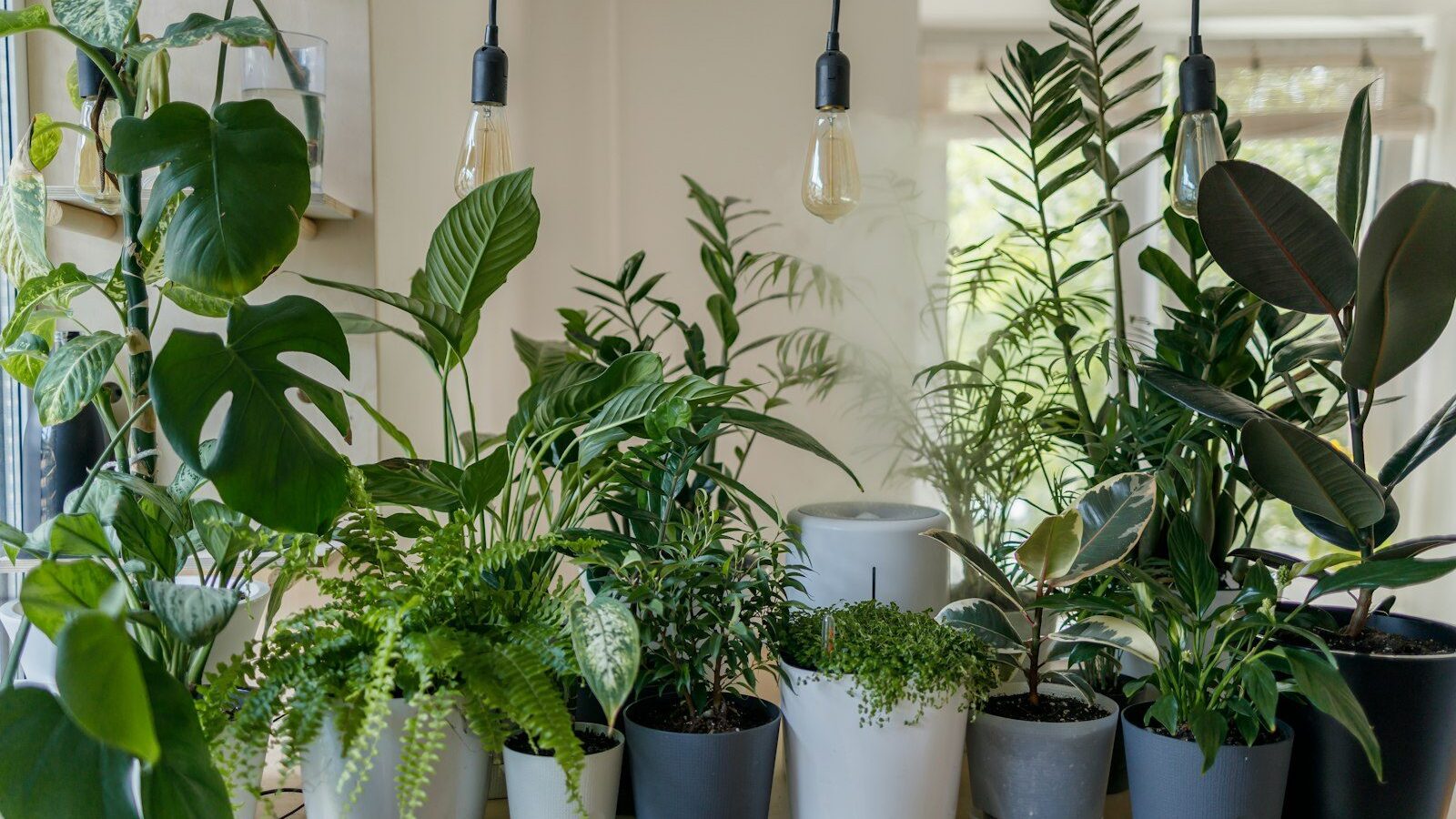
Many houseplants are surprisingly easy to grow from seed, as long as you pick the right ones. Coleus, polka dot plant, sensitive plant, asparagus fern, umbrella tree, ponytail palm, coffee and citrus all germinate reliably at home, and a single packet can give you a windowsill full of plants for the price of one nursery pot. Others, like African violets and cyclamen, work but take patience. And many popular foliage plants, including variegated monstera, pothos and most named cultivars, are not practical from seed at all, because they rarely set seed indoors and do not come true. The method is the same for nearly all of them: fresh seed, a sterile mix, steady warmth around 70 to 80°F, high humidity, and the right amount of light.
Part of our Houseplants & Container Gardening guide →
In this guide
Key Takeaways
- Easiest houseplants from seed: coleus, polka dot plant, sensitive plant, asparagus fern and umbrella tree.
- Most tropical seeds want bottom heat of 70 to 80°F and a humidity dome.
- Some seeds need light to germinate (coleus, African violet); some prefer darkness (cyclamen).
- Large, hard seeds like bird of paradise and sensitive plant benefit from soaking or nicking first.
- Be wary of seed listings for rainbow or variegated plants; variegation rarely passes through seed.
Why Grow Houseplants From Seed?
Seed is cheap, a packet often holds dozens of plants, and you get to watch the whole life cycle. It is also the only way to get some plants that are rarely sold, and a good project for kids and classrooms. The trade-off is time: a coleus from seed fills a pot in about three months, while a ponytail palm or bird of paradise can take years to look like what you see at the garden center. Most growers combine both methods, buying some plants and growing others, and propagating favorites from cuttings. If you want quicker results from plants you already own, see our guide on propagating houseplants.
Which Houseplants Are Practical From Seed
| Plant | Difficulty | Typical germination | Seed needs |
|---|---|---|---|
| Coleus | Easy | 1 to 2 weeks | Light to germinate; surface sow |
| Polka dot plant (Hypoestes) | Easy | 1 to 2 weeks | Barely cover; warm |
| Sensitive plant (Mimosa pudica) | Easy | 1 to 3 weeks | Soak in warm water overnight |
| Asparagus fern | Easy to moderate | 3 to 6 weeks | Soak; cover lightly; warm |
| Umbrella tree (Schefflera) | Moderate | 2 to 4 weeks | Fresh seed; surface or light cover |
| Ponytail palm | Moderate | 2 to 6 weeks | Warm; well-drained mix |
| Coffee (Coffea arabica) | Moderate | 1 to 3 months | Fresh, unroasted seed; warm |
| Citrus from fruit seeds | Easy | 2 to 6 weeks | Fresh seed; peel seed coat to speed up |
| Bird of paradise | Slow | 1 to 6 months | Remove orange tuft; soak; warm |
| African violet | Slow | 2 to 6 weeks | Dust-fine; surface sow; light |
| Cyclamen | Slow | 4 to 8 weeks | Soak; cover; darkness; cool 60 to 65°F |
| Cacti and succulent mixes | Moderate | 1 to 4 weeks, varies | Surface sow on gritty mix; humid at first |
Germination times vary with seed age and temperature, so treat these as typical ranges. Avocado pits are another classic; our guides to growing an avocado from seed and raising an avocado tree from seed cover the water and soil methods.
Houseplants to Skip From Seed
- Variegated plants: “rainbow” monstera, pink-variegated philodendrons and similar seeds sold online are a common scam, and genuine variegation is rarely inherited through seed.
- Named cultivars: hybrids such as specific peace lily or snake plant varieties will not come true from seed.
- Plants that rarely flower indoors: pothos, ZZ plant and many aroids are almost always propagated by cuttings or division.
- Unrealistic colors: blue, rainbow or glowing seeds for common plants are not real.
Buy from established seed companies that name the botanical species, and be suspicious of images that look digitally altered. Monstera deliciosa (green) seed does exist and germinates, but it is perishable and must be fresh.
When to Sow Houseplant Seeds
Because houseplants live indoors, you can technically sow them any time. In practice, late winter through early summer works best. Lengthening days give seedlings more natural light, indoor air is usually less dry than in midwinter when the heat is running, and young plants have a full growing season to bulk up before the short, dim days of fall. If you sow in October through January, plan on a grow light and a heat mat, since cool windowsills and weak light slow germination and produce leggy seedlings. Fresh seed matters more than season for perishable tropical species such as coffee, monstera and palms, so sow those as soon as they arrive rather than storing them.
What You Need
- Sterile seed-starting mix, not garden soil or regular potting soil. For cacti and succulents, mix it half and half with fine grit or perlite.
- Shallow trays, cell packs or small pots with drainage holes.
- A clear humidity dome or plastic bag.
- A seedling heat mat, ideally with a thermostat, since most tropical houseplants want 70 to 80°F at the root zone.
- A grow light or very bright window; seedlings stretch quickly in low light.
- A spray bottle for misting fine seed.
- Labels; many seedlings look alike at first.
A heat mat makes the biggest difference for tropical species. Our comparison of seedling heat mats covers sizes and thermostats.
Step-by-Step: How to Germinate Houseplant Seeds
1. Prepare the seed
Read the packet first. Hard-coated seeds such as sensitive plant, asparagus fern and bird of paradise germinate faster if soaked in warm water for 12 to 24 hours. Bird of paradise seeds also need the fuzzy orange tuft removed, and many growers lightly sand or nick the seed coat. Citrus seeds sprout faster when the papery outer coat is peeled off. Fine seeds like coleus and African violet need no preparation; just handle them carefully. Coffee seeds must be fresh and unroasted, often sold as green coffee seed for planting.
2. Sow at the right depth
Moisten the mix until it feels like a wrung-out sponge and fill the containers. The general rule is to cover a seed to about two to three times its thickness. Dust-fine seeds that need light, such as coleus and African violet, go on the surface and are pressed in gently. Medium seeds, like polka dot plant and umbrella tree, get a light sprinkle of mix or vermiculite. Large seeds, such as bird of paradise, coffee and citrus, are buried about 1/2 inch deep. Cyclamen seeds should be covered and kept in darkness.
3. Add heat and humidity
Cover with a dome or bag and set the tray on a heat mat. Aim for 70 to 75°F for most foliage plants, 75 to 80°F for tropical species such as coffee, bird of paradise and palms, and a cooler 60 to 65°F for cyclamen. Check daily; mist the surface if it starts to dry, and lift the cover briefly to let in fresh air and prevent mold.
4. Provide light once seedlings emerge
As soon as most seeds sprout, remove the dome gradually over a few days and give strong light: a grow light 3 to 6 inches above the seedlings for 12 to 16 hours a day, or the brightest window you have. Turn off the heat mat once most seeds are up, unless your room is cool. Our guide on setting up grow lights for seedlings covers distances and timers.
5. Water and feed carefully
Water from below by setting the tray in a shallow pan for a few minutes, then let it drain. Keep the mix evenly moist, never soggy. Once seedlings have their first true leaves, feed every two weeks with a balanced houseplant fertilizer at quarter strength. A small fan on low helps prevent damping-off and strengthens stems.
6. Pot up
When seedlings have two to four true leaves and are big enough to handle by a leaf, not the stem, move them into individual 2 to 4 inch pots of a regular houseplant mix suited to the species: chunky aroid mix for monstera, gritty mix for succulents and ponytail palm, and standard potting mix for coleus and polka dot plant. Keep them out of direct hot sun for a week while they settle.
Plant-by-Plant Tips
- Coleus and polka dot plant: grow fast; pinch tips at 4 to 6 inches for bushy plants. Bright indirect light keeps color strong.
- Sensitive plant: grows quickly and will fold leaves when touched within weeks; needs bright light and warmth.
- Asparagus fern: slow at first, then fast; mildly toxic berries form on older plants.
- Umbrella tree: keep warm and humid; seedlings dislike drying out.
- Ponytail palm: let mix dry slightly between waterings once established; overwatering is the main killer.
- Coffee: needs steady warmth; seedlings appear with the seed coat on top like a hat. Expect several years before flowering, if ever, indoors.
- Citrus from fruit: grows into an attractive foliage plant, but seedlings from grocery fruit may take many years to flower and fruit may differ from the parent.
- Bird of paradise: be patient; keep the pot warm and mark it so you do not discard it.
- African violet: tiny seed; surface sow on fine mix and keep humid. Plants bloom in roughly 6 to 9 months.
- Cyclamen: germinate in darkness and cool temperatures; expect about a year or more to flowering.
Troubleshooting Germination
- Nothing sprouts: seed may be old, the mix too cold, or seed buried too deep. Check temperature with a soil thermometer and review depth. Our guide on why seeds do not germinate covers other causes.
- Mold on the surface: too wet and too little airflow. Vent the dome and let the surface dry slightly.
- Seedlings collapse at the base: damping-off. Use fresh sterile mix next time and water from below.
- Tall, floppy seedlings: not enough light. Move lights closer.
- Leaves yellow after potting up: overwatering or transplant shock; keep moist, not wet.
Once your seedlings are established, care is the same as for nursery plants. For watering, light and repotting basics, see our houseplants and container gardening guide.
Frequently Asked Questions
What is the easiest houseplant to grow from seed?
Coleus, polka dot plant and sensitive plant are among the easiest. They germinate in one to three weeks with warmth and light and grow quickly into presentable plants.
Can you grow monstera from seed?
Green Monstera deliciosa can be grown from fresh seed, but the seed is perishable. Seeds sold as rainbow or variegated monstera are almost always fake, and variegation rarely passes through seed.
Do houseplant seeds need light to germinate?
Some do and some do not. Coleus and African violet need light, so surface sow them. Cyclamen prefers darkness. Most medium and large seeds germinate under a light covering of mix.
What temperature do houseplant seeds need?
Most germinate best at about 70 to 80°F, so a heat mat helps. Cyclamen is an exception and prefers about 60 to 65°F.
How long does it take to grow a houseplant from seed?
Fast growers like coleus fill a pot in about three months. Slow species like bird of paradise, ponytail palm and coffee can take one to several years to reach a mature look.