

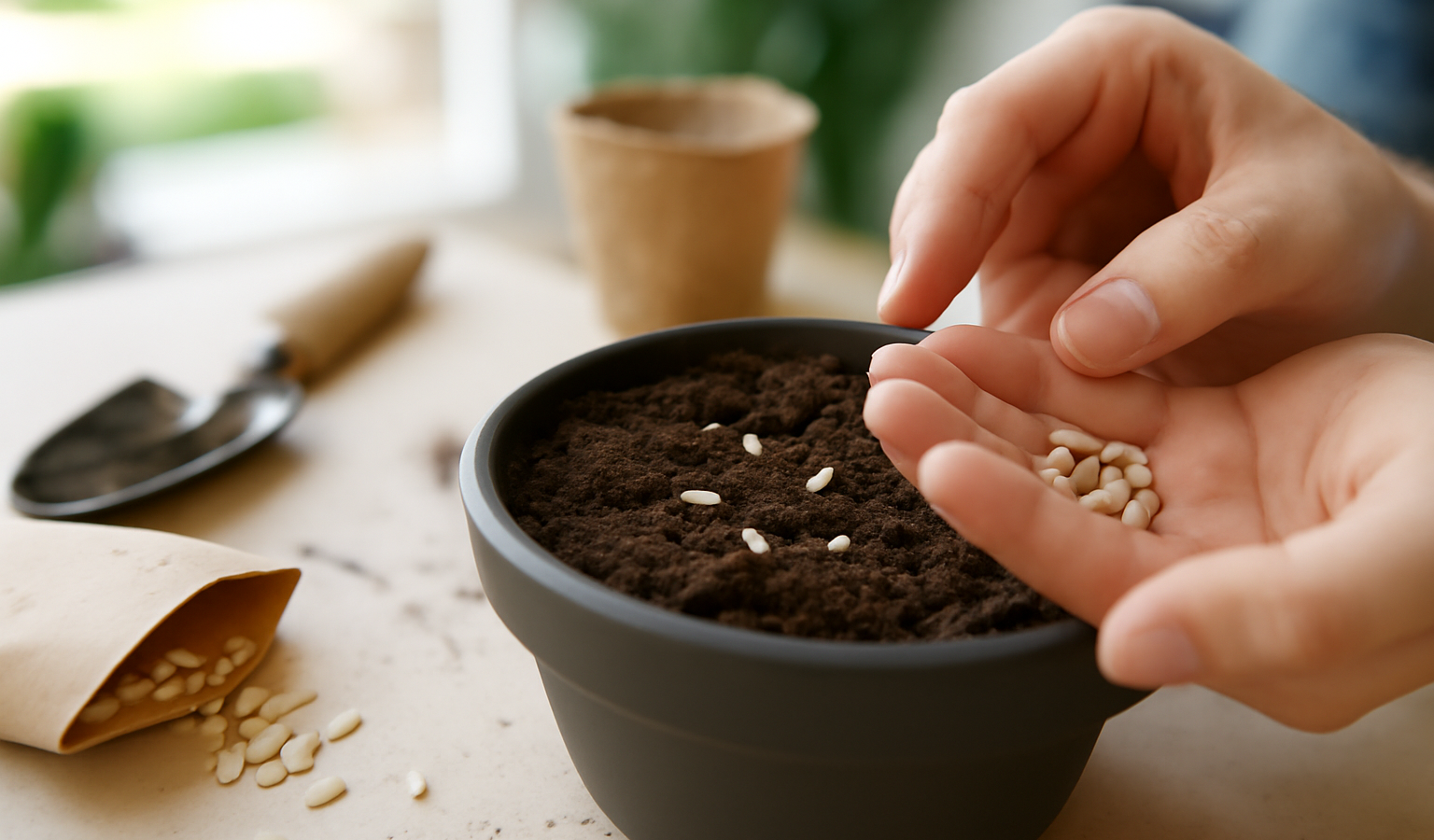
You sowed your seeds, kept an eye on the tray, and… nothing. No sprouts, no green, just bare soil days or weeks past when the packet said they should be up. It is one of the most deflating moments in gardening, but it is also one of the most fixable, because seeds only need a handful of things to germinate and almost every failure traces back to one of them being wrong. Seeds need the correct planting depth, the right temperature, steady moisture (neither bone dry nor waterlogged), and they need to be viable in the first place. Get those four right and most seeds sprout reliably. Get one wrong and you get an empty tray. This guide walks through every common reason seeds fail to germinate, how to diagnose which problem you actually have, and exactly how to fix it so your next sowing comes up strong.
Key Takeaways
- Plant depth matters: sow at roughly two to three times the seed’s width. Too deep and the seedling exhausts itself before reaching light; too shallow and it dries out.
- Temperature is the most overlooked factor. Most vegetables and flowers want soil around 65–75°F. Cold soil stalls or rots seeds.
- Moisture must stay consistent — evenly damp like a wrung-out sponge. Drying out once can kill a sprouting seed; staying soggy rots it.
- Old or poorly stored seed loses viability. Test germination on a paper towel before sowing a whole tray.
- Some seeds need light to germinate, others need darkness; some need soaking, scarifying, or cold stratification first. Always check the packet.
Planting Depth Is Wrong
Depth is one of the most common and easily fixed reasons seeds never appear. A seed contains only enough stored energy to push a shoot a certain distance to the surface. Bury it too deep and the seedling runs out of fuel underground and dies before it ever breaks through. Sow it too shallow, on the other hand, and it dries out between waterings or washes away. The general rule is to plant a seed at a depth of about two to three times its own diameter. That means tiny seeds like lettuce, basil, and many flowers barely get covered, while larger seeds like beans, peas, and squash go down an inch or so.
How to diagnose it
Think back to how you sowed. If you pressed small seeds deep into the mix or buried fine seed under a thick layer of soil, depth is the likely culprit. You can also dig gently into the tray after the expected germination window: if you find seeds that sprouted but the pale shoots petered out partway up, they were planted too deep. Seeds that simply vanished or never swelled may have been too shallow and dried out, or never had the right conditions at all.
How to fix it
Re-sow at the correct depth. For very small seeds, scatter them on the surface and press in lightly or dust with a thin sprinkle of fine mix or vermiculite — just enough to hold moisture, not bury them. For medium and large seeds, follow the packet, which lists the depth. When unsure, err shallow rather than deep; a shallow seed that gets kept moist will almost always beat one buried too far down.
Soil Temperature Is Too Cold (or Too Hot)
Temperature is the factor gardeners most often ignore, and it is frequently the real reason for a blank tray. Seeds germinate based on soil temperature, not air temperature, and most warm-season crops — tomatoes, peppers, squash, cucumbers, basil — want soil in the 70–85°F range. Sow them into 50°F spring soil and they sit there, sulking, for weeks before sprouting, if they do not rot first. A few cool-season crops are the reverse: lettuce, spinach, and some others actually refuse to germinate when soil is too warm, above roughly 80°F.
How to diagnose it
Check the actual soil temperature with an inexpensive soil thermometer pushed into the tray or bed, ideally in the morning. Compare it against the optimal range on the seed packet. If you started warm-season seeds indoors early in spring on a cold floor or near a drafty window, the mix is probably far colder than the room. If outdoor-sown seeds are sitting in early-spring ground, cold soil is almost certainly the issue.
How to fix it
For indoor sowing, set trays on a seedling heat mat, which keeps the mix in the ideal 70–80°F window and dramatically speeds and improves germination for warm-season crops. Keep trays off cold floors and out of cold drafts. Outdoors, wait until the soil warms to the right range before direct-sowing, or pre-warm beds with black plastic or a cloche. For heat-sensitive greens in summer, sow in the cool of evening, shade the bed, or start them indoors in a cooler spot.
Moisture Problems — Too Dry or Too Wet
Germinating seeds need consistent moisture, and both extremes are fatal. A seed absorbs water to break dormancy and begin sprouting; if the mix dries out even once during this process, the partially sprouted seed can die. But the opposite is just as deadly — soil that stays waterlogged starves seeds of oxygen and breeds the fungi that cause seeds to rot and seedlings to collapse from damping off.
How to diagnose it
Touch and look at the surface. If it is dusty, pale, and dry, your seeds are likely drying out between waterings, especially under bright light or a fan. If the surface is constantly glistening wet, growing green algae or white fuzzy mold, or sitting in standing water, you are overwatering. Seeds that rot from too much moisture often turn mushy and dark if you dig them up; seeds killed by drought may simply look shriveled and unchanged.
How to fix it
Aim for a mix that feels like a wrung-out sponge — evenly damp, never soggy. Cover newly sown trays with a humidity dome or plastic wrap to hold moisture steady until sprouts appear, then remove it so air can circulate. Water gently from below by setting the tray in a shallow bath and letting the mix wick up moisture, or mist the surface rather than blasting it with a heavy stream. Always use trays with drainage holes so excess water escapes. The moment seedlings emerge, ease off so the surface can dry slightly between waterings, which fends off damping off.
Old or Improperly Stored Seed
Seeds are alive, and they lose viability with age. Some, like onions, leeks, and parsnips, are notoriously short-lived and may not germinate well after a single year. Others, like tomatoes and many brassicas, stay viable for four or five years if stored well. But heat and humidity destroy seed fast — a packet left in a hot garage, a steamy shed, or a sunny windowsill can be dead within a season regardless of the date on it.
How to diagnose it
Run a simple germination test. Place ten seeds on a damp paper towel, fold it over, seal it in a plastic bag, and keep it somewhere warm (around 70°F). After the seed’s normal germination period, count how many sprouted. If seven or more of ten sprout, the seed is good; if only two or three do, the lot is weak and you should buy fresh seed or sow much more thickly to compensate. Also recall how the seed was stored — a packet that spent summer in a hot car is a prime suspect.
How to fix it
Replace dead or weak seed with fresh stock from a reputable supplier. Store leftover seed in a cool, dark, dry place — an airtight container in the refrigerator with a desiccant packet is ideal — and label it with the year. Use up short-lived seed first. When in doubt about an old packet, test before you commit a whole tray and a growing window to it.
Special Germination Requirements
Some seeds simply will not sprout under ordinary conditions because they have built-in dormancy mechanisms or specific triggers. Tiny seeds like lettuce, snapdragon, and many flowers need light to germinate and will fail if buried. Others, including some perennials and natives, need cold stratification — a period of moist cold mimicking winter — before they break dormancy. Hard-coated seeds like morning glory, nasturtium, and sweet peas germinate far better after soaking or nicking the coat (scarification).
How to diagnose it
Read the seed packet and look up the specific plant. If it calls for light, cold stratification, soaking, or scarification and you skipped that step, you have found your answer. These needs are most common with perennials, wildflowers, and hard-shelled seeds rather than everyday vegetables.
How to fix it
Give the seed what it asks for. Surface-sow light-dependent seeds and leave them uncovered. Cold-stratify by mixing seed with damp sand or a moist paper towel in a bag and refrigerating for the recommended weeks before sowing. Soak hard-coated seeds in warm water overnight, or gently nick or sand the coat to let water in. Matching the treatment to the species turns a stubborn no-show into reliable germination.
How to Prevent Germination Failure
Reliable germination comes down to controlling the four essentials and respecting any special needs. Start with fresh, well-stored seed and run a quick paper-towel test on anything old. Use a clean, fine seed-starting mix rather than dense garden soil or old reused potting mix, which can harbor disease. Sow at the correct depth for each seed’s size, and label everything so you know what should come up and when. Provide warmth — a heat mat is the single best upgrade for warm-season seeds — and keep the mix evenly moist under a humidity dome until sprouts appear, then increase airflow to prevent damping off. Give light-dependent seeds light and pre-treat any seed that needs soaking or stratifying. Finally, be patient and track dates: some seeds take two or three weeks, and pulling the plug too early wastes viable seed. For more sowing know-how, see the Plants & Flowers hub, and if a particular crop is giving you trouble after sprouting, our guide on why cilantro bolts covers a common follow-on problem with cool-season greens.
Frequently Asked Questions
How long should I wait before deciding seeds failed?
Check the packet’s germination range and add a buffer. Fast crops like radish and lettuce sprout in three to seven days, while peppers, parsley, and many perennials can take two to three weeks. Wait at least until the high end of the listed range — plus a few extra days if your soil is on the cool side — before giving up.
Why did some seeds sprout but most didn’t?
Patchy germination usually means the conditions were borderline — slightly too cold, uneven moisture, or seed of declining viability where only the strongest ones made it. It can also mean some were sown at the right depth and others too deep. Improve warmth and moisture consistency, and consider testing the seed lot.
Can I just use regular garden soil to start seeds?
It is not recommended. Garden soil compacts in trays, drains poorly, and often carries weed seeds and fungal pathogens that cause damping off. Use a light, sterile seed-starting mix designed to hold moisture while staying airy. It germinates seeds far more reliably.
Do I need a heat mat to germinate seeds?
Not always, but it helps enormously for warm-season crops like tomatoes, peppers, and basil started indoors in cool conditions. A heat mat keeps the mix in the ideal 70–80°F range, speeding and improving germination. Cool-season seeds and summer outdoor sowing generally do not need one.
Why do my seeds rot instead of sprouting?
Rotting seeds are almost always a sign of soil that is too wet, too cold, or both, which lets fungi take over before the seed can germinate. Use a sterile mix, water to keep it evenly damp rather than soggy, ensure drainage, and provide warmth so seeds sprout quickly and outpace rot.