

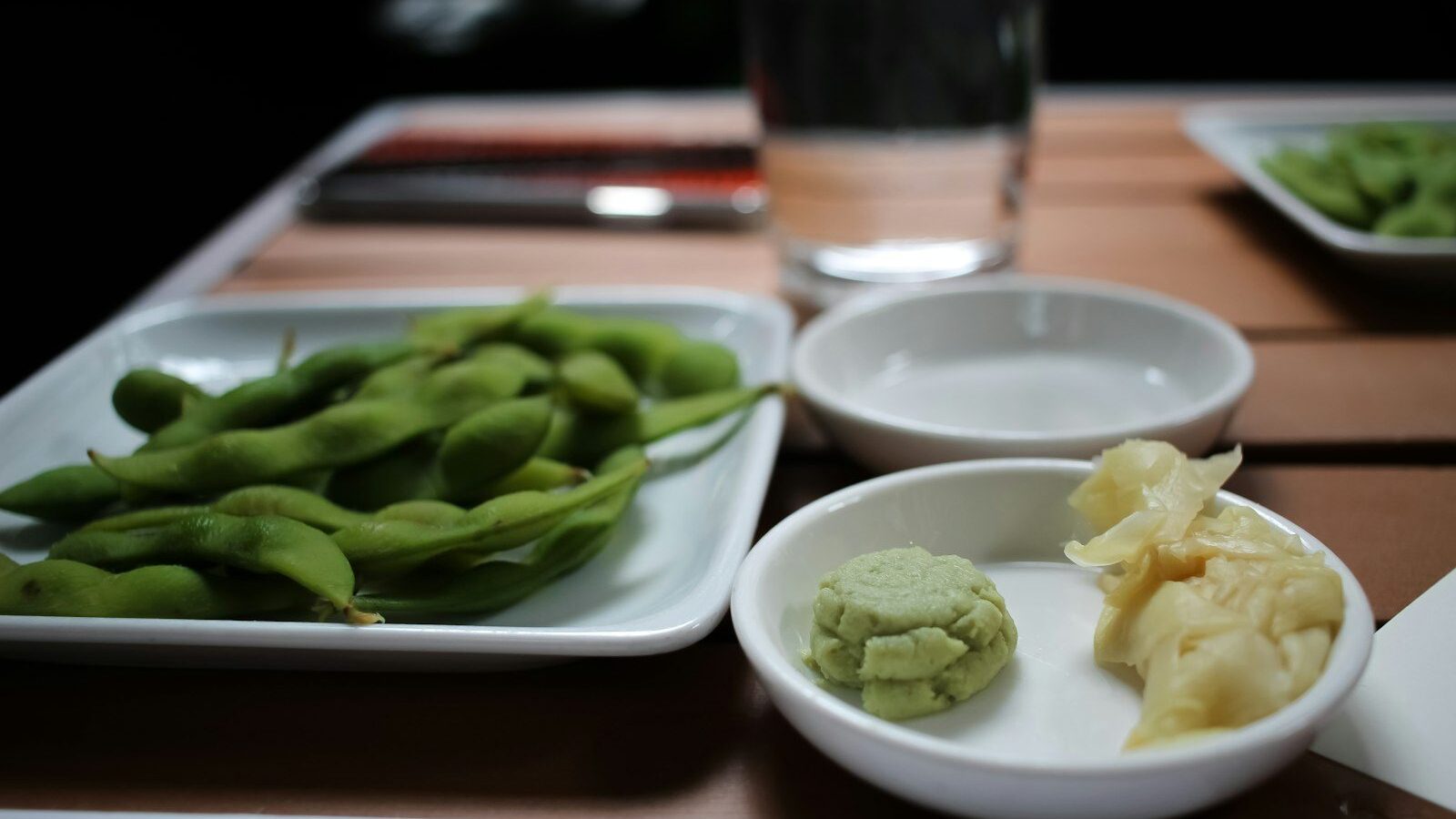
Edamame — immature soybeans (Glycine max) harvested green and steamed in the pod — is one of the most satisfying and underrated crops in the home garden. The plants are compact, bushy, problem-resistant, and as nitrogen-fixing legumes they actually improve your soil while they grow. Unlike the dried soybeans grown for tofu and oil, edamame varieties are bred to be picked young, when the beans are plump, sweet, and tender. The catch is timing: edamame has a relatively narrow harvest window and the whole plant tends to ripen at once, so a little planning goes a long way. This guide covers when and where to plant, spacing, days to maturity, watering, and exactly how to recognize and harvest pods at their peak.
Key Takeaways
- Direct-sow 1–1.5 inches deep after the last frost, once soil reaches 60–70°F; edamame resents cold soil and transplanting.
- Days to maturity run about 75–100 days depending on variety; most of the crop ripens within a 1–2 week window.
- Space seeds 2–4 inches apart in rows 18–24 inches apart, thinning to about 4–6 inches between plants.
- Give full sun and steady moisture — about 1 inch of water per week — especially during flowering and pod fill.
- Sow in succession every 1–2 weeks for a longer harvest, since the whole plant matures at once.
- Harvest when pods are plump, bright green, and 80–90% filled — pull the whole plant and pick, then blanch and eat or freeze quickly.
When and Where to Plant
Edamame is a warm-season legume that, like its cousin the green bean, needs warm soil to germinate well. Sow seeds after all danger of frost has passed and the soil has warmed to at least 60°F, ideally 65–70°F — usually one to two weeks after your last spring frost. Seeds planted in cold, wet soil rot or germinate poorly, so resist the temptation to rush. In most of the US that means mid-to-late May into June.
Pick a spot in full sun, at least six to eight hours daily, with well-drained soil. Edamame isn’t fussy about fertility — as a legume it fixes its own nitrogen with the help of soil bacteria — so avoid high-nitrogen fertilizer, which produces lush leaves at the expense of pods. A neutral to slightly acidic pH of 6.0–6.8 is ideal. If you’ve never grown legumes in the bed, treating the seeds with a soybean-specific inoculant (the bacteria that enable nitrogen fixation) before sowing can noticeably improve yields and plant vigor. Edamame is best direct-sown, because soybeans dislike root disturbance and rarely transplant well; only gardeners in very short-season climates should start seeds indoors, and then in biodegradable pots to minimize root shock.
Planting and Spacing
Sow seeds 1 to 1.5 inches deep, spacing them about 2 to 4 inches apart in rows 18 to 24 inches apart. Once seedlings are established, thin them to roughly 4 to 6 inches between plants. The plants grow into sturdy, self-supporting bushes one to three feet tall and generally don’t need staking, though a double row can lean on itself for support.
Because edamame tends to ripen all at once, the single best trick for a longer harvest is succession planting: sow a new short row every one to two weeks through early summer, or plant two or three varieties with staggered maturity dates. That spreads the harvest over several weeks instead of giving you a wall of ripe pods in a single weekend. Stop sowing about 90 to 100 days before your first expected fall frost so the last planting has time to fill out. Mulching once seedlings are up conserves moisture and keeps weeds down, but cultivate shallowly near the plants since soybean roots run near the surface.
Days to Maturity and Watering
Edamame varieties mature in about 75 to 100 days from sowing. Early types like ‘Envy’ and ‘Beer Friend’ come in around 75–80 days, while larger-seeded varieties may need 90 days or more. Because nearly the whole plant ripens within a one-to-two-week window, knowing your variety’s days to maturity helps you anticipate that short, intense harvest.
Water is most critical during flowering and pod fill — the period that determines how plump your beans get. Aim for about 1 inch of water per week, more during hot, dry spells, delivered deeply at the base of the plants. Drought stress while pods are filling causes small, flat, poorly developed beans, so don’t let the bed dry out in midsummer. At the same time, soybeans dislike waterlogged soil, so good drainage matters. Watering at soil level rather than overhead keeps the foliage dry and reduces the chance of fungal disease. Because edamame feeds itself with fixed nitrogen, supplemental fertilizer is rarely needed; if growth is weak in poor soil, a light dose of a low-nitrogen, phosphorus-rich fertilizer at flowering supports pod set without overgrowing the foliage. For more on building healthy vegetable beds, see our companion guide on growing delicata squash.
Common Problems
Pests
Edamame is relatively trouble-free, but Mexican bean beetles, aphids, Japanese beetles, and stink bugs can all show up. Stink bugs are the most damaging to the pods, leaving discolored, dimpled beans. Inspect regularly, hand-pick beetles, and use floating row covers on young plants (removing them at flowering isn’t necessary since soybeans are self-pollinating). Rabbits and deer relish the tender foliage, so fencing may be needed where they’re a problem.
Disease
Good spacing, base watering, and crop rotation prevent most fungal and bacterial diseases such as downy mildew, white mold, and bacterial blight. Avoid working among the plants when the foliage is wet, which spreads spores, and rotate so legumes don’t grow in the same bed two years running.
Poor Pod Fill
Flat or empty pods usually trace to drought stress during pod fill or to excessive nitrogen driving leafy growth over reproduction. Keep moisture steady through midsummer and skip the high-nitrogen feed to keep beans plump. Heat above 95°F during flowering can also cause blossom drop and is best avoided by timing plantings around the hottest stretch where possible.
How to Harvest Edamame
Harvest timing is what makes or breaks an edamame crop. You want the beans green, plump, and tender — not dried. Pick when the pods are bright green, full, and about 80 to 90 percent filled, so the individual beans visibly bulge but the pods haven’t yet started to yellow. At this stage the pod is fat and the seam is still smooth; squeeze a pod and the beans should feel firm and rounded. The window is short — often just a week or so — because once the pods begin turning yellow the beans become starchy, hard, and far less sweet, more suited to drying than to eating fresh.
Because the whole plant ripens together, the easiest method is to pull or cut the entire plant and strip the pods off all at once, rather than picking pod by pod. Many gardeners harvest the whole row at peak and process it in one session. The pods are slightly fuzzy and grip tightly, so a firm tug or snip at the stem works best.
Edamame’s sugars convert to starch quickly after picking, so process the harvest fast for the best flavor. The classic preparation is to boil or steam the pods for about 5 minutes in salted water, then eat them warm, squeezing the beans straight from the pod. To preserve a glut, blanch the pods for a couple of minutes, plunge them into ice water, drain, and freeze — frozen edamame keeps its quality for months and tastes far better than store-bought. Don’t compost the pulled plants right away if you want to capture their soil benefit: their roots leave behind nitrogen-rich nodules, so chop the spent plants in and the next crop will thank you. For more harvest-and-store crops to round out your beds, browse the full Plants & Flowers collection.
Frequently Asked Questions
How long does edamame take to grow?
Most varieties mature in about 75 to 100 days from sowing, with early types ready in 75–80 days. Keep in mind that nearly the whole plant ripens within a one-to-two-week window, so succession planting helps spread out the harvest.
How far apart should I plant edamame?
Sow seeds 2 to 4 inches apart, 1 to 1.5 inches deep, in rows 18 to 24 inches apart, then thin to about 4 to 6 inches between plants. The bushy plants are self-supporting and rarely need staking.
When do I harvest edamame?
Pick when the pods are bright green, plump, and about 80–90% filled, so the beans visibly bulge but the pods haven’t yellowed. The window is short — once pods start turning yellow the beans become starchy. Pull the whole plant at peak and strip the pods.
Can I grow edamame from store-bought soybeans?
It’s not recommended. Edamame is a specific type of soybean bred to be eaten green and tender, whereas store-bought dried soybeans are field types better suited to processing. Buy seeds of a named edamame variety like ‘Envy’ or ‘Midori Giant’ for the best results.
Does edamame need a lot of fertilizer?
No. As a nitrogen-fixing legume, edamame supplies most of its own nitrogen, so high-nitrogen fertilizer just produces leafy growth at the expense of pods. Inoculating the seed and ensuring steady moisture matter far more than feeding.
Edamame rewards a little planning with a delicious, protein-rich harvest and better soil to boot. Sow into warm soil, stagger your plantings, keep the beds evenly moist through pod fill, and pick at that plump, bright-green peak. Steam a fresh batch within the hour and you’ll understand why this easy legume deserves a spot in every summer garden.