

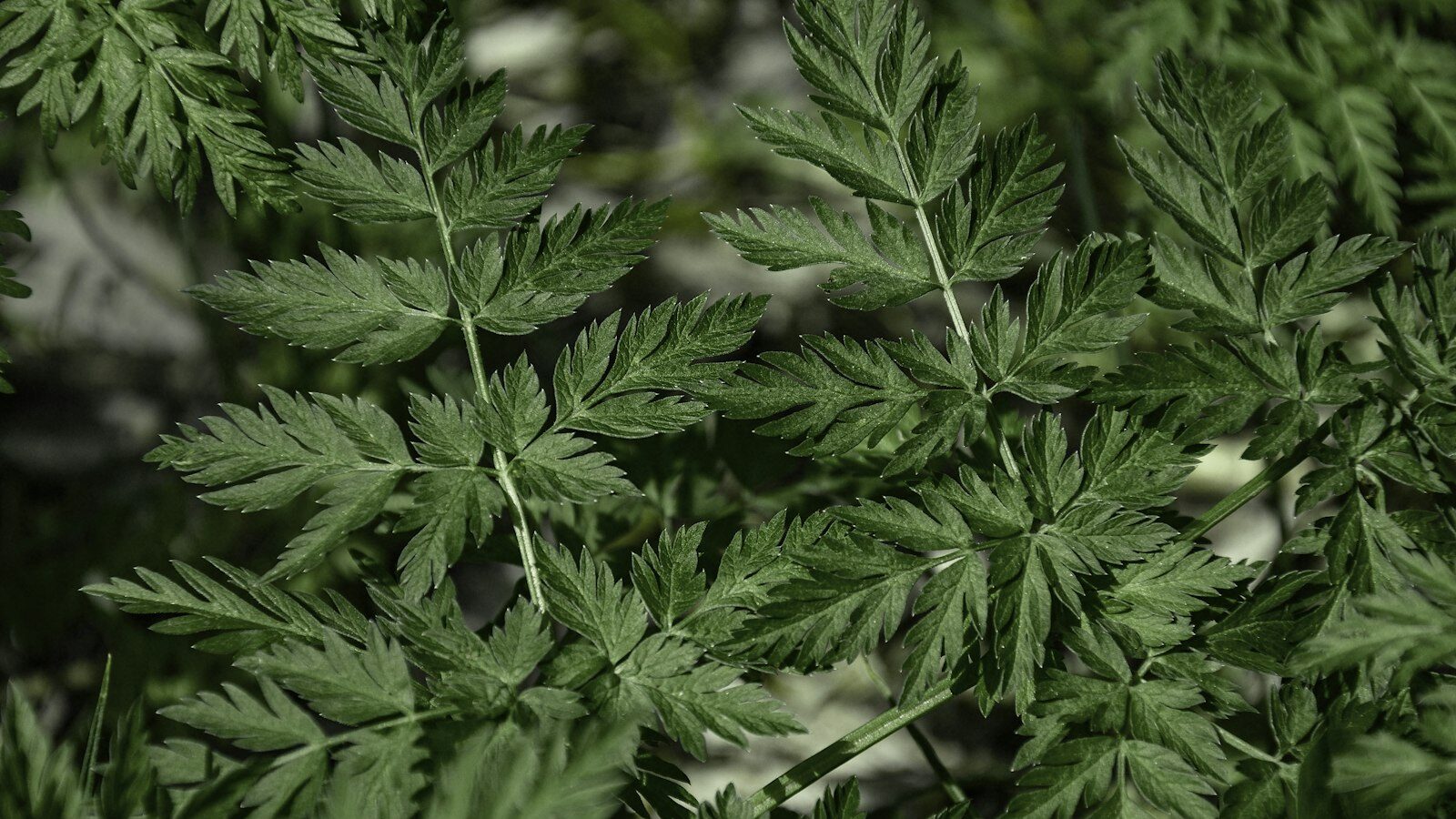
Celery has a reputation for being fussy, and it has earned it honestly. This is a long, cool-season crop that asks for two things above all else: steady moisture and rich, fertile soil. Give it those, and you’ll be rewarded with crisp, mild stalks far better than anything in a supermarket clamshell. Skimp on water or feeding, and you’ll get tough, bitter, stringy stalks that confirm every bad thing you’ve heard about homegrown celery.
Celery quick facts
- Cool-season & long-growing — needs patience
- Constant moisture & rich soil = crisp, mild stalks
- Inconsistent water makes it tough & bitter
- Harvest outer stalks or the whole plant
- You can regrow celery from the base
As an Amazon Associate we earn from qualifying purchases.
If you’re brand new to edibles, it’s worth understanding why celery behaves the way it does before you plant a single seed. Celery’s wild ancestor grew in marshes and ditches, which is why it craves constant moisture and never quite forgives you for letting it dry out. Treat it like a bog plant that happens to live in your garden bed, and most of the mystery disappears. For the bigger picture on growing food in small spaces, our urban gardening guide ties all of these crops together.
Understanding celery before you plant
Celery (Apium graveolens) is a biennial usually grown as an annual. It takes roughly 100 to 130 days to mature from transplant, and longer from seed, which makes it one of the more patient crops in the vegetable garden. It thrives in cool weather between about 60 and 70°F. Sustained heat above 80°F or a cold snap below 50°F early on can cause it to bolt (flower and go to seed), ruining the stalks.
The three things celery refuses to compromise on
- Water: Celery has shallow roots and high water needs. The soil should stay consistently moist — never soggy, never dry.
- Nutrition: It is a heavy feeder. Poor soil produces thin, bitter, stringy stalks.
- Temperature: Cool and steady is the goal. Plant so the bulk of growth happens in spring or fall, not the heat of summer.
The single most important takeaway is this: inconsistent watering is the number one reason celery turns out tough, bitter, and stringy. Stress from drying out signals the plant to toughen up and develop bitter compounds. Almost every celery failure traces back to this.
Starting celery from seed or transplants
You have two routes into a celery crop, and the right one depends on how much patience and time you have.
Starting from seed (the slow road)
Celery seed is tiny, slow to germinate (often 2 to 3 weeks), and needs to be started indoors about 8 to 10 weeks before your last frost. Because of that long lead time, seed starting is the route for gardeners who want specific varieties or a big crop on a budget. Sow seeds on the surface of moist seed-starting mix and barely cover them — they need light to germinate. Keep them warm (around 70°F) and never let the surface dry out. A humidity dome helps enormously.
- Press seeds gently onto the surface; do not bury them.
- Keep moist with bottom watering or a fine mist.
- Once true leaves appear, thin to one strong seedling per cell.
- Harden off gradually before planting outdoors.
You’ll want shallow trays and a quality starting mix. Grab celery seeds and a set of seed starting trays to get going. For a full walkthrough of lights, timing, and hardening off, see our guide to seed starting indoors.
Starting from transplants (the fast road)
Buying nursery transplants skips the trickiest 8 weeks entirely. Look for stocky, deep-green seedlings without any sign of yellowing or a developing flower stalk. Plant them out after the last frost once soil has warmed, spacing them 8 to 10 inches apart in rows about 18 to 24 inches apart. Transplants are the smarter choice for most beginners and anyone with a shorter growing season. If you’re assembling a whole bed of cool-season crops, our guide on how to start a vegetable garden covers layout and timing.
Soil, sun, and the right spot
Soil that holds moisture and nutrients
Celery wants deep, rich, moisture-retentive soil with plenty of organic matter. Before planting, work in 2 to 3 inches of compost or well-rotted manure. Aim for a soil pH between 6.0 and 7.0. Heavy soils that hold water are actually an advantage here, as long as they don’t turn waterlogged. If your soil is sandy and drains fast, add extra compost and plan to water even more often, or grow in a container where you control the mix.
Sun and part shade
Celery grows best in full sun in cooler climates, but in warm regions a spot with afternoon part-shade is a real advantage. Part-shade keeps the soil cooler and moister and reduces the risk of bolting in early heat. If your summers are hot, think of dappled afternoon shade as a feature, not a compromise. The same logic applies to other leafy crops — our notes on how to grow lettuce describe the same cool, shaded sweet spot.
Free, no-obligation quote · Connect with a local pro
Watering and feeding: the make-or-break stage
This is where celery is won or lost. If you remember nothing else, remember that celery needs more water and more food than almost anything else in the bed.
Watering for crisp, sweet stalks
- Provide about 1 to 1.5 inches of water per week, more in heat — and keep it consistent.
- Never let the soil dry out between waterings; that single mistake causes tough, stringy, bitter stalks.
- Mulch heavily with straw or compost to lock in moisture and keep roots cool.
- Drip irrigation or a soaker hose is ideal because it delivers steady moisture without wetting the foliage.
Feeding a hungry crop
Celery is a heavy feeder that grows for months, so a single dose of fertilizer at planting won’t carry it through. Side-dress with compost or feed every 2 to 3 weeks with a balanced or nitrogen-rich fertilizer to keep stalks growing fast and tender. Fast, unchecked growth is exactly what makes celery mild and crisp; slow, stressed growth makes it bitter. A steady supply of a good vegetable fertilizer through the season pays off directly in stalk quality.
Blanching for milder stalks
Blanching means blocking light from the lower stalks for the final 2 to 3 weeks before harvest. It isn’t required, but it produces paler, milder, more tender stalks with less of the strong celery bite some people dislike. Self-blanching varieties exist, but you can blanch any celery with a simple wrap.
How to blanch your celery
- Wait until plants are nearly full-sized, then gather the stalks upright.
- Wrap the lower two-thirds with cardboard, brown paper, or a cardboard tube, leaving the leafy tops exposed.
- Alternatively, mound soil up around the stalks, keeping the crown and leaves clear.
- Keep the tops uncovered so the plant can still photosynthesize, and harvest within a few weeks.
A word of caution: blanched, covered stalks are a cozy hideout for slugs, so check inside the wrap regularly. If you prefer the deeper flavor and nutrition of green celery, you can skip blanching entirely.
Harvesting and regrowing from the base
Harvesting outer stalks or the whole plant
You don’t have to take the whole plant at once. The cut-and-come-again approach lets you harvest the outer stalks individually as you need them, snapping or cutting them off at the base while the center keeps producing. This extends your harvest for weeks. When you want the full head, cut the entire plant at soil level once the stalks are 8 inches or more and nicely thick. Harvest before sustained heat arrives, since hot weather turns even good celery bitter.
Regrowing celery from a kitchen scrap
One of the easiest kitchen-scrap projects there is: save the bottom 2 inches of a store-bought bunch instead of composting it. Set the base cut-side up in a shallow dish with about an inch of water, place it on a sunny windowsill, and change the water every couple of days. Within a week you’ll see new leaves pushing up from the center. Once roots form, pot it up in soil or move it to the garden.
- Don’t expect full-sized stalks — regrown celery yields mostly small inner stalks and leaves.
- The leaves are excellent for flavoring soups, stocks, and stir-fries.
- It’s a fun, free, low-stakes project, ideal for kids and first-time growers.
Growing celery in containers
Celery grows well in pots, which is great news for patios and balconies — and it gives you total control over the moisture and feeding it craves. Choose a container at least 8 inches deep and wide, and use a rich, moisture-retentive potting mix amended with compost.
- Pots dry out faster than garden beds, so check soil moisture daily in warm weather.
- Feed container celery more often, since frequent watering flushes nutrients out.
- Group several plants in a large trough to help keep the root zone moist.
- Self-watering containers are excellent for a crop this thirsty.
Dealing with pests
The moist, leafy conditions celery loves also attract a few familiar pests. Stay ahead of them and you’ll rarely lose a crop.
Slugs and snails
Slugs adore the damp soil and tender stalks, and they hide inside blanching wraps and dense clumps. Hand-pick them at night, set out beer traps, scatter crushed eggshells or diatomaceous earth, or use iron-phosphate slug pellets that are safe around pets and wildlife. Keep mulch a little away from the stalk bases to reduce hiding spots.
Aphids
Aphids cluster on new growth and the undersides of leaves, sucking sap and weakening plants. Blast them off with a strong jet of water, spray with insecticidal soap, or invite natural predators like ladybugs and lacewings. Check regularly, since healthy, fast-growing celery shrugs off light infestations.
Frequently asked questions
Why is my celery tough, bitter, and stringy?
The number one cause is inconsistent watering. Celery that dries out between waterings toughens up and develops bitter compounds. Keep the soil constantly moist, feed it regularly, and harvest before hot weather sets in for crisp, mild stalks.
How long does celery take to grow?
Expect about 100 to 130 days from transplant, and longer from seed because germination alone can take 2 to 3 weeks. It’s one of the most patient crops in the garden, which is why many gardeners start with nursery transplants.
Can you really regrow celery from the base?
Yes. Save the bottom 2 inches of a bunch, set it cut-side up in a shallow dish of water on a sunny sill, and change the water every few days. It will sprout new center leaves within a week. Pot it up once roots form, but expect mostly leaves and small inner stalks rather than full-sized celery.
Do I have to blanch celery?
No. Blanching simply produces paler, milder, more tender stalks by blocking light for the final couple of weeks. Green, unblanched celery has a stronger flavor and more nutrients, so it comes down to taste. If you do blanch, check inside the wraps for slugs.
Can I grow celery in a container?
Absolutely. Use a pot at least 8 inches deep with rich, moisture-retentive mix. The main trade-off is that containers dry out faster, so check moisture daily in warm weather and feed more often. A self-watering pot is ideal for such a thirsty crop.
Want help with your edible garden?
Compare free, no-obligation quotes from vetted local gardening pros near you.