

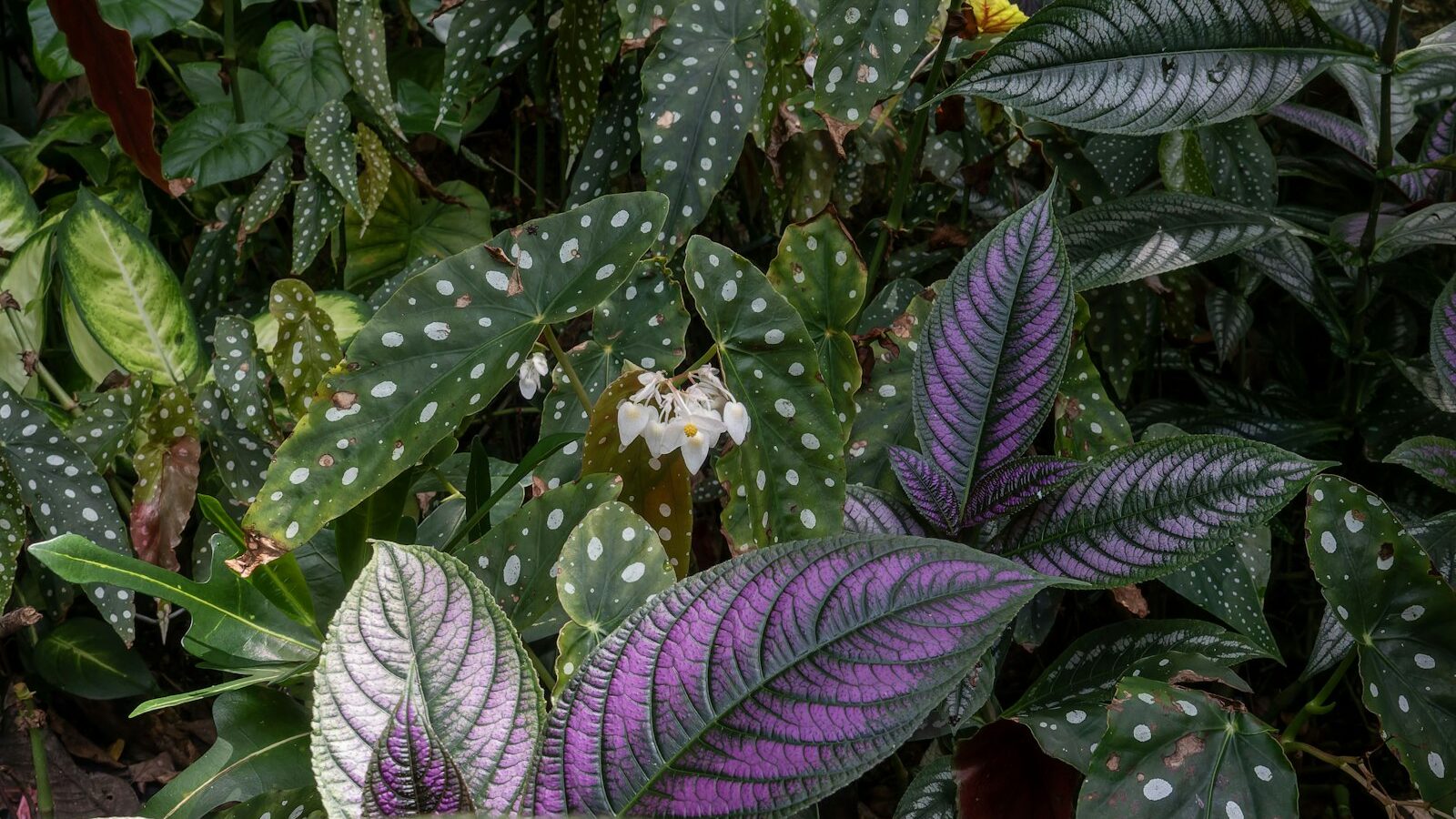
The polka dot begonia (Begonia maculata) is the plant that launched a thousand houseplant photos: tall, angel-wing-shaped olive-green leaves splashed with silvery polka dots on top and a striking deep maroon underneath. It is an angel wing (cane-type) begonia, meaning it grows on upright, bamboo-like stems that can reach impressive heights indoors, and in good conditions it rewards you with dangling clusters of white flowers. Despite its designer looks, it is a manageable plant once you understand its three priorities: bright indirect light, careful watering that never crosses into sogginess, and decent humidity. Get those right and it grows fast and lush. This guide covers the full routine, including the cane-cutting trick that makes it one of the most satisfying begonias to propagate.
Key Takeaways
- Bright, indirect light: plenty of bright light keeps the dots crisp and the plant compact, but direct sun scorches the leaves.
- Water when the top inch dries: begonias hate both drought and soggy roots, so let the surface dry, then water thoroughly and drain fully.
- Humidity matters but don’t wet the leaves: aim for 50%+ with a humidifier or pebble tray; misting invites powdery mildew on the foliage.
- Stake and pinch the canes: tall, brittle stems benefit from support and from pinching to encourage branching and prevent flopping.
- Very easy to propagate, mildly toxic: stem cuttings root readily in water or soil; the plant is toxic to cats and dogs if eaten.
Light: Bright and Indirect
The polka dot begonia wants bright, indirect light for most of the day. Good light keeps the plant compact, the leaf color rich, and the silver dots crisp and well defined. An east-facing window with gentle morning sun is excellent, as is a position near a bright south or west window where a sheer curtain filters the strong midday rays. What it will not tolerate is harsh, direct afternoon sun, which scorches the leaves into bleached, brown patches and can fade the dotting.
In too little light the plant stretches, with long bare gaps between leaves, weaker stems prone to flopping, and duller markings, and it is far less likely to flower. If your brightest window still falls short, especially through winter, a grow light keeps growth tight and colorful. Rotate the pot every week or two so the tall canes grow upright and balanced instead of leaning toward the light. Finding that bright-but-filtered sweet spot is the foundation of a good-looking maculata.
Watering
Begonias are sensitive to watering extremes, and the maculata is no exception. The goal is to let the top inch or so of soil dry out, then water thoroughly until it runs from the drainage holes, and always empty the saucer so the roots never sit in standing water. Begonias are particularly prone to root rot and stem rot when kept constantly soggy, so it is better to let the surface dry between waterings than to keep the mix perpetually wet. In a bright, warm room this usually means watering roughly once a week in the growing season, less in winter.
At the same time, do not let the plant dry out completely — bone-dry soil causes the leaves to wilt, crisp, and drop. Aim for that middle ground of lightly-and-evenly moist soil that drains freely. When you water, try to keep the foliage dry by watering at the soil level, since water sitting on begonia leaves encourages powdery mildew, the most common disease of this plant. Use room-temperature water. This careful balance between too wet and too dry is the same tightrope walked by other moisture-fussy tropicals like the zebra plant.
Humidity and Temperature
As a tropical, the polka dot begonia appreciates humidity of around 50 percent or higher, which keeps the leaf edges from browning and the plant growing vigorously. The catch is that you should raise humidity without wetting the leaves: use a room humidifier, set the pot on a pebble tray, or group it with other plants, but avoid misting directly, since damp foliage is the fast track to powdery mildew. Good air circulation paired with ambient humidity is the ideal combination — humid but not stagnant or wet.
Keep temperatures in the comfortable 65 to 75°F range. The maculata dislikes cold and should be protected from drafts, cold windows in winter, and the dry blast of heating vents. Never let it drop below about 60°F, as cold stalls growth and can cause leaf drop. Stable, warm, moderately humid conditions year-round keep it happy and steadily growing.
Soil and Feeding
Plant the polka dot begonia in a light, airy, well-draining mix. Begonias have relatively fine roots that resent heavy, waterlogged soil, so a blend that drains fast while holding some moisture is ideal. A good recipe is a quality potting mix combined with perlite and a little orchid bark or coco coir — roughly two parts mix to one part perlite — which keeps the structure open. Always use a pot with drainage holes, and avoid pots that are dramatically oversized, since a large volume of wet soil around the roots invites rot.
Feed during the growing season, from spring through early fall, with a balanced liquid houseplant fertilizer diluted to half strength every two to four weeks, and stop feeding in winter. The maculata grows fast and appreciates regular light feeding, but too-strong fertilizer can burn the roots and brown the leaf edges. Repot every year or two in spring when the plant outgrows its container, moving up one pot size. Because the canes grow tall, choose a pot heavy or wide enough to keep a large plant from tipping over.
Staking, Pinching, and Flowers
The cane-type growth habit means tall, somewhat brittle stems that can flop or snap under their own weight, especially when laden with leaves and flowers. A discreet stake or moss pole helps support taller canes and keeps the plant upright. To prevent a leggy, top-heavy look, pinch the growing tips of the canes periodically; this encourages the plant to branch lower down and grow fuller rather than simply taller. If a cane gets too tall and bare, you can cut it back hard and it will push new growth from below — and the piece you remove makes a perfect cutting.
Given enough light and consistent care, the polka dot begonia produces dangling clusters of small white (sometimes pale pink) flowers, often through the warmer months. The blooms are a pleasant bonus rather than the main event. If you prefer the plant to put its energy into foliage, you can pinch off the flower clusters; otherwise enjoy them and trim spent clusters once they fade. Removing dead leaves and old flower stalks promptly also reduces the damp debris that powdery mildew and fungus gnats favor.
Propagation
One of the great joys of this plant is how easily it propagates from stem cuttings. Take a cane cutting about three to five inches long that includes at least one node, cutting just below a node with a clean blade, and remove the lowest leaf. You can root cuttings in water or directly in soil. For water propagation, place the cutting in a jar with the node submerged and the leaves above the surface, keep it in bright indirect light, and change the water every few days; roots usually appear within two to four weeks, after which you pot it up.
For soil propagation, dip the cut end in rooting hormone (optional), insert it into moist, well-draining mix, and keep it warm with slightly elevated humidity, perhaps under a loose clear cover, until roots establish. Spring and summer give the fastest, most reliable results. Planting several rooted cuttings together creates a fuller pot quickly, and taking cuttings is also the perfect way to use the stems you remove during pinching or a hard cutback. Because the maculata roots so willingly, it is an excellent plant for sharing and for keeping a young, vigorous specimen on hand. Many of these same easy water-rooting techniques apply across the begonia family and beyond, as covered in our wider Plants & Flowers guides.
Common Problems and Pests
Read the signs and most problems are quick to solve. White powdery patches on leaves are powdery mildew, encouraged by wet foliage and poor airflow — remove affected leaves, improve circulation, stop wetting the leaves, and treat with a fungicide or neem if needed. Brown, crispy leaf edges usually mean low humidity or fertilizer salt buildup. Yellowing leaves and mushy stems point to overwatering and rot — let the soil dry more. Wilting and leaf drop can come from drought, cold drafts, or, in winter, simply the plant going semi-dormant. Leggy, floppy canes indicate too little light and not enough pinching or staking.
For pests, the usual suspects are mealybugs (white cottony spots in leaf joints), spider mites in dry air, and fungus gnats in soil kept too wet. Inspect the leaf undersides and stem joints regularly, and treat infestations with insecticidal soap or neem oil, repeating weekly until clear; let the soil surface dry between waterings to discourage gnats. Good airflow and careful watering prevent most issues before they start.
Toxicity
Begonias, including the polka dot begonia, are toxic to cats, dogs, and other pets if eaten. They contain insoluble calcium oxalates, with the highest concentration in the underground parts, and chewing the plant can cause intense mouth irritation, drooling, vomiting, and difficulty swallowing in animals. For people, the plant is also best not eaten, and the sap may irritate sensitive skin. Keep the maculata out of reach of pets and small children, and if a pet ingests part of the plant, contact your veterinarian. Because this begonia grows tall on upright canes, a plant stand or shelf is an easy way to keep the foliage above curious mouths while still showing off those signature polka dots.
Frequently Asked Questions
How often should I water a polka dot begonia?
Let the top inch of soil dry, then water thoroughly and empty the saucer. In a bright, warm room that’s usually about once a week in spring and summer and less in winter. Begonias rot easily when soggy, so err slightly dry and keep water off the leaves.
Why does my polka dot begonia have white powder on the leaves?
That’s powdery mildew, a common begonia disease encouraged by wet leaves, high humidity, and poor airflow. Remove affected leaves, stop misting or wetting the foliage, improve air circulation, and treat with neem oil or a fungicide if it spreads.
How do I propagate a Begonia maculata?
Take a stem cutting with at least one node, cutting just below a node. Root it in a jar of water (node submerged, leaves above) or in moist, well-draining soil, kept warm and humid in bright indirect light. Roots form in two to four weeks, then pot it up.
Why is my polka dot begonia getting leggy?
Legginess comes from too little light and unpinched canes. Move it to brighter indirect light, pinch the growing tips to encourage branching, and stake tall stems. If it’s badly stretched, cut it back hard in spring and use the cuttings to propagate.
Is the polka dot begonia toxic to cats and dogs?
Yes. Begonias contain insoluble calcium oxalates and are toxic to cats and dogs if eaten, causing mouth irritation, drooling, and vomiting. Keep the plant out of reach and contact your veterinarian if a pet ingests any part of it.