

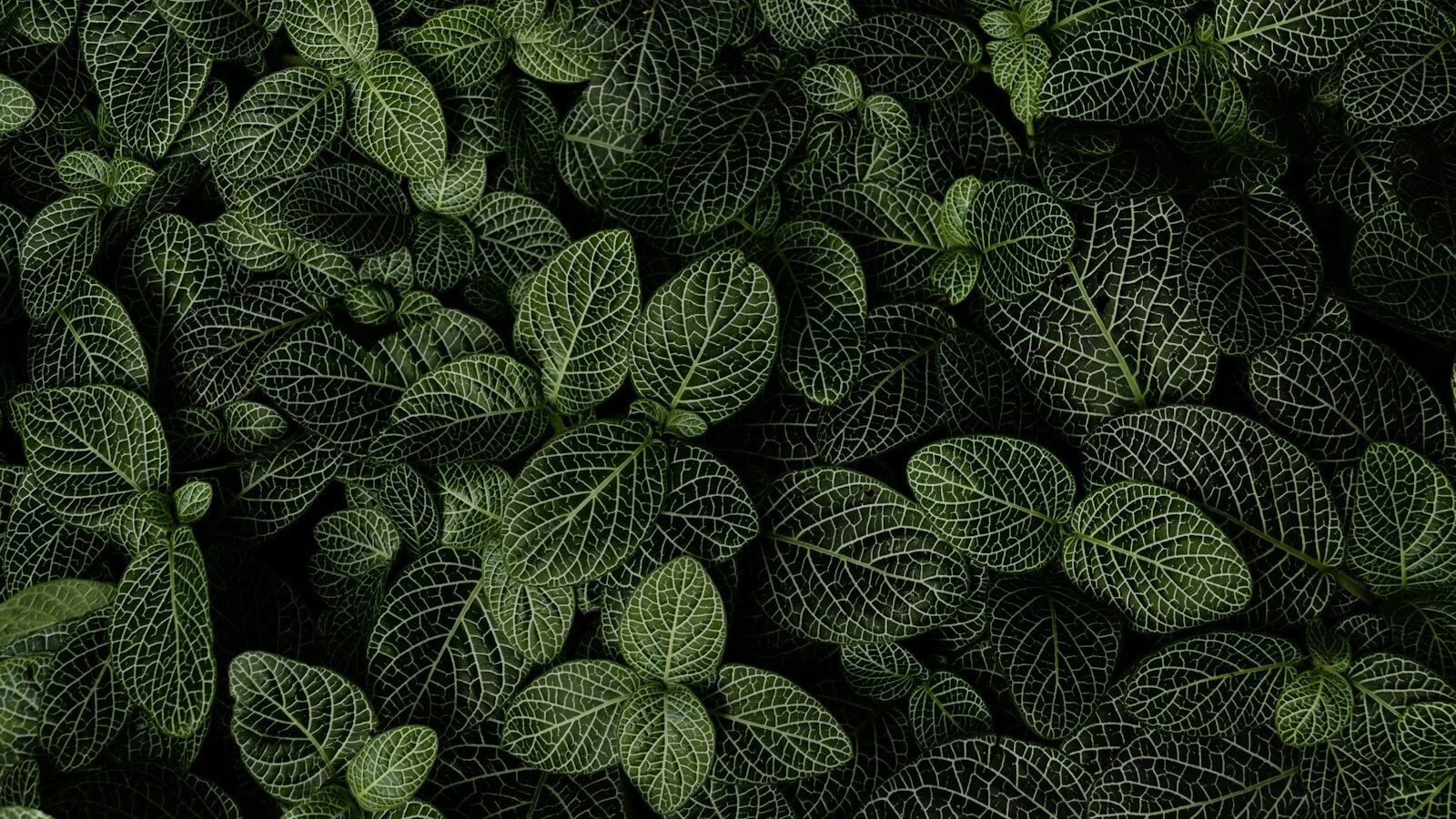
Calatheas have a reputation as drama queens, and it is mostly earned — but once you understand what they are actually asking for, they become predictable. These prayer plants reward you with some of the most striking foliage in the houseplant world: feathered stripes, fishbone patterns, purple undersides, and leaves that fold up at night like hands in prayer (a movement called nyctinasty). The trick is that calatheas come from the humid floor of tropical rainforests, so they want warmth, high humidity, filtered or distilled water, and stable conditions. Get those right and the crispy edges that frustrate beginners simply stop appearing. This guide walks through exact light, water, humidity, soil, and feeding targets, plus how to divide the plant and fix the curling, browning, and fading that send people looking for answers.
Key Takeaways
- Give bright indirect light only — direct sun fades and scorches the patterns.
- High humidity (ideally 60%+) is non-negotiable; crispy edges almost always mean the air is too dry.
- Water with distilled, rainwater, or filtered water — calatheas are sensitive to fluoride and salts in tap water.
- Keep soil lightly and evenly moist, never soggy and never bone dry.
- Hold them warm (65–80°F) and away from cold drafts and heating vents.
- Propagate only by division at repotting time — cuttings will not root.
Calathea, Goeppertia & the “Prayer Plant” Name
Many plants sold as Calathea were reclassified into the genus Goeppertia, so you will see both names on labels — the care is identical. Popular varieties include Calathea orbifolia (broad silver-striped leaves), C. medallion (rounded, purple-backed), C. ornata or “pinstripe” (fine pink lines), C. lancifolia or rattlesnake plant, and C. makoyana, the peacock plant. The true Maranta (the herringbone “prayer plant”) is a close cousin with the same needs. All of them perform the signature day-and-night leaf movement, raising their leaves in the evening and lowering them in the morning — a sign of a happy, well-watered plant.
Light: Bright, Indirect, Never Direct
This is where calatheas differ most from sun-loving houseplants. In the wild they grow under the rainforest canopy, receiving only dappled light, so direct sun is harmful. A few feet back from an east- or north-facing window is ideal. Near a bright south or west window, set the plant behind a sheer curtain or several feet into the room. Too much direct light bleaches the vivid markings to a washed-out pale green and scorches brown patches into the leaves; that fading is permanent on the affected leaves.
Calatheas tolerate medium light reasonably well, which makes them good plants for interior rooms, but in genuinely low light the patterns dull and new growth slows to a crawl. If you only have a dim spot, a basic LED grow light run 10–12 hours a day keeps the colors crisp without the scorch risk of a sunny window.
Watering and Why Water Quality Matters
Calatheas like their soil kept lightly and evenly moist — think of a wrung-out sponge, never waterlogged and never completely dry. Water when the top inch of soil starts to dry, which in a warm room usually means roughly weekly, more often in summer and less in winter. Let it dry out too far and the leaves curl and crisp; keep it soggy and the roots rot. Consistency matters more than volume.
The most overlooked detail is water quality. Calatheas are notably sensitive to the fluoride, chlorine, and dissolved salts in many municipal tap waters, which accumulate and burn the leaf edges brown. Use distilled water, collected rainwater, or filtered water; if you must use tap, let it sit out uncovered for 24 hours so the chlorine dissipates (though this does not remove fluoride or salts). Water at room temperature — cold water can shock the roots and trigger curling.
Humidity: The Make-or-Break Factor
If there is one thing that separates a thriving calathea from a crispy-edged one, it is humidity. These plants want 60% relative humidity or higher, which is well above the 30–40% of a typical heated or air-conditioned home. The single most reliable fix is a small room humidifier placed nearby and run during the day. Other measures help around the margins: group plants together to create a humid microclimate, set the pot on a tray of pebbles and water (with the pot above the waterline, not in it), or keep the plant in a naturally humid room like a bright bathroom.
Misting is popular but only raises humidity briefly and can encourage fungal spots if leaves stay wet, so it is no substitute for a humidifier. Keep calatheas away from heating vents, radiators, fireplaces, and drafty doors — both dry blasts and cold drafts cause edge browning and curling.
Soil, Potting & Temperature
Use a rich but well-draining mix that retains some moisture without staying sodden: a quality peat- or coir-based potting soil lightened with perlite and a little orchid bark works well. The mix should hold moisture longer than a cactus blend but still let excess water escape. Always pot in a container with drainage holes.
Calatheas have modest root systems and do not need frequent repotting — every one to two years in spring is plenty, stepping up just one pot size. Keep them warm: 65–80°F is the sweet spot, and they dislike anything below about 60°F. Sudden temperature swings and cold windowsills in winter are common hidden causes of decline. For another humidity-loving tropical that pairs well with a calathea collection, see our anthurium care guide.
Feeding
Calatheas are light feeders. During the growing season from spring through summer, apply a balanced liquid houseplant fertilizer at half the recommended strength about once a month. Always feed onto moist soil, never dry roots. Over-fertilizing builds up the very salts that brown the leaf edges, so when in doubt, feed less. Stop entirely in fall and winter when growth naturally pauses. If you see white crust on the soil or a sudden burst of crispy edges after feeding, flush the pot thoroughly with distilled water to wash out accumulated salts.
How to Propagate by Division
Unlike vining houseplants, calatheas cannot be grown from stem or leaf cuttings — they spread by underground rhizomes, so division is the only method. The best time is spring, ideally when you are already repotting.
- Water the plant a day ahead so it is hydrated, then slide it out of the pot and gently brush soil away from the roots.
- Look for natural clumps, each with its own stems and a section of root and rhizome. Tease these apart by hand, or cut cleanly through the rhizome with a sterile knife so each division keeps several leaves and healthy roots.
- Pot each division in fresh moist mix at the same depth it grew before.
- Keep the new divisions warm, humid, and out of direct light, and water to keep the soil evenly moist while they settle in over the next few weeks.
Expect a little sulking and some droopy leaves right after division — this is normal transplant shock, and stable warmth and humidity bring them back.
Common Problems & Fixes
Crispy Brown Edges
The classic calathea complaint, and almost always a sign of low humidity, mineral-heavy tap water, or fertilizer salt buildup. Raise humidity with a humidifier, switch to distilled or filtered water, and flush the soil to clear salts.
Curling Leaves
Tightly curled or rolled leaves usually mean the plant is thirsty or the air is too dry — sometimes both. Check the soil and water if the top inch is dry, and boost humidity. Curling that comes with scorched patches points instead to too much direct light.
Yellowing Leaves
Widespread yellowing with soggy soil indicates overwatering and possible root rot; let the soil dry slightly more and confirm drainage. Occasional yellowing of the oldest lower leaves is normal.
Fading Patterns or Pests
Washed-out colors mean too much light — move the plant out of direct sun. Watch for spider mites, which thrive in the dry air calatheas hate; check leaf undersides for fine webbing and stippling, raise humidity, and treat with insecticidal soap or neem oil. The good news is calatheas are non-toxic to cats and dogs, making them a safe choice for pet households. Browse more Plants & Flowers guides for companions, or start with the easier-going philodendron if a calathea feels demanding.
Frequently Asked Questions
Why does my calathea have crispy brown edges?
Crispy edges are almost always caused by low humidity or minerals and salts in tap water. Run a humidifier to keep humidity above 60%, switch to distilled or filtered water, and flush the soil occasionally to clear fertilizer salts.
What kind of water should I use for a calathea?
Use distilled water, collected rainwater, or filtered water at room temperature. Calatheas are sensitive to the fluoride, chlorine, and dissolved salts in many tap waters, which build up and burn the leaf edges brown.
Why do my calathea’s leaves move up and down?
That nightly raising and morning lowering is a natural movement called nyctinasty, which is why calatheas are called prayer plants. It is normal and a sign of a healthy, well-watered plant responding to the day-night light cycle.
Can I propagate a calathea from a cutting?
No. Calatheas cannot be grown from stem or leaf cuttings. They spread by underground rhizomes, so the only way to propagate is by dividing a mature plant into clumps at repotting time, ideally in spring.
Are calatheas safe for cats and dogs?
Yes. Calatheas (and marantas) are non-toxic to cats and dogs, which makes them a good choice for homes with curious pets. They are not poisonous if chewed, though it is still best to discourage nibbling.