

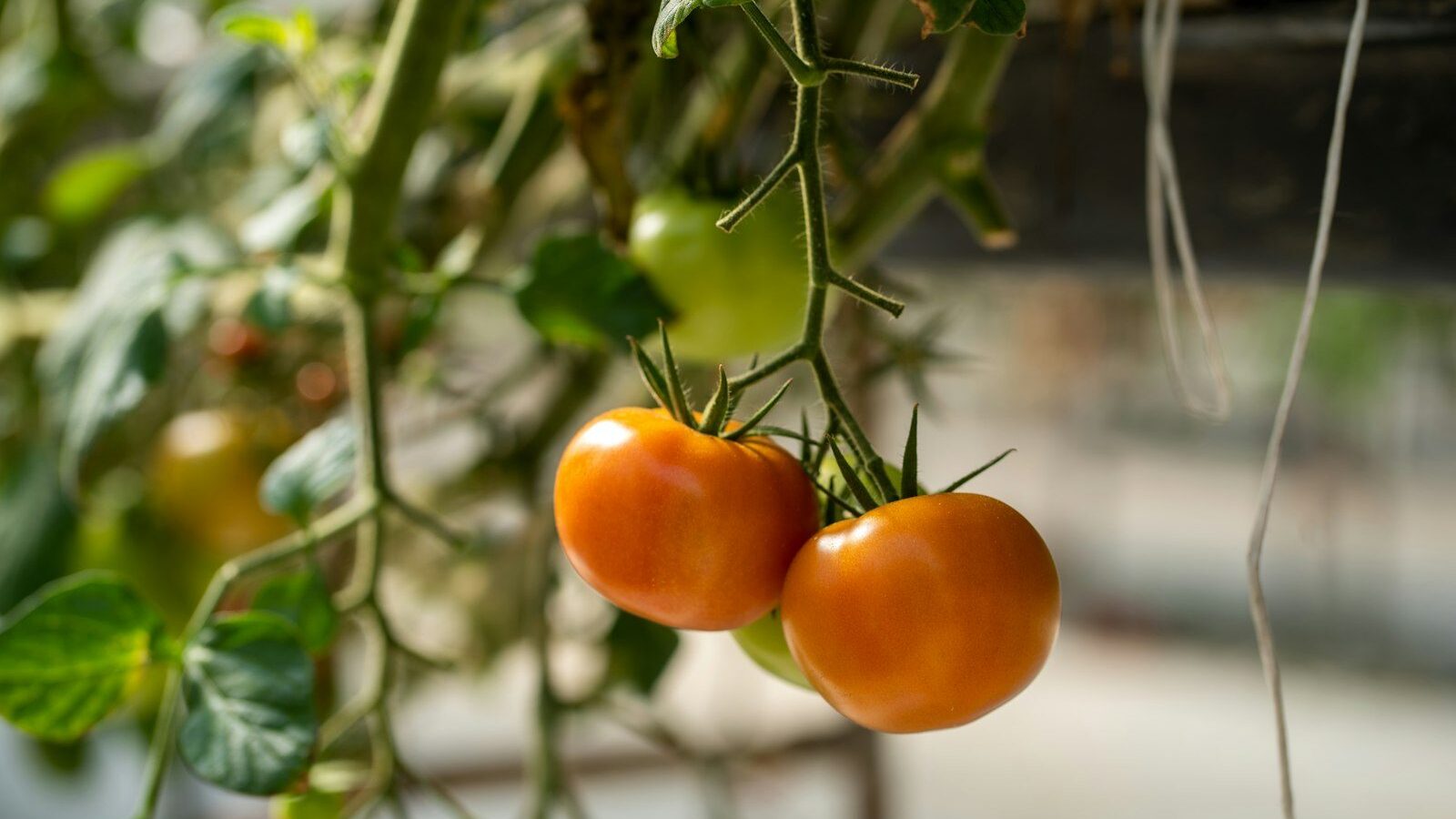
Tomatoes grow well in hanging baskets if you pick the right variety and keep up with water. The winners are compact, trailing cherry tomatoes bred for baskets, such as ‘Tumbling Tom’, ‘Tumbler’ and ‘Lizzano’, which spill over the rim and fruit heavily on short stems. Use a basket at least 12 to 14 inches across with one plant per basket, fill it with a quality potting mix, hang it in 6 to 8 hours of sun, and be ready to water once or even twice a day in summer. Upside-down planters work too, but they’re harder to water evenly and suit fewer varieties. This guide covers both methods, from choosing plants to harvesting. For planning the rest of your edible garden, see our vegetable gardening guide.
Part of our Vegetable Gardening & Raised Beds guide →
In this guide
Key Takeaways
- Choose trailing or compact determinate cherry tomatoes bred for containers and baskets.
- Use a basket 12 to 16 inches wide (larger is better) and one plant per basket.
- Hang in full sun, at least 6 to 8 hours a day, out of strong wind.
- Water daily in summer and feed every 1 to 2 weeks once flowering starts.
- Upside-down planters work best with small-fruited varieties and a sturdy, well-anchored hook.
Best Tomato Varieties for Hanging Baskets
Big slicing tomatoes and tall indeterminate vines don’t belong in a basket. They get too heavy, need more root room than a basket offers, and tangle into a mess. Look for determinate or dwarf trailing varieties with small fruits. If you’re not sure of the difference, our guide to determinate vs indeterminate tomatoes explains it.
| Variety | Type | Fruit | Notes |
|---|---|---|---|
| ‘Tumbling Tom Red’ and ‘Tumbling Tom Yellow’ | Trailing, determinate | Cherry | Classic basket tomato; cascades over the rim |
| ‘Tumbler’ | Trailing hybrid | Cherry | Early and heavy cropping in baskets |
| ‘Lizzano’ | Semi-trailing hybrid | Cherry | Bred with late blight tolerance |
| ‘Hundreds and Thousands’ | Trailing | Small cherry | Long trusses of tiny fruits |
| ‘Red Robin’ and ‘Micro Tom’ | Dwarf, compact | Cherry | Very small plants for small baskets |
| ‘Garden Pearl’ | Trailing | Cherry | Compact, cascading habit |
Availability of specific varieties varies by year and seed company, so search seed catalogs for “trailing” or “basket” tomatoes. For more container-suited options, see our list of patio tomato varieties.
Choosing the Basket
- Size: 12 inches across is the practical minimum for one compact plant; 14 to 16 inches holds more soil, which means steadier moisture and bigger harvests.
- Material: plastic baskets with a built-in saucer or reservoir hold water best. Coir- or moss-lined wire baskets look attractive but dry out very quickly in sun and wind; line them with plastic punched with a few drainage holes to slow drying.
- Drainage: make sure there are holes in the bottom. Self-watering baskets with a reservoir are worth it for tomatoes.
- Hanger and hook: a 14-inch basket of wet soil, plant and fruit can easily weigh 20 to 30 pounds. Use a heavy-duty bracket screwed into a stud, beam or solid post, not a gutter or a light shepherd’s hook.
Soil and Planting
Use a quality potting mix, never garden soil, which compacts and drains poorly in containers. A mix with compost and a slow-release fertilizer gives tomatoes a strong start. Adding a handful of compost or worm castings helps hold moisture and nutrients.
- Time it right. Plant outdoors after your last frost, once nights stay above about 50°F. Tomatoes stall in cold soil.
- Start with sturdy transplants. Choose stocky seedlings 6 to 10 inches tall with no flowers or fruit yet, or start your own indoors 6 to 8 weeks before your last frost.
- Plant deep. Remove the lowest leaves and bury the stem up to the first set of remaining leaves. Tomatoes root along buried stems, building a stronger root system.
- One plant per basket. Two plants in one basket compete for water and both underperform.
- Leave space below the rim. Fill to about an inch below the rim so water soaks in instead of running off.
- Water thoroughly until it drains from the bottom, then hang the basket.
Where to Hang It
Tomatoes need full sun, ideally 6 to 8 hours or more of direct light, to flower and fruit well. Good spots include south- or west-facing porch eaves, pergola beams and sturdy brackets on sunny walls. Avoid deep porch overhangs that shade the plant most of the day. In very hot climates, a spot with light afternoon shade can prevent wilting and sunscald, but the plant still needs strong morning sun.
Hang baskets at a height where you can reach the soil to water and check moisture, and where strong winds won’t swing them hard against walls. Wind dries hanging containers dramatically faster than pots on the ground.
Watering: The Make-or-Break Job
Hanging baskets dry out faster than any other container, and tomatoes are thirsty. In midsummer, expect to water once a day at minimum, and twice on hot, windy days. Check by pushing a finger an inch into the soil or by lifting the basket; a light basket is a dry basket. Water slowly until it drips from the bottom.
Consistency matters more than volume. Swinging between bone-dry and soaked causes blossom end rot (dark, sunken patches on the bottom of fruits) and fruit splitting. Tips that help:
- Use a self-watering basket or add a saucer insert.
- Mix water-retaining material like coir or compost into the potting mix.
- Mulch the soil surface with a thin layer of shredded bark or straw.
- Install a simple drip line on a timer if you have several baskets.
- Use a hose wand or a pulley hanger to make watering easy, so you actually do it.
If your fruits develop dark bottoms, see why tomatoes rot on the bottom for fixes. For broader tips on keeping any hanging container healthy, our guide to hanging basket care covers watering, feeding and placement in more detail.
Feeding
Frequent watering flushes nutrients from container soil, so basket tomatoes need regular feeding. If your potting mix contains slow-release fertilizer, start supplemental feeding when the first flowers appear. Use a tomato or vegetable fertilizer that’s not too high in nitrogen, either a water-soluble product every 7 to 14 days at label rates or a granular slow-release top-dressing every few weeks. Too much nitrogen gives lush leaves and few flowers. Yellowing lower leaves mid-season usually means the plant is hungry.
Pruning and Training
Trailing determinate varieties don’t need suckers removed; pruning them reduces the harvest. Simply let the stems cascade over the rim. Pinch off any leaves that turn yellow or spotted, and remove a few interior leaves if the plant gets very dense, to improve airflow. Rotate the basket a quarter turn every few days if one side gets more sun, so it grows evenly.
Growing Tomatoes Upside Down
Upside-down planters, whether commercial fabric bags or a homemade 5-gallon bucket with a hole in the bottom, grow the tomato hanging downward through the base. Their appeal is no staking and no sprawl. In practice, they have some drawbacks: the stem bends upward toward the light, putting stress on the plant; the soil volume is often small; and watering from the top can run straight past the roots.
How to make upside-down tomatoes work
- Use a container holding at least 3 to 5 gallons of potting mix.
- Choose a compact cherry variety; heavy slicing tomatoes strain the stem.
- Cut a hole about 2 inches across in the bottom, insert a young transplant through it from below, and wrap the stem with a coffee filter or piece of landscape fabric to hold the soil in.
- Fill with moist potting mix, then hang from a very strong support. A full, wet 5-gallon bucket can weigh 40 pounds or more.
- Water slowly from the top until it drips out the bottom. A lid with holes or a layer of mulch reduces evaporation.
- Plant herbs like basil or a trailing flower in the top to make use of the soil surface.
If you’ve struggled with upside-down planters before, a right-side-up trailing basket is usually easier and more productive.
Moving Baskets for Weather
One advantage of a hanging tomato is that you can move it. Take baskets down and set them in a sheltered spot before thunderstorms with strong wind or hail, and pull them under a porch roof on unseasonably cold spring nights below about 50°F. During heat waves, shifting a basket to a spot with afternoon shade for a few days can keep flowers from dropping. A pulley hanger or a hook at a reachable height makes these moves, and daily watering, far easier.
Harvesting
Basket cherry tomatoes typically start ripening about 50 to 70 days after transplanting, depending on variety and weather. Pick fruits when fully colored and slightly soft, every day or two at peak season. Regular picking encourages more fruit and prevents overripe tomatoes from splitting or dropping. In late summer, determinate basket varieties start to decline; you can replace them with a fresh plant started in early summer for a fall crop in warm regions.
Common Problems
- Wilting in the afternoon: often normal heat stress if it recovers by evening; if it’s wilted in the morning, the soil is too dry.
- Flowers but no fruit: extreme heat (days above about 90°F and warm nights) prevents fruit set. Gently tapping flower clusters helps pollination on still days.
- Blossom end rot: inconsistent watering; keep moisture steady.
- Split fruits: heavy watering after a dry spell. Water more consistently and pick ripe fruit promptly.
- Yellow, spotted lower leaves: early blight or septoria leaf spot. Remove affected leaves and avoid wetting foliage.
- Aphids and whiteflies: spray off with water or use insecticidal soap.
- Hornworms: large green caterpillars that strip leaves; hand-pick them.
Other Small-Space Tomato Options
If you have a sunny balcony or patio floor, a large pot gives bigger harvests than a basket and lets you grow larger varieties. Our guide on how to grow tomatoes in pots covers container sizes and staking, and the vegetable gardening guide covers planning a full edible garden.
Frequently Asked Questions
What size hanging basket do I need for a tomato?
At least 12 inches across for one compact trailing plant, and ideally 14 to 16 inches. Bigger baskets hold more soil and water, which means fewer problems and more fruit.
How often should I water a hanging tomato?
In summer, usually every day, and twice a day in hot, windy weather. Check soil moisture with your finger or by lifting the basket, and water until it drains from the bottom.
Do upside-down tomato planters work?
They can, with compact cherry varieties, a container of 3 to 5 gallons or more, strong support and careful watering. Many gardeners find right-side-up trailing baskets easier and more productive.
Can I grow full-size tomatoes in a hanging basket?
Not well. Large slicing tomatoes need more root room, more support and more water than a basket can provide. Stick to cherry and grape-type trailing varieties.
How many tomatoes will a hanging basket plant produce?
It varies with variety, sun, basket size and care. A well-grown trailing cherry tomato in a large basket can produce a steady supply of small fruits over several weeks in summer.