

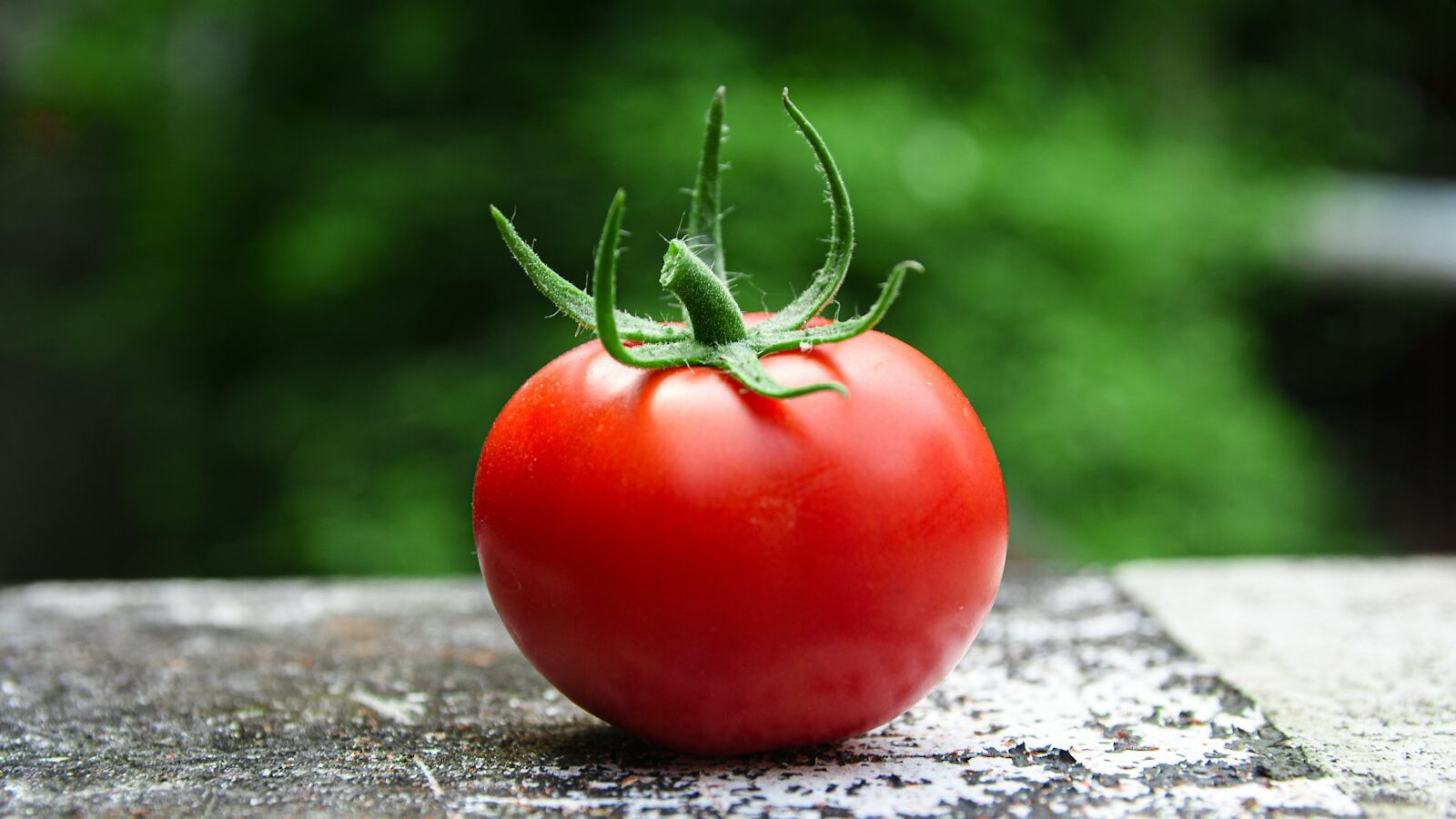
A sunken, leathery, black or brown patch on the bottom of an otherwise healthy-looking tomato is one of the most disheartening sights in the vegetable garden, especially when it shows up on the first fruits of the season. The good news is that this is not a disease, it is not contagious, and you did not bring it in on infected plants. The condition is called blossom end rot, and it is a physiological disorder caused by a calcium imbalance inside the fruit. Almost always, the real culprit is not a lack of calcium in your soil but an inconsistent supply of water that prevents the plant from moving the calcium it has into the developing fruit. This guide explains every reason tomatoes rot on the bottom, how to tell which problem you are facing, and exactly how to stop it so the rest of your crop ripens clean.
Key Takeaways
- The rot is blossom end rot, a calcium problem. A dark, sunken, leathery spot on the blossom (bottom) end means calcium did not reach the fruit while it was forming.
- Uneven watering is the real cause most of the time. Calcium moves with water, so drought followed by heavy watering starves the fruit even when soil calcium is adequate.
- It is not a disease and not contagious. You cannot spray it away; affected fruit will not recover, but new fruit can come in perfectly healthy once the cause is fixed.
- Steady moisture is the fix. Deep, consistent watering plus a mulch to even out soil moisture solves most cases within a few fruit cycles.
- Test before adding calcium. Excess nitrogen, root damage, and low pH also block calcium uptake, so dumping in lime or eggshells rarely fixes the problem alone.
What Blossom End Rot Looks Like
Before chasing causes, confirm what you are seeing. Blossom end rot starts as a small, water-soaked, light tan or grayish spot at the very bottom of the fruit, the end opposite the stem, where the flower once was. As it develops, the spot enlarges, darkens to brown or black, sinks inward, and turns dry and leathery. The skin over it often looks flattened or collapsed. Inside, the flesh beneath the spot is dry and tough. Secondary molds may colonize the dead tissue later, but the rot itself is sterile in origin. It strikes green and ripening fruit alike and tends to hit the earliest fruit of the season hardest, because young plants have small root systems that struggle to keep up with calcium demand during rapid fruit growth. If your rot is on the side or stem end of the fruit, or the whole fruit is mushy and wet, you are likely dealing with a different problem such as anthracnose, sunscald, or a fungal soft rot rather than blossom end rot.
Cause 1: Inconsistent Watering (the Real Culprit)
Calcium is a relatively immobile nutrient that travels through the plant dissolved in water, pulled along by transpiration. When soil moisture swings between bone dry and soaking wet, the plant cannot maintain a steady stream of water to the fruit, and the fast-growing blossom end, which is farthest from the stem, is the first tissue to be shortchanged. The cells there break down for lack of calcium and the characteristic rot forms. This is why blossom end rot so often appears after a hot, dry spell followed by heavy rain or a catch-up soaking, and why container tomatoes, which dry out fast, are especially prone to it.
How to diagnose it
Think back over your watering. Have your plants wilted between waterings, or has the weather swung between drought and downpour? Push a finger two inches into the soil: if it is dust-dry one day and saturated the next, inconsistent moisture is almost certainly your problem. Container and grow-bag tomatoes that you water once a day in hot weather are classic candidates, because the limited soil volume cannot buffer moisture swings. If the rot appeared right after a heat wave or a missed watering or two, you have your answer.
How to fix it
Water deeply and consistently. Tomatoes in the ground generally want the equivalent of about 1 to 1.5 inches of water per week, delivered in one or two deep soakings rather than frequent shallow sprinkles, so the moisture reaches the full root zone. Aim to keep the soil evenly moist, never waterlogged and never bone dry. A drip line or soaker hose on a timer is the single most reliable way to even out the supply. For containers, check moisture daily in summer and water until it runs from the drainage holes; very large pots dry out more slowly and reduce stress. Once you stabilize moisture, the existing rotted fruit will not heal, so pick and discard the worst affected fruit to let the plant redirect energy to new, healthy tomatoes.
Cause 2: Mulch Missing and Soil Drying Too Fast
Bare soil around a tomato plant loses moisture quickly to sun and wind, amplifying the moisture swings that drive blossom end rot. Without a protective layer, the top several inches of soil can go from wet to dry within a day in summer heat, and roots near the surface dry out fastest. A good organic mulch acts as a buffer, slowing evaporation and keeping the root zone far more even between waterings.
How to diagnose it
Look at the soil surface around the plant. If it is bare and crusted, cracking, or visibly dry on top while you are watering regularly, evaporation is undoing your efforts. Plants in full afternoon sun on unmulched beds, and those in windy exposed spots, suffer the fastest drying. If you water adequately but the surface still bakes hard between sessions, lack of mulch is contributing.
How to fix it
Lay down a 2 to 3 inch layer of organic mulch such as straw, shredded leaves, or untreated grass clippings around each plant, keeping it an inch or two off the stem to avoid rot at the base. Mulch slows evaporation, moderates soil temperature, and keeps moisture far more consistent, which directly reduces blossom end rot. It also suppresses weeds that would otherwise compete for water. Refresh the layer as it breaks down through the season. If you are weighing mulch options for the vegetable garden, our comparison of landscape fabric versus mulch covers which moisture-holding approach suits raised beds and rows.
Cause 3: Too Much Nitrogen
Heavy nitrogen feeding, especially the fast-release ammonium forms found in many lawn and all-purpose fertilizers, can trigger or worsen blossom end rot. Excess nitrogen pushes a burst of vigorous leafy growth, and that lush foliage demands calcium too, competing with the fruit for the limited calcium the roots can move. Ammonium ions also directly interfere with calcium uptake at the root. The plant looks dark green and bushy while its tomatoes rot at the bottom.
How to diagnose it
Suspect over-fertilizing if your plants are unusually large, leafy, and deep green, with fast new growth but rotting fruit. Check what you have applied: a fertilizer with a high first number in the N-P-K ratio, a lawn feed, or fresh manure piled around the plants all deliver excess nitrogen. If you have been feeding generously to push growth, this is likely a contributing factor.
How to fix it
Stop the high-nitrogen feeding. Switch to a balanced or fruiting-stage fertilizer with a lower first number and higher middle and last numbers, such as a 5-10-10 or a tomato-specific feed, which supports flowering and fruit set rather than foliage. Avoid quick-release ammonium products while fruit is forming and choose calcium nitrate or a balanced organic feed if you do fertilize. Going forward, feed deliberately and modestly; tomatoes set better fruit on steady, moderate nutrition than on a glut of nitrogen.
Cause 4: Root Damage, Compacted Soil, or Low pH
Anything that limits the roots’ ability to take up water and calcium can cause blossom end rot even when soil calcium and watering look fine. Aggressive cultivation or hoeing close to the plant severs feeder roots. Compacted or waterlogged soil suffocates roots and slows uptake. And very acidic soil, generally below about pH 6.0, ties up calcium chemically so the roots cannot absorb it efficiently, while extremely high pH can do the same.
How to diagnose it
Consider whether you have hoed, dug, or disturbed the soil near your tomatoes recently, which points to root damage. Check drainage: if water pools and the soil stays soggy for hours, roots are stressed. A cheap soil pH test settles the chemistry question; tomatoes prefer a pH of about 6.2 to 6.8, and readings well below that suggest calcium is being locked up regardless of how much is present.
How to fix it
Stop cultivating close to the plants and mulch instead to control weeds without disturbing roots. Improve drainage in heavy soils by working in compost and, for chronically wet sites, growing in raised beds or containers. If a test shows low pH, add garden lime according to the test recommendation; lime both raises pH and supplies calcium, but it works slowly and is a season-ahead amendment rather than an in-season rescue. Understanding your soil’s texture and drainage helps here, and our overview of clay, sandy, and loam soils explains how each type holds water and nutrients differently.
Do Eggshells and Calcium Sprays Work?
Because blossom end rot is a calcium problem, the internet is full of advice to bury crushed eggshells, add antacid tablets, or spray fruit with calcium solutions. The honest answer is that most soils already contain plenty of calcium, so adding more rarely helps; the calcium is present, the plant just cannot move it to the fruit because of water stress. Eggshells in particular break down far too slowly to affect the current crop, though they do add a trace of calcium over years as they decompose. Foliar calcium sprays can offer marginal, short-term help on plants in active trouble, but they are a band-aid, not a cure, because leaves absorb calcium poorly and the fruit barely takes it up through the skin. Your time and money are far better spent stabilizing soil moisture and, if a test confirms it, correcting pH. Treat the watering, and the calcium takes care of itself.
Preventing Blossom End Rot Next Season
Prevention comes down to consistency. Set up drip irrigation or a soaker hose on a timer so plants never swing between drought and flood, and mulch every plant to hold that moisture steady. Test and adjust soil pH in fall or early spring so calcium is fully available before planting, and amend with compost to improve both water retention and drainage. Feed moderately with a balanced, fruiting-focused fertilizer rather than a nitrogen-heavy one, and avoid hoeing close to the roots. Choose larger containers for potted tomatoes so they dry out more slowly, and harden plants off well so they establish strong root systems early. Many gardeners also find that the earliest fruit on young plants is most affected and that later fruit comes in clean once the plant matures and the weather settles, so do not panic over a few early casualties. For more vegetable troubleshooting and growing guides, browse the Plants & Flowers hub.
Stay on top of even watering and your tomatoes will reward you with smooth, blemish-free bottoms and a long, productive harvest. Blossom end rot looks alarming, but it is one of the most fixable problems in the garden once you understand that water, not calcium powder, is the lever that controls it.
Frequently Asked Questions
Can I still eat tomatoes with blossom end rot?
Yes, if the rot is small you can cut away the affected bottom and eat the rest of the fruit, which is otherwise safe and edible. Larger or moldy spots mean the fruit is best discarded. The rot is a physiological disorder, not a toxin or infection.
Will the affected tomatoes recover if I fix the watering?
No. Once a tomato shows blossom end rot, that fruit will not heal. But fixing the cause means new fruit forming after the correction can come in completely healthy, so it is worth removing the worst fruit and stabilizing moisture promptly.
Do I need to add calcium to my soil?
Usually not. Most soils have ample calcium, and the rot comes from the plant being unable to move it to the fruit during water stress. Test your soil first; only add lime or calcium if a test shows a genuine deficiency or low pH.
Why do only my first tomatoes get blossom end rot?
Young plants have small root systems that struggle to supply calcium during the rapid growth of early fruit, especially in unsettled spring weather. As the plant matures and conditions stabilize, later fruit typically comes in clean.
Are container tomatoes more prone to bottom rot?
Yes. Pots and grow bags dry out far faster than garden soil, causing the moisture swings that trigger blossom end rot. Use large containers, water consistently every day in hot weather, and mulch the surface to keep moisture even.