

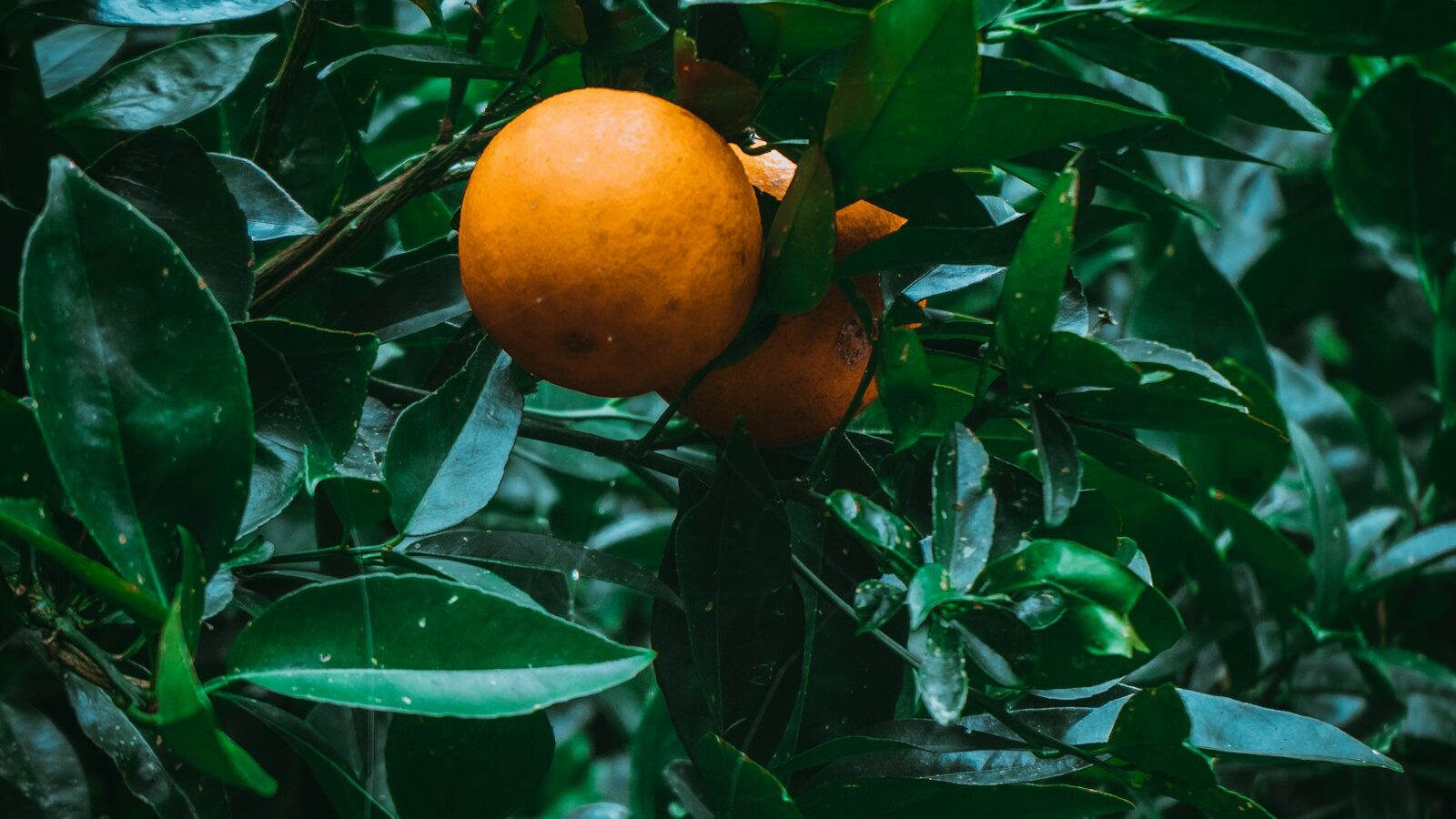
Singapore’s hot, humid, year-round tropical climate is genuinely one of the best places on Earth to grow fruit trees. Whether you have a landed garden with deep soil, a condo balcony with room for a few large pots, or an HDB corridor and a sunny window, there is a fruiting plant that will reward you. This guide covers the easiest, most productive fruit trees for local conditions, with honest notes on size, container suitability, time to first harvest, and the care that actually matters in our climate.
Key takeaways
- Calamansi, papaya, banana and dwarf citrus are the fastest, most forgiving fruit trees for Singapore beginners.
- Most fruit trees need at least 6 hours of direct sun, so a south- or west-facing landed garden or balcony fruits far better than a shaded one.
- Container growing works well for compact trees, but use the largest pot you can manage (45cm or wider) with free-draining soil to cope with our heavy rain.
- Big canopy trees like jackfruit, durian and rambutan belong in landed gardens, not on HDB or condo balconies.
- Consistent watering, occasional feeding and light pruning matter far more than fancy products for reliable tropical fruiting.
Fast and forgiving: best fruit trees for beginners
If you have never grown fruit before, start here. These plants tolerate pots, fruit quickly, and shrug off the occasional missed watering. They are ideal for HDB balconies, corridors and smaller condo gardens.
Calamansi / Lime (Citrofortunella microcarpa)
The calamansi is the quintessential Singapore home fruit tree and thrives happily in a 40-50cm pot or in the ground. It stays a manageable 1-2m, flowers and fruits almost continuously once established, and a grafted plant will often fruit within the first year. Give it full sun, water when the topsoil feels dry, and feed monthly during fruiting for an endless supply of zesty limes.
Papaya (Carica papaya)
Papaya is the speed champion, often fruiting just 8-12 months from seed and reaching 2-3m. It does best planted in the ground in a landed garden but will manage in a very large pot for a couple of seasons before tiring. Plant a few seedlings together so you get at least one fruiting female or bisexual plant, and keep the roots well drained to avoid rot.
Banana (Musa species)
Bananas grow vigorously in our climate and a dwarf variety such as ‘Dwarf Cavendish’ or pisang raja stays around 1.5-2.5m, suiting a large container or a garden corner. Each stem fruits once, roughly 9-15 months after planting, then is cut down while a new sucker takes over. They are thirsty and hungry feeders, so give them rich soil, steady moisture and shelter from strong wind, which shreds the leaves.
Dwarf Citrus / Limau (Citrus species)
Beyond calamansi, dwarf pomelo, kaffir lime (limau purut) and Tahitian lime all grow well in pots at around 1-2m, making them perfect for balconies. Kaffir lime is grown as much for its fragrant leaves as its fruit, and most grafted citrus fruit within one to two years. Watch for leaf-miner and sooty mould, feed with a citrus fertiliser, and ensure sharp drainage.
Guava (Psidium guajava)
Guava is tough, productive and well suited to both pots and ground, with dwarf and Taiwanese seedless varieties staying compact at 1.5-2.5m. Grafted trees can fruit within a year and crop repeatedly through the year in our climate. Bag the developing fruit to protect it from fruit flies, and prune after each harvest to keep the tree bushy and within bounds.
Crowd-pleasers for landed gardens and large pots
These favourites reward a bit more space and patience. Several can be kept in very large containers if you choose dwarf or grafted stock and prune regularly, but they are happiest with ground to spread their roots.
Mango (Mangifera indica)
Mango trees can grow large in the ground but grafted dwarf varieties stay around 2-3m and can be kept in a big pot of 50cm or more. A grafted tree may fruit in two to three years, though flowering is best after a slightly drier spell. Plant in full sun, avoid overwatering when it is flowering, and thin the fruit so the branches are not overloaded.
Starfruit / Belimbing (Averrhoa carambola)
Starfruit is an attractive, manageable tree of 2-4m that fruits prolifically several times a year once mature, and grafted trees can start within two years. It does well in a landed garden and tolerates a large container with regular feeding. Bag the fruit against fruit flies and provide consistent moisture, as drought stress causes the tree to drop both flowers and fruit.
Ciku / Chiku / Sapodilla (Manilkara zapota)
Ciku is a reliable, low-fuss tree that yields sweet, malty-brown fruit and grows slowly to 4-8m in the ground, though it can be kept smaller in a large pot with pruning. Grafted trees typically fruit within three to four years and crop steadily thereafter. It tolerates our heat and humidity beautifully and needs little beyond occasional feeding and well-drained soil.
Soursop / Durian Belanda (Annona muricata)
Soursop is a compact tree of 3-5m that suits smaller landed gardens and can be grown in a large container for a few years. It fruits within three to four years and the large, custardy fruit is prized for juices and desserts. Hand-pollinating the flowers with a small brush dramatically improves fruit set, as natural pollination here is often poor.
Big tropical trees for landed properties
These are the showstoppers of a tropical garden, but they need genuine space and are not suitable for HDB or condo balconies. Plant them where their roots and canopy can develop and where falling fruit will not cause a nuisance.
Jackfruit / Nangka (Artocarpus heterophyllus)
Jackfruit is a magnificent large tree of 8-15m bearing the heaviest fruit of any tree, so it truly belongs in a landed garden with room to spare. Grafted trees can fruit within three to four years and produce for decades. Allow generous space, support heavy fruit where needed, and keep the area beneath clear, as a falling jackfruit is no small matter.
Rambutan (Nephelium lappaceum)
Rambutan grows into a spreading 5-12m tree and is a true Southeast Asian classic, best suited to larger landed gardens. Grafted trees may fruit within three to five years, usually in distinct seasons rather than year-round. It needs deep, fertile, well-drained soil, steady moisture during flowering and fruiting, and shelter from strong winds.
Pomelo / Jambua (Citrus maxima)
The pomelo is the largest of the citrus and grows into a small tree of 3-6m, ideal for a sunny corner of a landed garden. Grafted trees can fruit within two to three years and the huge, sweet segments are a festive favourite. Give it full sun, citrus feed and good drainage, and thin heavy crops so the branches are not strained.
Avocado (Persea americana)
Tropical-adapted avocado varieties grow well here as trees of 4-8m and are best grown grafted, as seed-grown plants are slow and unreliable to fruit. A grafted tree may begin fruiting in three to four years given full sun and excellent drainage. Avocados absolutely hate waterlogged roots, so plant on a mound or in a free-draining bed and never let them sit wet.
Want help planting fruit trees or a garden in Singapore?
Get matched with vetted local planting & landscaping pros island-wide. Free, no obligation.
Choosing, growing and fruiting tips for Singapore
The single biggest factor in success is matching the tree to your space. A landed garden can host almost anything, while HDB and condo balconies should stick to compact, pot-friendly choices such as calamansi, dwarf citrus, banana, guava and papaya. Before buying, check the mature size, your daily hours of direct sun, and whether your strata or estate rules restrict large planters or heavy pots. For more general inspiration beyond fruit, see our guide to the best plants for Singapore gardens.
For container growing, bigger is almost always better. Choose a pot of at least 45cm across for most fruit trees, use a free-draining mix of potting soil, compost and coarse sand or perlite, and raise the pot on feet so excess monsoon rain drains away. Potted trees dry out faster, so check moisture daily in dry spells, and refresh the top few centimetres of soil and feed regularly, as nutrients leach out quickly with our heavy watering and rain.
Pollination is often the missing piece. Many tropical fruits, such as soursop, custard apple and even some mangoes, set far more fruit when you hand-pollinate flowers with a soft brush in the early morning. Most citrus, banana and guava are self-fertile and fruit readily, while a few trees crop better with a second variety nearby for cross-pollination. If you want healthy, productive trees without the trial and error, our planting service can select, site and plant the right trees for your conditions.
To keep trees fruiting well, feed lightly but regularly with a balanced fertiliser, switching to a higher-potassium feed as flowering approaches to encourage fruit rather than leaves. Prune after each harvest to control size, improve airflow and let light into the canopy, and mulch the root zone to conserve moisture and suppress weeds. Bag developing fruit to defeat fruit flies, our most common pest, and address sooty mould and scale early. Ongoing garden maintenance such as feeding, pruning and pest control is what turns a young tree into a consistently productive one.
Frequently asked questions
What is the easiest fruit tree to grow in Singapore?
Calamansi is the easiest and most popular, as it fruits almost year-round, thrives in a pot or the ground, stays small, and tolerates a fair bit of neglect. Papaya and banana are also very easy and fruit quickly, making any of these a great first tree.
Can I grow fruit trees on an HDB or condo balcony?
Yes, as long as you choose compact, pot-friendly trees such as calamansi, dwarf citrus, dwarf banana, guava or a young papaya, and you have at least 6 hours of direct sun. Avoid large canopy trees like jackfruit, durian and rambutan, and check your estate or strata rules on heavy planters.
How long until my fruit tree starts fruiting?
It varies widely. Papaya can fruit in under a year and grafted calamansi or guava within a year, while mango, starfruit and pomelo usually take two to three years, and larger trees like jackfruit and rambutan three to five years. Buying grafted plants rather than seedlings greatly shortens the wait.
Why does my tree flower but not set fruit?
Common causes are insufficient sun, irregular watering that stresses the tree, too much nitrogen pushing leaves over fruit, or poor pollination. For trees like soursop and some mangoes, hand-pollinating the flowers with a soft brush in the morning dramatically improves fruit set.
How do I protect my fruit from pests in Singapore?
Fruit flies are the main culprit, so bagging individual fruits with paper or fruit-protection bags as they develop is the most effective defence. Keep trees pruned for airflow, clear fallen fruit promptly, and treat scale, mealybug and sooty mould early with horticultural oil or a soapy spray.