

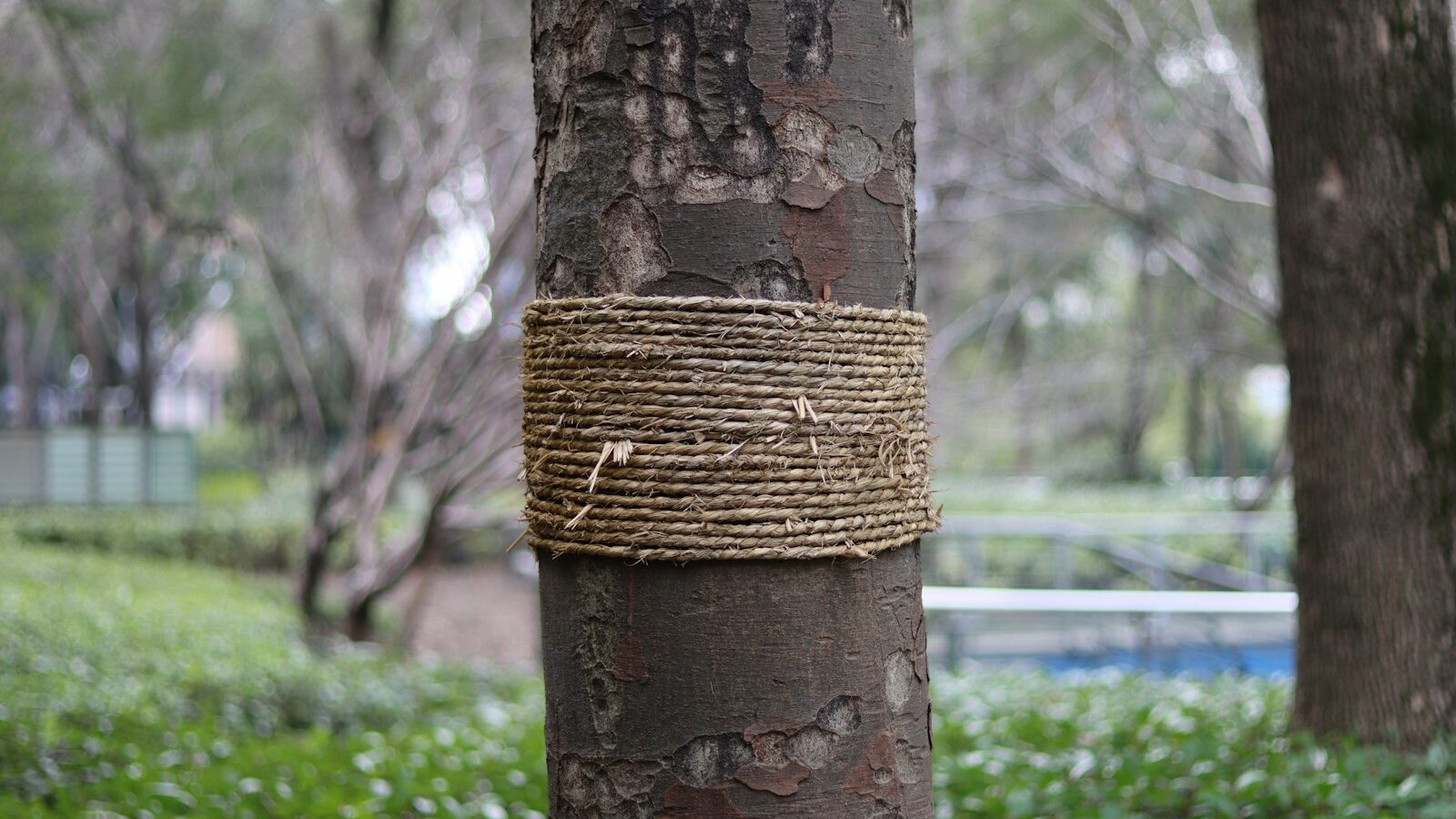
A newly planted tree needs help standing up to wind for one or two growing seasons, but the wrong staking setup does more harm than good. Stake too tight or for too long and the trunk never builds the taper and reaction wood it needs to support itself; use a thin wire or a bare zip tie and you girdle the bark within a season. The right kit holds the rootball steady while letting the crown sway a little, uses a wide soft strap against the trunk, and comes off after 12 to 18 months. After staking dozens of bare-root and balled-and-burlapped trees across windy clay sites, I’ve sorted through what actually holds and what bends, snaps, or strangles. Below are seven stake-and-tie systems worth your money in 2026, covering everything from a single whippy fruit tree to a 12-foot shade tree on an exposed corner lot.
As an Amazon Associate we earn from qualifying purchases. This page contains affiliate links at no extra cost to you.
Key Takeaways
- Stake low and loose: tie the trunk no higher than two-thirds of its height, and leave enough slack that the top can flex a few inches in wind.
- Use a wide, soft tie (1 inch or more) against the bark — never bare wire, rope, or a zip tie directly on the trunk.
- Most trees need staking for only 12 to 18 months. Remove the system once the roots have anchored or you risk a weak, dependent trunk.
- Match stake count to exposure: one stake for a sheltered whip, two opposing stakes for most yard trees, three guy-wire anchors for big B&B trees on windy sites.
- Round wood or fiberglass stakes are easiest to drive; steel T-posts and angle stakes hold best in loose or sandy soil.
| Product | Best For | Key Spec |
|---|---|---|
| DeWitt Tree Staking Kit | Complete out-of-the-box setup | 2 stakes + arborist strap + guy lines |
| Dalen Tree Stake Kit (3-anchor) | Larger B&B shade trees | 3 ground anchors + 16 ft strapping |
| VELCRO Brand Garden Ties | Reusable soft ties | 0.5 in wide, hook-and-loop, cut to length |
| Rubber Tree Tie Strap (figure-eight) | Cushioned trunk contact | 15 in chainlock-style rubber |
| True Temper Hardwood Stakes | Driving into firm soil | 2 in x 2 in x 6 ft hardwood |
| Bond Heavy-Duty Steel U-Post | Loose or sandy soil holding power | Studded steel T-post, 6 ft |
| Tildenet Buckle Tree Tie & Spacer | Adjustable, anti-rub setup | Buckle tie + plastic trunk spacer |
1. DeWitt Tree Staking Kit — Best Complete Kit
If you want one box that does the whole job, the DeWitt kit is the easiest starting point. It pairs two driven stakes with a wide arborist-grade strap and pre-cut guy lines, so you’re not improvising with twine and a sock. The webbing strap is roughly an inch wide and flat against the trunk, which spreads the load and avoids the cutting you get from rope. For a standard 6-to-8-foot yard tree planted in average soil, this is the setup I reach for first because every piece is already sized to work together.
The included stakes are on the short side for very tall trees, so for anything over 9 feet you’ll want to supplement with longer posts. But for the typical maple, redbud, or fruit tree from a 7- or 15-gallon container, it holds the rootball firm while leaving the crown free to move. Tie at about knee-to-waist height on the trunk and you’ll get the gentle flex that builds trunk caliper.
Pros
- Everything needed in one box — no sourcing straps separately
- Wide flat webbing strap is gentle on bark
- Two-stake design suits most yard-sized trees
Cons
- Stakes too short for trees over 9 ft
- Guy line hardware is lightweight for very exposed sites
2. Dalen Tree Stake Kit — Best for Large Shade Trees
For a balled-and-burlapped shade tree — think a 10-to-12-foot oak, elm, or honeylocust — two stakes often aren’t enough, and that’s where a three-anchor guying kit earns its keep. The Dalen system uses three ground anchors set in a triangle around the tree with around 16 feet of strapping, distributing wind load evenly from every direction. On an exposed corner lot, three points of contact at 120 degrees keep a heavy crown from rocking the rootball loose during the critical first winter.
Run the straps through a length of garden hose where they wrap the trunk so the webbing never bites into bark. Set the anchors well outside the planting hole into undisturbed soil for real holding power. The one caution: three guy lines are a tripping and mowing hazard, so flag them and plan to pull the whole kit at 18 months.
Pros
- Three anchors handle wind from any direction
- Ideal for heavy B&B and large container trees
- Generous strap length for big rootballs
Cons
- Guy lines are a trip and mowing hazard if unflagged
- Anchors can pull in very loose or saturated soil
3. VELCRO Brand Garden Ties — Best Reusable Tie
The tie matters as much as the stake, and these hook-and-loop garden ties are the most versatile soft tie I keep on hand. They come on a roll about a half-inch wide that you cut to any length, wrap, and press shut — no knots, no buckles. Because they’re soft fabric-backed, they won’t girdle bark the way wire-cored ties do, and you can loosen and re-wrap them in seconds as the trunk thickens, which is exactly the adjustability young trees need.
For a half-inch strap, keep them to lighter-duty jobs: a slim whip, a young fruit tree, or holding a trunk to a single stake in a sheltered spot. They’re not a guy-wire substitute for a big tree in wind. But for staking, training, and tidying all season, one roll lasts years and you’ll find a dozen uses beyond trees, from tomato cages to trellised vines.
Pros
- Cut-to-length and fully reusable
- Soft backing won’t cut into bark
- Re-wrap in seconds as the trunk grows
Cons
- Too narrow for heavy or tall trees
- Hook side can snag on burlap and fabric
4. Rubber Chainlock Tree Tie — Best for Cushioned Contact
Rubber figure-eight or chainlock ties are the classic arborist solution for keeping the stake and trunk from rubbing. The flexible rubber strap loops between trunk and stake in a figure-eight, so the two surfaces never touch and the soft material gives a little as the tree sways. The chainlock design lets you set the loop size precisely and add slack on purpose — you want the tie snug enough to hold but loose enough that the trunk can move.
At around 15 inches per tie, these suit trunks up to a few inches across and pair well with a single driven stake. The rubber is UV-resistant but does perish eventually, so check it each spring and replace any tie that’s gone brittle or cracked. For the price, buying a multi-pack means you’ve always got the right number on the truck for a planting day.
Pros
- Figure-eight keeps stake from rubbing the trunk
- Soft rubber flexes with the tree
- Adjustable loop sets the slack precisely
Cons
- Rubber perishes and needs yearly inspection
- Single-stake use only — not for guying
5. True Temper Hardwood Stakes — Best Wooden Stake
When the soil is firm enough to drive into, a 2-by-2 hardwood stake is hard to beat for value and grip. True Temper’s 6-foot hardwood stakes have a pointed end you can drive 18 to 24 inches down with a mallet, leaving plenty above grade to tie a yard tree low. The square cross-section resists twisting in the ground far better than a round dowel, and hardwood lasts a couple of seasons outdoors — long enough to do its job before you pull it.
Drive them outside the rootball, never through it, and angle them slightly away from the trunk so the tie pulls down and in. In rocky ground you may split a stake or two getting them deep, and untreated hardwood will eventually rot at the soil line — both reasons I treat these as a one-season-and-done item rather than a permanent fixture. Use two on opposite sides of the trunk, perpendicular to the prevailing wind.
Pros
- Square section resists twisting in the ground
- Inexpensive and easy to cut or trim
- Drives cleanly into firm soil
Cons
- Can split when driven into rocky ground
- Untreated wood rots at the soil line within a season or two
6. Bond Heavy-Duty Steel U-Post — Best Holding Power
In loose, sandy, or recently dug soil where a wooden stake just pulls out, a studded steel T-post (U-post) is the answer. The Bond 6-foot post has a wide anchor plate near the base and studs along the spine that bite into the soil, giving holding power a smooth round stake can’t match. Drive it with a post driver and it shrugs off wind that would heave a hardwood stake right out of saturated ground.
The trade-off is that steel is unforgiving against bark, so you must use a wide soft strap or a figure-eight rubber tie — never run a wire from the post straight to the trunk. Steel also rusts at the soil line and can be a real hazard to mower blades and shins if left flush, so cap the top and pull it on schedule. For exposed sites with poor soil, though, nothing else holds as well.
Pros
- Studded anchor plate grips loose and sandy soil
- Holds firm in wind where wood pulls out
- Reusable across many seasons
Cons
- Must pair with a soft tie — steel cuts bark
- Mower and shin hazard; needs a top cap
7. Tildenet Buckle Tree Tie & Spacer — Best Adjustable Tie
A buckle tie with a separate trunk spacer is the most adjustable single-trunk system here, and it’s what I use when I expect to be loosening ties through a long establishment period. The wide woven strap threads through a buckle so you can dial the tension exactly, while the plastic spacer block sits between trunk and stake to hold them apart — the same anti-rub job the rubber figure-eight does, but with an even firmer gap.
The buckle makes seasonal adjustment painless: back it off a notch as the trunk fattens and you’ll never let the strap dig in. The plastic spacer and buckle add a few moving parts that can crack in deep cold or strong UV after a couple of years, so inspect before each winter. For one stake and one trunk where you want set-and-adjust control, this is the most refined option on the list.
Pros
- Buckle lets you fine-tune and loosen tension easily
- Spacer block keeps trunk and stake firmly apart
- Wide woven strap is gentle on bark
Cons
- Plastic parts can crack in deep cold or after heavy UV
- Single-stake use only
How to Choose Tree Stakes & Ties
Match the system to the tree and the wind. A sheltered whip needs a single stake; a typical yard tree in average soil does best with two opposing stakes set perpendicular to the prevailing wind; a heavy balled-and-burlapped shade tree on an exposed lot calls for three guy anchors. Over-staking a small tree is just as common a mistake as under-staking a big one.
Stake low and leave slack. Tie the trunk no higher than two-thirds of its height — lower if the tree will stand once the rootball is anchored. The crown must be free to flex a few inches; that movement is what triggers the trunk to thicken and develop taper. A rigidly splinted tree grows tall and thin and snaps the day you remove the stake.
Never let anything hard touch bark. Use a strap at least an inch wide, a rubber figure-eight, or a buckle tie with a spacer. Bare wire, rope, twine, and zip ties all cut into expanding bark and girdle the tree, sometimes killing everything above the wound. If you must reuse wire or cable for a big tree, run it through a length of garden hose where it wraps the trunk.
Match the stake to the soil. Round wood and fiberglass stakes drive easily and suit firm ground; square hardwood resists twisting; studded steel T-posts hold best in loose, sandy, or saturated soil where wood pulls free. Drive all stakes outside the rootball into undisturbed soil, never through the roots.
Set a removal date. Write it on your calendar for 12 to 18 months out. The single biggest staking error is leaving the system on for years until the strap girdles the trunk or the tree never learns to stand alone. Check ties every few months as the trunk thickens, and pull the whole rig as soon as the roots have anchored. For more on getting young trees established, see our guide to keeping your garden tools clean and sharp for cleaner planting cuts, and browse the full Tools & Gear hub for more buying guides.
Frequently Asked Questions
How long should I leave a tree staked?
Most trees need staking for only 12 to 18 months — long enough for the roots to anchor through one or two growing seasons. Leaving the system on longer prevents the trunk from developing the taper it needs to stand alone, and the ties eventually girdle the expanding bark. Pull everything once you can rock the trunk gently and the rootball stays put.
How high up the trunk should I tie?
Tie no higher than two-thirds of the tree’s height, and lower if the tree will stand on its own once the rootball is steady. The point is to hold the roots still while letting the crown sway. A tie placed too high splints the whole trunk rigid, which produces a tall, thin, weak tree that may snap when you remove the support.
One stake, two stakes, or three?
Use one stake for a sheltered whip or slim young tree, two opposing stakes set perpendicular to the prevailing wind for a typical yard tree, and three guy anchors in a triangle for a heavy balled-and-burlapped shade tree on an exposed site. More stakes mean more even wind support but also more to trip over and remove later.
Can I use rope or wire instead of a strap?
Not directly against the trunk. Rope, wire, twine, and zip ties all cut into bark as the trunk expands and can girdle and kill the tree. Always use a wide soft strap, a rubber figure-eight tie, or a buckle tie with a spacer. If you must use cable on a large tree, thread it through a length of garden hose where it contacts the bark.
How deep should I drive the stakes?
Drive stakes 18 to 24 inches into firm soil, deeper in loose or sandy ground, and always outside the rootball into undisturbed earth so you don’t damage roots. A stake that pulls out in the first storm wasn’t deep enough — switch to a studded steel T-post if wooden stakes won’t hold in your soil.