

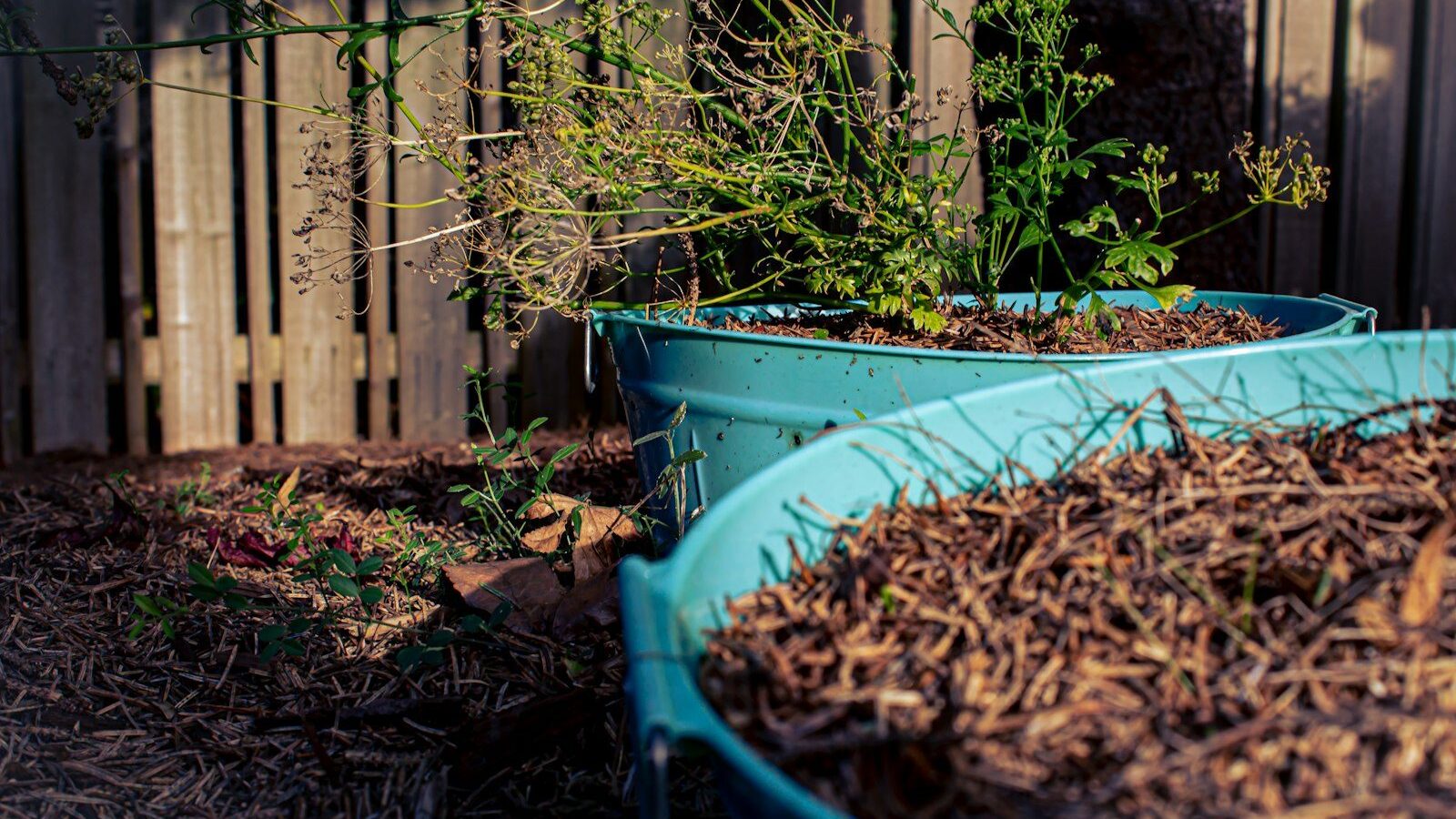
Perlite is one of the cheapest upgrades you can make to a potting mix: those white, popcorn-like granules keep soil open, drain excess water and stop the mix from compacting into a brick around your plants’ roots. But not all perlite is the same. Grade (fine, medium or coarse), bag size and whether fertilizer has been added change which bag suits your use. For DIY mixes for aroids, succulents and large containers, a coarse grade like Supreme Perlite is the pick. For seed starting and propagation, a horticultural grade with no added fertilizer works best. Below are seven perlite listings matched to specific jobs, plus mixing ratios and handling tips. If you’re still deciding whether you need perlite at all, see our guides to perlite vs vermiculite and vermiculite vs perlite vs pumice.
In this guide
- 1. Supreme Perlite Coarse — Best for DIY Potting Mixes
- 2. Dicaperl Aero-Soil Perlite — Best for Rooting Cuttings
- 3. Back to the Roots Organic Perlite — Best for Seed Starting
- 4. Legigo Coarse Perlite — Best for Succulents, Orchids and Carnivorous Plants
- 5. Perfect Plants Organic Perlite — Best for Everyday Houseplant Repotting
- 6. Miracle-Gro Perlite 2-Pack — Best for Fertilized Container Mixes
- 7. PVP Industries Coarse Perlite — Best for Hydroponics and Bulk Use
- What to Look for When Buying Perlite
- Frequently Asked Questions
Urban Lotus Project is reader-supported. When you buy through links on our site, we may earn an affiliate commission at no extra cost to you.
How we compared: we compared 7 current Amazon listings on what each listing states (grade, volume, additives, certifications and suggested uses). We did not test or handle the products, and availability changes.
| Product | Best for | Key features | Buy |
|---|---|---|---|
| Supreme Perlite Coarse 4 cu ft | DIY mixes and big containers |
| Buy now →Check current price |
| Dicaperl Aero-Soil Perlite 4 cu ft | Rooting cuttings |
| Buy now →Check current price |
| Back to the Roots Organic Perlite 8 qt | Seed-starting mixes |
| Buy now →Check current price |
| Legigo Coarse Perlite 4 qt | Succulents, orchids, carnivorous |
| Buy now →Check current price |
| Perfect Plants Organic Perlite 8 qt | Everyday houseplant repotting |
| Buy now →Check current price |
| Miracle-Gro Perlite 8 qt 2-Pack | Fertilized container mixes |
| Buy now →Check current price |
| PVP Industries Coarse Perlite 120 qt | Hydroponics and bulk use |
| Buy now →Check current price |
Prices change often; check Amazon for today’s price. As an Amazon Associate we earn from qualifying purchases.
1. Supreme Perlite Coarse — Best for DIY Potting Mixes

Coarse, OMRI-listed horticultural perlite in a 4 cu ft bag, about 102 dry quarts.
Check price on AmazonWhy We Like It
- Coarse grade for chunky, airy mixes
- OMRI Listed for organic growing
- Bulk bag covers many repots
- Sterile, pH neutral, asbestos-free per listing
| Specification | Details |
|---|---|
| Grade | Coarse, about 1/2 in or larger with varied sizes |
| Volume | 4 cu ft (about 102 dry quarts) |
| Certification | OMRI Listed |
| Additives | None stated |
| Uses listed | Potting, seed starting, propagation, hydroponics |
Supreme Perlite Coarse — compressed specs
Coarse perlite is what most experienced houseplant growers want for aroid mixes (monstera, philodendron, anthurium), cactus and succulent soil, and big patio containers. Larger pieces create bigger air pockets and drain faster than fine grades, and they don’t float to the top as readily. This is the only listing on our shelf that names a particle size and the only one carrying an OMRI listing, which matters if you garden to organic standards.
A 4 cu ft bag is a lot of perlite; if you repot a few houseplants a year, a smaller bag like the Legigo or Perfect Plants makes more sense. But if you mix your own potting soil for a balcony full of containers or a plant collection, bulk bags are far more practical.
Pros
- True coarse grade
- Organic certification
- Bulk volume for big projects
Cons
- Too much for occasional use
- Bulky to store
- Too coarse for fine seed mixes
Check Supreme Perlite Coarse 4 cu ft price on Amazon
2. Dicaperl Aero-Soil Perlite — Best for Rooting Cuttings
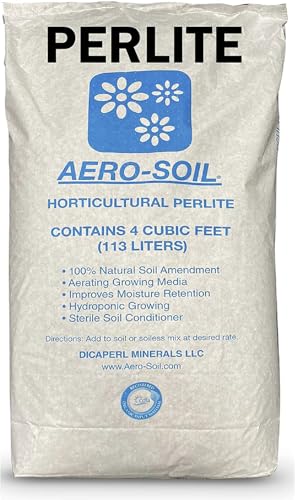
Coarse horticultural perlite with propagation, tree-planting and hydroponic directions on the listing.
Check price on AmazonWhy We Like It
- Clear propagation ratios provided
- Roots lift out with little damage
- Neutral pH with organic materials
- Won’t compact or decompose
| Specification | Details |
|---|---|
| Grade | Coarse horticultural |
| Volume | 4 cu ft |
| Propagation mix | 100% perlite or 3/4 perlite, 1/4 peat |
| Planting mix | 1/3 perlite, 2/3 soil for shrubs and trees |
| Additives | None stated |
Dicaperl Aero-Soil Horticultural Perlite — compressed specs
Aero-Soil stands out for the practical directions on its listing. For cuttings, it suggests straight perlite or a 3:1 perlite-to-peat blend; that’s a classic propagation medium for pothos, coleus, hydrangea, rosemary and many shrubs because it holds air and moisture while letting rooted cuttings slide out cleanly. It also gives a planting ratio for trees and shrubs.
Like the Supreme bag, it’s a 4 cu ft bulk product, so it suits someone who propagates regularly or runs a small nursery bench rather than a single windowsill.
Pros
- Useful mixing guidance
- Good for clean root removal
- Versatile across uses
Cons
- Bulk only
- Particle size not specified
- No organic certification stated
Check Dicaperl Aero-Soil Perlite 4 cu ft price on Amazon
3. Back to the Roots Organic Perlite — Best for Seed Starting

8 qt horticultural-grade perlite made in the USA, with a coir, vermiculite and perlite seed-starting recipe.
Check price on AmazonWhy We Like It
- Handy 8 qt size
- Made in the USA
- Seed-starting recipe included
- No fertilizer to burn seedlings
| Specification | Details |
|---|---|
| Grade | Horticultural grade |
| Volume | 8 qt |
| Origin | Made in the USA |
| Suggested mix | 1 part vermiculite, 1 part perlite, 5 parts coir |
| Additives | None stated |
Back to the Roots Organic Perlite — compressed specs
Seedlings want a fine, sterile, unfertilized mix that stays evenly moist. The listing’s recipe of five parts coir with one part each of vermiculite and perlite is a sensible peat-free seed mix. An 8 qt bag makes plenty of seed mix for a typical spring of tomatoes, peppers and flowers.
The listing doesn’t state a particle grade. For seed trays, smaller pieces are better, so if your bag runs coarse, sift out the largest pieces. Our guide to seed-starting mix vs potting mix explains why seedlings need a different blend.
Pros
- Right-sized for home gardeners
- Domestic production
- Clear seed mix recipe
Cons
- Grade not specified
- Too small for big container projects
- Recipe assumes the brand’s other products
Check Back to the Roots Organic Perlite 8 qt price on Amazon
4. Legigo Coarse Perlite — Best for Succulents, Orchids and Carnivorous Plants

4 qt of evenly sized coarse perlite in a resealable pouch, aimed at cactus, orchid and carnivorous mixes.
Check price on AmazonWhy We Like It
- Coarse, evenly sized pieces
- Resealable heavy-duty pouch
- Specific to fussy plant mixes
- Also comes in 2 and 15 qt
| Specification | Details |
|---|---|
| Grade | Coarse, even sizing |
| Volume | 4 qt (2 qt and 15 qt versions listed) |
| Packaging | Resealable pouch |
| Suggested uses | Cactus, succulents, orchids, Venus flytrap, herbs |
| Additives | None stated |
Legigo Organic Perlite — compressed specs
Carnivorous plants need a mineral-free, fertilizer-free mix, typically peat or sphagnum with perlite, so an unfertilized perlite is essential. Cactus and succulent mixes need fast drainage, which coarse perlite delivers. Legigo is the small-bag pick for these specialist uses, and the resealable pouch keeps dust down and stores neatly on a shelf. Three sizes from the brand are on the shelf, so you can match the bag to your collection.
Ignore the listing’s mention of holding nutrients; perlite itself is inert and adds no nutrition. Its job is purely structural.
Pros
- Coarse grade in a small bag
- Clean storage pouch
- Several sizes available
Cons
- Less volume per bag than bulk picks
- Some listing claims overstated
- Not enough for big containers
Check Legigo Coarse Perlite 4 qt price on Amazon
5. Perfect Plants Organic Perlite — Best for Everyday Houseplant Repotting

8 qt general-purpose perlite to mix into potting media for indoor and outdoor containers.
Check price on AmazonWhy We Like It
- Mid-size bag for regular repotting
- Indoor and outdoor containers
- Lightweight and long-lasting
- Simple, no additives stated
| Specification | Details |
|---|---|
| Grade | not stated in listing |
| Volume | 8 qt |
| Use | Mix with potting mix for containers |
| Additives | None stated |
| Durability | Does not decompose |
Perfect Plants Organic Perlite — compressed specs
Most bagged potting mixes already contain some perlite, but many houseplants, especially snake plants, hoyas, peperomias and anything prone to root rot, do better with more. An 8 qt bag lets you add a quarter to a third extra perlite to store-bought mix for a dozen or so medium pots. It’s a straightforward, unfertilized choice.
The listing gives less detail than others (no grade or particle size), so it’s best for general mixing rather than specialist blends.
Pros
- Practical size
- No fertilizer added
- Indoor and outdoor use
Cons
- Grade not listed
- Sparse listing details
- No certification stated
Check Perfect Plants Organic Perlite 8 qt price on Amazon
6. Miracle-Gro Perlite 2-Pack — Best for Fertilized Container Mixes
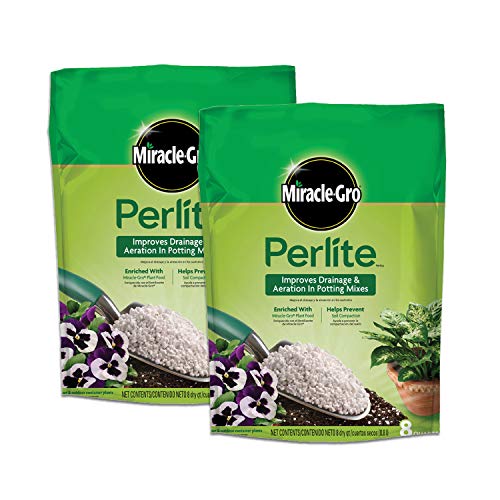
Two 8 qt bags of perlite enriched with Miracle-Gro plant food for container plants and houseplants.
Check price on AmazonWhy We Like It
- 16 qt total across two bags
- Plant food already mixed in
- Also suggested for bulb storage
- Widely recognized brand
| Specification | Details |
|---|---|
| Volume | 2 x 8 qt |
| Additives | Miracle-Gro plant food |
| Suggested mix | Even blend with potting mix or peat moss |
| Other uses | Rooting cuttings, storing bulbs and root crops |
| Grade | not stated in listing |
Miracle-Gro Perlite — compressed specs
This is the only perlite on our list with fertilizer added. That’s convenient for annual containers and hungry patio plants, but it’s the wrong choice for seed starting, carnivorous plants, cacti that prefer lean soil, or anywhere you want to control feeding yourself. If you use it in a mix that already contains fertilizer, cut back on extra feeding to avoid salt buildup.
Pros
- Two bags in one order
- Easy for container gardeners
- Multi-purpose uses listed
Cons
- Fertilizer limits uses
- Not for carnivorous plants
- Grade not stated
Check Miracle-Gro Perlite 8 qt 2-Pack price on Amazon
7. PVP Industries Coarse Perlite — Best for Hydroponics and Bulk Use

120 qt sterile, pH-neutral coarse perlite for soil conditioning, propagation and hydroponic systems.
Check price on AmazonWhy We Like It
- Largest bag on our list
- Sterile and pH neutral
- Listed for hydroponic systems
- Coarse grade
| Specification | Details |
|---|---|
| Grade | Coarse |
| Volume | 120 qt (4 cu ft) |
| pH | Neutral |
| Uses listed | Soil conditioning, hydroponics, seed and cutting propagation |
| Additives | None stated |
PVP Industries Coarse Perlite 105408 — compressed specs
For Dutch buckets, wicking beds or a perlite-and-coir hydroponic setup, you need volume and a sterile, inert medium. This 120 qt bag covers that, and it’s equally useful for amending raised beds in heavy clay or mixing large batches of container soil. Rinse perlite before using it in hydroponics to wash out dust that can clog drippers.
Pros
- Big volume
- Sterile, inert medium
- Coarse grade for drainage
Cons
- Overkill for a few houseplants
- Dusty in bulk
- Storage space needed
Check PVP Industries Coarse Perlite 120 qt price on Amazon
What to Look for When Buying Perlite
Grade
- Fine: seed-starting mixes and top-dressing small seeds.
- Medium: general potting mixes and most houseplants.
- Coarse: aroids, cacti and succulents, orchids, large containers and propagation.
Additives
Plain horticultural perlite is the most versatile. Fertilized perlite is fine for outdoor containers but not for seedlings, carnivorous plants or lean cactus mixes.
Bag size
Perlite doesn’t break down, so a big bag keeps indefinitely if stored dry. Buy 2 to 8 qt for a few houseplants, and 4 cu ft if you mix soil regularly or garden in containers outdoors.
Mixing ratios that work
| Use | Starting ratio |
|---|---|
| General houseplants | 3 parts potting mix : 1 part perlite |
| Aroids (monstera, philodendron) | 2 parts potting mix : 1 part perlite : 1 part orchid bark |
| Cactus and succulents | 1 part potting mix : 1 part coarse perlite |
| Seed starting | Fine coir or peat with 10–25% perlite and vermiculite |
| Rooting cuttings | 100% perlite or 3 parts perlite : 1 part peat |
For a ready-made base to amend, see our best potting mix picks, and for more on soil building, our composting and soil hub.
Handle it safely
Dry perlite is dusty. Lightly moisten the bag contents before pouring, work outdoors or in a ventilated space, and wear a dust mask when mixing large batches.
Frequently Asked Questions
What grade of perlite is best for houseplants?
Medium to coarse. Coarse perlite gives the best drainage for aroids, succulents and plants prone to root rot; medium is fine for general potting mixes.
How much perlite should I add to potting soil?
Start with about one part perlite to three parts potting mix for most houseplants, and go up to equal parts for cacti and succulents.
Does perlite go bad?
No. It’s an expanded volcanic mineral that doesn’t decompose. Store it dry and it will keep indefinitely.
Why does perlite float to the top of my pots?
It’s very light, so watering lifts some pieces to the surface. Coarse grades float less. Pre-moistening perlite before mixing also helps.
Can I use perlite with fertilizer for seed starting?
It’s best not to. Seedlings are sensitive to fertilizer salts. Use plain, unfertilized perlite in seed mixes and start feeding lightly once true leaves appear.