

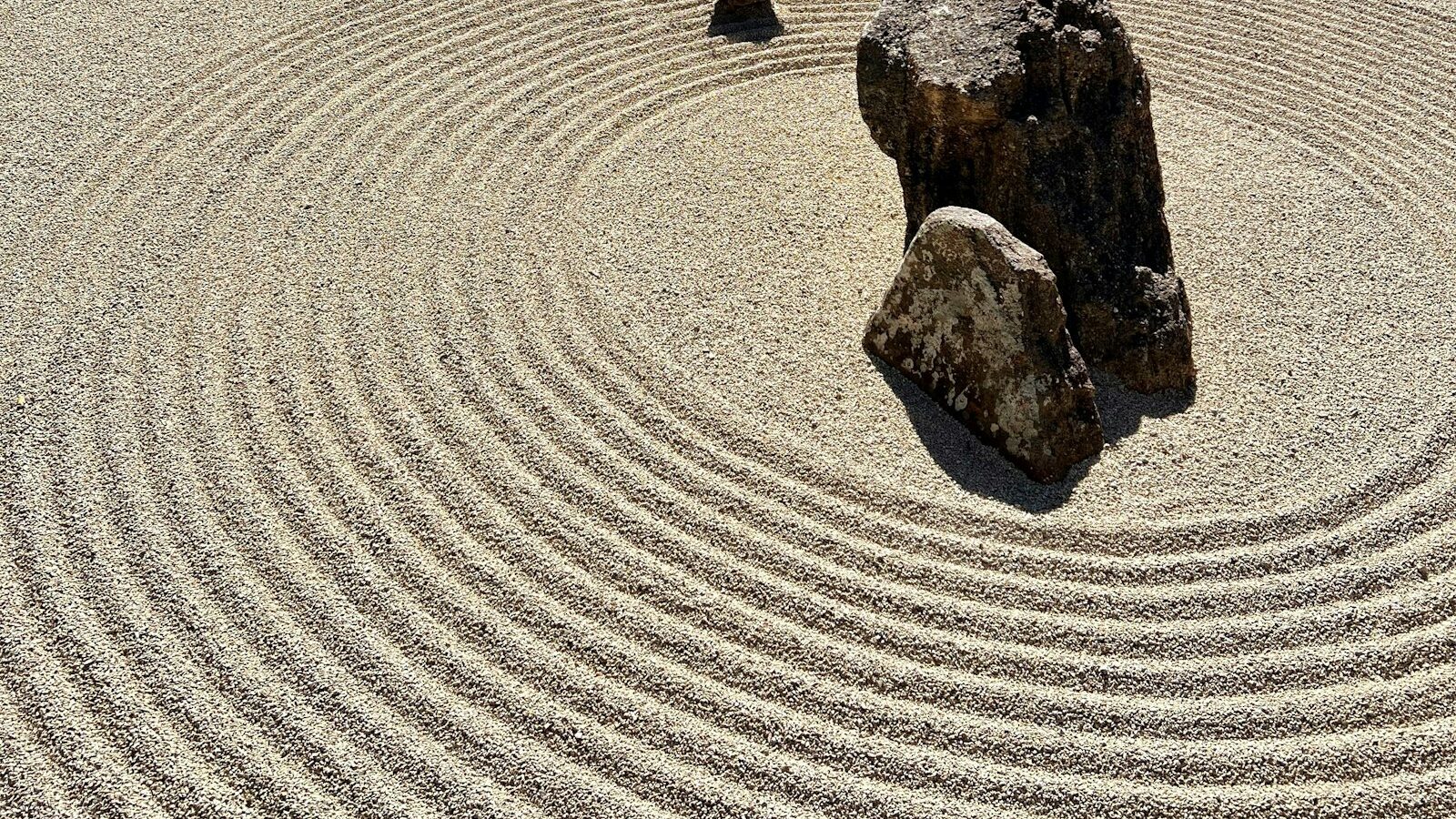
The stillness of a Japanese garden, raked gravel, weathered stone, the soft drip of a water basin, holds enduring appeal for Singapore homeowners craving calm in a dense, fast-moving city. The challenge is that the classic Japanese palette was shaped by a cool, temperate climate, while our gardens sit in year-round heat, downpours and relentless humidity. This guide shows how to capture the spirit of a Zen garden in tropical Singapore, the elements that translate well, the local plants that stand in for temperate species, and what it costs to do it properly.
Key takeaways
- A convincing Singapore Zen garden borrows Japanese principles, restraint, asymmetry, borrowed scenery, rather than copying temperate plant lists wholesale.
- Hard elements, gravel, rocks, water basins, stepping stones, lanterns and bamboo, translate almost directly; the planting is where tropical adaptation matters most.
- Swap maples and moss for mondo grass, dwarf mondo, ferns, Japanese-style bamboos and clipped tropical shrubs that read as “Japanese” but thrive in our heat.
- The hardest part is balancing minimalist restraint against fast tropical growth, expect frequent trimming, weeding of gravel, and drainage planning for monsoon rain.
- A small courtyard or side garden is often the ideal Singapore canvas; budget roughly SGD 6,000-40,000+ for a designed and built Zen courtyard depending on scale and finishes.
The philosophy behind a Japanese garden
Before choosing a single rock, it helps to understand what a Japanese garden is trying to do. Unlike a flower-led English border, a Japanese garden is a composed landscape meant to evoke nature in miniature and invite quiet contemplation. The most austere expression is the karesansui, the dry landscape, where raked gravel stands in for water and carefully placed rocks suggest mountains or islands. There is no clutter and no riot of colour; meaning comes from negative space, proportion and the relationship between a few deliberate elements.
This matters in Singapore because the principles travel far better than the plant list. Asymmetry, odd-numbered groupings of rocks, the idea of shakkei (borrowing distant scenery such as a neighbour’s tree or the sky), and a disciplined limit on colour and texture can all be achieved with tropical material. Anchor your design in the philosophy rather than in nostalgia for Kyoto’s maples and you will end up with something that both feels authentically Japanese and survives our climate.
Core design principles to keep
- Restraint: fewer elements, more space. Resist the urge to fill every corner.
- Asymmetry: avoid mirror-image, formal symmetry; balance is achieved through uneven, natural-feeling arrangements.
- Odd numbers: rocks and plants are traditionally grouped in threes, fives or sevens.
- Borrowed scenery: frame a view beyond the garden, a tree, the sky, a wall texture, to extend the sense of space.
- Concealment and reveal: a path that turns, a screen of bamboo, so the whole garden is not seen at once.
The essential hard elements
The good news for tropical gardeners is that the structural backbone of a Japanese garden is largely weatherproof. Stone, gravel and water behave the same in Singapore as in Japan, so these elements carry the look reliably while the planting does the regional adapting.
Gravel and karesansui
Raked gravel is the signature of the dry Zen garden. Use a light, angular granite chip (around 5-10mm) that holds rake lines rather than smooth pebbles that scatter. The catch in Singapore is twofold: heavy rain displaces gravel and washes silt in, and weed seeds germinate fast in the warmth. Lay the gravel over a quality woven weed membrane, edge it crisply with steel or stone, and accept that raking and the occasional top-up are part of the ritual. Keep gravel beds away from heavy leaf-drop trees to reduce constant clearing.
Rocks and stone arrangements
Rocks (ishi) are the bones of the garden and are chosen and placed first. Look for weathered, characterful stones, locally available granite, basalt or imported feature rocks, and set them so a third of each sits buried, giving them a rooted, ancient feel. Group them in odd numbers with one dominant stone and supporting companions. A single well-placed boulder often does more than a dozen scattered ones.
Water basins, stepping stones and lanterns
A stone water basin (tsukubai), traditionally fed by a bamboo spout (shishi-odoshi), adds sound and movement. In our climate, keep the water moving with a small recirculating pump so it does not become a mosquito and NEA concern, and empty any still saucers after rain. Stepping stones (tobi-ishi) guide movement and slow the eye; set them level and slightly proud of the gravel. Stone lanterns (ishidoro) provide a vertical accent and a focal point, position one near the basin or a path turn rather than dead-centre. For a full water feature such as a koi pond integrated into the design, see our koi ponds & water features service.
Bamboo and screens
Bamboo is both plant and material here, used live for screening and harvested for fences (take-gaki), spouts and gates. Live bamboo thrives in Singapore, almost too well, so choose clumping (sympodial) varieties such as Bambusa multiplex rather than running types that invade, and plant them in containers or root barriers if space is tight. A bamboo or timber screen also delivers the concealment principle and softens a boundary wall.
Plants that work in our tropical climate
This is where most attempts go wrong. Japanese maples, azaleas in cool-climate form, true mosses and many conifers simply will not last in Singapore’s heat and humidity. Instead, choose tropical and subtropical plants that share the right qualities, fine texture, deep green, a clipped or mounded habit, and arrange them with Japanese restraint. The result reads as Japanese without fighting the climate.
Suitable plants for a Singapore Zen garden
- Mondo grass (Ophiopogon japonicus): the workhorse ground cover, fine, dark, grass-like clumps that read as a tidy lawn substitute or border edging.
- Dwarf mondo (Ophiopogon japonicus ‘Nana’): a low, dense carpet, the closest practical stand-in for moss between stepping stones.
- Clumping bamboo (Bambusa multiplex, including ‘Alphonse Karr’): screening and vertical rhythm without the invasiveness of running bamboo.
- Tropical ferns (bird’s nest fern, autumn fern, maidenhair): soft, shade-loving texture for the moss-and-fern feel in damp, shaded corners.
- Japanese sago palm / cycad (Cycas revoluta): a sculptural, slow-growing accent with an unmistakably Japanese silhouette that loves the heat.
- Clipped Fukien tea (Carmona retusa) or premna: small-leaved tropical shrubs that take cloud-pruning and bonsai-style shaping beautifully.
- Podocarpus (Buddhist pine): a fine-needled evergreen that can be clipped into the layered, conifer-like forms central to the Japanese look.
- Acalypha or dwarf Ixora, used sparingly: a restrained touch of green-and-occasional-colour hedging where a defined edge is needed.
- Lotus or water lily in a basin or pond: a serene aquatic accent that thrives in our climate and suits the contemplative mood.
- Mosses, only in deep shade: achievable in permanently shaded, damp courtyards, but treat as a bonus rather than a plan.
For broader inspiration on what performs well locally, see our guide to the best plants for Singapore gardens.
Balancing minimalism with tropical growth
The defining tension of a tropical Zen garden is this: minimalism depends on crisp, controlled forms, while our climate pushes plants to grow fast and lush all year round. A garden that looks immaculate the week it is finished can blur into shapelessness within a couple of months if you do not plan for upkeep. The answer is to design with maintenance in mind from the start, not to abandon the minimalist ideal.
Favour slow-growing, clip-friendly species over vigorous spreaders, restrict the plant palette to a handful of repeated types, and let hard materials carry more of the composition so there is less foliage to manage. Drainage is equally critical: our monsoon downpours pool on flat gravel beds and rot shallow-rooted plants unless you grade the ground and install proper run-off. If drainage worries you, our guide to garden drainage in Singapore covers the essentials.
Designing for low fuss
- Limit the plant list to three to five repeated species for a calm, coherent look.
- Choose clip-tolerant, slow growers over fast spreaders to stretch the time between trims.
- Let stone and gravel do the heavy lifting so there is less greenery to maintain.
- Grade the ground and add drainage so monsoon rain runs off the gravel rather than pooling.
- Use root barriers for bamboo and any vigorous ground cover to keep edges crisp.
Small courtyard and condo Zen gardens
You do not need a sprawling estate; the Japanese tradition of the tsubo-niwa, a tiny courtyard garden viewed from inside the home, is a perfect fit for Singapore living. A landed home’s air well, a side strip beside the dining room, or even a generous condo balcony can become a contemplative scene framed by a window. In a small space the discipline of restraint becomes an advantage: one beautiful rock, a patch of raked gravel, a single sculptural cycad and a stone basin can be more powerful than a crowded plot.
For condos, weight, waterproofing and management rules matter, a gravel-and-stone scene on a balcony needs a waterproof tray and load awareness, while a recirculating basin must not drip onto units below. Container-grown bamboo and cycads keep things flexible and within strata rules. In a landed courtyard, you have more freedom to set rocks into the ground and run a small water feature, which is where the design can really sing.
Maintenance through the year
A Zen garden is low-clutter but not no-maintenance, and tropical conditions raise the tempo. The upkeep is more meditative than strenuous, but it does need to be regular. Treat it as the gardener’s equivalent of the raking ritual rather than a chore to defer.
- Raking and gravel: rake lines back into shape weekly, clear leaf litter, and top up displaced gravel after heavy rain.
- Weeding: pull or spot-treat weeds in gravel beds early; warmth makes them germinate fast through gaps in the membrane.
- Trimming: clip mondo, hedges and shaped shrubs every few weeks to hold their crisp forms.
- Water feature care: keep the pump running, clean the basin, and check for mosquito risk regularly.
- Moss and ferns: mist or hand-water shaded ground covers in dry spells to keep the soft green look.
If you would rather enjoy the garden than maintain it, many homeowners arrange a recurring service. Browse all Singapore services for maintenance and design options island-wide.
Costs and working with a designer
A Zen garden looks simple, but that simplicity is hard-won; sourcing the right rocks, achieving correct drainage, and placing elements with the proportion the style demands all reward professional input. A good designer will translate the Japanese principles to tropical material and plan the construction so it survives the monsoon. Costs vary widely with scale, materials and how much hardscaping and water work is involved.
- Small balcony or container Zen scene: SGD 1,500-5,000
- Designed courtyard (tsubo-niwa) with gravel, rocks and planting: SGD 6,000-20,000
- Larger landed Zen garden with water basin and bamboo screening: SGD 20,000-40,000+
- Integrated koi pond or larger water feature: add SGD 8,000-40,000+ depending on size
- Ongoing maintenance visits: roughly SGD 80-250 per visit depending on size and scope
When engaging a professional, ask to see completed Japanese-style projects in Singapore, confirm they understand tropical plant substitutes and drainage, and get itemised quotes so you can compare like for like. Our landscaping & design service connects you with designers who build Japanese-inspired gardens suited to our climate.
Get free garden design quotes in Singapore
Tell us about your space and we’ll match you with vetted local landscape designers island-wide. Free, no obligation.
Frequently asked questions
Can you grow a real Japanese maple in Singapore?
Not reliably outdoors. Japanese maples need a cool, temperate climate with a winter dormancy that Singapore cannot provide, and they tend to struggle and decline in our constant heat and humidity. For the same fine-textured, sculptural effect, use clip-friendly tropical plants such as Fukien tea, podocarpus or a Japanese sago palm instead.
What can I use instead of moss in a tropical Zen garden?
Dwarf mondo grass (Ophiopogon japonicus ‘Nana’) is the most practical substitute, forming a low, dense green carpet between stepping stones. True moss can survive in permanently shaded, damp courtyards, but it is best treated as a bonus in the right microclimate rather than something to rely on.
How do I stop weeds growing in the gravel?
Lay the gravel over a quality woven weed membrane, edge the bed crisply to stop soil and seeds washing in, and keep gravel away from heavy leaf-drop trees. Even then, our warm climate means some weeding is inevitable, so spot-treat or hand-pull weeds early before they establish.
Will a water basin breed mosquitoes?
Only if the water sits still. Keep a small recirculating pump running so the water moves, which mosquitoes avoid, and empty any saucers or reservoirs that collect rainwater. Moving water is both more authentic, recalling the trickle of a tsukubai, and safer in dengue terms.
Is a Zen garden low-maintenance?
It is low-clutter rather than no-maintenance, especially in the tropics. Expect weekly raking and leaf clearing, regular weeding of gravel, and trimming of shaped plants every few weeks to keep the crisp forms. Choosing slow-growing species and letting stone carry more of the design reduces the workload considerably.