

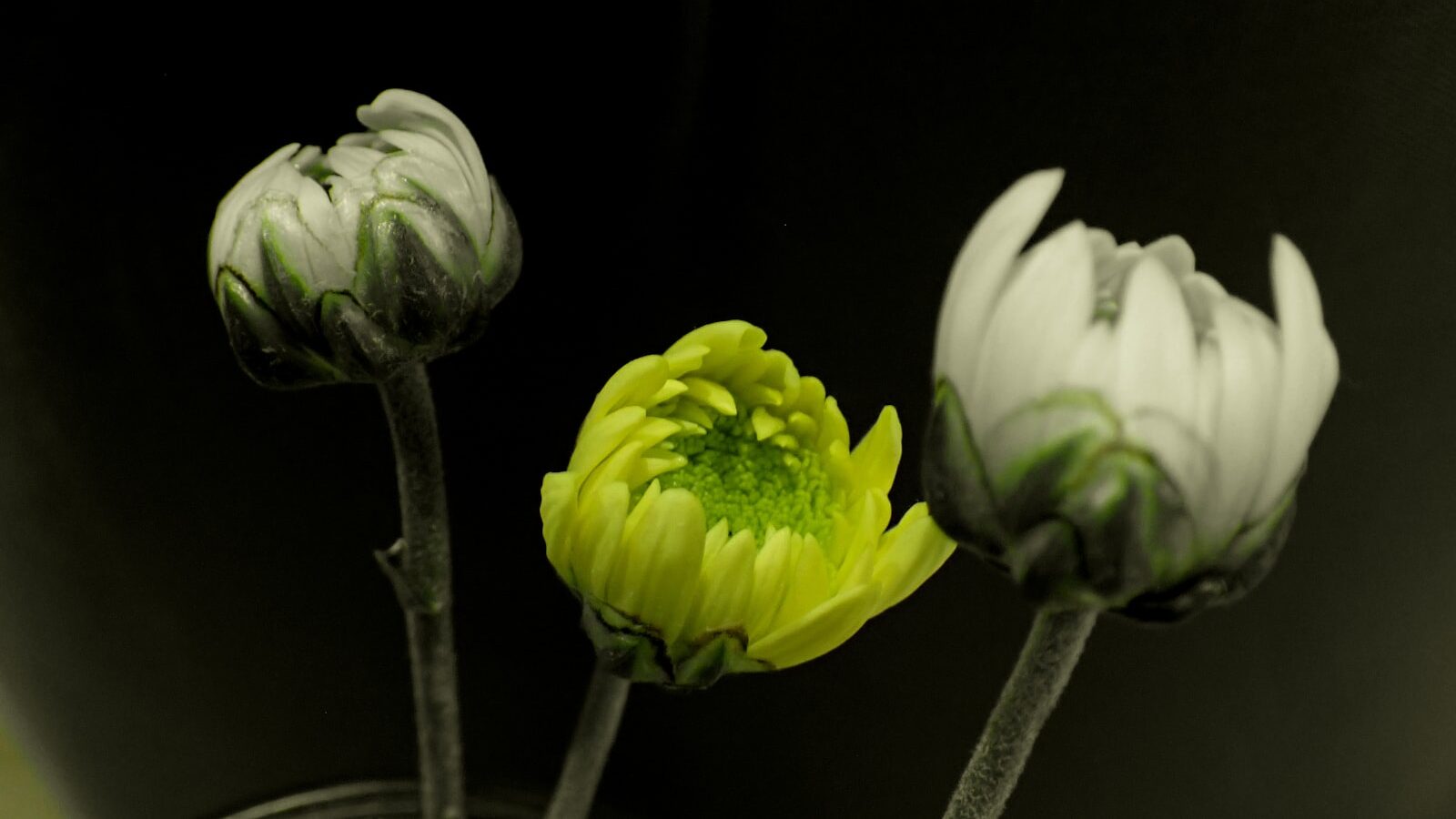
Few things are more frustrating than a healthy-looking plant that simply refuses to flower. The leaves are lush, the stems are strong, and yet the blooms you were promised never appear. The good news is that a non-flowering plant is almost always sending you a clear message, and once you learn to read it, the fix is usually simple. This guide walks through the most common reasons houseplants and garden plants fail to bloom, with practical steps to coax them back into flower.
Key takeaways
- Too little light is the #1 reason
- High-nitrogen feed = leaves, not flowers
- Wrong-time pruning removes flower buds
- Some plants need maturity or a cool rest
- Use a bloom (high-phosphorus) feed
As an Amazon Associate we earn from qualifying purchases.
Before you assume the worst, work through the causes below in order. Light and feeding problems are by far the most common, so start there. For broader growing advice, see our plant & flower care guide, and check the specific care pages linked throughout for fussier favourites like orchids, hydrangeas and peonies.
Not enough light
If you only fix one thing, make it this one. Flowers are expensive for a plant to produce, and it will only invest the energy when it is confident there is enough light to power the effort. A plant in too little light will often survive happily, pushing out leaves and staying green, but it will quietly skip flowering altogether because it cannot afford the cost.
Why it happens
Most flowering plants need bright light, and many need direct sun for part of the day. Indoors, a spot that feels “bright” to your eyes can deliver a fraction of the light the plant actually needs. A windowsill that flowered a plant beautifully in summer may be far too dim by winter. Outdoors, a shrub planted in full sun that is now shaded by a maturing tree or a neighbour’s fence will gradually stop blooming as the years pass.
How to fix it
- Move flowering houseplants to your brightest window. South- or west-facing windows usually deliver the most light in the Northern Hemisphere.
- For sun-loving bloomers like hibiscus, gardenia or jasmine, aim for at least six hours of bright or direct light a day.
- If your home is genuinely dark, add a full-spectrum LED grow light running 10 to 12 hours daily.
- In the garden, observe where the sun actually falls now, not where it fell when you planted. Move or transplant shade-stuck shrubs to a sunnier bed in autumn or early spring.
Too much nitrogen fertiliser
This is the classic “great leaves, no flowers” problem, and it catches out even experienced gardeners. If your plant looks impossibly lush and green but stubbornly refuses to bud, your feeding routine is the likely culprit.
Why it happens
Fertiliser labels carry three numbers, the N-P-K ratio, standing for nitrogen, phosphorus and potassium. Nitrogen drives leafy, vegetative growth, while phosphorus supports flowering and root development. A high-nitrogen feed, including most lawn fertilisers and many general-purpose plant foods, tells the plant to pour its energy into foliage. Over-fed plants build a jungle of leaves at the direct expense of blooms. Lawn feed drifting into nearby beds is a surprisingly common cause.
How to fix it
- Switch to a bloom-focused feed with a higher middle number, such as a high-phosphorus bloom booster fertilizer.
- Stop using high-nitrogen feeds on flowering plants entirely. Keep lawn fertiliser well away from beds and borders.
- For plants already overdosed on nitrogen, simply pause feeding for several weeks and let the surplus flush through with watering.
- A handful of bone meal worked into the soil is a gentle, slow-release source of phosphorus for roses, bulbs and perennials.
Pruning at the wrong time
If you prune enthusiastically but never see flowers, you may be cutting off the very buds you are waiting for. Timing your pruning to your plant’s flowering habit is one of the most overlooked fixes.
Why it happens
Many shrubs set their flower buds months in advance, often on the previous year’s growth, known as “old wood.” Prune them at the wrong moment and you remove next season’s flowers before they ever open. Hydrangeas are the most famous example, and several popular types bloom on old wood; cut them back in spring and you sacrifice the whole show. Lilacs, forsythia, azaleas and many spring-flowering shrubs work the same way.
How to fix it
- Learn whether your shrub flowers on old or new wood before reaching for the secateurs.
- As a rule of thumb, prune spring-flowering shrubs right after they finish blooming, and summer-flowering shrubs in late winter or early spring.
- Check our hydrangea care guide before pruning yours, as a wrong cut is the single most common reason a hydrangea fails to flower.
- When in doubt, prune only dead, damaged or crossing stems and leave the rest alone for a season to see how it blooms.
The plant is simply too young
Sometimes there is nothing wrong at all. The plant is just not old enough to flower yet, and the only real fix is patience.
Why it happens
Many plants must reach a certain age or size before they have the resources to bloom. Fruit trees grown from seed can take years to fruit, and even grafted trees may need three to five years to settle in. Wisteria is notorious, sometimes taking up to a decade to flower, especially when seed-grown. Peonies often sulk for a year or two after planting before they hit their stride. Recently transplanted or divided perennials commonly skip a season while they rebuild their roots.
How to fix it
- When buying, choose named, grafted or mature plants rather than seedlings if you want flowers sooner.
- Give a newly planted shrub or perennial one to three full seasons to establish before worrying about blooms.
- Avoid over-feeding young plants with nitrogen, which only delays maturity by encouraging more leafy growth.
- For peonies specifically, see our peony care guide; planting them at the correct depth is critical, as buried-too-deep crowns may never flower.
No dormancy or temperature trigger
Some plants will not bloom until they have experienced a specific environmental cue, most often a cool rest period, a drop in temperature, or a change in day length. Without that trigger, they stay in permanent leaf mode.
Why it happens
In nature, these cues tell a plant that the right season has arrived. Many spring bulbs need a cold winter to flower, which is why warm-climate gardeners often have to chill tulips in the fridge. Christmas cactus and poinsettias are triggered by long nights and cooler temperatures in autumn. Orchids such as Phalaenopsis frequently need a couple of weeks of cooler nights to start a flower spike. Houseplants kept in a stable, warm room year-round may never receive the signal.
How to fix it
- Give orchids a few weeks of cooler night-time temperatures (around 55 to 65°F / 13 to 18°C) in autumn to prompt spiking; our orchid care guide covers this in detail.
- For Christmas cactus, provide 12 to 14 hours of complete darkness each night for several weeks, and keep it cool.
- Pre-chill spring bulbs in the refrigerator for 10 to 14 weeks if you live somewhere with mild winters.
- Let plants experience natural seasonal swings rather than keeping them in identical conditions all year.
Over- or under-watering
Water stress, in either direction, can stop a plant flowering even when light and feeding are spot on. A stressed plant focuses on survival, not reproduction.
Why it happens
Overwatering suffocates and rots roots, leaving the plant unable to take up the nutrients it needs to bud. Underwatering causes a plant to abort flower buds to conserve moisture, and you may see buds form and then drop off before opening. Inconsistent watering, swinging between bone-dry and waterlogged, is especially hard on developing buds. Some plants, including a few desert species and certain orchids, actually flower better with a slightly dry, lean spell.
How to fix it
- Check the soil with your finger before watering; most plants want the top inch or two to dry out first.
- Always use pots with drainage holes and never let a plant sit in a saucer of standing water.
- Aim for consistent moisture during budding and flowering, when water demand is at its highest.
- If buds keep dropping, suspect erratic watering or a sudden environmental change such as a draught or a move.
The wrong pot size
Pot size has a surprising influence on flowering, and getting it wrong in either direction can keep a plant resolutely green.
Why it happens
A pot that is too large encourages a plant to spend its energy filling the space with roots and leaves before it considers flowering. Conversely, some plants flower best when slightly pot-bound; orchids, clivias, agapanthus and peace lilies often bloom more freely when their roots are a little cramped. A pot that is genuinely too small, though, leaves the plant starved of nutrients and unable to support blooms.
How to fix it
- When potting up, increase the pot diameter by only an inch or two at a time rather than making a big jump.
- If a known “likes to be snug” plant is in an oversized pot and not flowering, move it back down a size.
- For a plant that is severely root-bound and struggling, repot into fresh soil one size up to restore vigour.
- Refresh the top inch of compost annually to top up nutrients without disturbing a happily pot-bound plant.
Poor pollination (for fruit and some flowers)
If your concern is really about a lack of fruit rather than flowers, or flowers that form but never set, pollination is the missing link. The plant may be blooming just fine but failing to be pollinated.
Why it happens
Many fruiting plants need pollinators, such as bees, to transfer pollen, and some need a second compatible variety nearby for cross-pollination. Indoors, or in a garden short of insects, flowers can open and then drop without setting fruit. Squashes, tomatoes, apples and many other crops are affected. Cold, wet or windy weather during bloom keeps pollinators away and reduces fruit set even outdoors.
How to fix it
- Plant pollinator-friendly flowers nearby to draw in bees, and avoid spraying insecticides during bloom.
- For fruit trees, check whether your variety is self-fertile or needs a pollination partner, and plant one if needed.
- Hand-pollinate indoor or greenhouse plants by dabbing pollen between flowers with a small soft brush.
- Gently shake or tap tomato and pepper plants daily while flowering to help self-pollination along.
Frequently asked questions
How long should I wait before worrying that my plant won’t bloom?
It depends on the plant. Annuals and fast houseplants should flower within their first season, but many perennials, shrubs and trees need one to three years, sometimes longer, to establish before they bloom reliably. If a mature plant in good conditions still refuses to flower after a couple of seasons, work through light, feeding and pruning before assuming there is a real problem.
What is the best fertiliser to make a plant flower?
Choose a feed with a higher middle number (phosphorus) in the N-P-K ratio, often sold as a bloom booster or tomato feed. High phosphorus supports flowering, while high nitrogen does the opposite by promoting leaves. Avoid general lawn fertilisers on flowering plants, and follow the dilution rate on the label rather than overdoing it.
Why does my plant grow lots of leaves but no flowers?
This is almost always too much nitrogen, too little light, or both. Switch to a low-nitrogen, high-phosphorus feed and move the plant somewhere brighter. If it is a shrub, also check you are not pruning off the flower buds at the wrong time of year.
Can a houseplant bloom indoors all year round?
Some can, such as African violets, anthuriums and certain orchids, given enough light and the right feeding. Many others, though, need a seasonal trigger like cooler nights, longer darkness or a short dry rest before they will set buds. Mimicking those natural cues is usually the key to repeat indoor flowering.
My buds form but fall off before opening, what is wrong?
Bud drop is usually a sign of stress: inconsistent watering, a sudden temperature change, a draught, low humidity, or being moved while in bud. Keep watering steady, avoid relocating a budding plant, and protect it from cold draughts and heat sources until the flowers open.