

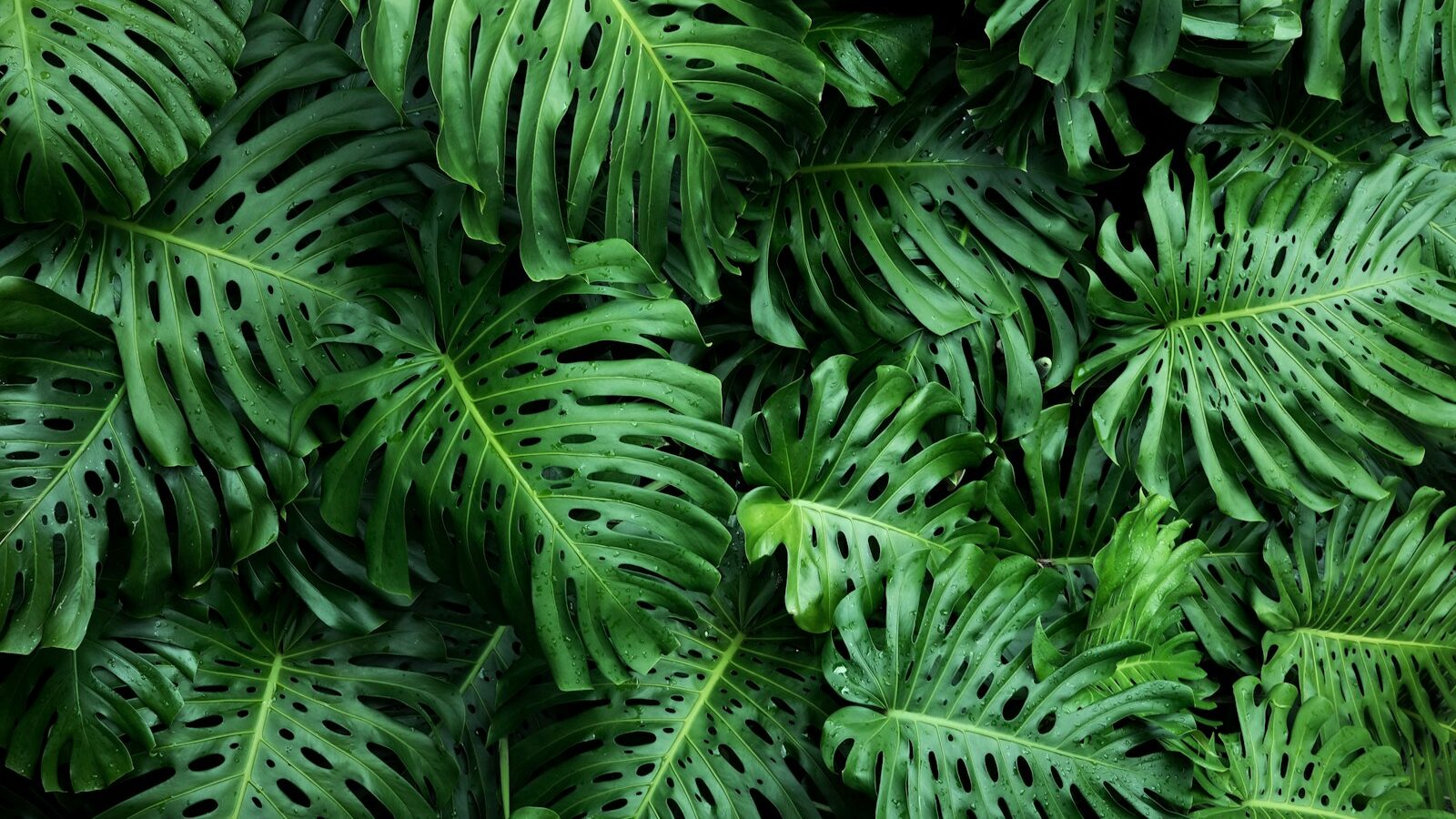
A Monstera deliciosa is meant to be the showpiece of a plant collection, all glossy green and dramatic split leaves, so watching those leaves turn yellow is genuinely deflating. The good news is that yellowing, known as chlorosis, is the plant communicating clearly rather than collapsing. Monsteras are tropical aroids with specific but easily met preferences, and the way the yellow appears, whether it strikes old leaves or new, comes on fast or slow, and arrives with soggy or bone-dry soil, points straight to the cause. Most yellowing traces back to watering, but light, nutrients, pests, temperature, and the plant outgrowing its pot all contribute. In this guide we break down the six common reasons a monstera turns yellow, how to diagnose each by reading the plant and its soil, and exactly how to fix and prevent it. Work through them in order and you will almost always land on the culprit before any more leaves are lost.
Key Takeaways
- Overwatering is the leading cause of yellow monstera leaves; waterlogged soil suffocates roots and triggers rot, producing soft yellow leaves and a sour-smelling pot.
- Water only when the top 2 to 3 inches of soil are dry, use a chunky aroid mix and a pot with drainage, and never let the plant sit in standing water.
- Monsteras want bright indirect light; too little causes pale, leggy growth with fewer leaf splits, while direct midday sun scorches and bleaches the leaves.
- An occasional yellow lower leaf is normal aging, but widespread or rapid yellowing signals a problem with water, light, nutrients, or pests.
- Check for nutrient deficiency, spider mites and a root-bound pot if watering and light are correct but yellowing persists.
Cause 1: Overwatering and Root Rot
Begin your investigation here, because overwatering is the single most common reason a monstera turns yellow. These plants grow as climbing aroids on the forest floor and up tree trunks, with thick roots that demand both moisture and air. When potting soil stays saturated, water fills the spaces that should hold oxygen and the roots effectively suffocate. Deprived of air, root tissue dies and rots, and rotten roots can no longer transport water and nutrients into the plant. The maddening result is that an overwatered monstera looks like a thirsty one, wilting and yellowing even with wet soil, because its damaged roots cannot use the water surrounding them. Root rot spreads quickly and is the leading killer of otherwise healthy monsteras.
How to diagnose it. Overwatered leaves turn yellow and feel soft, limp, or mushy, and the yellowing typically begins with the lower, oldest leaves. The soil stays wet for many days and may smell sour or swampy. Lift the pot; if it feels heavy and the surface is damp long after watering, suspect overwatering. Slide the plant out and check the roots. Healthy monstera roots are firm and pale; rotting roots are brown or black, soft, and slimy, and may smell foul or fall apart in your hand.
How to fix it. Stop watering and let the soil dry. If you find rot, unpot the plant, rinse the roots, and trim away every soft brown root with clean, sterilized scissors, keeping only firm pale tissue. Repot into a fresh, chunky aroid mix in a clean pot with drainage holes, not drastically oversized. From then on, water only when the top 2 to 3 inches of soil are dry, water thoroughly until it drains, and empty the saucer so the roots never stew. Monsteras strongly prefer an airy mix of potting soil cut with bark, perlite, and coco coir over dense standard soil; our comparison of potting soil versus potting mix explains why the right medium prevents this problem.
Cause 2: Underwatering and Drought Stress
While monsteras hate soggy roots, they are not desert plants, and letting them dry out completely for long stretches causes its own yellowing. When the soil goes bone dry, the plant cannot replace the moisture its big leaves lose to the air, so it begins shedding older foliage to conserve water, yellowing and then crisping those leaves while protecting newer growth. This decline is drier and slower than the soft collapse of overwatering. It often happens to people who, wary of overwatering, swing too far the other way, or who keep a large monstera in a pot that has become too small to hold enough moisture between waterings.
How to diagnose it. Underwatered yellow leaves feel dry, thin, and papery rather than mushy, and brown crispy edges often follow the yellowing. The soil will be bone dry, sometimes shrinking away from the sides of the pot, and the whole plant may droop with limp, curling leaves. If the pot feels very light and you cannot recall the last watering, drought stress is the likely answer.
How to fix it. Rehydrate the root ball evenly. If the soil has dried into a hard mass that repels water, bottom-water the plant by standing the pot in a tray of water for 30 minutes so the soil wicks moisture upward, then let it drain completely. Resume a consistent routine of checking the soil and watering once the top 2 to 3 inches have dried. Drooping leaves usually recover within a day or two, but any leaves that have already yellowed will not green up again. If a large plant dries out within just a few days of watering, it is likely root-bound and needs a larger pot, which is covered below.
Cause 3: Incorrect Light
Light drives everything a monstera does, and getting it wrong causes yellowing at both extremes. In a dim spot the plant cannot photosynthesize enough to maintain all its foliage, so older leaves yellow and drop, new leaves emerge small and without their signature splits, and growth turns leggy with long bare stems reaching toward the nearest window. In harsh direct sun, the opposite damage occurs: the intense rays scorch the leaves, bleaching them to a pale yellow and burning brown crispy patches into the most exposed surfaces. Monsteras evolved in dappled forest light, so both deep shade and full sun stress them.
How to diagnose it. If the plant sits well back from any window or in a dark room and the yellowing comes with sparse, stretched, splitless growth, it needs more light. If it sits in a south or west window where direct sun hits the leaves, and the yellow or bleached patches concentrate on the sun-facing side, it is getting too much. A monstera that stops producing fenestrations, the characteristic holes and splits, is almost always telling you it wants brighter, more consistent light.
How to fix it. Provide bright, indirect light, the condition monsteras thrive in. A position a few feet from an east or south window, or beside a bright window filtered through a sheer curtain, is ideal. Move a scorched plant out of direct rays immediately. In genuinely dark homes a grow light keeps the plant healthy and encourages those prized splits. Rotate the pot a quarter turn weekly so every side receives even light, preventing the plant from leaning and yellowing on its shaded face. Light stress affects many tropical foliage plants the same way; the same logic applies when working out why pothos leaves turn yellow.
Cause 4: Nutrient Deficiency
A large, fast-growing monstera is a hungry plant, and potting mix only holds so much nutrition. With every watering some nutrients leach out the drainage holes, and after a year or two in the same soil the plant can run short of the nitrogen, magnesium, and iron it needs to keep its leaves green. Since chlorophyll depends on these nutrients, a shortage shows as yellowing, with the pattern revealing which nutrient is missing. Nitrogen deficiency yellows the oldest leaves first, because the plant relocates this mobile nutrient to new growth. Iron and magnesium deficiencies instead yellow the newer leaves while the veins stay green, the distinctive interveinal chlorosis pattern.
How to diagnose it. Suspect a deficiency when watering and light are correct, the plant has lived in the same soil a long time, and you have rarely or never fertilized. Read the pattern: uniform yellowing of older leaves suggests nitrogen, while yellow leaves with a clearly green vein network suggest iron or magnesium. Growth often slows, and new leaves emerge smaller and paler than they should be.
How to fix it. Feed the plant through the growing season. A balanced liquid houseplant fertilizer at half strength, applied roughly monthly from spring through early autumn, replaces the missing nutrients without risking fertilizer burn. Skip feeding in winter when growth slows. If the monstera has been in the same pot for more than a couple of years, repotting into fresh mix delivers a nutrient reset that feeding alone cannot match. Avoid overfeeding, which leaves a damaging salt buildup in the soil. Choosing the right product matters too; our guide to liquid versus granular fertilizer covers what works best for indoor plants.
Cause 5: Pests, Especially Spider Mites and Scale
Sap-sucking pests are an easily overlooked cause of yellow monstera leaves. Spider mites, scale, mealybugs, and thrips all feed by piercing the leaf tissue and draining its juices, and each puncture kills a small patch of cells. Across a growing infestation the leaf yellows, stipples, and eventually fades and drops. Spider mites are particularly common on monsteras and thrive in the warm, dry air of heated indoor spaces, while they are tiny enough that the yellowing is often the first thing you notice. By then a colony may have spread across the plant, so prompt action matters.
How to diagnose it. Inspect the undersides of the leaves and the leaf joints closely, using a magnifier if you have one. Spider mites leave fine webbing and a dusty, speckled yellow mottling. Scale shows as small brown bumps on stems and leaf veins, and mealybugs look like little tufts of white cotton. A reliable mite test is to tap a leaf over a sheet of white paper; if tiny specks fall and crawl, you have mites.
How to fix it. Isolate the affected monstera so pests do not migrate to nearby plants. Wipe every leaf top and bottom, then treat the whole plant with insecticidal soap or diluted neem oil, thoroughly coating the leaf undersides and stems where pests hide. Repeat every five to seven days for three to four weeks to break the breeding cycle, since one application rarely finishes the job. Raising humidity discourages spider mites, which prefer dry air. The existing yellow leaves will not recover, but clean new growth will follow once the pests are gone.
Cause 6: Aging, Temperature Stress, and Being Root-Bound
Not every yellow leaf is a crisis. A monstera continually invests in new growth, and to do so it retires its oldest leaves, draining their nutrients and letting them yellow and drop. A single yellow leaf low on the plant, on otherwise healthy green foliage, is normal aging and needs no remedy. Beyond aging, monsteras are tropical and dislike cold: temperatures below about 55°F, cold drafts from doors and windows, and blasts from heating or cooling vents all stress the plant and trigger yellowing. Finally, a monstera that has outgrown its pot becomes root-bound, and the crowded, starved roots cause leaves to yellow as the plant runs out of room and resources.
How to diagnose it. Natural aging is slow and limited to the lowest, oldest leaves. Temperature stress tends to follow a move, a cold snap, or placement near a draft or vent, and cold-damaged leaves may look darkened or translucent. Root-binding shows when roots circle the pot densely, push out of the drainage holes, or lift the plant upward, and the soil dries out within days of watering because there is more root than soil left to hold moisture.
How to fix it. For aging, simply remove the spent leaves. Keep the monstera in a steady 65 to 85°F range, away from cold drafts and hot or cold vents, and never let it sit below 55°F. If the plant is root-bound, repot it in spring into a container one to two inches larger in diameter with fresh aroid mix, and give it a moss pole to climb, which encourages bigger, more fenestrated leaves. For more help keeping your tropicals thriving, explore our full library of plant and flower care guides.
How to Prevent Yellow Monstera Leaves
Keeping a monstera green is mostly about getting watering and drainage right, since those account for the majority of yellow leaves. Water by feel rather than by schedule: push a finger into the soil and water only when the top 2 to 3 inches have dried, then water thoroughly and tip out the saucer so the roots never sit in water. Plant in a chunky, free-draining aroid mix in a pot with drainage holes, and you have eliminated the biggest risk before it starts.
From there, station the plant in bright indirect light out of harsh sun, rotate it weekly, and give it a moss pole to climb for the best leaf development. Feed monthly with half-strength fertilizer through spring and summer, refresh or upsize the soil every couple of years before it becomes root-bound, and inspect the leaf undersides periodically to catch pests early. Keep the temperature steady and well above 55°F, away from drafts and vents. Do all this and an occasional yellow leaf at the base is nothing to worry about; it is just an old leaf retiring while your monstera pushes out impressive new growth.
Frequently Asked Questions
Should I cut off yellow monstera leaves?
Yes. A yellow leaf will not recover its color, so removing it tidies the plant and lets it redirect energy into healthy growth. Cut it cleanly at the base of the stem with sterilized scissors. Just remember that removing the leaf only treats the symptom, so identify and fix the underlying cause too.
How can I tell if my monstera is overwatered or underwatered?
Feel the leaves and soil. An overwatered monstera has soft, mushy yellow leaves and wet, sour-smelling soil that stays damp for days. An underwatered one has dry, papery yellow leaves with crispy brown edges and bone-dry soil. Checking whether the soil is soggy or bone dry is the quickest way to tell the two apart.
Is one yellow leaf on my monstera a problem?
Usually not. Monsteras naturally retire their oldest leaves to fund new growth, so an occasional yellow leaf low on the plant, on otherwise healthy green foliage, is normal aging. Worry only when the yellowing is widespread, fast, or hitting newer leaves, which points to a watering, light, nutrient, or pest issue.
How often should I water a monstera?
Water when the top 2 to 3 inches of soil have dried, not on a fixed calendar. Depending on light, warmth, and pot size that often falls every 1 to 2 weeks. Always water thoroughly until it drains from the bottom, then empty the saucer so the roots never sit in standing water and rot.
Why is my monstera yellowing with no leaf splits?
Lack of fenestration alongside yellowing almost always means insufficient light. Monsteras need bright, indirect light to produce their signature holes and splits and to keep older leaves green. Move the plant closer to a bright window, add a grow light if your home is dark, and give it a moss pole to climb for better leaf development.