

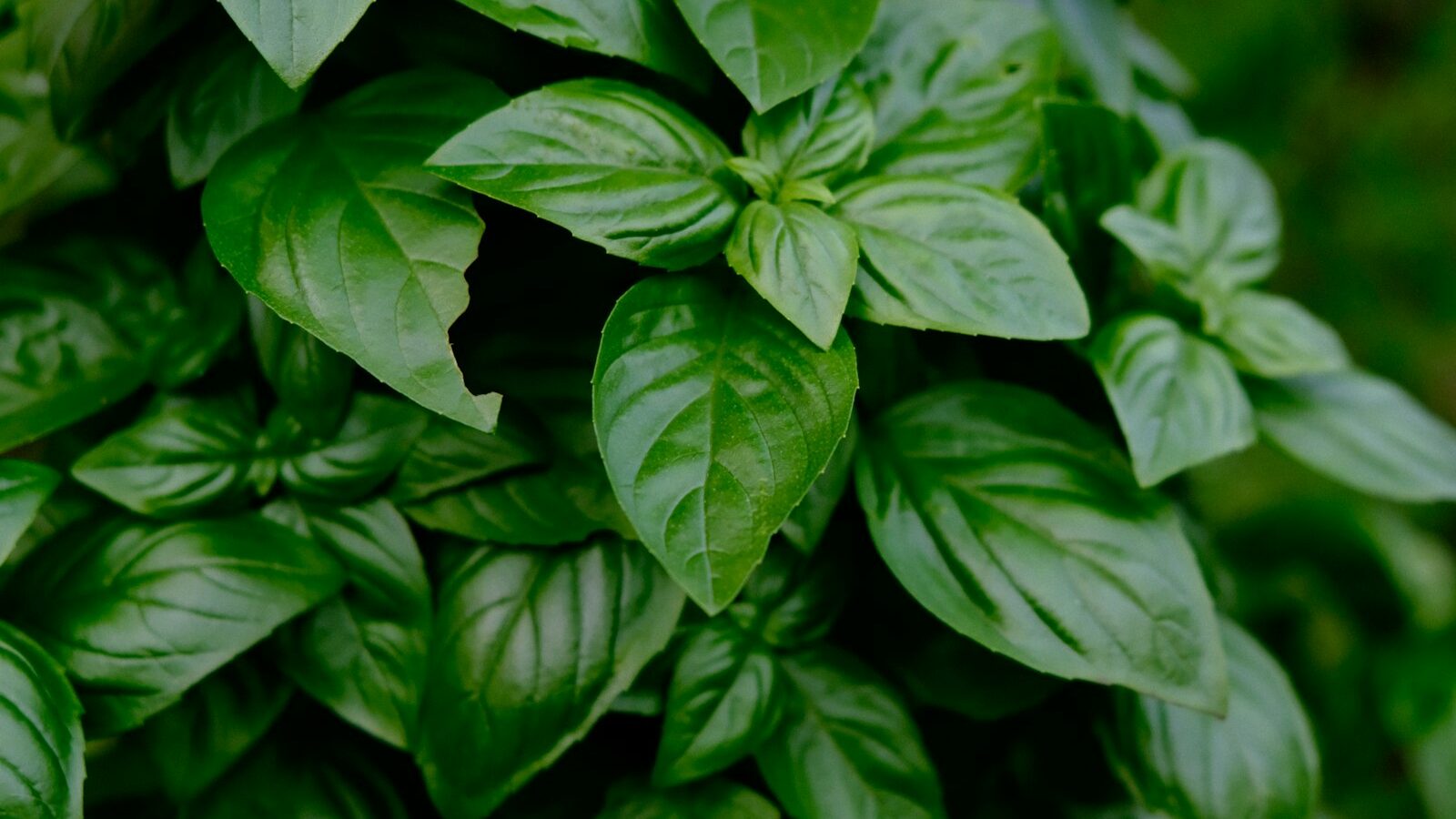
Leggy basil – tall, thin stems with wide gaps between leaves and a floppy, top-heavy habit – is almost always a light problem, but four other causes can produce the same stretched look. The fastest way to fix it is to figure out which of the five culprits you are dealing with, because the cure for a light-starved windowsill plant is completely different from the cure for a basil that is bolting in midsummer heat. In most cases you can rescue a leggy plant with a hard pinch, more light, and a few weeks of patience. Below I walk through each cause with a way to diagnose it and a concrete fix, then cover the prevention habits that keep basil bushy from seed to harvest.
Key Takeaways
- Insufficient light is the number-one cause – basil needs 6 or more hours of direct sun or a strong grow light 12 to 16 hours a day.
- Failing to pinch the growing tips lets basil shoot upward into one tall stem instead of branching into a bush.
- Bolting (flowering) in heat or with age stretches the plant and stalls leaf production; pinch flower spikes the moment you see them.
- Overcrowded seedlings stretch as they compete for light – thin to one strong plant per cell or pot.
- Too much nitrogen and high heat push fast, weak, soft growth that flops; ease off feeding and improve airflow.
Cause 1: Not Enough Light
This is the single most common reason basil goes leggy, and it is worth ruling out before anything else. Basil is a full-sun Mediterranean herb that wants at least 6 hours of direct sunlight a day, and it is genuinely happiest with 8. When it gets less than that, the plant does something called etiolation: it stretches toward whatever light it can find, producing long, pale internodes (the bare stem between pairs of leaves) and small, thin leaves. A kitchen windowsill that feels bright to you often delivers only a fraction of outdoor light intensity, especially a north- or east-facing window, and that is why so many indoor basil plants end up looking like they are reaching for the ceiling.
How to diagnose a light problem
Look at the spacing between leaf pairs and the direction of growth. If the internodes are long – two inches or more of bare stem between sets of leaves – and the whole plant leans hard toward the window, light is the prime suspect. Pale green or yellowish leaves and a plant that grows visibly taller every few days without filling out are confirming signs. Track the actual sun your spot receives: stand a phone in the location and check it hourly, or simply watch where direct sun falls across the day. Anything under 6 hours of genuine direct sun, or a grow light running fewer than 12 hours, is too little for basil to stay compact.
How to fix low light
Move the plant to your brightest window – a south-facing one in the northern hemisphere is ideal – or take it outdoors once nights stay above 50F. If natural light is the limit, add a grow light: a basic LED panel or shop light positioned 6 to 12 inches above the canopy, run 12 to 16 hours a day on a timer, transforms leggy indoor basil. Rotate the pot a quarter turn every couple of days so it grows evenly instead of leaning. The existing stretched stems will not shorten, but new growth will come in tighter and bushier, and a hard pinch (covered below) combined with better light gives you a compact plant within three to four weeks.
Cause 2: Not Pinching or Harvesting
Basil’s natural tendency, left alone, is to grow straight up as a single dominant stem until it flowers. The plant funnels its energy into that lead shoot through a process called apical dominance, so an unpinched basil quickly becomes one tall, sparse stalk with a few leaves rather than the dense, branching bush most people want. This is the cause gardeners most often overlook, because the plant looks healthy and is growing fast – it is just growing in the wrong shape. Regular pinching is not optional maintenance for basil; it is the core technique that determines whether you get a lush plant or a leggy one.
How to diagnose a pinching problem
If your basil has plenty of light but is still a tall single stem with leaves only near the top and a long bare stalk below, you are looking at a pinching problem. Check whether you have ever removed the growing tip – if the plant has one unbranched central stem topped by the smallest, newest leaves, it has never been pinched. A healthy, well-pinched basil should fork repeatedly, with two new shoots emerging at each point you cut, giving a rounded, layered shape rather than a single spike.
How to fix and pinch correctly
Start pinching when a young plant has three to four sets of true leaves and is about 6 inches tall. Using your fingertips or clean scissors, cut the main stem just above a leaf node – the point where a pair of leaves meets the stem – removing the top set of leaves. Within a week or two, two new branches will sprout from that node, and each of those can be pinched again, doubling your branch count each round. For a leggy, neglected plant, do not be timid: cut it back by a third to a half, always snipping just above a healthy leaf pair. Always harvest from the top down for the same reason, and never strip the lower leaves and leave a bare top, which only makes legginess worse.
Cause 3: Bolting and Flowering
When basil bolts, it shifts from making leaves to making flowers and seeds, and that transition stretches the plant upward dramatically. The stem elongates to push flower spikes into the air, leaf production slows or stops, and the leaves that remain often turn smaller and more bitter as the plant diverts its energy into reproduction. Bolting is triggered by summer heat, long days, age, and stress – it is the plant deciding its season is ending. A bolting basil can look leggy almost overnight, with tall flower stalks shooting up above the foliage.
How to diagnose bolting
The telltale sign is the appearance of flower buds or spikes at the stem tips – small clusters of tiny green buds that open into white or purple flowers. The central stems shoot up faster than usual, the leaf shape near the top narrows and pointed, and the overall plant gets taller while producing fewer usable leaves. If you taste a leaf and it is noticeably more bitter or sharp than before, the plant is well into bolting. Hot spells above 85F and a plant that is more than a couple of months old make bolting far more likely.
How to fix and slow bolting
Pinch off flower spikes the instant you see them, cutting back to the next healthy leaf pair below the bud. This often buys you several more weeks of leaf production by redirecting the plant’s energy back to foliage. Keep up frequent harvesting, because regular cutting delays the flowering signal. In a serious heat wave, move container basil into afternoon shade and keep it well watered to reduce stress. Once a plant has fully committed to flowering and the leaves have turned bitter, the best move is often to let one stem flower for pollinators or seed, take a cutting to root for a fresh plant, and start a new sowing – basil is short-lived enough that a succession of young plants beats fighting an old bolting one.
Cause 4: Overcrowded Seedlings
Legginess often begins at the seedling stage, before the plant is more than an inch tall. Basil seed is tiny and easy to sow too thickly, so it is common to end up with a dozen seedlings jammed into one small cell or pot. When seedlings crowd each other, they compete for light and shade one another out, and every one of them stretches upward in the race to the top. The result is a cluster of thin, weak, elongated stems that can barely hold themselves up – and that weak structure carries forward into a permanently floppy mature plant if you never thin them.
How to diagnose overcrowding
Look at how many plants are sharing the same root space. If you have multiple stems sprouting from one small spot, leaves touching and overlapping their neighbors, and seedlings that are tall and spindly rather than stocky, overcrowding is the cause. Crowded seedlings also have very thin stems relative to their height, often pale, and they flop the moment you stop supporting them. Even a mature pot with five or six plants crammed together will show this same drawn-out, struggling growth.
How to fix crowded plants
Thin seedlings ruthlessly while they are young: keep the one or two strongest in each cell and snip the rest off at soil level rather than pulling, which disturbs the survivor’s roots. For a final container, aim for one healthy basil plant per 6- to 8-inch pot, or space plants 8 to 12 inches apart in the ground or a larger trough. If you already have a crowded mature pot, gently tease the root balls apart and replant each into its own container with fresh potting mix – they will sulk for a few days, then put on stronger, bushier growth with room to spread. Good spacing also improves airflow, which reduces fungal problems on top of preventing legginess.
Cause 5: Too Much Nitrogen and Heat
Overfeeding basil with high-nitrogen fertilizer pushes a flush of fast, soft, weak growth that stretches and flops, and the problem compounds in high heat. Nitrogen drives leafy growth, but in excess it produces long, lush, water-filled stems that cannot support themselves and a plant that prioritizes rapid extension over sturdy structure. Combine that with hot weather – which speeds metabolism and elongates growth on its own – and you get tall, tender, leggy basil that is also more prone to flopping over and to pest and disease pressure. Basil is not a heavy feeder, and many people kill its compactness with kindness.
How to diagnose over-fertilizing
Suspect this if your basil has decent light and has been pinched, yet grows alarmingly fast with large, soft, dark green leaves and stems that bend or snap easily. A recent history of frequent feeding or a fertilizer high in the first number (nitrogen) on the label points here. Over-fed basil often also smells and tastes weaker, because rapid watery growth dilutes the aromatic oils. Pair this with a stretch of hot days and you have the classic recipe for soft, leggy growth.
How to fix feeding and heat issues
Cut back on fertilizer – basil in good soil often needs none, and container plants do well with a diluted balanced feed only every three to four weeks during active growth. Flush an over-fertilized pot by watering thoroughly several times to leach excess nitrogen, then hold off feeding. In high heat, provide light afternoon shade for containers, water consistently so the plant is not stressed, and ensure good airflow around the foliage. Pinch back the soft floppy growth to encourage firmer, more compact branching as conditions even out.
Prevention: Keeping Basil Bushy
Preventing leggy basil comes down to a few consistent habits. Give the plant strong light from the start – 6 or more hours of direct sun outdoors, or a grow light running 12 to 16 hours indoors – and start pinching the growing tips as soon as the plant has three or four sets of true leaves. Sow thinly and thin early so each plant has room, keep one basil per 6- to 8-inch pot, and feed sparingly with a balanced fertilizer rather than dumping on nitrogen. Harvest little and often from the top down, treating every harvest as a pinch that forces branching.
Stay ahead of bolting by removing flower spikes the moment they appear and by succession-sowing a fresh batch of seed every few weeks in summer so you always have young, vigorous plants coming on. Provide airflow and afternoon shade during heat waves to reduce stress. Do these things and the etiolation, flopping, and stretching that define leggy basil simply never get a chance to start – you end up with the dense, fragrant, productive plant the herb is capable of being.
For more on growing herbs and edibles in small spaces, browse our plants & flowers guides and our practical urban gardening tips. If your basil is also discoloring, our guide on why herb leaves turn yellow covers watering and nutrient fixes that often go hand in hand with legginess.
Frequently Asked Questions
Can I save a leggy basil plant or should I start over?
You can usually save it. Cut the plant back by a third to a half, always snipping just above a healthy leaf pair, then give it more light and rotate the pot. New growth comes in tighter and bushier within three to four weeks. Only start over if the plant has fully bolted and the leaves have turned bitter.
How much light does basil really need to stay compact?
At least 6 hours of direct sunlight a day, and ideally 8. Indoors under a grow light, run it 12 to 16 hours daily with the light 6 to 12 inches above the canopy. Most windowsills, especially north- or east-facing ones, simply do not provide enough intensity to keep basil from stretching.
When and how should I pinch basil?
Start when the plant has three to four sets of true leaves and is about 6 inches tall. Pinch or snip the main stem just above a leaf node, removing the top set of leaves. Two new branches sprout from each cut, so repeated pinching doubles your branches and creates a bush instead of a single stalk.
Why is my basil flowering, and what should I do?
Flowering, or bolting, is triggered by heat, long days, age, and stress as the plant tries to set seed. Pinch off flower spikes the moment you see them, cutting back to the next healthy leaf pair, and harvest frequently. This redirects energy to leaves and buys you several more weeks of production.
Can over-fertilizing make basil leggy?
Yes. Excess nitrogen pushes fast, soft, water-filled growth that stretches and flops, and high heat makes it worse. Basil is a light feeder, so use a diluted balanced fertilizer only every three to four weeks during active growth, and flush an over-fed pot with plain water to leach out the excess.