

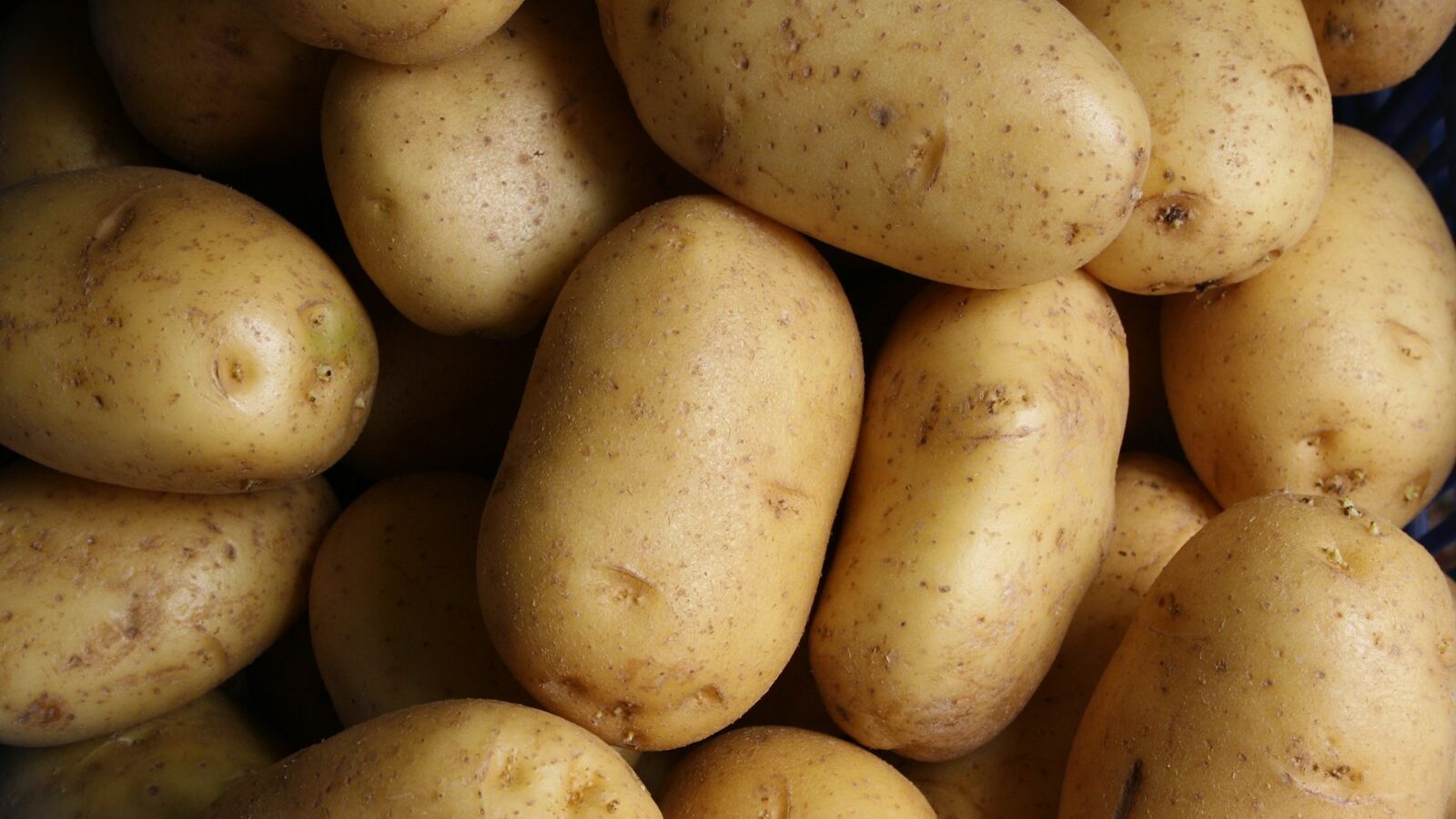
You dig your first potato hill of the season expecting a pile of fist-sized tubers, and instead you turn up a handful of marbles barely worth the effort of washing. It is one of the most deflating moments in the vegetable garden, especially because the plants above ground often looked perfectly healthy all summer. In almost every case, small potatoes come down to one of three things: not enough water — or wildly inconsistent water — during the critical bulking phase, plants crowded too tightly to size up, or soil that got too hot for the tubers to keep growing. Less often the culprit is harvesting too early before the tubers finished, or too much nitrogen that drove lush leafy tops at the expense of underground yield. The encouraging part is that every one of these causes is something you control, and once you understand which lever to pull, next year’s harvest can be dramatically better. This guide walks through each likely cause, how to spot it in your own patch, and exactly what to do about it.
Key Takeaways
- Potatoes need 1 to 2 inches of water per week, and consistency matters most during flowering and tuber bulking.
- Crowded plants compete underground; space seed potatoes about 12 inches apart in rows 30 to 36 inches apart.
- Tuber formation slows or stops once soil climbs above roughly 80 to 85F, so keep roots cool and mulched.
- Too much nitrogen grows tall green tops instead of tubers; feed with a lower-nitrogen, higher-potassium blend.
- Let plants fully mature and die back before digging, and check the days-to-maturity, usually 70 to 120 days.
Cause 1: Insufficient or Inconsistent Water During Bulking
This is the single most common reason for small potatoes. A potato plant spends its first weeks building foliage and roots, but the real action happens later: once flowering begins, the plant starts pouring energy into bulking up the tubers underground. That bulking phase is enormously thirsty work, and water is the raw material that makes a tuber expand. If the soil dries out during this window — or swings between bone dry and soaking wet — the tubers simply stop growing or grow in fits and starts. The plant prioritizes survival over size, and you end up with small, sometimes knobby or misshapen potatoes. Inconsistency is just as damaging as outright drought, because alternating dry and wet spells can also cause hollow centers and growth cracks.
How to diagnose it
Think back over the weeks after your plants flowered. Did you get a stretch of hot, dry weather where you forgot to water, or did rainfall come in heavy bursts with long dry gaps between? Dig down a few inches near a plant: if the soil is dry well below the surface, your tubers were almost certainly thirsty when it mattered. Tubers that are small but otherwise smooth and healthy, with no rot and no pest damage, point squarely at water. Growth cracks, knobby secondary growth, or a string of tiny potatoes attached to a few normal ones are classic signatures of water that came and went rather than staying steady.
How to fix it
Commit to delivering 1 to 2 inches of water per week, and treat the period from first flower through the next six to eight weeks as non-negotiable. The goal is steady, even moisture, not flooding followed by drought. A rain gauge or a simple straight-sided can left in the garden tells you how much nature is providing so you can top up the difference. Water deeply rather than lightly — you want moisture reaching the full depth of the tuber zone, six to ten inches down, not just dampening the surface. Drip irrigation or a soaker hose on a timer is the most reliable way to keep moisture even and is well worth setting up if dry spells are common where you garden. Mulching with straw or shredded leaves over the hills slows evaporation and buffers the swings between waterings. Ease off only as the plants begin to yellow and die back naturally at the end of the season, which signals bulking is finished.
Cause 2: Overcrowding and Spacing Too Tight
Potatoes are generous plants if you give them room, but they are ruthless competitors when crowded. Every plant needs a volume of loose soil to spread its tubers into, plus its fair share of water and nutrients. When seed potatoes are planted too close together, the plants fight each other underground for the same limited resources, and the result is a large number of undersized tubers rather than a smaller number of big ones. Gardeners who are eager not to waste seed often plant far too densely, or cut seed potatoes into too many tiny pieces, and then wonder why the yield is all small. Crowding above ground also reduces airflow and light to each plant, which limits the energy available to fill out the crop.
How to diagnose it
Measure the distance between your plants and the gap between rows. If your seed pieces went in closer than about 10 to 12 inches apart, or your rows were tighter than 30 inches, crowding is a strong suspect — especially if the tubers are uniformly small and the plants grew into a dense, tangled mat of foliage. Another tell is finding lots of healthy small potatoes clustered tightly in a confined space rather than spread through loose soil. If you grew in a container, ask whether the pot was really big enough; a single potato plant wants a minimum of about 2.5 to 3 gallons of soil to size up properly, and a crowded grow bag yields the same disappointing marbles as a crowded row.
How to fix it
Next season, space seed potatoes about 12 inches apart within the row, and keep rows 30 to 36 inches apart to give the tops room and leave soil for hilling. When you cut seed potatoes, make sure each piece is a decent chunk — roughly the size of a large egg with at least one or two healthy eyes — rather than slivering them down to stretch the seed further. Resist the temptation to squeeze in extra plants; fewer, well-spaced plants almost always out-yield a crowded bed in total usable potatoes. If you are short on ground space, growing in roomy containers or grow bags can actually help because you control the volume per plant exactly. For a full comparison of the trade-offs, see our guide on container versus in-ground potatoes, which covers how much soil each plant really needs.
Cause 3: Heat Stress and Warm Soil
Potatoes are a cool-season crop at heart, and soil temperature has a powerful effect on how well they form tubers. Tuber initiation and bulking happen best when soil sits in the 60 to 70F range. Once soil temperatures climb above roughly 80 to 85F, the plant essentially puts tuber formation on hold — it may keep producing leafy top growth, but underground the tubers stall. Prolonged heat can also trigger physiological problems like secondary growth, where a tuber that paused during a hot spell sends out knobs or chains of small new tubers when conditions cool again. Gardeners in hot summer climates, or those who plant too late and run their crop into the heat of midsummer, see this routinely: lush green plants above ground and a frustratingly small harvest below.
How to diagnose it
Look at the calendar and the weather your crop lived through. If your potatoes bulked during a hot stretch with daytime highs well into the 90s, or if the soil itself was warm to the touch a few inches down through midsummer, heat is likely. The signature is knobby, chained, or oddly shaped small tubers rather than clean smooth ones, combined with tops that stayed green and vigorous far longer than the underground crop justified. Unmulched, exposed soil that bakes in full afternoon sun heats up fastest, so bare hills in a hot region are a clear risk factor.
How to fix it
You cannot control the air temperature, but you have real control over soil temperature. Mulch the hills thickly — a 3 to 4 inch layer of straw or shredded leaves can keep the root zone several degrees cooler and also steadies moisture, killing two problems at once. Hilling soil up around the stems gives tubers more insulated depth to grow in and keeps them out of the hottest surface layer. The bigger lever, though, is timing: plant early enough that the bulking phase falls during the cooler part of the season rather than the peak of summer heat. In hot climates that often means planting in late winter or very early spring for a late-spring harvest, or planting a fall crop that bulks as the weather cools. Choosing earlier-maturing varieties also lets the crop finish before the worst heat arrives.
Cause 4: Harvesting Too Early or Too Much Nitrogen
Two more culprits round out the list, and both are easy to fix once you know them. The first is simple impatience. Potatoes keep sizing up right until the plants begin to yellow and die back, which is the plant’s signal that bulking is complete. If you dig while the tops are still green and growing, you are harvesting before the tubers have finished — those are perfectly good “new potatoes,” but they will never be large because you stopped the process early. Depending on the variety, potatoes need anywhere from 70 to 120 days to mature, with earlies finishing fastest and maincrop types taking the longest. Digging a maincrop variety on an early variety’s schedule guarantees small spuds.
The second is too much nitrogen. Nitrogen drives leafy top growth, so a heavy nitrogen feed — or planting in a bed freshly loaded with high-nitrogen fertilizer or fresh manure — produces a magnificent jungle of foliage while the plant neglects its tubers. All the energy goes up instead of down. You can have the healthiest-looking potato plants on the block and still dig up a disappointing crop because the plant never got the signal to invest underground.
How to diagnose it
For early harvest, the question is straightforward: were the tops still green and standing when you dug, or had they yellowed and flopped? Green tops mean you jumped the gun. For nitrogen, look at the balance between top and bottom. Tall, dark green, exceptionally lush foliage paired with few or small tubers is the textbook sign of nitrogen excess, especially if you used a lawn-type fertilizer, fresh manure, or a blend with a high first number on the label.
How to fix it
Patience fixes the harvest-timing problem entirely. Check the days-to-maturity for your variety, and wait until the plants flower, then yellow, then die back on their own before digging the main crop. If you want a few tender new potatoes earlier, gently rob a hill or two and leave the rest to finish. For nitrogen, ease off high-nitrogen feeds and switch to a fertilizer with a lower first number and a higher potassium figure, such as a 5-10-10 or a dedicated potato or tomato food — potassium in particular supports good tuber development. Work in well-rotted compost rather than fresh manure, and if your foliage is already running wild, simply stop feeding and let the plant burn through the excess; as growth slows, more energy heads to the tubers. For broader fundamentals on feeding and bed preparation, our overview of plant and flower care is a useful companion.
Prevention: Grow Big Potatoes Every Season
Most small-potato problems are preventable with a handful of good habits set in place from planting day. Space seed potatoes about 12 inches apart in rows 30 to 36 inches wide, and cut seed into generous egg-sized pieces rather than slivers. Time your planting so the bulking phase lands in cool weather, not the furnace of midsummer, and choose varieties whose days-to-maturity fit your season. Water deeply and consistently — 1 to 2 inches a week — and guard that schedule fiercely once the plants flower and bulking begins. Mulch the hills to hold moisture and keep the soil cool, and hill up soil around the stems as the plants grow to give tubers room and insulation. Feed with a lower-nitrogen, higher-potassium blend and skip the fresh manure so energy goes underground instead of into a leafy show. Finally, hold your nerve at harvest and let the tops die back fully before you dig. Get those basics right and the marbles turn into the satisfying pile of full-sized potatoes you were hoping for. If you garden in a small footprint, our notes on urban and container gardening will help you give each plant the room it needs.
Frequently Asked Questions
How much water do potatoes need to grow big?
Potatoes need 1 to 2 inches of water per week, and consistency matters most during flowering and tuber bulking. Water deeply so moisture reaches six to ten inches down, and keep the schedule steady to avoid the dry-wet swings that stunt or crack tubers.
How far apart should I plant seed potatoes?
Space seed potatoes about 12 inches apart within the row, with rows 30 to 36 inches apart. Crowded plants compete for water and nutrients underground and produce many small tubers instead of fewer large ones. Cut seed into egg-sized pieces with one or two eyes.
Does hot weather stop potatoes from growing?
Yes. Tuber formation slows or halts once soil climbs above roughly 80 to 85F. Mulch the hills, hill up soil around the stems, and time planting so bulking falls in cooler weather. Earlier-maturing varieties can finish before the worst summer heat arrives.
When should I harvest potatoes for the biggest size?
Wait until the plants flower, then yellow and die back on their own before digging the main crop. Tubers keep sizing up until the tops fade. Most varieties need 70 to 120 days to mature, so check the days-to-maturity and resist digging while tops are still green.
Can too much fertilizer cause small potatoes?
Yes. Too much nitrogen drives tall, lush foliage at the expense of tubers, so the plant grows up instead of down. Use a lower-nitrogen, higher-potassium feed such as 5-10-10, work in well-rotted compost rather than fresh manure, and stop feeding if tops run wild.