

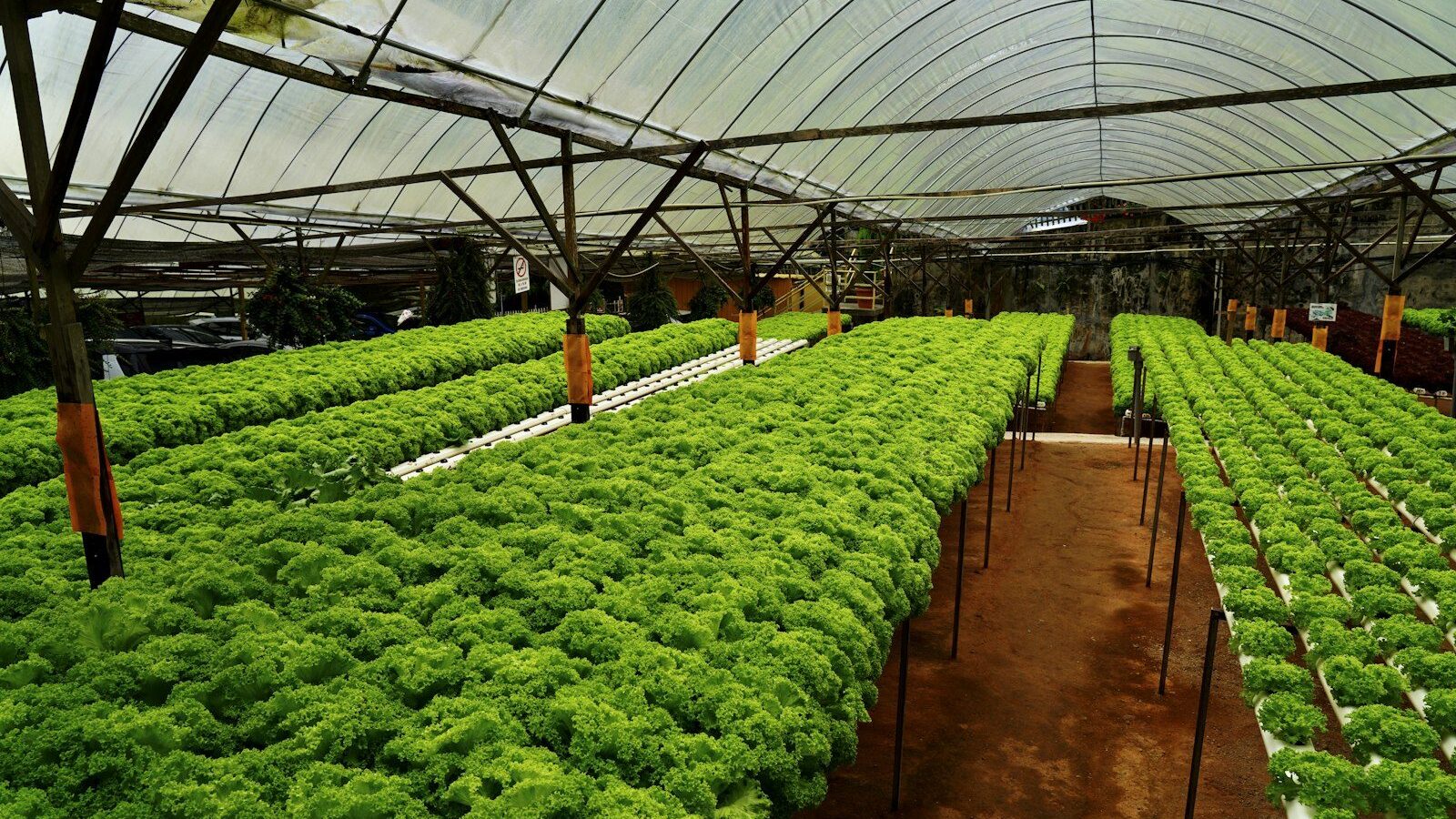
Leafy greens and soft herbs grow best hydroponically. Lettuce, basil, spinach, kale, Swiss chard, mint and bok choy root fast in water, need no flowers or pollination to give you a harvest, and are ready in four to eight weeks in almost any system, from a countertop unit to a homemade deep water culture bucket. Fruiting crops like cherry tomatoes, peppers, cucumbers and strawberries also do well, but they need more light, bigger reservoirs, support and hand pollination. Root crops, corn, vining squash and perennial fruit are the crops to skip. Below is the full ranking, the conditions each group needs, and how to match crops to the system you own.
In this guide
- Why Some Plants Thrive in Water and Others Don’t
- Tier 1: The Easiest Hydroponic Crops
- Tier 2: Fruiting Crops That Reward Extra Effort
- Tier 3: Crops to Skip (or Grow Only as Experiments)
- Quick Ranking Table
- Match the Crop to Your System
- Growing Conditions by Crop Group
- A Simple Starter Plan
- Frequently Asked Questions
Key Takeaways
- Easiest wins: loose-leaf lettuce, basil, mint, chives, spinach, kale, chard and Asian greens. Harvest starts in about 4–8 weeks.
- Fruiting crops (cherry tomatoes, peppers, cucumbers, strawberries) work but need 14–18 hours of strong light, bigger reservoirs and pollination.
- Skip carrots, potatoes, onions grown for bulbs, corn, winter squash, melons and fruit trees in typical home systems.
- Match the crop to the system: DWC and Kratky for greens, NFT for lettuce and strawberries, Dutch buckets or ebb and flow for tomatoes and peppers.
- Group plants with similar pH and nutrient strength in the same reservoir.
Why Some Plants Thrive in Water and Others Don’t
A hydroponic system replaces soil with a nutrient solution and an inert support such as rockwool, clay pebbles or coco coir. Plants that do best share a few traits: a compact or easily trained shape, a fibrous root system that tolerates constant moisture, a short time from seed to harvest, and an edible part that is the leaf or a small fruit. Every week a plant spends in the system costs electricity, nutrients and attention, so fast crops give the best return.
Plants that struggle usually have one of three problems. Their harvest grows underground (carrots, beets, potatoes), which means the edible part sits in a wet medium that invites rot and misshapes. They get huge (corn, pumpkins, indeterminate melons), which overwhelms a home system’s space and reservoir. Or they are long-lived woody plants (blueberries, citrus, dwarf apples), which take years to fruit and need a dormant period most indoor setups can’t give. If you’re new to the method, start with our hydroponics for beginners guide before you fill a reservoir.
Tier 1: The Easiest Hydroponic Crops
These are the crops to grow first. They germinate reliably, tolerate small mistakes in pH or nutrient strength, and keep producing if you harvest outer leaves instead of the whole plant.
Lettuce
Lettuce is the classic hydroponic crop for good reason. Loose-leaf types such as Black Seeded Simpson, Salad Bowl, Red Sails and Lollo Rossa are ready to pick in about 30–45 days from transplant, and butterhead types like Buttercrunch form soft heads in 45–55 days. Keep the solution on the mild side, around an EC of 0.8–1.2, with a pH of 5.5–6.5. Lettuce prefers cool conditions; once the water climbs above about 75°F it tends to bolt and turn bitter, so summer growers should keep reservoirs shaded or chilled.
Basil and Other Soft Herbs
Genovese basil is probably the single most productive herb you can grow in water. Pinch the top pair of leaves once the plant has three or four sets, and it branches into a bushy plant you can cut weekly for months. Basil likes warmth (70–80°F) and slightly stronger feed than lettuce. Mint, oregano, parsley, cilantro, chives, dill and Thai basil also do well; mint in particular will fill a net cup and spread roots aggressively, so give it its own site or its own small system. Cilantro and dill bolt quickly in heat, so sow small batches every few weeks. Our hydroponic herb garden guide covers spacing and pruning for each herb.
Spinach, Kale, Chard and Asian Greens
Spinach is a little fussier than lettuce: it germinates poorly in warm water and bolts as days lengthen, so grow it in cooler months or under a short light cycle. Kale and Swiss chard are nearly indestructible and give cut-and-come-again harvests for months. Bok choy, tatsoi, mizuna and Chinese cabbage are fast, compact and well suited to NFT channels and Kratky jars. Watercress practically wants to live in flowing water. Arugula is ready in three to four weeks but turns peppery and bolts in heat.
Microgreens
Microgreens such as radish, broccoli, pea shoots and sunflower are technically grown on hydroponic mats with plain water. They’re harvested at 7–14 days, before nutrients matter much, which makes them the lowest-risk way to try growing without soil.
Tier 2: Fruiting Crops That Reward Extra Effort
Fruiting plants give the most impressive harvests, but they need everything greens need plus more: higher light intensity, a bigger root zone, stronger nutrients with more potassium at flowering, trellising and pollination. Indoors, there are no bees, so you’ll shake, tap or brush flowers yourself.
Cherry and Dwarf Tomatoes
Cherry tomatoes and compact determinate or dwarf varieties (Tiny Tim, Red Robin, Micro Tom, Tumbling Tom) fit home systems best. Full-size indeterminate tomatoes are possible in Dutch buckets or a large DWC tote, but each plant can drink a gallon or more of solution a day in summer and needs a 6-foot trellis. Expect first ripe fruit about 60–80 days from transplant. Tap open flowers daily, or run a small fan, to move pollen. Raise feed strength as fruit sets, and watch for blossom end rot, which in hydroponics usually signals a calcium uptake problem from swings in solution strength or temperature.
Peppers
Sweet and hot peppers grow well hydroponically and are self-pollinating, though a gentle shake helps fruit set indoors. They are slower than tomatoes, often 70–90 days to first ripe fruit, and like warm roots. Compact varieties such as Lunchbox, Thai, Cayenne and Habanero suit small systems. Peppers can live for more than one season indoors, and an established plant keeps producing if you prune it back.
Cucumbers
Choose parthenocarpic varieties (they set fruit without pollination), such as many European and Persian mini cucumbers. Cucumbers grow fast, need a vertical trellis and drink heavily, so they belong in a large reservoir or a recirculating system with a top-off tank. In small countertop units they’ll outgrow the light within weeks.
Strawberries
Day-neutral strawberries such as Albion, Seascape and Tristar fruit continuously under steady light and are a commercial hydroponic staple. They fit NFT gutters and vertical towers well because the fruit hangs clean and dry. Start from healthy bare-root crowns rather than seed, keep the crown above the waterline to prevent rot, and hand-pollinate with a small brush indoors.
Bush Beans and Peas
Bush beans and snap peas work in ebb and flow or Dutch bucket setups. They’re productive but bulky for the yield, and the harvest window is short, so most home growers find them less rewarding than tomatoes or peppers.
Tier 3: Crops to Skip (or Grow Only as Experiments)
- Carrots, beets, radishes for roots, parsnips and turnips: possible in deep, loose media like coco or perlite in a wicking or drip bed, but the roots often fork or rot, and soil does it better and cheaper. Radishes are the exception that sometimes works in a perlite tray.
- Potatoes and sweet potatoes: tubers need darkness and a lot of volume; aeroponic seed-potato production exists commercially but isn’t practical at home.
- Bulbing onions and garlic: slow and low-value. Green onions, on the other hand, regrow beautifully from root ends in water.
- Corn: tall, wind-pollinated and very low yield per square foot.
- Winter squash, pumpkins and full-size melons: vines sprawl 10 feet or more and fruit is too heavy for most systems.
- Fruit trees, blueberries and asparagus: perennial, slow to bear and they need winter dormancy.
Quick Ranking Table
| Crop | Ease | Days to first harvest | Light need | Best systems |
|---|---|---|---|---|
| Loose-leaf lettuce | Very easy | 30–45 | Moderate | Kratky, DWC, NFT |
| Basil | Very easy | 25–35 | Moderate-high | DWC, NFT, countertop |
| Kale / chard | Very easy | 30–50 | Moderate | DWC, ebb and flow |
| Bok choy / Asian greens | Easy | 30–45 | Moderate | NFT, Kratky |
| Spinach | Moderate | 35–45 | Moderate | DWC, NFT (cool) |
| Strawberries | Moderate | 60–90 from crowns | High | NFT, towers |
| Cherry tomatoes | Moderate | 60–80 | High | Dutch bucket, large DWC |
| Peppers | Moderate | 70–90 | High | Dutch bucket, ebb and flow |
| Cucumbers | Moderate-hard | 50–60 | High | Dutch bucket, drip |
| Carrots / potatoes | Hard | 70+ | High | Not recommended |
Days are approximate from transplant and vary by variety, light and temperature. Seed packets list days to maturity for soil; hydroponic growth is often a little faster when light and nutrients are dialed in, but low light erases that advantage.
Match the Crop to Your System
The best crop for you depends heavily on the system you have or plan to buy. A setup that’s perfect for lettuce can starve a tomato.
- Kratky (passive, no pump): lettuce, Asian greens, herbs. The water level drops as plants drink, leaving an air gap for roots. Fruiting crops drink too much for this to work well. See DWC vs Kratky for the differences.
- Deep water culture (DWC): greens and herbs, plus a single tomato or pepper per 5-gallon bucket with an air stone running 24/7.
- NFT channels: lettuce, herbs, strawberries and other shallow-rooted crops. Large root masses can clog channels.
- Ebb and flow: very versatile; peppers, herbs, greens and bush beans all work in a flood table with clay pebbles.
- Dutch buckets and drip: tomatoes, cucumbers, peppers and other big plants that need support and lots of root room.
- Countertop smart gardens: herbs, lettuce and compact cherry tomatoes. Their built-in lights are usually too weak and too close for anything bigger.
If you’re still choosing equipment, our roundup of the best hydroponic systems compares countertop units, DWC kits and towers by capacity and light.
Growing Conditions by Crop Group
Light
Leafy greens and herbs do well with 12–16 hours of light a day from a moderate full-spectrum LED. Fruiting plants need 14–18 hours and much more intensity; a window alone rarely gives enough, even a south-facing one in summer. Leggy, pale growth is the clearest sign of too little light.
Nutrient Strength and pH
Most food crops are happy at a pH of 5.5–6.5. Greens want a lower EC (roughly 0.8–1.6), herbs slightly more, and tomatoes, peppers and cucumbers the most (often 2.0–3.5 in fruit). If you mix crops in one reservoir, compromise toward the middle, or group greens together and fruiting plants together. Change the solution every two to three weeks, topping off with plain water in between.
Water Temperature and Oxygen
Keep the solution between about 65°F and 72°F. Warmer water holds less oxygen and encourages root rot, which shows up as brown, slimy roots and wilting even though the plant sits in water. Air stones, shading the reservoir and keeping it out of direct sun prevent most problems.
A Simple Starter Plan
- Start with four to six lettuce plants and two basil plants in a Kratky or DWC setup.
- Learn to check pH and EC weekly, and keep a simple log of readings and changes.
- After one successful cycle, add a compact cherry tomato or pepper in its own 5-gallon bucket with a trellis.
- Stagger sowings of greens every two to three weeks so you always have something ready to harvest.
- Only then try strawberries or cucumbers, which reward a grower who already knows how their system behaves.
Hydroponics is just one way to grow food at home. Our vegetable gardening hub covers soil beds and containers, which are often the better fit for root crops and big vining plants you’d skip indoors.
Frequently Asked Questions
What is the easiest plant to grow hydroponically?
Loose-leaf lettuce is the easiest, followed closely by basil. Both tolerate small pH and nutrient swings, need moderate light and are ready to harvest in roughly a month.
Can you grow tomatoes hydroponically at home?
Yes. Cherry and dwarf varieties are easiest. Give each plant its own 5-gallon bucket or Dutch bucket, strong light for 14–18 hours, a trellis, and hand-pollinate flowers by tapping them daily.
Which vegetables cannot be grown hydroponically?
Almost anything can be grown in water with enough effort, but root crops like carrots and potatoes, corn, winter squash, full-size melons and fruit trees are impractical in home systems because of rot, size or low yield.
Can I grow different plants in the same reservoir?
Yes, if they need similar pH and nutrient strength. Lettuce, herbs and other greens share a reservoir well. Tomatoes and peppers prefer stronger nutrients, so give them their own system if you can.
Do hydroponic plants grow faster than soil plants?
Often a little faster, because roots get water, oxygen and nutrients directly. The advantage depends on good light and stable conditions; under weak light, hydroponic plants grow no faster than soil plants.