

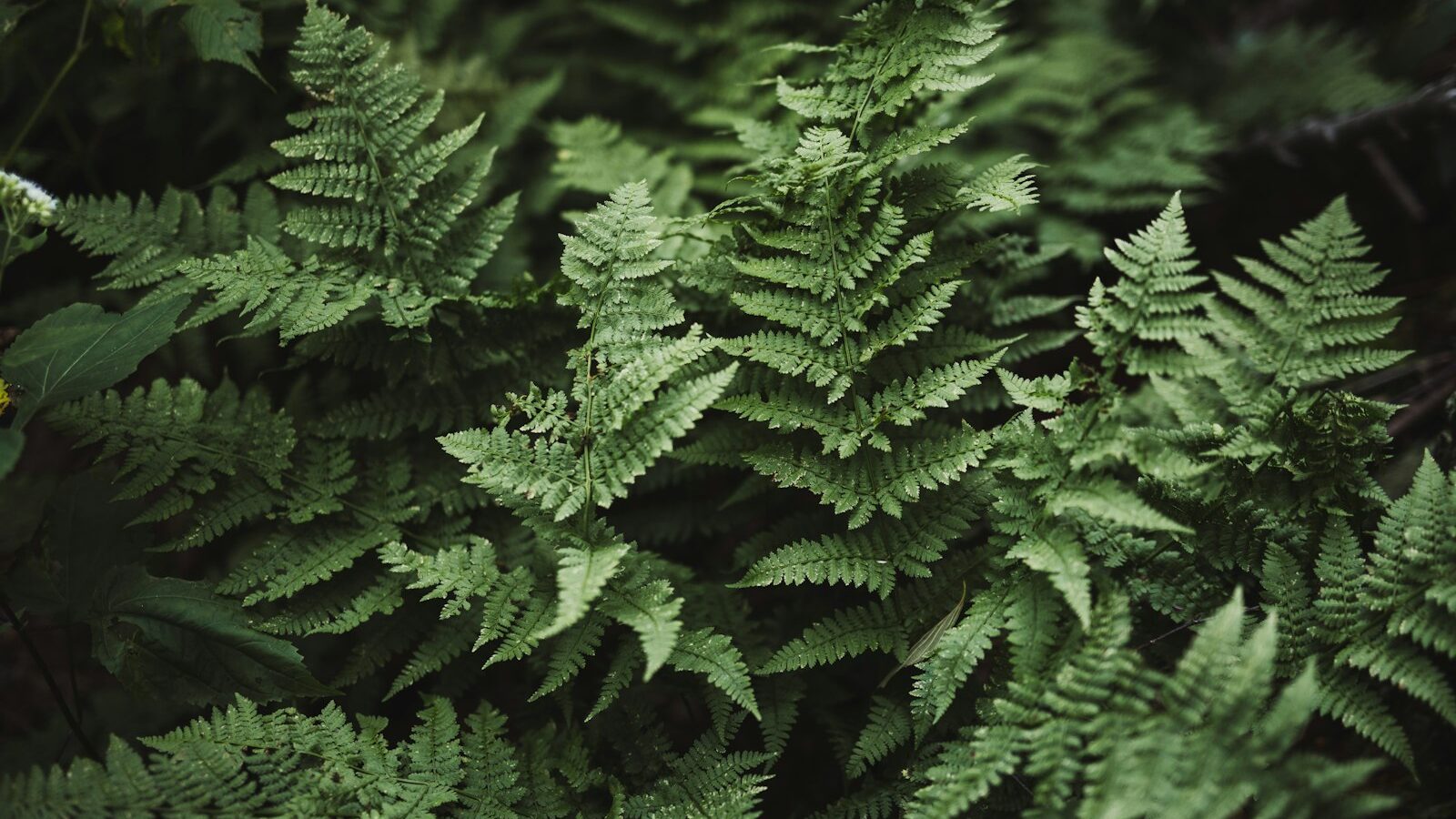
That dark corner where grass refuses to grow and the lawn turns to bare dirt isn’t a problem — it’s an opportunity. Shade gardens are some of the most serene, lush, and low-stress spaces you can create, trading thirsty sun-lovers for cool foliage, woodland texture, and plants that practically thrive on neglect. This guide walks you through reading the shade you actually have, designing with leaves instead of just blooms, and choosing plants that turn dim spots into the calmest part of your yard.
Key takeaways
- Know your shade: full, part or dappled
- Lean on foliage texture & color, not just flowers
- White/variegated plants brighten dark corners
- Hostas, ferns & heuchera are shade workhorses
- Dry shade under trees needs tough plants & mulch
First, figure out what kind of shade you have
The single biggest mistake in a shade garden is treating all shade as the same thing. A spot under a north-facing wall behaves nothing like the flickering light beneath a tall oak. Before you buy a single plant, spend a sunny day watching how light moves across the area — morning, noon, and late afternoon. Most plant tags use these categories, so learning them saves you money and dead plants.
The three types of shade
- Part shade (part sun): roughly 3–6 hours of direct sun, ideally gentle morning light with shelter from harsh afternoon rays. This is the most forgiving category and opens the door to many plants.
- Dappled shade: sunlight filtered through a high tree canopy all day, shifting and broken rather than blocked. This mimics a woodland floor and suits the widest range of classic shade perennials.
- Full shade (deep shade): less than about 3 hours of direct sun, or steady indirect light — think the north side of a house or under dense evergreens. Plants exist for this, but the palette narrows and foliage does the heavy lifting.
Also note why it’s shady. Shade cast by a building tends to be cool and often moist. Shade under trees is usually dry shade, because roots above and below are drinking up every drop of water — a tougher situation we’ll tackle later. Matching the plant to both the light and the moisture is the whole game.
Design with foliage, texture & color — not just flowers
Sun gardens lean on a parade of flowers. Shade gardens win on foliage. Blooms in shade tend to be brief and subtle, so the leaves carry the design all season — which is actually a gift, because foliage doesn’t fade after two weeks. The trick is contrast: pair big bold leaves against fine, ferny ones, and play glossy textures off matte ones.
Texture, contrast & layering
- Vary leaf size and shape: a broad hosta leaf next to a lacy fern next to a strappy sedge creates depth even in a monochrome green bed.
- Layer by height: tall shrubs at the back, mid-height perennials in the middle, and groundcovers spilling at the front mimic the natural tiers of a forest.
- Repeat a few plants: rather than one of everything, drift three or five of the same plant to give the eye a place to rest and tie the bed together.
- Use color in foliage: chartreuse, silver, burgundy, and blue-green leaves give you a full color story before a single flower opens.
Brighten dark corners with white & variegation
Pale colors are a shade gardener’s secret weapon. White flowers, silver foliage, and variegated (white- or cream-edged) leaves catch what little light there is and seem to glow, pulling a gloomy corner forward and making the space feel larger. Variegated hostas, white-flowered astilbe and hydrangea, silvery Japanese painted fern, and the speckled leaves of lungwort all read as light in the dimness. Reserve dark burgundy plants for spots that get a little sun, where they’ll actually be visible rather than disappearing into shadow.
Paths, seating & the woodland feel
Shade gardens beg to be walked through and lingered in. A simple path of mulch, stepping stones, or gravel invites you in and gives structure when flowers are scarce. Tuck a bench or a pair of chairs into a cool nook — shade is exactly where you want to sit on a hot afternoon. A small water feature, a mossy boulder, or a curved bed edge leans into that calm, woodland atmosphere. For more ways to make the whole yard livable, see our pillar guide to outdoor living and backyard landscaping.
Free, no-obligation quote · Connect with a local pro
Shade perennials: the backbone plants
Perennials come back year after year and form the permanent structure of a shade bed. These are the reliable workhorses that thrive where sun-lovers sulk — most prefer the cool, evenly moist soil of part to full shade.
The shade workhorses
- Hosta: the king of shade. Endless varieties from tiny to enormous, in blue, gold, green, and every variegation imaginable. Tough, long-lived, and the easiest place to start. (See our full hosta care guide — and watch for slugs.)
- Ferns: unbeatable for texture. Japanese painted fern adds silver and burgundy; ostrich and cinnamon ferns bring drama and height; autumn fern offers coppery new growth. Most love moisture and full shade.
- Heuchera (coral bells): grown for foliage in lime, caramel, peach, silver, and deep purple. Compact, semi-evergreen, and brilliant for adding color at the front of a bed.
- Astilbe: one of the few that gives a real flower show — feathery plumes of pink, white, or red — over fern-like foliage. Wants consistent moisture.
- Bleeding heart: arching stems of heart-shaped flowers in spring. Classic and elegant; older types go dormant in summer heat, so pair with later plants.
- Brunnera: sprays of tiny blue forget-me-not flowers above heart-shaped, often silver-frosted leaves. ‘Jack Frost’ is a standout for brightening shade.
- Lungwort (Pulmonaria): early spring blooms plus white-spotted leaves that glow in low light. Tolerates drier shade better than most.
Groundcovers to carpet the floor
Bare soil in shade invites weeds and erosion, so a living carpet of groundcover is both practical and beautiful. These low spreaders knit a bed together, suppress weeds, and soften the edges of paths. Just choose with care — a few classic groundcovers are aggressive, so favor well-behaved options unless you have a large area to fill.
- Foamflower (Tiarella): a native with frothy spring flowers and handsome lobed leaves; clumps politely.
- Wild ginger: glossy, heart-shaped leaves that form a dense, lush mat — superb under trees.
- Sweet woodruff: bright green whorls and tiny white spring flowers; spreads to brighten dappled shade.
- Ajuga (bugleweed): low rosettes in green to deep bronze with blue flower spikes; fast, so site it where it can roam.
- Creeping Jenny: chartreuse foliage that lights up dark ground; vigorous, best contained.
- Epimedium (barrenwort): the unsung hero of dry shade, with delicate flowers and tough, semi-evergreen leaves.
Shrubs for structure & height
Shrubs give a shade garden its bones — year-round structure, a backdrop for perennials, and welcome height. Many beloved flowering shrubs are happiest with shelter from blazing afternoon sun, making them naturals for part and dappled shade.
- Hydrangea: few shrubs bloom so generously in shade. Bigleaf and oakleaf types love morning sun with afternoon shade; oakleaf adds bold foliage and fall color. Their big white-flowered varieties are perfect for brightening dim beds.
- Azalea & rhododendron: spring icons that thrive in the dappled light at a woodland edge. They want acidic, well-drained soil — get the details in our azalea care guide.
- Mountain laurel: a native evergreen with intricate spring blooms; ideal for the filtered light beneath tall trees.
- Boxwood & yew: evergreen workhorses that tolerate shade and give clipped, formal structure or an evergreen backbone all winter.
- Fothergilla: bottlebrush spring flowers and knockout fall color, happy in part shade.
Shade annuals for instant color
When you want a hit of season-long color — in pots by a shady door, in window boxes, or filling gaps between perennials — annuals deliver. They won’t survive winter in most US climates, but they bloom or shine from spring until frost, no waiting required.
- Impatiens: the go-to for nonstop color in full shade, blanketing themselves in flowers all summer. (Choose disease-resistant types like New Guinea or ‘Beacon’ impatiens.)
- Begonia: wax and tuberous begonias bloom happily in shade; many have bronze or burgundy foliage that doubles the interest. Great in containers.
- Coleus: grown purely for its electric foliage — lime, rose, burgundy, and wild patterns. Shade-tolerant varieties brighten any dim corner instantly.
- Caladium: heart-shaped leaves splashed with white, pink, and red — tropical drama that lights up deep shade.
- Torenia (wishbone flower): dainty trumpet blooms that keep going through summer heat in part shade.
Free, no-obligation quote · Connect with a local pro
Gardening under trees & in dry shade
The toughest assignment in any yard is the ground beneath a mature tree: deep shade and dry, root-filled soil competing for every drop of water and nutrient. Don’t fight it — work with it. The two cardinal rules are to protect the tree and to choose plants tough enough to share its turf.
How to plant under trees the right way
- Never pile soil over the roots. Adding more than an inch or two of soil over a tree’s root zone can smother and kill it. Plant between the major roots, not on top of them.
- Dig small holes and use small plants. Start with plugs or quart-sized pots; they slip between roots with far less damage than digging for big specimens.
- Mulch generously — but keep it off the trunk. A 2–3 inch layer of bark or leaf mulch conserves moisture and feeds the soil. Leave a gap around the trunk to prevent rot.
- Water faithfully the first year. New plants can’t compete with established tree roots until they settle in, so deep weekly watering through the first season is essential.
Tough plants for dry shade
- Epimedium — arguably the best dry-shade perennial there is.
- Hellebore (Lenten rose) — evergreen, deer-resistant, and blooms in late winter.
- Wild ginger and lungwort — both tolerate root competition once established.
- Bigroot geranium — weed-smothering and remarkably drought-tough.
- Carex (sedges) — grassy texture that handles dry root zones.
If even those struggle, embrace a generous ring of mulch or a layer of shade-loving native groundcover and call it a feature. For a yard that mostly takes care of itself, our guide to low-maintenance landscaping ideas pairs perfectly with a tough, foliage-driven shade garden.
Frequently asked questions
What is the easiest shade plant for beginners?
Hostas. They’re nearly foolproof, come in hundreds of sizes and colors, return reliably every year, and ask for little beyond decent soil and protection from slugs. Ferns and heuchera are close runners-up for a beginner-friendly, foliage-first shade bed.
Can flowers grow in full shade?
Yes, though the selection is smaller. For full shade, lean on impatiens, begonias, and caladium among annuals, and astilbe, hellebore, bleeding heart, and bigleaf hydrangea among perennials and shrubs. Just remember foliage — not flowers — will carry most of a deep-shade garden’s beauty.
Why won’t grass grow under my trees?
Lawn grass needs several hours of direct sun and can’t compete with tree roots for water. Rather than fighting it, replace the struggling turf with a shade-tolerant groundcover like wild ginger or foamflower, a bed of shade perennials, or a clean ring of mulch.
How do I brighten a dark, gloomy corner?
Use pale colors that reflect light: white flowers, silver and variegated foliage, and chartreuse leaves all glow in low light and make the space feel bigger. Variegated hostas, Japanese painted fern, white astilbe, and ‘Jack Frost’ brunnera are reliable corner-brighteners.
How much should I water a shade garden?
Most shade plants like consistently moist soil, so aim for about an inch of water a week, more during hot spells or under thirsty trees. Dry shade under trees needs the closest attention — deep weekly watering plus a thick layer of mulch to lock in moisture.
Want a shade garden designed?
Compare free, no-obligation quotes from vetted local landscapers near you.