

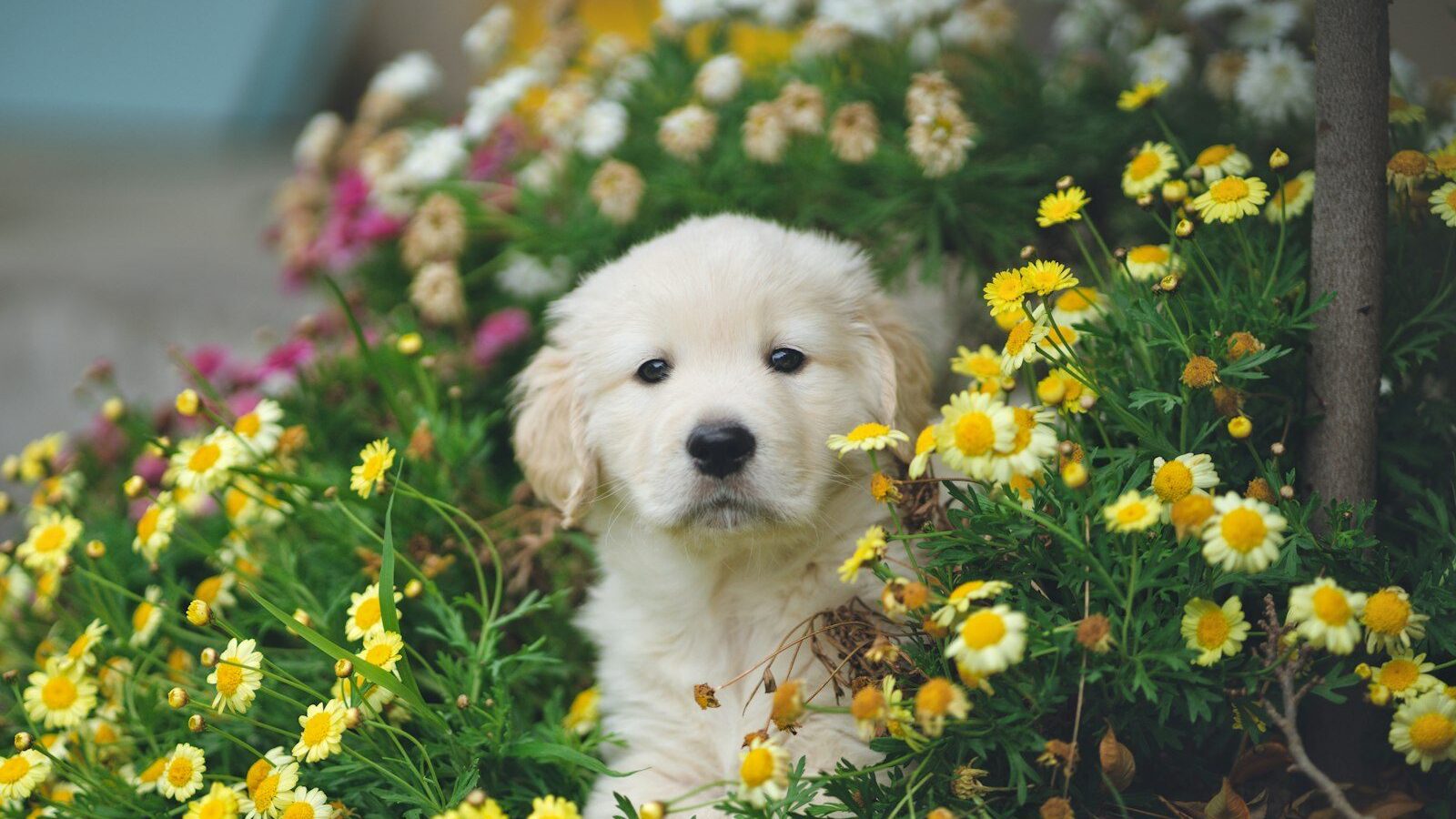
Plenty of popular flowers are non-toxic to cats and dogs: snapdragons, sunflowers, zinnias, roses, petunias, gerbera daisies, calendula, celosia, impatiens, nasturtiums and phalaenopsis orchids are all safe choices for a garden or a vase. The flowers to keep away from pets are just as specific. True lilies and daylilies can cause fatal kidney failure in cats from a nibble of leaf or a lick of pollen, and foxglove, oleander, azalea, lily of the valley and autumn crocus are dangerous to both cats and dogs. This guide gives you pet-friendly flowers sorted by use, the toxic flowers to avoid, and practical ways to plant and arrange so curious animals stay safe.
Part of our Flowers & Perennials guide →
In this guide
- What “Pet-Safe” Really Means
- Pet-Safe Flowers for Garden Beds
- Pet-Safe Flowers for Pots, Balconies and Windowsills
- Pet-Safe Flowers for Bouquets
- Common Flowers That Are Toxic to Pets
- How to Design a Pet-Friendly Flower Garden
- What to Do If Your Pet Eats a Toxic Flower
- A Simple Pet-Safe Planting Plan
- Frequently Asked Questions
Key Takeaways
- Safe staples: snapdragon, sunflower, zinnia, rose, petunia, gerbera, calendula, celosia, impatiens, nasturtium, orchid and African violet.
- Never bring true lilies (Lilium) or daylilies (Hemerocallis) into a home with cats; the pollen, leaves and even vase water are toxic.
- Foxglove, oleander, azalea, lily of the valley, autumn crocus and spring bulbs are the high-risk garden plants for dogs and cats.
- “Non-toxic” means not poisonous, not edible. Any plant eaten in quantity can cause vomiting, and thorns or treated foliage can still cause harm.
- Keep the ASPCA Animal Poison Control number, (888) 426-4435, in your phone and call immediately if you suspect exposure.
What “Pet-Safe” Really Means
The flowers below are listed as non-toxic to cats and dogs by the ASPCA’s plant database, which is the most widely used reference in the US. Non-toxic means the plant does not contain compounds known to cause poisoning. It does not mean your dog can eat a whole bed of petunias without a stomach upset. Plant material is hard for cats and dogs to digest, so a big meal of almost anything can cause mild vomiting or diarrhea.
Two other things matter as much as the plant itself. First, what was sprayed on it: nursery plants and grocery-store flowers are often treated with systemic insecticides or fungicides, so rinse foliage and let new plants settle for a few weeks before leaving pets unsupervised around them. Second, what is in the soil: cocoa bean mulch, slug bait containing metaldehyde, and some fertilizers are far more dangerous than any flower on this list. Our pet-safe lawn care guide covers products, and the best pet-safe weed killers roundup covers the weeding side.
Pet-Safe Flowers for Garden Beds
Snapdragons (Antirrhinum majus)
A cool-season annual or short-lived perennial in Zones 7 to 10. Plant in early spring or fall in full sun, 8 to 12 inches apart. Tall varieties like ‘Rocket’ reach 30 inches and make excellent cut flowers; dwarf types suit edging and pots. Deadhead to keep them blooming until summer heat.
Sunflowers (Helianthus annuus)
Direct sow after the last frost once soil reaches about 55 to 60 degrees F, 1 inch deep and 6 to 24 inches apart depending on head size. Pollenless cutting varieties are the better choice for bouquets because they will not drop pollen on tables. Dogs may chew stalks, but the plant is non-toxic.
Zinnias (Zinnia elegans)
The easiest pet-safe annual for hot summers. Sow directly once nights stay above 50 degrees F, thin to 9 to 12 inches, and cut often. ‘Benary’s Giant’ and ‘Queen Lime’ are top cutting types. Choose mildew-resistant series like ‘Zahara’ for humid regions.
Roses (Rosa)
True roses are non-toxic, though the thorns can scratch noses and paws and puncture mouths. Thornless or nearly thornless varieties such as ‘Zephirine Drouhin’ or many modern shrub roses are a good compromise near paths where dogs run. Skip systemic rose-care granules if pets dig in the bed.
Calendula (Calendula officinalis)
Also called pot marigold, calendula is a cool-season annual with orange and yellow daisy flowers from spring into fall in mild climates. Do not confuse it with French and African marigolds (Tagetes), which the ASPCA lists as mildly toxic and which can irritate the mouth and stomach.
Celosia, cornflower and asters
Celosia (plume and cockscomb types) handles heat and dries well for arrangements. Cornflower or bachelor’s button (Centaurea cyanus) is a self-seeding blue annual for spring. True asters and their relatives are non-toxic and give late-season color for pollinators. All three need full sun and average, well-drained soil.
Perennials: coral bells, bee balm, columbine and hollyhock
For permanent beds, coral bells (Heuchera) give foliage color in part shade in Zones 4 to 9. Bee balm (Monarda) and columbine (Aquilegia) are native-friendly pollinator plants listed as non-toxic. Hollyhocks (Alcea rosea) add height along fences in full sun. All return for years without replanting.
Pet-Safe Flowers for Pots, Balconies and Windowsills
Containers are where pets interact with plants most, especially cats on balconies. These are reliable choices:
- Petunias and calibrachoa: full sun, heavy bloomers, great in hanging baskets out of reach.
- Impatiens and New Guinea impatiens: shade-tolerant color for porches.
- Nasturtiums: edible for people, non-toxic for pets, trailing over pot edges.
- Fuchsia: hanging baskets in part shade; the berries are non-toxic.
- Gerbera daisies: bright pots in sun, also long-lasting cut flowers.
- Phalaenopsis orchids and African violets: the classic pet-safe indoor bloomers.
- Christmas cactus: a safe holiday alternative to poinsettia and amaryllis.
For non-flowering indoor greenery that is equally safe, see our list of pet-safe houseplants. The broader houseplants and containers hub has care guides for most of the pot plants mentioned here.
Pet-Safe Flowers for Bouquets
Cut flowers are where most cat poisonings happen, because lilies are standard filler in grocery and florist bouquets. If you have cats, build or order arrangements from this list:
- Roses (remove thorns from lower stems)
- Sunflowers, ideally pollenless types
- Gerbera daisies
- Snapdragons
- Zinnias
- Freesia
- Orchids such as phalaenopsis and dendrobium sprays
- Celosia, fresh or dried
- Boston fern fronds as green filler
If you grow your own cutting garden, these same flowers make a simple succession: snapdragons and calendula in spring, zinnias, sunflowers and celosia through summer, and asters into fall. Cut early in the morning, strip every leaf that would sit below the waterline, and change the water every two days. Clean water keeps stems lasting longer and gives a cat that drinks from the vase nothing worse than plain water. Skip floral preservative packets if your cat habitually drinks from vases; most are sugar and a mild biocide, and plain fresh water is the safer habit.
Alstroemeria, often sold as Peruvian lily, is not a true lily and is not linked to the kidney failure that Lilium causes, though it can cause mild stomach upset. When you order flowers, tell the florist the recipient has cats and ask for “no lilies, no daylilies.” Read the card if a bouquet arrives as a gift and pull out any lilies before bringing it inside. Throw away the vase water too, since lily toxins dissolve into it.
Common Flowers That Are Toxic to Pets
| Flower | Risk | Main concern |
|---|---|---|
| True lilies (Easter, tiger, Asiatic, Oriental, stargazer) | Severe for cats | Acute kidney failure; all parts, pollen and vase water |
| Daylilies (Hemerocallis) | Severe for cats | Kidney failure, same as true lilies |
| Foxglove (Digitalis) | Severe, cats and dogs | Cardiac glycosides affect heart rhythm |
| Oleander | Severe, cats and dogs | Cardiac glycosides; even small amounts |
| Lily of the valley | Severe, cats and dogs | Cardiac glycosides |
| Azalea and rhododendron | Moderate to severe | Grayanotoxins: vomiting, weakness, heart effects |
| Autumn crocus (Colchicum) | Severe | Colchicine; organ damage |
| Tulip, daffodil, hyacinth | Moderate, worst in bulbs | Vomiting, drooling; dogs dig up bulbs |
| Larkspur and delphinium | Moderate to severe | Neuromuscular effects |
| Sago palm (often near flower beds) | Severe for dogs | Liver failure; seeds most toxic |
| Chrysanthemum, carnation, baby’s breath, peony, hydrangea, geranium, lavender | Mild | Stomach upset, drooling, skin irritation |
The mild group is worth knowing because those flowers are common in both gardens and bouquets. One or two nibbles usually means short-lived vomiting, but if your pet is a habitual chewer, leave them out of reach or out of the yard entirely.
How to Design a Pet-Friendly Flower Garden
- Audit what you already have. Walk the yard with a plant ID app and the ASPCA database. Prioritize removing lilies, daylilies, foxglove, oleander and sago palm.
- Leave a dog path. Dogs patrol fence lines. Keep a 2 to 3 foot mulched or gravel strip along the fence and plant inside it so they are not trampling and chewing as they run.
- Raise or hang tempting plants. Hanging baskets, wall planters and raised beds 18 inches or taller keep young dogs and diggers away.
- Use safe mulch. Shredded hardwood, pine straw or pine bark are fine. Avoid cocoa hull mulch, which contains theobromine.
- Plant bulbs where dogs cannot dig, or skip tulips and daffodils if you have a digger.
- Offer something to chew. A pot of cat grass (oat or wheat grass) gives cats a safe target and often spares your other plants.
What to Do If Your Pet Eats a Toxic Flower
Do not wait for symptoms. With lilies in particular, early treatment, usually within hours, makes the difference. Take a photo of the plant or bring a piece of it, note roughly how much was eaten and when, and call your veterinarian or the ASPCA Animal Poison Control Center at (888) 426-4435. Do not induce vomiting unless a vet tells you to. Watch for drooling, vomiting, lethargy, loss of appetite, increased thirst or urination, wobbling or an irregular heartbeat, and get to an emergency clinic if any appear.
A Simple Pet-Safe Planting Plan
For a sunny 4 by 8 foot bed in Zones 5 to 8: plant a back row of three hollyhocks or a row of sunflowers, a middle row of zinnias and snapdragons at 10 inches apart, and an edge of calendula and nasturtium. Add bee balm at one end for pollinators. You get color from late spring to frost, a steady supply of cut stems for the house, and nothing in the bed that will send a cat to the emergency room.
Frequently Asked Questions
Are roses safe for cats and dogs?
Yes. Roses are listed as non-toxic. The real hazard is thorns, which can scratch mouths and paws, and any systemic insecticide applied to the plant. Choose thornless varieties near pet paths and avoid systemic rose granules.
Which lilies are dangerous to cats?
True lilies in the genus Lilium (Easter, tiger, Asiatic, Oriental, stargazer) and daylilies (Hemerocallis) can cause kidney failure in cats. Peace lily and calla lily are not true lilies; they cause mouth irritation but not kidney failure. Alstroemeria may cause mild stomach upset.
Are marigolds pet-safe?
Calendula (pot marigold) is listed as non-toxic. French and African marigolds (Tagetes) are listed as mildly toxic and can cause mild mouth and stomach irritation. If you want the look without the risk, plant calendula.
Are sunflowers safe for dogs?
Yes. Sunflower plants and plain seeds are non-toxic to dogs and cats. Salted or shelled snack seeds are a separate issue, and large amounts of shells can upset the stomach.
Is lavender toxic to pets?
The ASPCA lists lavender as toxic to cats and dogs because of linalool and linalyl acetate. Reactions to the plant are usually mild, such as nausea or vomiting, but concentrated lavender oil is more concerning, especially for cats.