

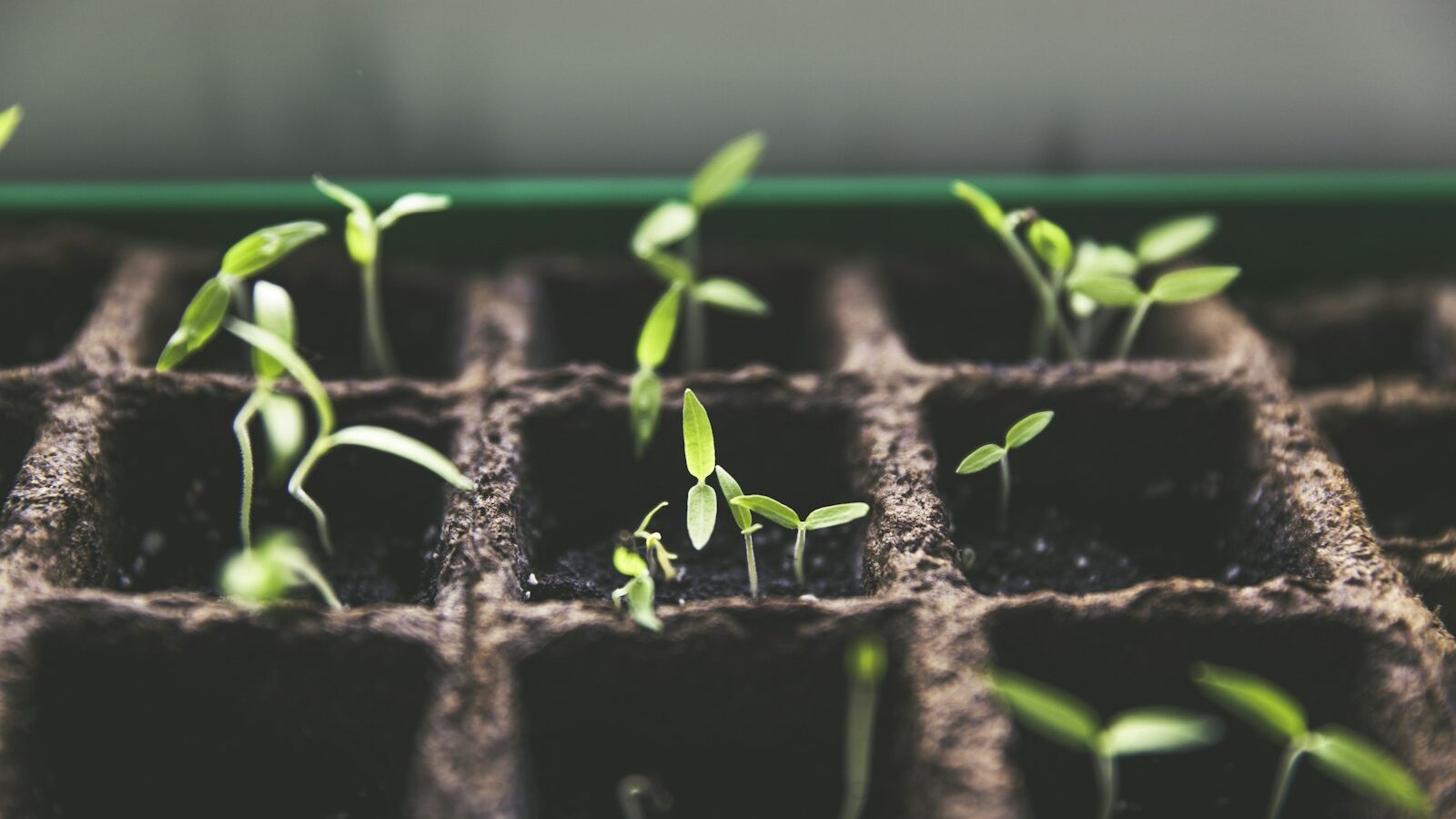
Seeds are alive but dormant, and how long they stay viable comes down to three enemies: heat, moisture, and light. Store them cool, dry, and dark in an airtight container with a desiccant, and most vegetable and flower seeds stay viable for years — some for a decade or more. Leave them in a paper packet on a sunny windowsill or a humid garage shelf and they can be dead within a single season. The old gardener’s rule of thumb is that for every drop of about 10°F in storage temperature and every 1% drop in seed moisture, you roughly double a seed’s storage life. That is why a jar in the back of the refrigerator or freezer dramatically outlasts a packet in the potting shed.
In this guide
Good seed storage saves money, preserves rare and heirloom varieties, and means you are never at the mercy of a sold-out seed catalog in February. It also lets you buy in bulk, save your own seed from the garden, and stretch a single packet across several seasons. This guide covers the ideal conditions, the best containers and desiccants, when to use the fridge versus the freezer, how many years different seed types stay viable, and a simple germination test so you never waste a whole bed on dead seed. Get the basics right and your seed collection becomes a reliable, long-lived resource rather than an annual gamble.
Key Takeaways
- Cool, dry, and dark are the three rules — heat, moisture, and light are what kill stored seed.
- Use airtight containers like glass jars or sealed bags, with a silica gel or dry rice desiccant to pull out residual moisture.
- The fridge (35–40°F) suits short to medium storage; the freezer (0°F) is best for long-term and bulk storage of fully dried seed.
- Viability varies by type — onions and parsnips last 1 year, while tomatoes, brassicas, and many flowers last 4 to 6+ years.
- Run a paper-towel germination test before each season so you know whether to sow thicker or replace a fading packet.
The Three Rules: Cool, Dry, and Dark
Every good seed-storage practice flows from three conditions. Cool slows the seed’s metabolism — seeds are still respiring, however faintly, and warmth speeds that respiration, burning through their stored energy and shortening their life. A consistent temperature matters as much as a low one; a cool spot that stays cool beats a cold spot that swings up and down. Dry is the most important factor of all: moisture is what triggers seeds to either rot or prematurely break dormancy, and even modest humidity in the air slowly ruins them. The combined heat-plus-humidity total is the real killer, which is why a hot, damp garage is the worst place imaginable. Dark matters because light, especially sunlight, both warms seeds and can trigger or degrade some types.
Before any storage, seeds must be fully dry. Seed you save yourself should be dried until a bean or pea snaps rather than bends, and even purchased seed benefits from a few days in a dry, airy spot before sealing it up, since paper packets absorb ambient humidity. The target seed moisture for long storage is roughly 8% or lower; sealing damp seed in an airtight jar is a recipe for mold. This same cool-dry-dark logic governs storing the harvest itself — our broader guides on keeping crops through winter, like how to store potatoes so they last, rely on exactly these principles applied to tubers instead of seed.
Containers and Desiccants
An airtight container is what separates serious seed storage from a drawer full of decaying packets. Glass jars with rubber-gasket lids (Mason jars, canning jars, or clip-top jars) are ideal — they seal completely and let you see the contents. Sealed plastic containers, vacuum-sealed bags, or even repurposed pill bottles work too. Keep the original seed packets inside the jar so you retain the variety name, source, and date; just tuck the folded packets into the airtight outer container. Always label with the variety and the year harvested or purchased, because you will not remember, and viability depends on age.
Inside the container, add a desiccant to absorb any residual moisture. The classic choice is a silica gel packet — save the ones that come in shoes, supplements, and electronics, or buy reusable color-indicating silica that you can dry out in a low oven and use again. A cheap, effective alternative is powdered milk or dry rice: wrap a couple of tablespoons in a twist of tissue or cheesecloth and tuck it in the jar; both pull moisture from the air and are easy to replace every six months or so. The desiccant is what makes the difference between seeds that merely survive and seeds that stay vigorous for years.
Fridge or Freezer?
For most home gardeners, a cool closet or basement at a steady 50°F is perfectly fine for storing seed you will use within a year or two. To extend viability further, the refrigerator and freezer are your best tools — but only if the seed is truly dry and sealed airtight, because the cold itself is harmless while moisture and ice are not.
The refrigerator (about 35 to 40°F) is excellent for short- to medium-term storage and for seed you dip into seasonally. The freezer (around 0°F) is the gold standard for long-term and bulk storage — seed banks freeze their collections — and can push viability well beyond the normal lifespan, provided the seed is dried to a low moisture content first. The critical rule with both: keep the container completely airtight, and when you take a jar out, let it warm to room temperature before opening it. If you open a cold jar in a warm kitchen, condensation forms on the cold seed, reintroducing the very moisture you worked to remove. Let the sealed jar sit on the counter for several hours, then open, take what you need, reseal with fresh desiccant, and return it to the cold.
How Long Seeds Stay Viable
Storage life varies enormously by species, even under ideal conditions. Onions, parsnips, leeks, and many alliums are notoriously short-lived and are best replaced yearly. At the other end, tomatoes, cucumbers, brassicas, and many flowers stay good for half a decade or more. The figures below assume cool, dry, dark, airtight storage; warm or humid conditions cut every number sharply.
| Seed type | Typical viability (ideal storage) |
|---|---|
| Onion, leek, parsnip | 1 year |
| Sweet corn, parsley, spinach | 1–2 years |
| Carrot, pepper, okra, beans, peas | 2–3 years |
| Beet, chard, pumpkin, squash, watermelon | 3–4 years |
| Broccoli, cabbage, kale, radish, turnip | 4–5 years |
| Tomato, eggplant, cucumber, melon | 4–6 years |
| Lettuce, endive | 5–6 years |
| Many annual flowers (marigold, zinnia, cosmos) | 2–5 years |
Treat these as guidelines, not expiration dates. Seed stored in a freezer often beats these ranges, while seed kept warm and damp may fail well short of them. Older seed does not suddenly die — instead its germination rate gradually drops and its seedlings grow slower and weaker. That is why a test, not a calendar, is the real way to decide whether a packet is still worth sowing. Small-space and container gardeners especially benefit from a tidy seed library; for more on making the most of limited room, browse our urban gardening guides.
The Germination Test
Before you commit a whole bed to questionable seed, run a quick paper-towel test. Count out 10 seeds (or 20 for a more reliable percentage), space them on a damp paper towel, fold it over, and slip it into a labeled zip-top bag. Keep the bag somewhere warm — around 70°F, like the top of the refrigerator — and check it every couple of days, re-dampening the towel if it dries. After the number of days that seed type normally takes to sprout (often 5 to 14), count how many have germinated.
The math is simple: if 8 of 10 seeds sprout, that is 80% germination, which is excellent — sow as normal. At 50%, the seed is still usable but you should sow about twice as thickly to compensate. Below roughly 30 to 40%, it is usually time to replace the packet rather than waste space and a growing season on weak stands. Sprouted test seeds are not wasted, either — you can carefully plant the germinated ones, since they have already done the hard part. Running this five-minute test each late winter tells you exactly which packets to trust, which to over-sow, and which to toss.
The Bottom Line
Long-term seed storage is mostly about keeping three enemies at bay. Dry your seed thoroughly, seal it in airtight glass jars with a silica or rice desiccant, label it with the variety and year, and stash it somewhere cool, dark, and stable — a closet for the near term, the fridge or freezer for the long haul, always letting cold jars warm before you open them. Match your expectations to each species’ natural lifespan, replace short-lived seed like onions yearly, and run a quick germination test before each season so you never gamble a bed on dead seed. Do this and a single packet can serve you for years, and a well-kept seed collection becomes one of the most quietly valuable things in the garden. For more storage and small-space strategies, explore our full library of urban gardening guides.
Frequently Asked Questions
Can I store seeds in the freezer?
Yes, and it gives the longest storage life — seed banks freeze their collections. The catch is the seed must be fully dried to a low moisture content first and sealed in an airtight container, because freezing damp seed lets ice damage it. Always let a frozen jar warm to room temperature before opening it, so condensation does not form on the cold seed.
What can I use as a desiccant for seeds?
Silica gel packets are ideal — save them from packaging or buy reusable color-indicating silica. Cheap alternatives include a tablespoon or two of powdered milk or dry rice wrapped in tissue or cheesecloth. Any of these absorbs residual moisture inside the jar. Replace or recharge the desiccant every six months or so.
How long do vegetable seeds last?
It depends heavily on the species. Onions, leeks, and parsnips last about a year, beans and peppers 2 to 3 years, while tomatoes, cucumbers, brassicas, and lettuce can stay viable 4 to 6 years or more in cool, dry, airtight storage. Warm or humid conditions shorten all of these dramatically.
How do I test if old seeds will still grow?
Run a paper-towel germination test. Place 10 seeds on a damp paper towel, fold it into a zip-top bag, keep it warm around 70°F, and count sprouts after the normal germination period. If 8 of 10 sprout that is 80% — sow as usual. Around 50%, sow twice as thick. Below 30 to 40%, replace the packet.
Should seeds be stored in the fridge or a cupboard?
A cool, dry, dark cupboard or closet at a steady temperature is fine for seed you will use within a year or two. For longer storage, the refrigerator (35–40°F) or freezer (0°F) extends viability considerably — but only if the seed is fully dry and sealed airtight, and you let the container warm up before opening to avoid condensation.