

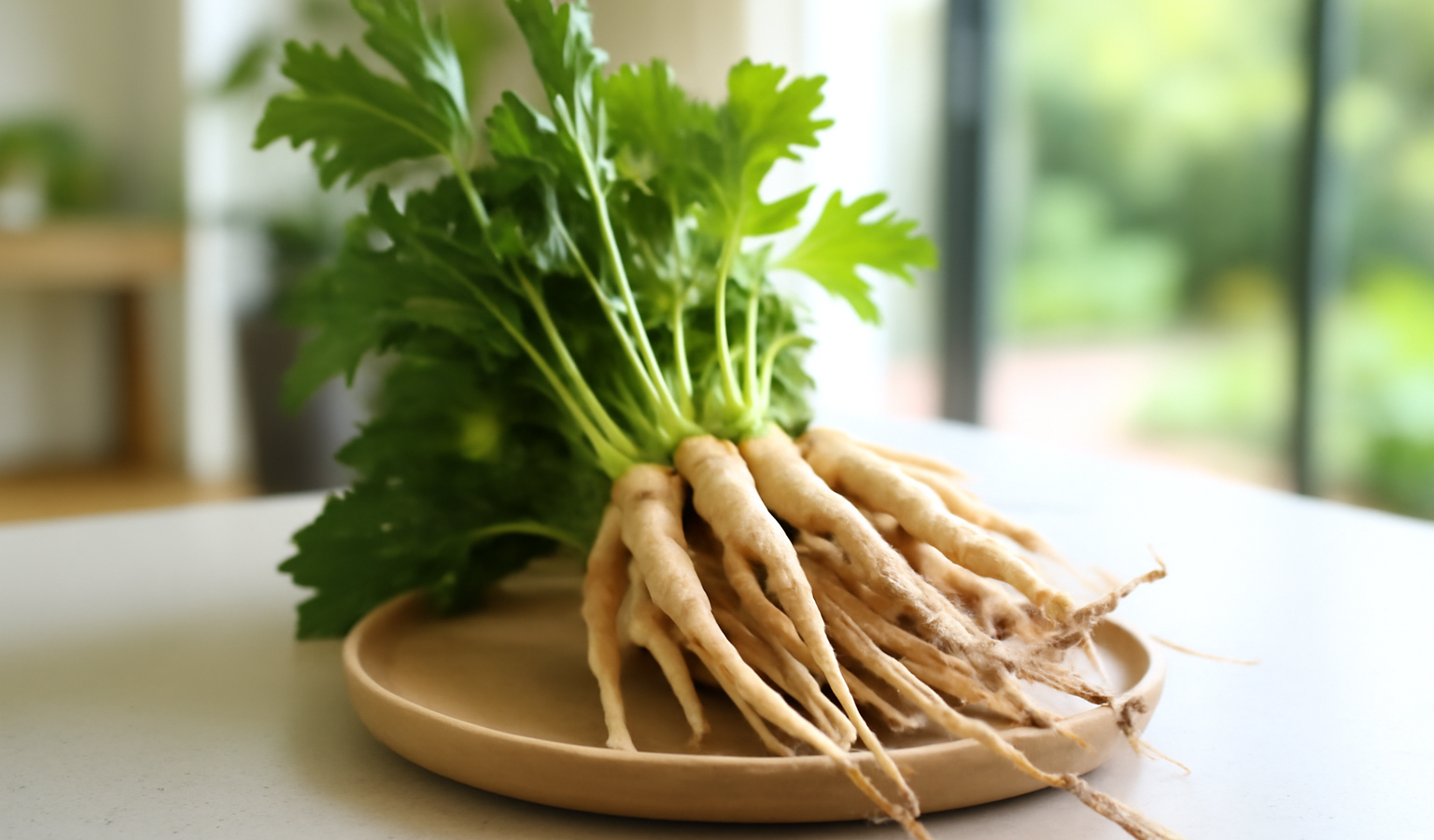
Skirret (Sium sisarum) is one of those forgotten heirloom vegetables that deserves a comeback, and once you taste the sweet, nutty roots you will understand why it was a staple on European tables for centuries before the potato pushed it aside. It is a hardy perennial in the carrot family, grown for its clusters of slender, finger-thick white roots that have a flavor somewhere between a parsnip and a sweet carrot, with a hint of celery from its leaf stalks. Hardy in USDA zones 4 through 8, skirret forms a clump 3 to 4 feet tall topped with white umbel flowers like its cousin Queen Anne’s lace, and below ground it sends out a crown of roots that you harvest in late fall and winter. The single quirk you need to know is that skirret loves moisture and rich soil, and the roots are best after a few frosts have sweetened them. Plant it once and, with a little division, it will feed you for years.
Key Takeaways
- Hardy perennial root vegetable in USDA zones 4-8; grows 3-4 ft tall in full sun to part shade.
- Demands deep, rich, consistently moist soil; the sweet roots form best where water never runs short.
- Grow from seed sown in early spring (slow, fiddly) or far more easily from crown divisions or offsets in spring or fall.
- Harvest the clustered roots from late fall through winter, after frost has converted starch to sugar.
- Replant a few crown sections each year and skirret becomes a self-renewing perennial harvest with almost no pests.
What Skirret Is and Why Grow It
Skirret is a clump-forming perennial in the Apiaceae, the same family as carrots, parsnips, celery, and parsley, and you can see all of those relatives in its growth. Above ground it makes a leafy clump of pinnate, divided foliage on hollow stems that reach 3 to 4 feet in their second year, crowned in summer by flat white umbels of tiny flowers that pollinators adore. The action, though, is underground. From a central crown the plant produces a tight cluster of pencil-thick to finger-thick roots, pale and slightly translucent when cooked, radiating out like the spokes of a wheel. A well-grown second-year crown can yield a dozen or more usable roots.
You grow skirret for that flavor and for its sheer dependability as a perennial. The roots are genuinely sweet, with sugars that build after cold weather, and they cook up tender with a nutty, parsnip-like taste that is excellent roasted, mashed, fried into crisps, or simmered in stews. Historically skirret was prized enough that the Roman emperor Tiberius is said to have demanded it as tribute, and it remained a common winter root across Europe until the eighteenth century. For the modern grower its appeal is that it asks little: plant it once, keep it watered, and it returns every year, giving you a low-effort harvest of an unusual vegetable you simply cannot buy in any shop. If you enjoy growing other unusual perennial edibles, it pairs well with a patch of perennial greens and herbs.
Where and When to Plant
Hardiness and light
Skirret is reliably hardy in USDA zones 4 through 8, and the crowns shrug off hard winters underground, which is exactly why the roots are best dug after frost. Give it full sun for the heaviest root production, though in hot southern gardens (zones 7 and 8) a spot with afternoon shade keeps the soil cooler and the plant happier through summer. In the cooler north, full sun all day is ideal. It is not fussy about heat so long as its roots stay cool and moist, but in dry, baking sun the roots turn woody and the clump stalls.
Soil and moisture
This is where skirret earns or loses its sweetness. The roots grow long and tender only in deep, rich, loose soil that stays consistently moist, mirroring the damp meadow and streamside habitats where the wild plant grows. Dig the bed at least a foot deep and work in a generous quantity of compost or well-rotted manure to feed the heavy demand of root production and to improve water retention. Heavy clay that stays damp is acceptable if you lighten it with organic matter; what skirret will not tolerate is thin, dry, stony ground, which produces forked, fibrous, woody roots not worth digging. Aim for a near-neutral pH between 6.0 and 7.0. If your soil dries out in summer, commit to irrigation or grow skirret in a low, moisture-retentive spot, perhaps near where you would site moisture lovers in a rain garden or pond margin.
When to plant
Sow seed indoors in late winter or direct-sow in early spring as soon as the soil can be worked, because skirret seed is slow and benefits from the full season. Crown divisions and offsets go in during spring as growth begins, or in early fall in milder zones so they settle before winter. The plant takes its first season to establish a leafy clump and bulks up its harvestable roots through the second year, so patience in year one pays off in year two and beyond.
Planting From Seed and Divisions
Growing from seed
Skirret seed is small, short-lived, and can be erratic to germinate, so use fresh seed and be patient. Sow it shallowly, barely covered, in trays of moist seed compost in late winter, and keep it at around 60 to 68 F. Germination is slow and uneven, often taking two to four weeks, and a cold-moist stratification period of a few weeks in the refrigerator beforehand improves the strike rate noticeably. Prick out the seedlings once they are large enough to handle and grow them on until the danger of frost has passed, then harden off and transplant 12 inches apart. Direct sowing works too in mild areas but expect spottier germination. Because seed-raising is the fiddly route, many growers buy a few plants or beg a division to get started, then propagate by division forever after.
Growing from crowns and offsets
Division is by far the easiest and most reliable way to grow skirret, and it is how you will keep your patch going. When you lift a mature crown in winter, you will find the central root cluster surrounded by smaller offsets and side shoots. Snap or cut off these offsets, each with a bit of root and a growing point attached, and replant them right away at the same depth they were growing, spacing them 12 inches apart in the enriched bed. Keep the soil at the depth where the crown sits just at the surface. Water them in well. These divisions establish far faster than seedlings and will give you a usable harvest the following winter. Set aside the slimmer, woodier central roots and a few good offsets for replanting each year and you have a self-perpetuating crop.
Spacing and bed layout
Space plants 12 inches apart in rows about 18 inches apart, which gives each clump room to build a full root cluster without crowding. Because skirret is perennial, dedicate a permanent bed or a corner of the vegetable garden to it rather than slotting it into a rotation. Mulch the bed with 2 to 3 inches of compost or straw after planting to lock in moisture and suppress weeds, keeping the mulch clear of the emerging crowns.
Caring for Skirret Through the Season
Watering
Consistent moisture is the key to tender, full-sized roots. Water deeply and regularly throughout the growing season, never letting the bed dry out, especially during the summer root-swelling period and in any dry spell. A skirret patch that goes thirsty produces thin, tough, stringy roots, the single most common disappointment new growers report. A soaker hose or drip line on a timer keeps the soil evenly damp without fuss. Once cool, wet autumn weather arrives, natural rainfall usually takes over and you can ease off.
Feeding and mulch
Skirret is a hungry plant building a mass of roots, so feed it well. Top-dress with compost or well-rotted manure each spring, and a midseason boost of a balanced organic fertilizer helps drive root growth. Maintain that 2 to 3 inch organic mulch year-round to conserve moisture, suppress weeds, and slowly feed the soil. Avoid heavy doses of fresh high-nitrogen feed, which pushes lush top growth at the expense of the roots and can encourage forking.
Flowering and ongoing maintenance
In its second year and beyond, skirret throws up tall flowering stems with white umbels in summer. The flowers are pretty and good for pollinators, and you can leave them to set seed if you want to collect your own, but some growers cut the flower stalks off to push the plant’s energy back into the roots. The choice is yours; flowering does not ruin the harvest, but root production is a touch heavier if you remove the stems. Keep the bed weeded by hand, since competing weeds rob the moisture and nutrients skirret needs. The clump dies back to the ground in winter and re-sprouts from the crown each spring.
Harvesting and Using the Roots
The reward comes in late fall and through winter. Wait until the top growth has died back and, ideally, until the plant has taken a few good frosts, because cold converts the roots’ starch into sugar and dramatically improves the flavor, exactly as it does with parsnips. Loosen the soil around a clump with a fork and lift the whole crown, then twist or cut away the cluster of plump white roots for the kitchen. In zones 5 and colder, mulch the bed heavily so you can keep digging crowns through winter, or lift and store roots in damp sand in a cool shed. As you harvest, save the smaller offsets and a few crowns to replant immediately for next year’s crop.
In the kitchen, scrub the roots well; older roots sometimes have a slightly woody core you can slice out, but young roots are tender throughout. Skirret is delicious roasted with oil until caramelized, boiled and mashed, fried into chips, or added to soups and stews where its sweet, nutty parsnip-meets-carrot flavor shines. The young leaf stalks can be used like a mild celery. Because the roots store moisture and sugar, they are best eaten within a week or two of digging, or stored cool and damp. For more perennial and unusual edibles to grow alongside it, browse the Plants & Flowers hub.
Pests, Problems, and Troubleshooting
Skirret is gratifyingly trouble-free, one of the easiest perennial vegetables to keep healthy. As a member of the carrot family it can occasionally attract carrot fly, whose larvae tunnel into roots, but skirret is far less prone to it than carrots themselves; a fine insect-mesh cover or a barrier rotation away from carrots handles any pressure. Slugs may nibble seedlings and tender spring growth in the damp conditions skirret enjoys, so patrol at dusk and use iron-phosphate bait if they become a problem. The most common disappointments are not pests at all but cultural: thin, woody, or forked roots, which trace back to dry soil, thin or stony ground, or a shortage of nutrients. Fix those with deep, rich, well-watered soil and the roots come good. Crowns can rot in waterlogged, stagnant ground, so aim for moist but not permanently flooded soil. Get the soil deep, rich, and reliably moist, harvest after frost, and replant a few crowns each year, and skirret will quietly reward you with an unusual sweet harvest season after season.
Frequently Asked Questions
What does skirret taste like?
Skirret roots are sweet and nutty, sitting somewhere between a parsnip and a sweet carrot, with the sugar deepening after frost. The young leaf stalks taste like a mild celery. The roots are excellent roasted, mashed, or fried.
Why are my skirret roots thin and woody?
Thin, tough, woody roots nearly always mean the soil was too dry, too poor, or too shallow and stony. Skirret needs deep, rich, consistently moist soil to form tender, full-sized roots, so improve the bed and water more.
Is skirret a perennial?
Yes. Skirret is a hardy perennial in USDA zones 4-8. The crown dies back in winter and re-sprouts each spring. If you replant a few crown offsets at each harvest, the patch renews itself and crops for years.
When should I harvest skirret?
Harvest from late fall through winter, after the top growth dies back and the plant has had a few frosts. Cold converts the roots’ starch to sugar, just as with parsnips, so frost-touched roots taste noticeably sweeter and better.
Should I grow skirret from seed or division?
Division is far easier and more reliable. Seed is slow, short-lived, and erratic, often needing cold stratification. Get started with a few plants or divisions, then propagate by splitting off the crown offsets at every winter harvest.