

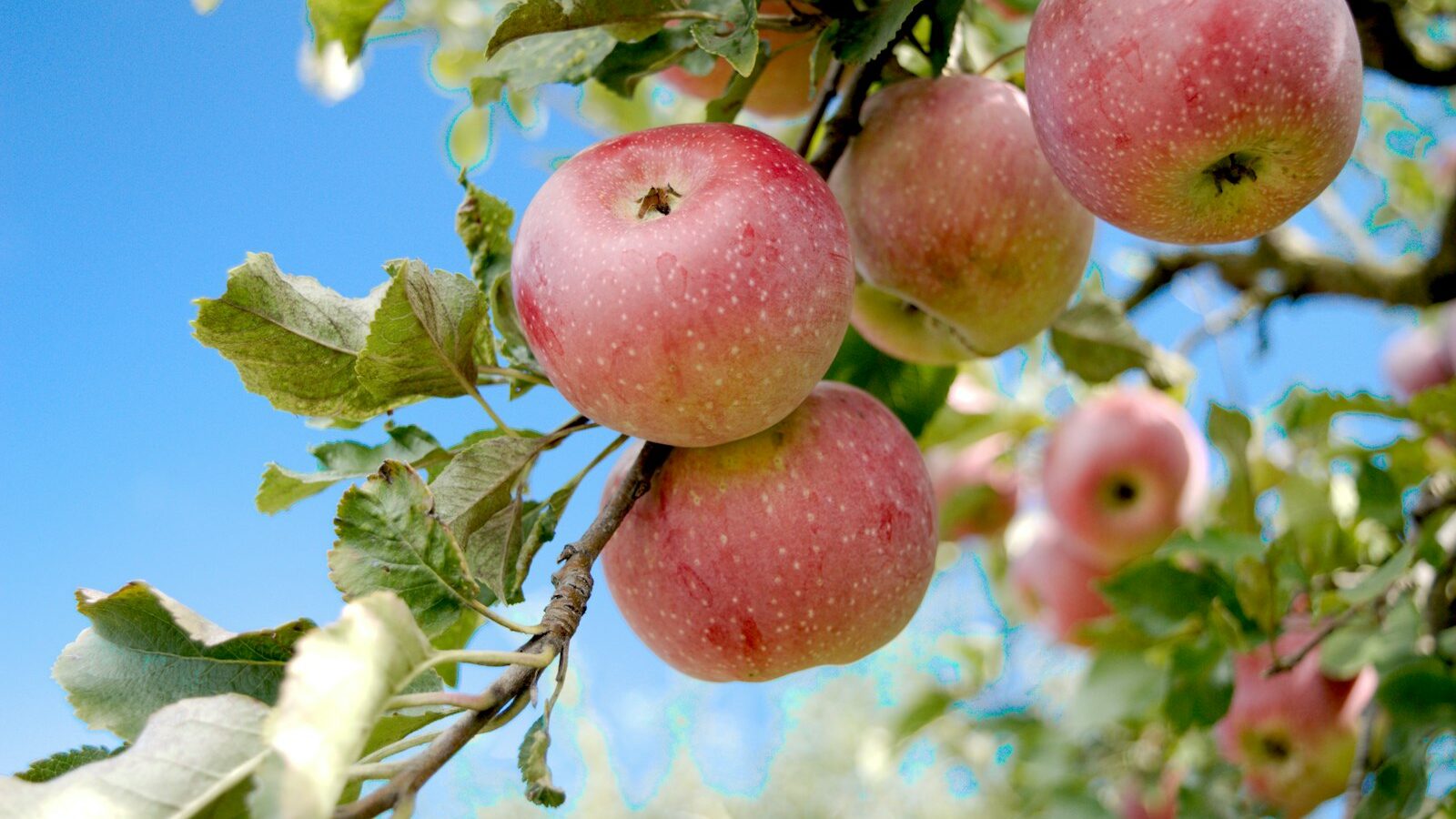
If you want homegrown apples but you only have a patio, a balcony, or a four-foot strip along the fence, a columnar apple tree is the answer. These trees grow straight up as a narrow vertical column, roughly two feet wide and eight to ten feet tall, with almost no spreading side branches. The fruit forms on short fruiting spurs packed tightly along a single main trunk, so a mature tree can carry a surprising load of full-size apples in a footprint smaller than a tomato cage. Sold under names like Urban Apple, Scarlet Sentinel, Golden Sentinel, Northpole, and Tasty Red, and sometimes called “ballerina” or spur-type apples, they have turned small-space apple growing from a fantasy into a weekend project. This guide walks through everything that actually matters in practice: how the columnar habit works, the rootstock question, growing one in a container, the pollination rules you cannot skip, and the modest year-by-year care that keeps a column productive.
Key Takeaways
- A columnar apple tree stays about 2 ft wide and 8-10 ft tall, fruiting on spurs along one upright trunk.
- Most need a second compatible apple or crabapple blooming at the same time to set a real crop.
- Full sun (6-8 hours), zones 4-8/9, and a graft union kept above the soil are non-negotiable.
- They thrive in 10-20 gallon containers, making patios and balconies fair game.
- Pruning is minimal: trim stray side shoots, remove suckers, and head the leader only if it gets too tall.
- Expect first apples in 2-3 years and roughly 5-10+ lbs per mature tree.
What Makes a Columnar Apple Tree Different
A standard apple tree spends its energy building a wide scaffold of lateral branches, then fruits out toward the tips of that canopy. A columnar apple does almost the opposite. Thanks to a natural genetic mutation, the dominant single “Co” gene that controls the columnar habit, the tree suppresses lateral branching and instead grows a thick, mostly unbranched central trunk studded with fruiting spurs. Those spurs are short, stubby growths that produce flower buds and then apples right against the trunk. The result is a living green column rather than a tree with a spreading head.
This matters for two reasons. First, the shape gives you full-size, full-flavor apples without the sprawl, which is why they slot into patios, narrow side yards, and tight rows along a path. Second, because the fruit forms on long-lived spurs rather than on new wood you have to constantly manage, pruning is dramatically simpler than on a conventional tree. You are guiding a column, not training a canopy.
How spur-fruiting works
Spurs are the workhorses of any apple tree, but on a columnar variety they dominate. A spur develops over a season or two, forms a fat fruit bud at its tip, and then flowers and fruits there year after year, often for a decade or more. Once you understand that the spurs are permanent fruiting structures, the care logic clicks into place: you protect the spurs, you avoid cutting them off by accident, and you let the column thicken with more of them over time. A young tree has few spurs and little fruit; a five-year-old column is dense with them, which is exactly why yields climb as the tree matures.
Rootstock: The Part Most Beginners Miss
Here is a point of confusion worth clearing up immediately, because it trips up most first-time buyers. The narrow columnar shape comes from the genetic Co gene in the scion, the named variety grafted on top. The overall height and vigor, on the other hand, come largely from the rootstock the variety is grafted onto. These are two separate things doing two separate jobs.
To keep a columnar tree genuinely short and well-behaved, growers usually graft it onto a dwarfing rootstock such as M9 or Bud9 (sometimes written B9). These rootstocks naturally restrain the tree to roughly 8-10 feet, encourage early fruiting, and keep the root system modest enough to live happily in a pot. A columnar variety on a more vigorous rootstock can still try to push taller and harder than you want, so when you shop, look at both halves of the tree: the variety name and the rootstock. If a tag or listing names the rootstock as M9, Bud9, or another dwarf, you are getting a tree that will stay manageable.
One practical consequence of dwarfing rootstocks: their roots are brittle and shallow, so trees on M9 in particular often need permanent staking, especially when loaded with fruit. A simple stake or a tomato-cage-style support driven in at planting saves you from a snapped trunk in a summer storm. If you are weighing columnar apples against other compact options, it is worth reading our broader guide to growing dwarf fruit trees, which covers how rootstock choice shapes every kind of small-space orchard.
Choosing a Variety and Climate Fit
Most columnar apples are hardy in USDA zones 4 through 8, and some push into zone 9 in milder areas. The reliable, widely sold names include the Urban Apple series (varieties such as Tangy Green, Tasty Red, Blushing Delight, and Golden Treat), Scarlet Sentinel, Golden Sentinel, Northpole, and the older Ballerina types. Flavors range from crisp and tart to sweet and aromatic, and ripening windows span late summer through fall, so check the description for both flavor and harvest timing.
Because almost every apple needs a partner to fruit well (more on that below), the single most useful planning move is to pick two columnar varieties whose bloom times overlap. Mid-season bloomers pair easily with other mid-season bloomers. If you live where late spring frosts are common, lean toward later-blooming selections so the flowers open after the worst frost risk has passed. Match your zone first, then flavor and bloom time second, and you will avoid the most common disappointment of a healthy tree that never sets fruit.
Pollination: Plan Two Trees or a Neighbor’s Apple
This is the section to read twice. The overwhelming majority of apples, including columnar types, are not reliably self-fertile. To set a good crop they need cross-pollination, meaning pollen from a different, compatible apple or crabapple variety that is blooming at the same time. Bees carry that pollen between the two trees during the roughly one-to-two-week bloom window. No compatible partner blooming nearby, no apples, or only a scattered handful.
You have three practical ways to cover this. The simplest is to plant two different columnar varieties whose bloom times overlap; two columns take up barely more room than one and pollinate each other beautifully. The second option is to rely on a neighbor’s apple or flowering crabapple within roughly 50-100 feet, since a single well-timed crabapple is a pollen powerhouse for many apples. The third is to choose a variety described as partially self-fertile. A few columnar apples will set some fruit on their own, but even these crop noticeably better with a pollinizer, so treat self-fertility as a bonus, not a substitute for a partner.
The one mistake to avoid is planting two trees of the same variety, or two clones, and expecting cross-pollination. Genetically identical trees cannot pollinate each other. You need two genuinely different varieties whose flowers are open at the same time.
Planting in the Ground
Pick the sunniest spot you have. Columnar apples want full sun, 6-8 hours of direct light a day, for good fruit set, flavor, and disease resistance. They tolerate most soils as long as drainage is decent; they hate sitting in soggy ground. Dig a hole as deep as the root ball and about twice as wide, loosen the sides, and set the tree so that the graft union, the swollen knuckle where the variety meets the rootstock, sits two to three inches above the soil line. Burying the graft lets the scion root and erases the dwarfing effect of the rootstock, which is exactly what you do not want.
Backfill with the native soil, firm it gently, water deeply to settle the roots, and mulch with two to three inches of bark or wood chips kept a couple of inches off the trunk. Because the column is so narrow, you can plant trees astonishingly close, as little as two feet apart in a row, which makes a living fruiting hedge along a fence or driveway entirely realistic. Drive in a stake at planting if your tree is on M9 or another brittle dwarf rootstock.
Container Growing on a Patio or Balcony
The narrow habit makes columnar apples the best apple for pots, full stop. Start with a 10-15 gallon container for a young tree and plan to step up to a 15-20 gallon pot as it matures; a half-whiskey-barrel-sized container is about right for the long haul. Whatever you choose must have generous drainage holes, because waterlogged roots kill more potted apples than anything else.
Mix and watering
Skip pure garden soil, which compacts and drowns roots in a pot. Use a quality soil-based or peat-free potting mix and blend in some compost plus a handful of grit or perlite for drainage. Containers dry out far faster than open ground, so check moisture daily in summer; the goal is consistently moist but never soggy, watering until it runs from the drainage holes. Uneven watering is the leading cause of split fruit and dropped apples on potted trees, so consistency matters more than volume. A saucer can help in heat but empty it after rain so the roots are not standing in water.
Overwintering the pot
Roots in a container sit several degrees colder than roots in the ground, so a potted tree is more exposed to winter cold than its hardiness zone suggests. In zones 4-6, move the pot against a sheltered south wall, group it with other containers, wrap the pot in burlap or bubble insulation, or sink it into a mulch pile for the winter. Apples need a real winter chill to fruit, so the aim is to protect the roots from hard freezes, not to bring the tree indoors, which would rob it of needed dormancy. An unheated garage or shed for the coldest weeks is a fine compromise in the far north. For more ideas on squeezing food production out of small footprints, our urban gardening hub is a good next stop.
Watering and Feeding Through the Season
In the ground, a columnar apple wants about an inch of water a week during the growing season, more in heat and during fruit swell, delivered as deep soakings rather than frequent sprinkles. Consistency is what produces clean, even fruit; drought stress followed by a big drink is what causes splitting. Mulch keeps the moisture even and suppresses weeds that would otherwise compete for water at the trunk.
Feed in early spring as growth begins with a balanced fruit-tree fertilizer or a generous topdressing of compost, and avoid heavy nitrogen, which pushes soft leafy growth at the expense of fruit and invites aphids. Container trees deplete their nutrients quickly, so they benefit from a controlled-release feed in spring plus a liquid potassium-rich tomato-type feed every couple of weeks once flowering starts to support fruiting. Refresh the top inch or two of potting mix each spring, and fully repot or root-prune a mature container tree every two to three years to keep it vigorous.
Pruning a Column the Easy Way
This is where columnar apples reward you. Because the tree fruits on spurs along the trunk rather than on a managed canopy, pruning is genuinely minimal. Most years you do three small jobs. First, trim back any occasional side shoot that breaks the column line, cutting it to two or three buds in late summer; this keeps the silhouette tight and encourages those stubs to form fruiting spurs. Second, rub off or cut away any suckers shooting up from the base below the graft union, since these come from the rootstock and steal energy. Third, leave the central leader alone unless the tree outgrows your space, at which point you can head it back, cut the top down to a healthy bud or side branch, in late winter to cap the height.
Do the structural cuts in the dormant season, late winter to very early spring, and the light tidying-up cuts in summer. Always use clean, sharp pruners and resist the urge to over-prune; the whole appeal of these trees is that they want to stay in a column on their own. A column that is getting bare and woody at the base after many years can be rejuvenated by heading the leader to encourage fresh growth and new spurs lower down.
Pests, Diseases, and Fruit Thinning
Do not let the tidy shape fool you: a columnar apple is still an apple, and it gets the same problems as any other. The big three to watch are apple scab (olive-brown blotches on leaves and corky lesions on fruit, worst in wet springs), codling moth (the classic worm-in-the-apple, whose larvae tunnel to the core), and aphids (clusters on new growth that curl leaves and excrete sticky honeydew). Some columnar selections are bred for better scab resistance, but assume yours can still be affected and stay observant.
Management is mostly prevention. Rake up and remove fallen leaves and fruit in autumn to break the scab and codling-moth cycles, encourage good airflow (rarely a problem with such an open form), and hang codling-moth pheromone traps or use waxed paper fruit bags or footies to protect developing apples. A strong jet of water or insecticidal soap knocks down aphids, and the ladybugs and lacewings of a healthy garden usually finish the job. The narrow form is actually an advantage here, since every leaf and fruit is within easy reach for scouting and spot treatment, and our plants and flowers section has more on building the kind of diverse planting that keeps beneficial insects around.
Thinning the fruit
Columnar apples often set more fruit than they can size properly, frequently in clusters at each spur. About four to six weeks after bloom, when the apples are roughly marble-sized, thin them to one fruit per cluster and space the remaining apples about four to six inches apart along the trunk. Thinning feels brutal but pays off three ways: bigger, better apples; less limb and spur stress; and a reduced tendency toward biennial bearing, where an overloaded tree crops heavily one year and barely at all the next.
Years to Fruit and What to Expect
Patience is short with these trees. On dwarfing rootstock, a columnar apple typically begins fruiting in its second or third year in the ground. Pinch off any blossoms the first year so the tree puts its energy into roots and trunk, then let it carry a light crop the following season. Yields start small and build as the column accumulates spurs: a mature tree commonly produces somewhere around 5 to 10-plus pounds of apples, which is roughly a steady supply of fresh eating fruit from a single narrow column. Plant a row of three or four and you have real harvests for snacking, sauce, and the occasional pie, all from a strip of ground most people would write off as too small to grow anything but flowers.
Frequently Asked Questions
Do I need two columnar apple trees to get fruit?
In almost all cases, yes. Most apples, including columnar types, need cross-pollination from a different, compatible variety blooming at the same time. Plant two different columnar varieties with overlapping bloom, or rely on a neighbor’s apple or flowering crabapple within about 50-100 feet. A few are partially self-fertile but still crop much better with a pollinizer.
How tall and wide does a columnar apple tree get?
On dwarfing rootstock like M9 or Bud9, expect roughly 8-10 feet tall and only about 2 feet wide. You can head the central leader back in late winter to keep it shorter if it outgrows your space, and the narrow width is what makes 2-foot row spacing possible.
Can I really grow one in a container?
Yes, columnar apples are among the best apples for pots. Use a 10-15 gallon container for a young tree, stepping up to 15-20 gallons at maturity, with good drainage and a quality potting mix amended with compost and grit. Water consistently, feed through the season, and protect the roots from hard freezes in winter.
How soon will it produce apples?
On dwarfing rootstock, most columnar apples start fruiting in their second or third year. Remove the first-year blossoms to build roots, then expect modest crops that grow to roughly 5-10+ pounds per mature tree as the trunk fills with fruiting spurs.
Do columnar apples need much pruning?
Very little. Trim the occasional side shoot back to two or three buds in summer, remove any suckers from below the graft union, and head the leader only if the tree gets too tall. The fruit forms on spurs along the trunk, so the column largely maintains its own shape.