

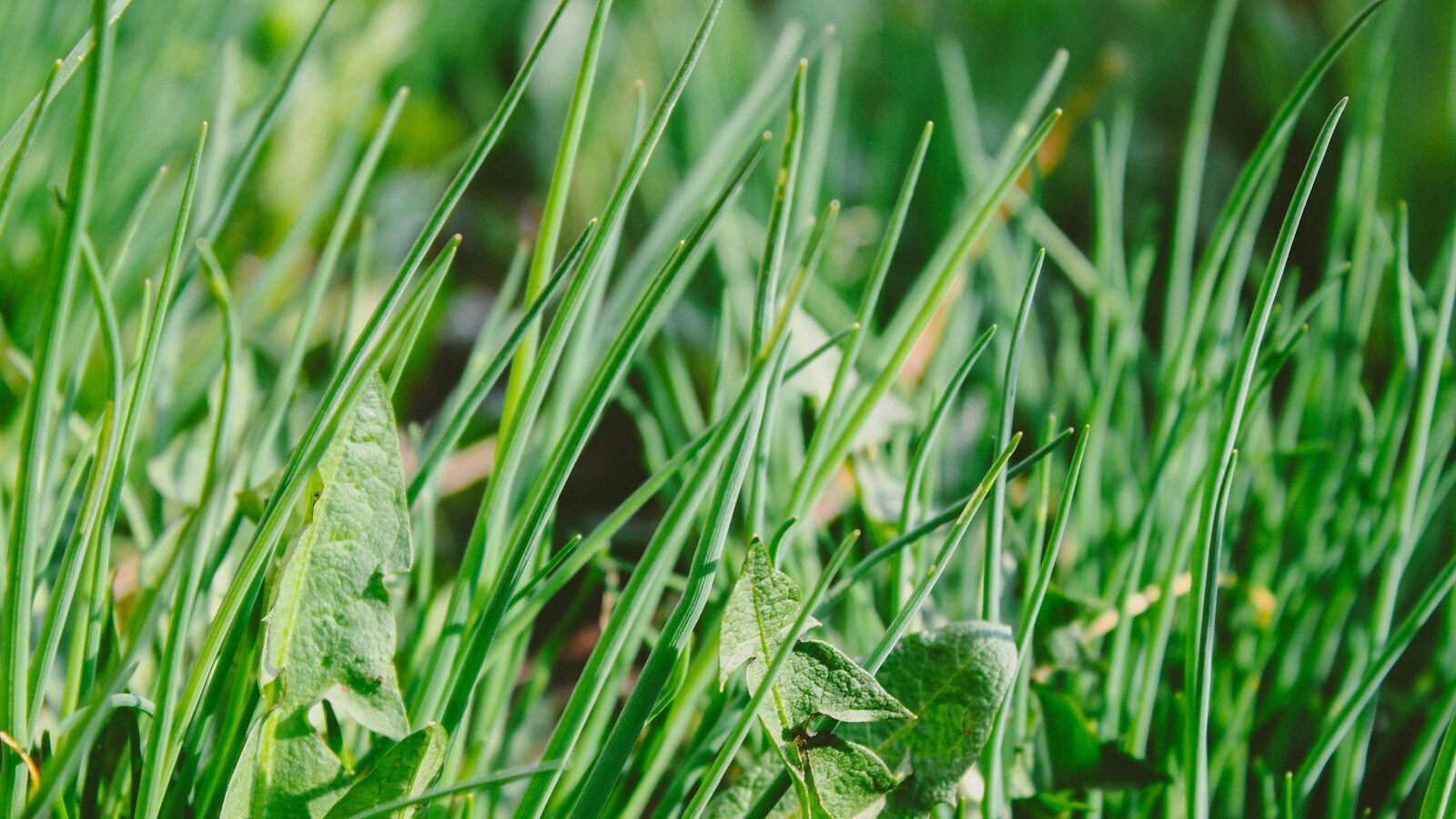
Wild garlic and wild onion are the clumps of dark green, grassy tufts that shoot up faster than the rest of your lawn in late fall and early spring, releasing that unmistakable oniony smell the moment you mow over them. They are stubborn for a specific reason: they grow from underground bulbs that mowing never touches, and many also make tiny aerial bulblets and underground bulb offsets that reseed the area for years. Pull one and you almost always snap the top off and leave the bulb behind to resprout. Beating them takes the right combination of correctly timed herbicide, persistence over more than one season, and—in small patches—careful digging to remove the whole bulb. This guide covers how to tell wild garlic from wild onion and from your grass, why they are so hard to kill, the herbicide and timing that actually work, how to dig them out by hand, and how to keep them from coming back.
Key Takeaways
- They grow from bulbs: wild garlic and wild onion regrow from underground bulbs that mowing and pulling never fully remove.
- ID by the leaves: wild garlic has round, hollow leaves; wild onion has flat, solid leaves; both smell of onion when crushed and stand taller than turf.
- Best herbicide: a selective broadleaf product containing a sulfonylurea or 2,4-D, with a surfactant, since the waxy round leaves shed spray.
- Timing is everything: treat in late fall and again in early spring while plants are actively growing; expect to repeat for two or three seasons.
- Mowing alone never works—it only removes the leaves and leaves the bulb intact and ready to regrow.
- For small patches, dig out the whole bulb with a trowel when soil is moist, getting every offset and bulblet.
How to Identify Wild Garlic and Wild Onion
Wild garlic (Allium vineale) and wild onion (Allium canadense) are closely related cool-season perennials that behave almost identically in the lawn, so you treat them the same way—but it helps to know what you are looking at and to be sure you are not just seeing a clump of coarse grass. The dead giveaway for both is the smell: crush or mow a tuft and you get a strong onion-garlic odor that no true grass produces. They also grow noticeably faster and taller than the surrounding turf, so you see them as upright dark green spikes standing above a freshly mowed lawn within days.
To tell the two apart, look at the leaves:
- Wild garlic: leaves are slender, round in cross-section, and hollow inside—like miniature green drinking straws or chive stems. Roll a leaf between your fingers and it feels tubular.
- Wild onion: leaves are flat and solid, not hollow, more like a flattened blade of grass, and arise from the base of the plant.
- Both emerge from a small white-to-brown underground bulb, smell strongly of onion or garlic when crushed, and produce a flower stalk in late spring that may carry tiny aerial bulblets at the top.
You will most often notice them in late fall through early spring, because they are cool-season growers that green up and surge while warm-season turf is dormant and even while cool-season grass is growing slowly. In summer heat the foliage often dies back and the bulbs go dormant underground, which is part of why timing your attack matters so much. Knowing how a weed grows is half the battle in any lawn and outdoor living care routine.
Why Wild Garlic and Onion Are So Hard to Kill
These weeds frustrate people because the obvious responses—mowing and pulling—do almost nothing, and even herbicides often need several rounds. Three traits make them tough.
First, the bulb. The plant’s energy and survival live underground in a bulb that mowing never reaches. Cut the green tops and the bulb simply pushes up new leaves. Worse, the bulb produces offsets—small daughter bulbs around the parent—so a single plant becomes a clump, and digging that misses even one offset leaves a viable plant behind.
Second, the aerial bulblets and seed. In late spring many plants send up a stalk topped with a cluster of tiny bulblets (and sometimes flowers and seed). These bulblets drop to the ground and start new plants several feet away, so an untreated patch keeps spreading and reloading the area year after year. This is why stopping the plants before they form those bulblets matters.
Third, the waxy, narrow leaves. The round, slick foliage of wild garlic in particular has very little surface area and a waxy coating, so herbicide sprays bead up and roll right off before they can be absorbed. That is why a surfactant (spreader-sticker) is essential and why a single spray is rarely enough. Together these traits mean control is a campaign, not a one-time event—plan on persistence across more than one season.
How to Kill Wild Garlic and Onion with Herbicide
For anything bigger than a few clumps, a selective post-emergent herbicide is the practical route because it kills the weeds without harming your lawn grass. Two chemistries work on alliums.
- Choose the right product. Products containing a sulfonylurea active ingredient (such as those labeled for wild garlic and onion in turf) are particularly effective on these weeds. A standard broadleaf herbicide containing 2,4-D also suppresses them and is widely available; look for a label that specifically lists wild garlic or wild onion. Confirm the product is safe for your grass type before spraying, since some warm-season grasses are sensitive to certain actives and rates.
- Always add a surfactant. Because the waxy round leaves shed water-based spray, mix in a non-ionic surfactant or use a product that already includes one. This is the difference between the herbicide running off and actually sticking and absorbing.
- Mow first, then wait, then spray—or spray standing foliage. Some gardeners lightly mow or even step on the clumps to bruise and bend the waxy leaves a few days before spraying, increasing absorption. Otherwise, spray the standing foliage thoroughly to wet without dripping.
- Spot-treat where possible. Wild garlic and onion grow in discrete clumps, so spot-spraying just the tufts is more effective and uses far less chemical than blanketing the whole lawn.
- Repeat. Plan on a follow-up application a few weeks later, and almost certainly more treatments the following season. A single spray weakens the bulb but rarely kills it outright; persistence over two or three seasons is what finally exhausts the bulbs.
Set expectations realistically: even with the right product, surfactant, and timing, these weeds usually take repeated applications across more than one year to eliminate, because the underground bulbs keep some reserves in store. That is normal, not a sign you are doing it wrong.
When to Treat Wild Garlic and Onion
Timing is as important as the product. Because these are cool-season weeds, target them when they are actively growing and putting energy into their leaves, which is when the herbicide gets pulled down into the bulb. That means late fall and again in early spring. A fall application is especially valuable: as the plant heads toward dormancy it moves resources downward into the bulb, carrying the herbicide with it for a more lethal hit. A second pass in early spring catches new growth and any survivors.
The deadline you must not miss is before the plants flower and form aerial bulblets in late spring. Once those bulblets form and drop, you have seeded next year’s infestation across the area, undoing your progress. Avoid treating in the heat of summer, when the foliage has often already died back and the bulbs are dormant—there is little leaf left to absorb herbicide and little active growth to translocate it. Hit them in the cool, actively growing windows and you maximize every application.
Digging Out Wild Garlic by Hand
For a small lawn, a few scattered clumps, or gardeners who prefer to skip chemicals, digging works—but only if you remove the entire bulb and its offsets. Hand-pulling fails because the leaves snap off at the soil line and leave the bulb behind to regrow, so do not pull; dig.
- Wait for moist soil. Dig a day or two after rain or watering, when the soil is soft. In dry, hard ground the bulb tears away from the leaves and stays put.
- Loosen widely around the clump. Push a hand trowel or narrow weeding tool several inches down and a couple of inches out all the way around the tuft, so you lift a generous plug of soil rather than just yanking the tops.
- Lift the whole clump and find every bulb. Break the soil apart and remove the parent bulb plus all the small offset bulblets clustered around it. A single missed offset will regrow the clump, so be thorough.
- Bag the debris—do not compost it. Put the bulbs and bulblets in the trash, not the compost pile, where stray bulblets can survive and spread.
- Backfill and reseed. Fill the hole, firm the soil, and reseed any bare spot so grass, not more weeds, takes the opening.
Digging is labor-intensive and you will likely have to revisit the same spots as missed bulblets resprout, but for a limited infestation it is effective and avoids any herbicide. For large, established stands, combining a fall herbicide program with spot digging of the worst clumps usually beats either method alone.
Preventing Wild Garlic and Onion From Coming Back
As with most lawn weeds, the durable defense is a thick, healthy lawn that leaves no room for invaders, combined with vigilance about not letting any survivors set bulblets. Wild garlic and onion exploit thin, neglected turf, so improving overall lawn health pays off long after the last spray.
- Keep turf dense and mowed appropriately. A vigorous, properly fertilized lawn shades the soil and competes hard, making it tougher for allium bulblets and seed to establish in open ground.
- Never let them flower. Mow or treat patches before that late-spring flower stalk forms its aerial bulblets. Preventing seed and bulblet drop is far easier than fighting the next generation.
- Overseed bare and thin spots. Fill any openings promptly so grass, not weeds, claims the space, especially after you have dug out clumps.
- Stay on a multi-season schedule. Mark your calendar for fall and early-spring treatment and keep going for two or three years until no new tufts appear, because the bulbs hold reserves that outlast a single season.
Watch new soil and plants, too—bulblets ride in on bulk topsoil and in nursery pots and start fresh colonies. Building a thick, competitive lawn is the same foundation that keeps out crabgrass, clover, and most other weeds, and it folds naturally into a broader outdoor living plan that treats the lawn as a system. Be patient and persistent: with correctly timed herbicide, careful digging of small patches, and a healthy lawn crowding out the survivors, you can finally clear wild garlic and onion for good rather than mowing over that oniony smell every spring.
Frequently Asked Questions
What is the difference between wild garlic and wild onion?
Both are bulb-forming Allium weeds that smell of onion when crushed and behave the same in the lawn. The easiest way to tell them apart is the leaves: wild garlic has slender, round, hollow leaves like tiny straws, while wild onion has flat, solid leaves. You control both with the same herbicides and timing.
Why does mowing not get rid of wild garlic?
Because mowing only removes the green leaves while the plant’s bulb stays safely underground and simply pushes up new growth. Wild garlic and onion store their energy in bulbs and produce offset bulblets, so cutting the tops never kills them. You have to translocate herbicide into the bulb or physically dig the whole bulb out.
What herbicide kills wild garlic and onion in lawns?
A selective post-emergent containing a sulfonylurea active ingredient labeled for wild garlic and onion is especially effective, and broadleaf products with 2,4-D also work. Always add a non-ionic surfactant, because the waxy round leaves shed spray, and confirm the product is safe for your grass type before applying.
When is the best time to treat wild garlic?
Treat in late fall and again in early spring, when these cool-season weeds are actively growing and moving resources into their bulbs. A fall application is particularly effective. Always treat before the plants flower and form aerial bulblets in late spring, and avoid summer when the foliage dies back and the bulbs go dormant.
Can I dig up wild garlic instead of spraying?
Yes, for small patches. Wait until the soil is moist, then dig a generous plug around each clump with a trowel and remove the entire bulb plus all the small offset bulblets—do not just pull the tops, which snap off and leave the bulb. Bag the debris in the trash rather than composting it, and expect to revisit as missed bulblets resprout.