

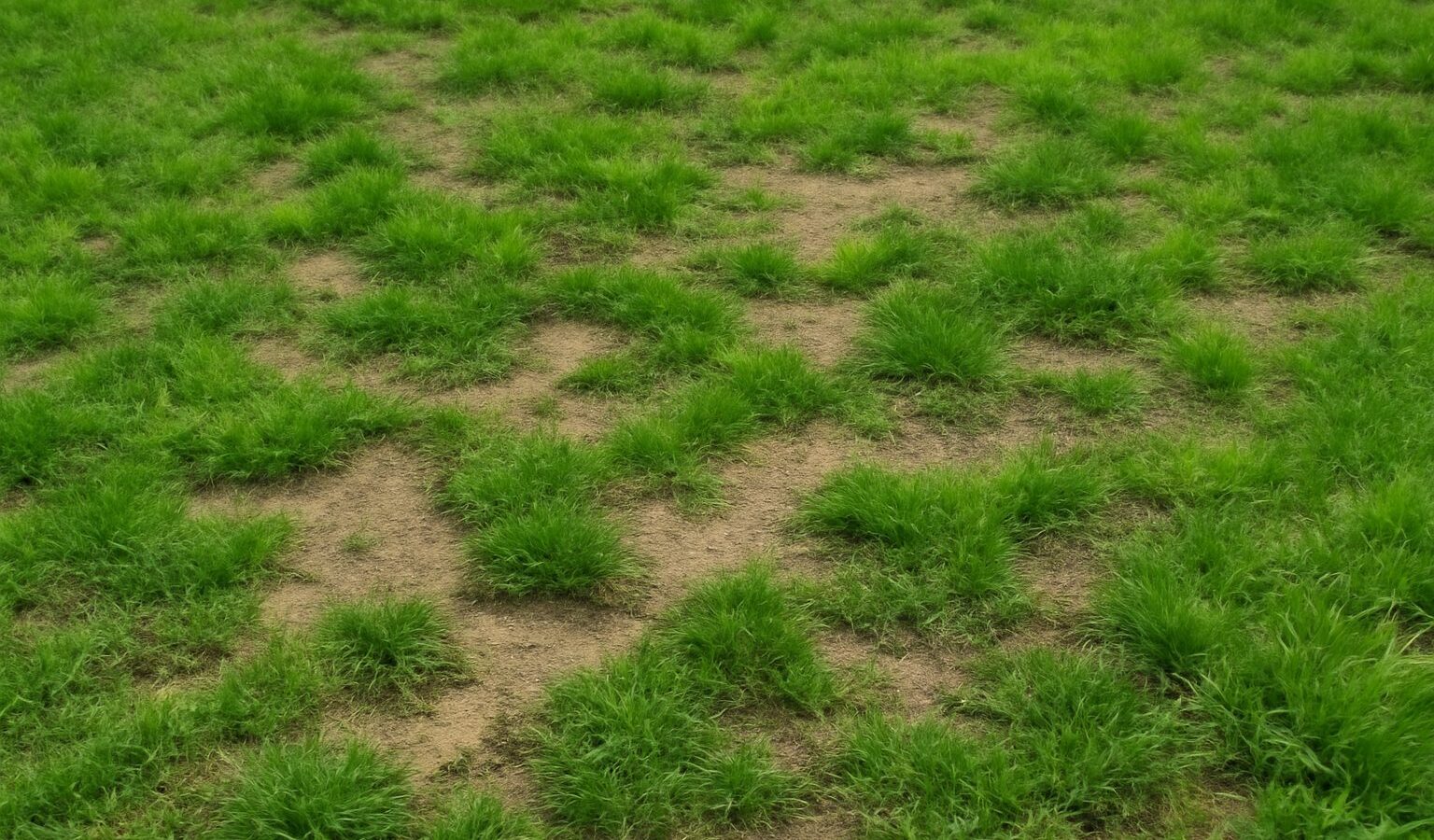
A patchy lawn is a symptom, not a disease—so before you dump down seed, find out why the grass thinned in the first place. Shade, compaction, grubs, dull-mower scalping, dog spots, poor soil and the wrong grass type for your region each leave grass thin, and each is fixed differently. Reseed over an uncorrected cause and you’ll be reseeding the same bare patch next year. This guide walks you through diagnosing the real problem, prepping the soil, choosing seed that matches your climate, and the slit-seed or overseed technique that actually fills a lawn back in—plus exact timing, seeding rates and a watering schedule that gets seedlings to maturity.
Key Takeaways
- Diagnose the cause—shade, compaction, grubs, scalping or dog urine—before reseeding, or the patch comes right back.
- Overseed cool-season lawns (fescue, bluegrass, rye) in early fall; seed warm-season lawns (Bermuda, zoysia) in late spring.
- Seed-to-soil contact is everything: loosen the top 1/4 inch, sow at the right rate, then rake or roll the seed in—don’t just toss it on top.
- Keep seed consistently moist with light, frequent watering until germination, then taper to deep, infrequent soaking.
- Core-aerate compacted lawns before overseeding; the holes give roots and seed a place to establish.
Step 1: Diagnose Why It Thinned
Walk the lawn and match what you see to a cause. Compaction shows as thin, struggling grass on paths, play areas and clay soil; push a screwdriver into the ground—if it’s hard to drive past two inches, the soil is compacted. Shade thins grass under trees and on the north side of the house; most lawn grasses need at least four hours of direct sun. Grub damage peels up like loose carpet over chewed roots, often in late summer, with crows or skunks digging at it. Scalping leaves thin, brown high spots from mowing too low or with a dull blade. Dog urine makes small dead circles ringed by lush dark-green growth. Poor soil or low fertility gives an overall thin, pale, slow lawn. And the wrong grass—a cool-season seed in the Deep South, or Bermuda in heavy shade—will never thrive no matter how much you reseed.
Fix the cause first: aerate compaction, thin tree limbs or switch to a shade-tolerant fine fescue, treat grubs with a season-appropriate insecticide, sharpen the mower and raise the height, flush dog spots with water, and feed a hungry lawn. A simple soil test tells you whether pH or nutrients are the holdup—if you’ve never pulled one, our guide on how to read a soil test report shows you exactly how to interpret the numbers.
Step 2: Match the Seed to Your Climate
Grass falls into two camps. Cool-season grasses—tall fescue, Kentucky bluegrass, perennial ryegrass and fine fescue—dominate the northern half of the U.S. and the transition zone; they grow hardest in spring and fall. Warm-season grasses—Bermuda, zoysia, St. Augustine, centipede—rule the South and grow in the heat of summer, going dormant and tan after frost. Buy seed that matches both your region and the spot’s sun: tall fescue is the most forgiving all-rounder for sun-to-part-shade cool-season lawns; fine fescue handles dry shade; Kentucky bluegrass spreads by rhizomes and self-repairs but needs full sun and more water. For warm-season repair, common Bermuda and zoysia are seedable; many improved hybrids and St. Augustine are not and must be plugged or sodded instead.
When you overseed an existing lawn, match the new seed to what’s already growing so the texture and color blend. Check the seed tag for germination rate, purity, and “other crop”/weed seed percentages—pay for clean, named-cultivar seed rather than bargain “contractor’s mix,” which often hides annual ryegrass and weed seed.
Step 3: Time It Right
Timing is the difference between a thick fill-in and a wasted bag of seed. Sow cool-season seed in late summer to early fall—roughly mid-August through September in the North—when soil is still warm enough to germinate (soil temps in the 50s–60s°F) but air is cooling and weed competition is fading. Early spring is a workable second choice, but you’ll fight crabgrass and heat. Note that you cannot apply most crabgrass pre-emergents and seed at the same time; the pre-emergent stops grass seed from germinating too. Sow warm-season seed in late spring to early summer, once soil temperatures hold above 65–70°F and frost is well past, giving the grass a full warm season to establish before dormancy.
Step 4: Prep the Soil and Sow
Seed-to-soil contact is the whole game—seed sitting on top of thatch or hard ground dries out and dies. For bare patches: rake out dead grass and debris, loosen the top 1/4 to 1/2 inch of soil, scratch in a thin layer of compost or topsoil, then sow.
For overseeding a thin but living lawn: mow short (around 2 inches) and bag the clippings, then core-aerate if the soil is compacted and rake up the plugs, or rent a slit-seeder, which cuts grooves and drops seed in one pass for the best contact. Then broadcast seed at the rate on the bag—as a rough guide, tall fescue is sown around 6–8 lb per 1,000 sq ft for new areas and 3–4 for overseeding; Kentucky bluegrass around 2–3 lb; perennial ryegrass 5–7 lb. After sowing, lightly rake or roll the seed in and topdress bare areas with a thin (1/4 inch) layer of compost or peat to hold moisture. A starter fertilizer high in phosphorus, applied at the label rate, speeds root establishment—unless your soil test already shows high phosphorus, in which case use a balanced starter.
Step 5: Water for Germination, Then Wean
New seed has no roots, so it lives entirely on surface moisture. For the first two to three weeks, water lightly two to three times a day—just enough to keep the top half inch consistently damp, never puddled. As seedlings emerge (ryegrass in 5–10 days, fescue 7–14, bluegrass 14–21), gradually cut back to once a day, then every other day with more water each time, training roots to chase moisture downward. By a month in you should be on a normal schedule of about one inch per week in one or two deep soakings. Don’t mow until the new grass reaches about 3.5 inches, and only remove a third of the height on the first cut with a sharp blade.
Stay off the seeded area while it establishes, keep pets away, and hold off on broadleaf weed killers until you’ve mowed the new grass three or four times—herbicides damage tender seedlings. A light raking of seed-free straw over large bare areas conserves moisture and slows washouts on slopes.
Repairing Specific Trouble Spots
Some patches need a tailored fix rather than blanket overseeding. Dog-urine spots are nitrogen burns: flush the spot heavily with water as soon as you can to dilute the salts, then rake out the dead grass and reseed; the surrounding dark-green ring is over-fertilized grass and will even out. Training the dog to a gravel or mulch area saves the lawn long-term. Shady patches under trees rarely thicken with sun-loving seed no matter how often you sow—switch to a fine fescue shade mix, raise the mowing height to 4 inches so the grass captures more light, and thin the lower tree limbs to let in dappled sun. If a spot gets fewer than three or four hours of light, accept defeat gracefully and convert it to shade-tolerant groundcover, mulch or a bed.
Slopes and erosion-prone areas wash seed away before it roots; lay a biodegradable erosion-control blanket or jute netting over the seeded soil to hold seed and moisture until grass anchors it. High-traffic paths compact and thin no matter what you plant—either reroute foot traffic, install stepping stones, or commit to annual core aeration there. And for large dead areas from old grub damage, confirm the grubs are gone (apply a curative insecticide if you still find more than 5–10 grubs per square foot) before reseeding, or the new roots become next season’s buffet.
Sod and Plugs vs. Seed
Seed is cheapest and offers the widest cultivar choice, but it’s slow and demands weeks of careful watering. Sod gives an instant lawn and can be laid almost any time the ground isn’t frozen—worth it for high-visibility front yards, steep erosion-prone slopes, or when you can’t babysit watering for a month. It costs far more per square foot and you’re limited to whatever varieties the sod farm grows. Plugs are the practical route for spreading warm-season grasses that don’t come true from seed—improved Bermuda hybrids, zoysia and St. Augustine—planted on 6–12 inch centers in late spring and allowed to knit together over a season. For most cool-season patch repair, seed wins on cost and selection; reserve sod for spots where speed or slope makes the premium worthwhile.
Keeping the Lawn Thick Long-Term
A dense lawn is its own best weed and disease defense, so the goal after repair is to never let it thin again. Mow at the high end of your grass’s range, fertilize on a sensible seasonal program rather than dumping it all in spring, and overseed cool-season lawns lightly every fall to outpace the grass that naturally dies off each year. Aerate compacted, high-traffic lawns annually. Watch for the fungal problems that thin a lawn fast in summer humidity—if circular dead patches appear, our guide on getting rid of lawn fungus and disease covers diagnosis and treatment. And dial in your feeding with a seasonal fertilizer schedule so the lawn has the nutrients to stay thick. More lawn and yard projects live in our outdoor living section.
Frequently Asked Questions
Can I just throw grass seed on bare spots?
You can, but most of it won’t grow. Seed needs contact with loosened soil and steady moisture. Rake out the dead grass, scratch up the top quarter-inch of soil, sow, then rake the seed in and topdress with a little compost. That simple prep dramatically raises your germination rate.
What’s the best time of year to fix a patchy lawn?
For cool-season grasses (fescue, bluegrass, rye), late summer to early fall is ideal—warm soil, cooling air, and less weed competition. For warm-season grasses (Bermuda, zoysia), seed in late spring once soil holds above 65–70°F so the grass has a full warm season to establish.
Why does grass keep dying in the same spot?
Because the underlying cause was never fixed. Recurring bare spots usually mean shade, soil compaction, grubs, dog urine, or the wrong grass for that microclimate. Diagnose and correct the cause—aerate, thin limbs, treat grubs—then reseed, or the patch will return.
How long does new grass take to fill in?
Ryegrass germinates in 5–10 days, tall fescue in 7–14, and Kentucky bluegrass in 14–21. Expect a usable lawn in about 4–6 weeks and full thickening over a couple of months. Bluegrass is slowest to start but spreads to self-repair over time.
Should I aerate before overseeding?
Yes, if the soil is compacted. Core aeration pulls plugs that open the soil, improve drainage, and give seed and roots a place to establish. Aerate first, then overseed and topdress so seed falls into the holes for excellent soil contact.