

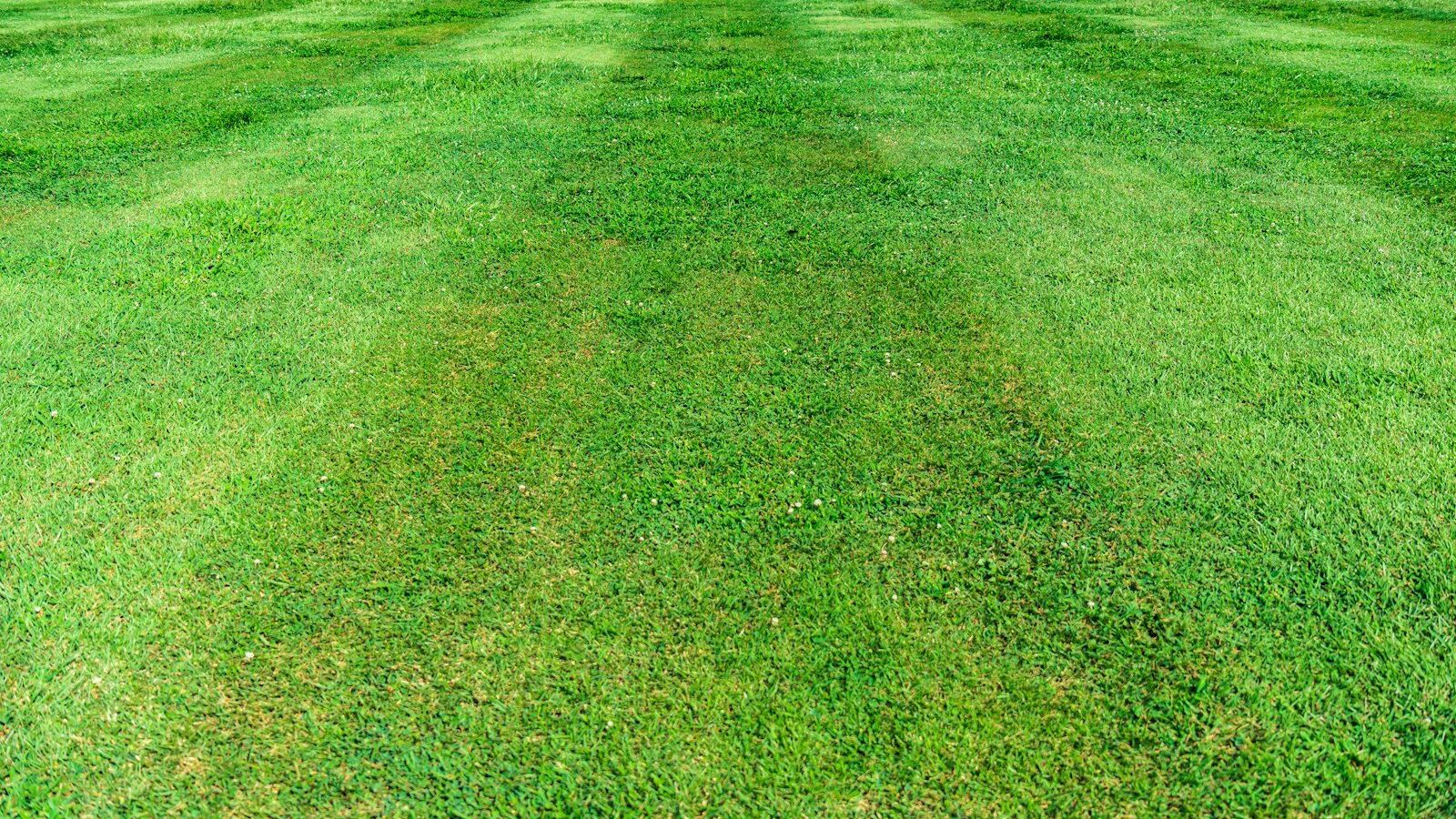
A patchy lawn is almost always a symptom, not the disease. Before you dump down a bag of seed, the single most useful thing you can do is figure out why the turf thinned in the first place — dog urine, grub damage, heavy shade, compacted soil, fungal disease, or just plain wear all leave different fingerprints and call for different fixes. Reseed without addressing the cause and you will be patching the same spots next spring. This guide walks through diagnosing the problem, prepping the bare ground properly, choosing between spot-patching and a full overseed, getting new grass to actually germinate, and locking in the repair so the patches do not return. Done right, most thin lawns fill back in within four to six weeks of the correct season.
Key Takeaways
- Diagnose before you seed. Grubs, dog spots, shade, compaction, and disease each leave a different pattern — and each needs a different fix.
- Timing decides success. Seed cool-season grass (fescue, rye, bluegrass) in early fall; warm-season grass (Bermuda, zoysia) in late spring as soil hits 65–70°F.
- Seed-to-soil contact is everything. Loosen the top ½–1 inch, remove dead thatch, sow at the label rate, and rake lightly so seed sits in the soil, not on it.
- Keep seed consistently moist. Light watering 1–3 times a day for the first 2–3 weeks until germination, then taper to deep, infrequent soakings.
- Prevent the next patch: mow high (3–4 in), aerate compacted areas yearly, fertilize on schedule, and overseed thin turf each fall.
Step 1: Diagnose Why the Lawn Went Patchy
The cause leaves clues in the shape and location of the damage. Round dead patches a few inches across, with a darker green ring of lush grass around the edge, almost always mean dog urine — concentrated nitrogen burns the center while diluted runoff feeds the ring. Irregular patches where the turf peels up like a loose carpet point to grubs, which sever roots just below the surface; tug a thin spot and if it lifts freely, dig down and look for white C-shaped larvae. Persistent thinning under or near trees is shade plus root competition. Hard, compacted bare strips along walkways and play areas are wear and soil compaction. Spreading circular or blotchy brown areas in hot, humid weather suggest fungal disease such as brown patch or dollar spot.
Take ten minutes to walk the lawn and sort your patches into these buckets, because the repair changes accordingly. If grubs are the culprit, seeding into them just feeds a future die-off — treat first. If the area is deep shade, no amount of sun-loving Kentucky bluegrass will hold; you need a shade-tolerant fine fescue or a different ground cover entirely. Our guide to growing grass under trees covers the shade case in depth. And if the soil is rock-hard, the real fix is aeration, not seed. Identifying the cause turns a guessing game into a checklist.
Quick soil and compaction check
Push a screwdriver into the soil in a healthy area and again in a bare spot. If it slides into the green turf but stops cold in the patch, compaction is throttling root growth and water infiltration there. Compacted ground also sheds water, so seed washes away and roots cannot penetrate. For these areas, core aeration (pulling plugs, not just spiking) before seeding is the difference between a repair that takes and one that fails. A simple pH and nutrient test from a county extension lab — usually under $20 — is also worth doing if the whole lawn looks tired, since cool-season grasses prefer a pH near 6.0–7.0 and starve in acidic or alkaline soil.
Step 2: Seed the Right Grass at the Right Time
Match the seed to your existing lawn and your climate, or the patch will stand out in color and texture. Cool-season grasses — tall fescue, perennial ryegrass, Kentucky bluegrass, and fine fescues — dominate the northern half of the US (roughly USDA zones 3–7) and the transition zone. Their golden seeding window is early fall: warm soil speeds germination while cooling air and autumn rain reduce stress, and young grass gets two cool seasons to establish before summer heat. Early spring is a workable second-best. Warm-season grasses — Bermuda, zoysia, St. Augustine, centipede — rule the South (zones 8–10) and want late spring into early summer, when soil temperatures hold steady at 65–70°F or above; seeding them in fall almost always fails because they go dormant.
For patch repair specifically, buy a seed blend labeled for your existing turf type, or use a “sun and shade” tall fescue mix for general northern repairs — it is forgiving and germinates reliably in 7–14 days. Avoid cheap contractor mixes heavy in annual ryegrass, which sprout fast and die within a season. Many homeowners reach for an all-in-one patch product that combines seed, a paper or wood mulch, and a starter fertilizer in one bag; these genuinely simplify small repairs because the mulch holds moisture and marks where you have sown. Just confirm the seed type inside matches your lawn.
Step 3: Prep the Bare Spots
Preparation is where most DIY repairs are won or lost, because grass seed will not germinate sitting on top of dead thatch or hard soil — it needs firm contact with loose, moist earth. Start by raking out every bit of dead grass, debris, and loose thatch from the patch with a stiff garden rake or a steel landscape rake until you expose bare soil. If a thick thatch layer (over half an inch of spongy brown material between green blades and soil) covers the whole lawn, dethatch it, because seed cannot reach soil through it.
Next, loosen the top half-inch to inch of soil. For small spots a hand cultivator or the tines of a rake is plenty; for larger areas, run a core aerator or scratch the surface with a hard rake. The goal is a crumbly, loosened seedbed, not a tilled crater. If the patch was caused by dog urine, flush it first: soak the spot heavily with water for several days to leach excess nitrogen salts out of the root zone before you seed, or the new seedlings will burn too. For grub damage, apply an appropriate grub control product and wait the label interval before seeding. Finally, level any low spots with a thin layer of topsoil or compost and rake smooth so the repair sits flush with the surrounding lawn.
Step 4: Sow, Cover, and Firm In the Seed
Spread seed at the rate printed on the bag — for new bare-soil repair this is typically heavier than overseeding, often around 6–8 seeds per square inch. Resist the temptation to pour it on thick; seed sown too densely competes with itself, producing weak, crowded seedlings that thin out. For small spots, sow by hand and aim for even coverage where you can see individual seeds but not a solid carpet. For larger areas, a handheld or broadcast spreader gives more uniform results.
After sowing, lightly rake so seed settles into the top quarter-inch of soil — covered enough to stay moist, shallow enough to reach light. Then press the seed into firm contact with the soil by tamping it with the back of a rake, walking on a board laid over the patch, or rolling a lightly filled lawn roller across larger areas. This single step dramatically improves germination because it eliminates the air pockets that let seed dry out. Finish with a thin mulch: a light scatter of weed-free straw, a peat-based seed-starting mulch, or the built-in mulch from a patch product. The mulch shades the seed, holds moisture, and discourages birds. Do not bury the seed under thick mulch — a light haze you can still see soil through is correct.
Step 5: Water for Germination, Then Wean Back
Watering is the most common place repairs fail, because new seed and established turf want opposite things. Until the seed germinates, the top inch of soil must stay consistently moist but not soggy — that usually means light watering one to three times a day, especially in warm or windy weather. Skip a hot afternoon and the surface dries, the embryo inside the seed dies, and no amount of later watering revives it. Think frequent and gentle, not deep and occasional, for this stage only.
Once seedlings are up and an inch or two tall (around 2–3 weeks for cool-season blends), begin weaning. Cut back to deeper, less frequent watering — every other day, then a couple of times a week — to push roots downward. By the time you have mowed the new grass twice, transition it onto the lawn’s normal schedule of about one inch of water per week, delivered in one or two deep soakings. This shift from shallow-and-often to deep-and-infrequent is what builds the deep root system that keeps the patch from thinning again. For broader timing and watering rhythms across the year, our outdoor living and lawn care guides map out a full-season schedule.
When can I mow and walk on it?
Stay off the repair until the new grass reaches about 3 to 3.5 inches, then mow on the highest setting with a sharp blade, removing no more than a third of the blade length. A dull blade rips young grass out by the roots, so make sure yours is freshly sharpened before that first cut. Keep foot traffic light for the first month — the seedlings have shallow, fragile roots that tear easily. Hold off on broadleaf weed killers until the new grass has been mowed three or four times, because most herbicides damage immature turf.
Step 6: Overseed vs. Spot-Patch — Which Approach?
If the lawn has a few discrete bare spots, spot-patching the way described above is the efficient fix. But if the turf is broadly thin — sparse all over, with no single dramatic dead zone — overseeding the entire lawn is the better play. Overseeding means mowing low (around 2 inches), aerating or scratching the surface, broadcasting seed across the whole area at the overseeding rate (lighter than bare-soil patching), and watering the same way. It thickens existing turf, crowds out weeds, and blends new grass uniformly so you avoid the mismatched-patch look. Many homeowners overseed cool-season lawns every fall as routine maintenance; it is the single most effective habit for keeping a dense, patch-free lawn.
The decision often comes down to scale and cause. Dog spots, wear paths, and isolated grub damage are patch jobs. Age-related thinning, shade decline that you have improved by limbing up trees, or a lawn recovering from drought stress call for a full overseed. There is no harm in doing both in the same fall: aggressively patch the worst dead areas with a heavier seeding, then overseed the entire lawn at the lighter rate to tie it all together.
Step 7: Stop the Patches From Coming Back
A successful repair that ignores the underlying cause is a temporary one. Build these habits into your routine. Mow high — 3 to 4 inches for most cool-season grasses — because taller blades shade out weeds, cool the soil, and feed deeper roots; scalping is a leading cause of thinning. Aerate compacted lawns once a year (fall for cool-season, late spring for warm-season) to relieve the compaction that starves roots of air and water. Fertilize on a sensible schedule for your grass type rather than dumping nitrogen all at once, which forces soft growth prone to disease. And water deeply and infrequently to train roots downward.
Address recurring problem zones directly: train or fence dogs away from a favorite spot, install stepping stones along a worn shortcut, treat grubs preventively if you have had infestations before, and reconsider the grass species in deep shade rather than reseeding the same losing battle. A lawn kept dense, tall, and deep-rooted simply has fewer openings for bare patches to form in the first place — prevention is far less work than the next repair. For tougher persistent shade, design choices, and edging that keeps beds from creeping into turf, browse the full set of landscaping and lawn guides.
Frequently Asked Questions
What is the best time of year to repair a patchy lawn?
For cool-season grasses (fescue, ryegrass, bluegrass) in the northern US, early fall is ideal — warm soil germinates seed fast while cooling air reduces stress and gives grass two cool seasons to establish. Early spring is a workable second choice. For warm-season grasses (Bermuda, zoysia) in the South, seed in late spring to early summer once soil holds at 65–70°F.
How long does new grass seed take to fill in bare spots?
Most cool-season blends germinate in 7–14 days, with perennial ryegrass fastest and Kentucky bluegrass slowest (up to three weeks). Warm-season seed can take 14–30 days. Expect bare spots to look filled in around four to six weeks of growth in the correct season, with full thickening over a couple of months as the turf matures.
Why do I keep getting round dead spots in my lawn?
Round dead patches a few inches wide with a lush green ring around them are the classic sign of dog urine — concentrated nitrogen burns the center while diluted runoff fertilizes the edge. Flush the spot heavily with water before reseeding to leach out the salts, and redirect the dog to prevent it. Round spots without the green ring may instead be a fungal disease.
Do I need to remove old dead grass before seeding?
Yes. Grass seed needs firm contact with loose, moist soil to germinate — it will not sprout sitting on dead thatch or matted old grass. Rake out the dead material to expose bare soil, loosen the top half-inch, and only then sow. Skipping this prep is the single most common reason patch repairs fail to take.
How often should I water newly seeded patches?
Until germination, keep the top inch of soil consistently moist with light watering one to three times a day, more in hot or windy weather — never let the surface dry out, or the seed dies. Once seedlings are an inch or two tall, switch to deeper, less frequent watering to drive roots down, eventually reaching the normal one inch per week in one or two soakings.