

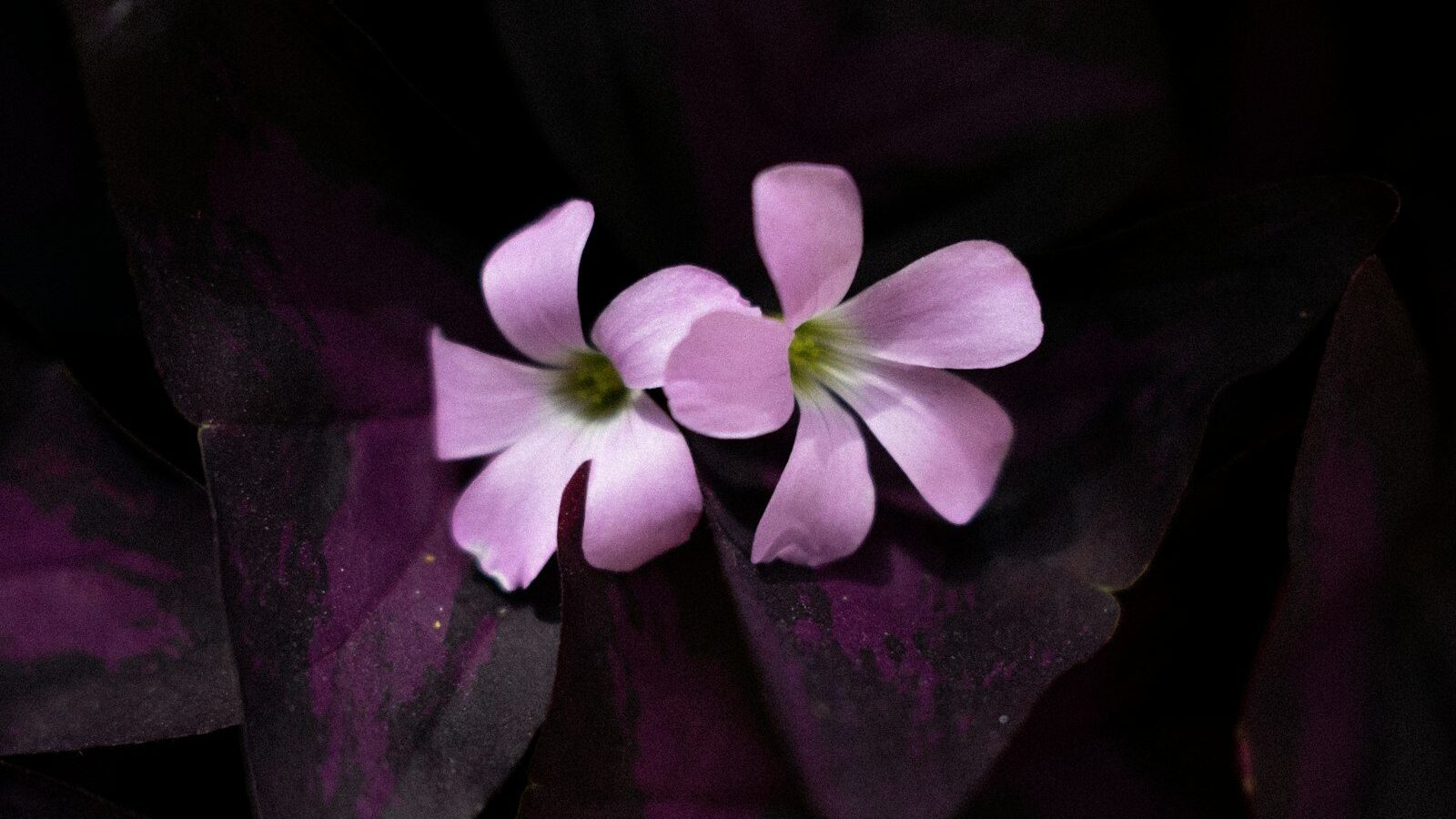
Oxalis triangularis — the purple shamrock or false shamrock — is one of the most charming houseplants you can grow, with deep purple triangular leaflets that fold up at night like little butterflies and open again each morning. It is undemanding once you understand one quirk that throws off new owners: oxalis grows from small bulbs and naturally goes dormant, sometimes dying back almost completely. Treat that rest period correctly and the plant comes back lush and even bigger. This guide covers light, watering, soil, the all-important dormancy, dead-simple propagation, and the common problems that have nothing to do with the plant being difficult.
Key Takeaways
- Light: bright light, including some direct sun, keeps the purple deep and growth compact.
- Water: let the top inch dry, then water thoroughly; oxalis tolerates drying out better than staying wet.
- Soil: ordinary well-draining potting mix with extra perlite; the bulbs rot in soggy soil.
- Dormancy: periodic die-back is normal — cut back, stop watering, rest the bulbs, then restart.
- Propagation: ridiculously easy — divide the bulbs at repotting.
- Toxicity: toxic to cats and dogs (soluble oxalates); only mildly so to people in small amounts.
Light: Bright Keeps It Purple
Oxalis triangularis is a sun lover by houseplant standards. It wants bright light and actually appreciates a few hours of direct sun, which keeps the leaves a rich, saturated purple and the plant dense and full. A south or west window is ideal; an east window works well too. The daily opening and closing of the leaves — a movement called nyctinasty — is most dramatic in a brightly lit spot, as the leaflets respond to light levels through the day.
In low light, oxalis stretches toward the window, the stems grow long and floppy, and the color washes out toward a duller green-purple. If your plant is getting leggy, more light is almost always the answer. The green-leaved varieties of oxalis are a little more tolerant of lower light, but the purple shamrock specifically rewards brightness. Rotate the pot regularly so it grows evenly. Outdoors in mild climates, it grows happily in part sun.
Watering: Lean Toward Dry
Because oxalis grows from small bulbs, it is far more forgiving of underwatering than overwatering. Soggy soil rots the bulbs quickly, so the rule is to let the top inch of soil dry out before watering, then water thoroughly until it drains and empty the saucer. In a bright, warm room during active growth, that often means watering once a week or so; in cooler or lower-light conditions, less. Always use a pot with drainage and never leave it sitting in water.
If the foliage wilts and the soil is dry, a good watering usually perks it back up within hours — oxalis is remarkably resilient that way. One important note: if the whole plant suddenly looks like it is collapsing and dying back, do not assume you have killed it by underwatering. That is more likely the natural dormancy described below, and the worst thing you can do is respond by drowning the resting bulbs. When in doubt, check whether the soil is actually dry and whether the season or conditions point to a dormancy period.
Soil and Feeding
Oxalis is not fussy about soil, but it must drain well. An ordinary quality potting mix with a generous handful of perlite added works perfectly — the perlite ensures the bulbs are not sitting in waterlogged soil. Slightly acidic to neutral mixes are fine. Choose a pot with drainage holes; the bulbs are small, so the plant does not need a deep container, and a snug pot actually keeps it tidy.
Feed lightly during active growth with a balanced liquid fertilizer diluted to half strength every 3 to 4 weeks. Do not feed during dormancy or right as the plant is dying back — there is nothing actively growing to use it. Oxalis multiplies its bulbs over time and will eventually fill its pot; repot or divide every year or two in spring, ideally as it comes out of a dormant period. When repotting, you will see clusters of small, scaly bulbs just under the surface, which is your cue for the easiest propagation in the houseplant world. The drainage-first approach here is the same one that keeps the bulbs and tubers across our Plants & Flowers guides healthy.
Dormancy: The Part Everyone Misreads
Here is the single most important thing to understand about oxalis: it goes dormant, and that is completely normal. After a few months of vigorous growth, or in response to heat, cold, or low light, the plant can slow down, stop pushing new leaves, and begin to die back. The foliage yellows, flops, and may disappear almost entirely, leaving what looks like a pot of bare soil. New owners panic and throw the plant out, when all it needs is a rest.
When you see the plant declining and not from obvious neglect, let it go dormant. Cut back the spent foliage to the soil line, move the pot somewhere cooler and out of bright sun, and stop watering — or water only very sparingly to keep the bulbs from totally shriveling. Let it rest for several weeks to a couple of months. Then bring it back to a bright spot, resume watering, and the bulbs will send up fresh leaves, usually fuller and healthier than before. Some indoor oxalis kept in stable warm, bright conditions barely go dormant at all, while others cycle once or twice a year. Either way, dormancy is a feature, not a death — it is the plant recharging its bulbs.
Propagation by Division
Propagating oxalis is almost laughably easy because the plant does most of the work, steadily multiplying its bulbs. The best time is at repotting in spring, ideally as it emerges from dormancy.
- Slide the plant out of its pot and gently break apart the soil to expose the cluster of small, scaly bulbs.
- Separate the bulbs by hand into groups, each with a few bulbs for a fuller start.
- Plant each group about an inch deep in fresh well-draining mix in its own pot.
- Water lightly and place in bright light; new shoots appear within a couple of weeks.
You can even plant single bulbs, though clusters fill in faster. There is no need for rooting hormone or special equipment — the bulbs are ready to grow. This bulb-division ease is a nice contrast to stem-cutting plants; if you want to practice rooting cuttings instead, our pothos propagation guide walks through that method.
Common Problems and Fixes
Leggy, floppy growth
The most common complaint, and it almost always means not enough light. Move the plant to a brighter window with some direct sun. You can also cut leggy growth back to the soil; with brighter light, the bulbs will resprout more compactly.
Wilting or collapse
If the soil is dry, the plant is simply thirsty and will usually recover quickly after watering. If the soil is wet and the plant is collapsing, suspect overwatering and bulb rot — let it dry out and ease off. If neither fits and the plant is broadly declining, it is likely entering dormancy and just needs a rest.
Pale or fading leaves
Washed-out purple usually means too little light. Move it brighter. Pale, mottled leaves can occasionally indicate spider mites, especially in dry conditions, so check the undersides and treat with insecticidal soap if you spot them.
Pests
Oxalis is fairly pest-resistant, but spider mites, aphids, and the occasional mealybug can appear. Rinse the foliage, isolate the plant, and treat with insecticidal soap or neem oil until clear. Good airflow and not overwatering keep most problems away.
Is Oxalis Toxic to Pets?
Oxalis contains soluble calcium oxalates (oxalic acid) and is considered toxic to cats and dogs, with the ASPCA listing oxalis species as harmful to both. In larger quantities the oxalates can interfere with calcium absorption and affect the kidneys in pets, and chewing causes mouth irritation, drooling, and digestive upset. For humans the plant is only mildly toxic in small amounts — a few leaves are sometimes even used as a tart edible garnish — but eating large quantities is not advisable, especially for anyone prone to kidney stones. To be safe, keep oxalis out of reach of pets that like to chew on greenery and away from small children. A bright windowsill or a high shelf suits the plant’s light needs and keeps it out of harm’s way.
Frequently Asked Questions
Why does my oxalis close up at night?
That is normal and healthy. Oxalis leaves fold up at night and reopen in the morning, a light-driven movement called nyctinasty. The effect is most dramatic in bright light, so it is actually a sign your plant is well-positioned.
My oxalis died back completely — is it dead?
Almost certainly not. Oxalis grows from bulbs and naturally goes dormant, dying back to bare soil. Cut off the spent foliage, stop watering, rest the bulbs in a cool spot for several weeks, then resume watering in bright light and it will resprout.
How much light does a purple shamrock need?
Plenty. It wants bright light and tolerates several hours of direct sun, which keeps the leaves deep purple and the plant compact. In low light it gets leggy and the color fades, so a south or west window is ideal.
How do I propagate oxalis?
Divide the bulbs. At repotting, break apart the soil, separate the cluster of small scaly bulbs into groups, and plant each group an inch deep in fresh well-draining mix. New shoots appear within a couple of weeks — no rooting hormone needed.
Is oxalis poisonous to cats and dogs?
Yes. Oxalis contains soluble oxalates and is toxic to cats and dogs, causing mouth irritation, drooling, and digestive upset, with kidney effects possible in large amounts. It is only mildly toxic to humans. Keep it away from pets that chew on plants.
Oxalis triangularis is genuinely easy once you stop fighting its nature: give it bright light, let it dry between waterings, keep the soil airy, and — above all — let it rest when it wants to go dormant instead of drowning it back to life. Do that, and the purple shamrock will reward you with years of those delightful, ever-moving leaves and an endless supply of bulbs to share.