

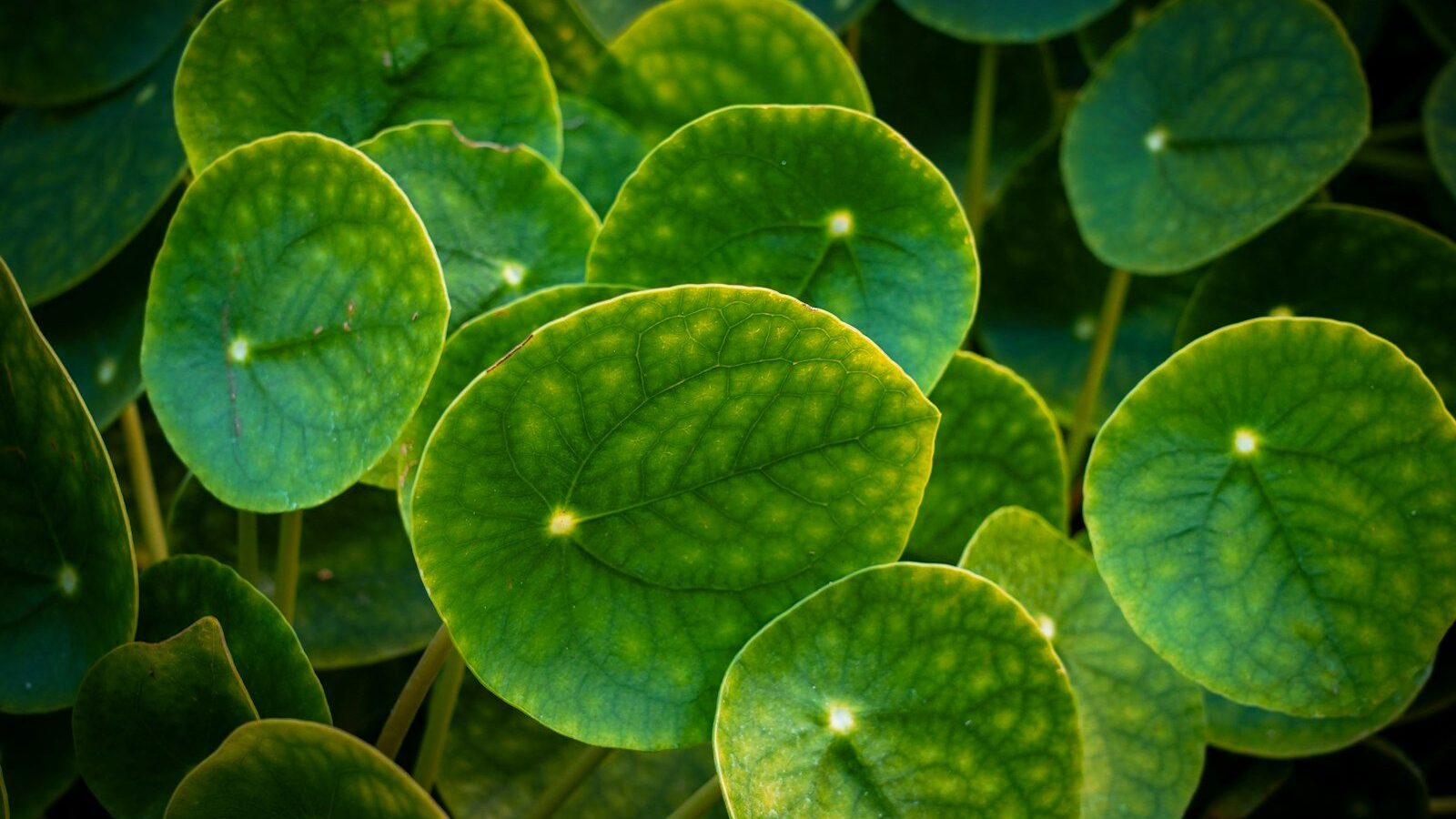
The Pilea (Pilea peperomioides), better known as the Chinese money plant, pancake plant, or UFO plant, is one of the most charming and shareable houseplants around. Its round, coin-shaped leaves on slender stalks give it a quirky, almost cartoonish look, and it has an irresistible habit of producing baby plants — “pups” — at its base and along its stem that you can pot up and give away. That generosity is part of how the plant spread person-to-person across the world before it became widely available commercially. Pileas are fast-growing and beginner-friendly, but they have a few specific preferences around light, watering, and rotation that make the difference between a lush, symmetrical plant and a leggy, lopsided one. Here’s how to keep yours thriving and multiplying.
Key Takeaways
- Pileas want bright, indirect light and should be rotated regularly so they grow symmetrically rather than leaning.
- Water when the top inch or two of soil dries out; they’re prone to root rot if kept soggy.
- Use a light, well-draining potting mix and a pot with drainage holes.
- They readily produce pups (offsets) you can separate and pot up — propagation is effortless.
- Drooping, curling, or yellowing leaves usually point to a watering or light issue that’s easy to correct.
Meet the Chinese Money Plant
Native to the foothills of the Himalayas in southwestern China’s Yunnan province, Pilea peperomioides grows in shaded, rocky, moist habitats — which tells you it likes bright but filtered light and soil that holds some moisture without staying waterlogged. Indoors it forms a single upright stem topped with a rosette of those distinctive peltate (umbrella-attached) round leaves, eventually reaching about 8 to 12 inches tall and wide. With age the lower stem can become woody and bare, giving it a small-tree look. It’s a fast grower in good conditions and famously easy to propagate, which is why it’s passed so freely among plant lovers.
Light Requirements
Pileas thrive in bright, indirect light. A spot near an east-facing window, or a few feet back from a brighter south or west window, is ideal. They can take a little gentle direct morning sun, but strong, direct afternoon sun will scorch and bleach the leaves, leaving crispy edges or pale, sunburned patches. Too little light produces a leggy plant with sparse, small leaves and long, stretched-out stems reaching for the window.
Because Pileas lean noticeably toward their light source, rotate the pot a quarter turn every week or so to keep growth even and the rosette symmetrical. This single habit is the easiest way to maintain that picture-perfect, balanced shape. In low-light homes, a small grow light supplements nicely and prevents the legginess that comes from light starvation.
Watering
Water your Pilea when the top 1 to 2 inches of soil feel dry — typically about once a week, though this varies with light, season, and pot size. Water thoroughly until it runs out the drainage holes, then discard any water in the saucer so the roots never sit in standing moisture. Like most houseplants, Pileas are far more forgiving of slightly dry soil than of constant wetness, and overwatering leading to root rot is the most common way they’re killed.
The leaves are good communicators. Drooping, soft leaves often mean the plant is thirsty and perk up within hours of watering; persistent drooping with yellowing lower leaves usually means overwatering or rot. Slightly curling or cupping leaves can indicate watering inconsistency or a light/temperature issue. Cut back on watering in winter when growth slows, and use room-temperature water to avoid shocking the roots.
Soil and Potting
Pileas need a light, well-draining potting mix. A standard quality houseplant or indoor potting soil amended with a handful of perlite for extra drainage works well; the goal is a mix that holds some moisture but never stays soggy. Always use a pot with drainage holes — this matters more than the pot material. A pot just slightly larger than the root ball is best, since an oversized pot holds excess wet soil around the roots.
Repot every one to two years in spring, or when roots begin circling the pot or poking out the drainage holes, stepping up just one size. Repotting is also the perfect moment to harvest pups (more on that below) and to refresh tired soil. If the lower stem has grown bare and woody, you can plant the stem a little deeper when repotting to cover some of the leggy section.
Temperature, Humidity, and Feeding
Average home temperatures of 60 to 75°F suit Pileas perfectly. They don’t like the cold and should be kept away from frosty windows and chilly drafts in winter, as well as away from hot, drying air from heating vents. They tolerate normal household humidity and don’t require misting, though they won’t object to a slightly more humid spot. Avoid sudden temperature swings, which can stress the plant and cause leaf drop.
Feed during the growing season (spring through early fall) with a balanced liquid houseplant fertilizer diluted to half strength, about once a month. Pileas are not heavy feeders, and over-fertilizing can burn the roots and brown the leaf edges. Skip feeding in late fall and winter when the plant rests.
Propagation: Sharing the Pups
The best part of owning a Pilea is how generously it propagates. A healthy plant produces two kinds of offsets: pups that emerge from the soil around the base (from the root system) and small plantlets that sometimes appear along the main stem.
Soil Pups
Wait until a soil pup is 2 to 3 inches tall with a few leaves of its own. Gently dig down into the soil beside it, follow its stem to where it joins the parent’s root system, and cut it free with a clean knife, keeping as many of its own roots as possible. Pot the rooted pup straight into moist, well-draining mix and keep it lightly watered in bright, indirect light while it establishes.
Stem Plantlets
Plantlets growing from the main stem can be cut off cleanly and rooted in water or directly in soil. If rooting in water, change it weekly and pot up once roots reach an inch or so. These take a little longer than soil pups but root readily. Either way, propagation is best done in spring and summer when the plant is actively growing.
Common Problems and Fixes
Leggy, Stretched Growth
A tall, sparse plant with long bare stem usually means not enough light. Move it to a brighter (but still indirect) spot and rotate it regularly. Some legginess with age is natural; you can deepen the stem at repotting or propagate the top.
Yellowing or Dropping Leaves
Yellowing lower leaves often point to overwatering or poor drainage. Check the soil moisture and roots, and let the mix dry out more between waterings. Occasional loss of the oldest bottom leaves is normal as the plant grows upward.
Curling or White Spots
Cupped or curling leaves can stem from inconsistent watering, too much light, or temperature stress — aim for steady conditions. Harmless white, salt-like specks on the undersides are normal mineral deposits the plant excretes. Watch for fungus gnats in chronically wet soil and the occasional spider mite or aphid; treat with insecticidal soap and let the soil dry to deter gnats.
Pilea in Your Indoor Collection
With its tidy size and cheerful round leaves, the Pilea is a perfect desk, shelf, or windowsill plant, and its endless supply of pups makes it the houseplant you’ll be gifting to friends for years. It pairs well with other bright-light foliage plants of similar care needs. If you’re expanding your indoor garden, our guide to the easygoing Hoya (wax plant) covers another beginner-friendly, propagation-happy companion, and the dramatic, colorful croton adds bold contrast in a bright spot. For more houseplant and foliage care, browse the Plants & Flowers hub.
Frequently Asked Questions
Why is my Pilea leggy and tall?
Legginess almost always means not enough light. The plant stretches toward the light source, producing a long bare stem and sparse leaves. Move it to a brighter spot with bright, indirect light and rotate the pot weekly for even, compact growth.
How often should I water a Chinese money plant?
Water when the top 1 to 2 inches of soil feel dry — often about once a week, depending on light and season. Soak thoroughly, then empty the saucer. Pileas are far more sensitive to overwatering and root rot than to occasional dryness.
How do I propagate Pilea pups?
Wait until a soil pup is 2 to 3 inches tall, then dig down beside it, follow its stem to the parent’s roots, and cut it free with as many roots as possible. Pot it in moist, well-draining mix in bright, indirect light. Stem plantlets can be rooted in water or soil.
Why are my Pilea’s leaves curling or cupping?
Curling or cupping usually reflects inconsistent watering, too much direct light, or temperature stress. Aim for steady moisture, bright but indirect light, and stable temperatures away from drafts and heat sources. Minor cupping in healthy plants can also be normal.
Is the Chinese money plant toxic to pets?
No. Pilea peperomioides is considered non-toxic and safe for cats and dogs, making it a great pet-friendly houseplant. As always, discourage pets from chewing on it, since any plant material can cause mild stomach upset if eaten in quantity.