

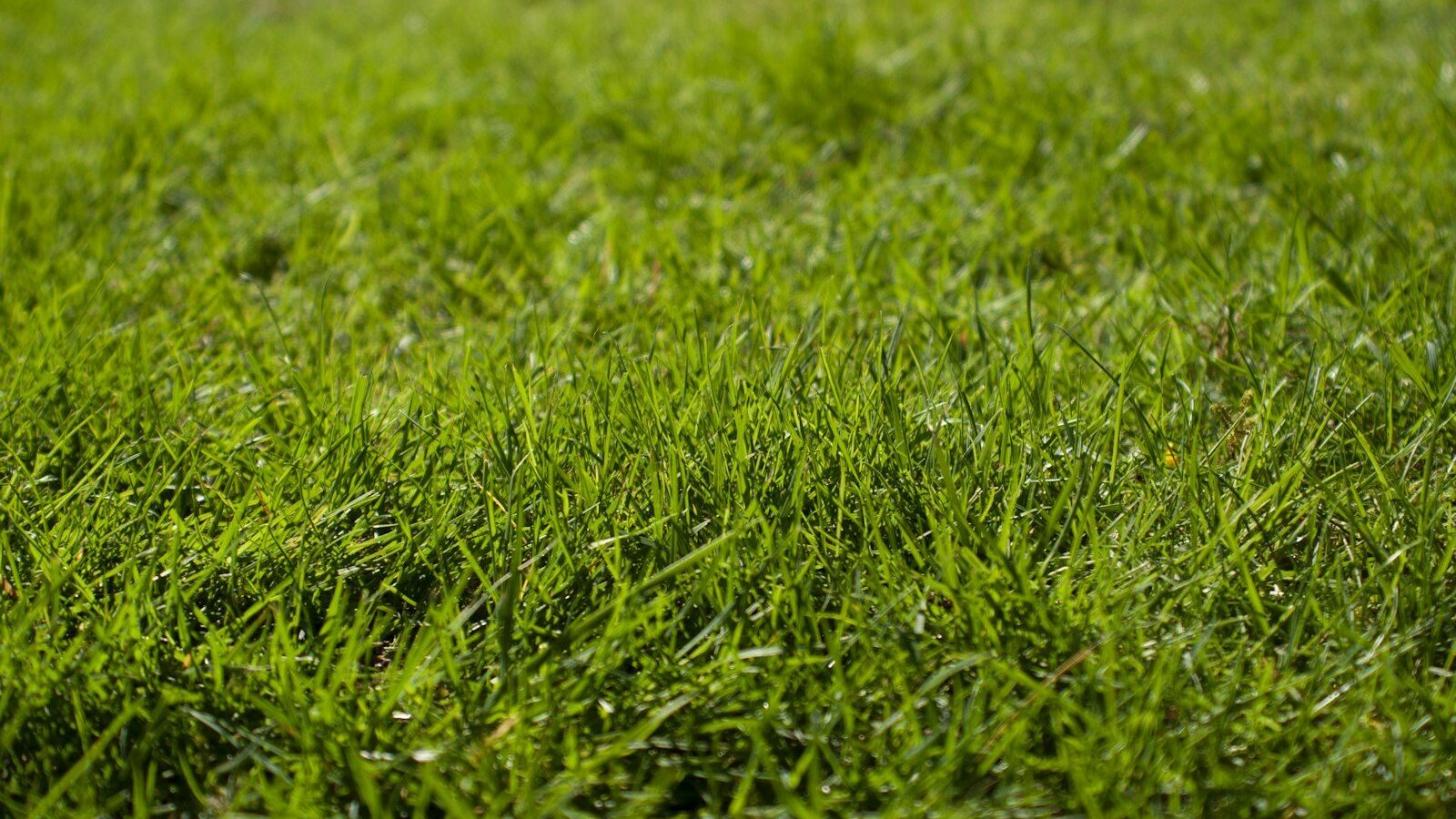
Centipede grass earned its nickname — “the lazy man’s grass” — honestly. It is a slow-growing, low-input warm-season turf that thrives on acidic, sandy soils where most other lawn grasses sulk. If you live across the Southeast, from the Carolinas down through Georgia, Alabama, Mississippi, and into the Gulf Coast, centipede gives you a tidy apple-green lawn with a fraction of the mowing and feeding a Bermuda or zoysia lawn demands. The catch is that centipede has firm opinions: feed it too much, raise the soil pH too high, or scalp it short, and it declines fast. Get the handful of things it cares about right, and it more or less takes care of itself for years. This guide walks through climate, mowing, watering, fertilizing, the problems that actually kill centipede lawns, and how to fix thin patches.
Key Takeaways
- Zones: USDA 7–9, best in the Southeast on acidic, sandy soils (pH 5.0–6.0).
- Mowing height: 1 to 1.5 inches with a sharp blade; never scalp.
- Water: about 1 inch per week total, deep and infrequent; centipede shows drought stress early.
- Fertilizer: very light — 1 to 2 pounds of nitrogen per 1,000 sq ft per YEAR. Overfeeding is the #1 killer.
- Big risks: “centipede decline,” iron chlorosis from high pH, and thatch buildup.
- Establishment: seed in late spring/early summer when soil is 70°F+, or plug/sod for faster cover.
Where Centipede Grass Grows Best
Centipede grass (Eremochloa ophiuroides) is a warm-season grass adapted to the lower South. It performs well in USDA hardiness zones 7 through 9, roughly from coastal Virginia and the Carolinas across to east Texas. Its sweet spot is the humid Southeast, where mild winters, long warm summers, and naturally acidic sandy soils suit it perfectly. It tolerates moderate shade better than Bermuda — about 4 to 5 hours of direct sun will keep it reasonably dense — but it is not a true shade grass and will thin under heavy tree canopy.
The two things that limit centipede are cold and soil chemistry. North of zone 7 it routinely winter-kills, because hard freezes damage its shallow stolons and it lacks deep cold tolerance. And it genuinely prefers acidic ground: a soil pH between 5.0 and 6.0 is ideal. On soils above pH 6.5 — common where lime has been applied or where the underlying material is calcareous — centipede struggles to take up iron and develops a yellow, sickly cast. Before you plant, get a soil test from your county extension office. It costs a few dollars and tells you exactly where your pH sits and whether you need to add elemental sulfur to bring it down.
Unlike aggressive spreaders, centipede creeps by stolons (above-ground runners) at a leisurely pace. That slow growth is the feature, not a bug: it means less mowing and a lawn that rarely invades flower beds. It also means centipede is slow to recover from damage, so prevention beats repair.
Mowing Height and Frequency
Mow centipede at 1 to 1.5 inches. This is lower than you might mow a tall fescue lawn but higher than putting-green Bermuda. Maintaining roughly 1 inch keeps the lawn dense and discourages weeds; letting it climb above 2 inches encourages thatch and a stemmy, open look. The single most damaging mowing mistake with centipede is scalping — cutting so low you expose the runners and crowns. Scalped centipede browns out and is slow to green back up, and the bare spots it leaves are prime real estate for weeds.
Follow the one-third rule: never remove more than a third of the leaf blade in a single mowing. At a 1.5-inch target you would mow when the grass reaches about 2.25 inches. During the active growing months — late spring through early fall — that usually means mowing every 7 to 10 days, though centipede’s slow growth often lets you stretch it longer than a Bermuda lawn would. Keep your mower blade sharp; centipede’s wiry blades shred under a dull blade, leaving frayed brown tips that invite disease. A reel mower gives the cleanest cut, but a well-maintained rotary mower is fine. Return clippings to the lawn (mulching) when you mow regularly — they break down quickly and recycle nitrogen, which suits centipede’s low feeding needs perfectly.
Watering Centipede Grass
Centipede needs about 1 inch of water per week, including rainfall, during the growing season. Water deeply and infrequently rather than a little every day: one good soaking of about 1 inch, or two soakings of half an inch, encourages deeper rooting and a more drought-resilient lawn. Frequent shallow watering keeps roots near the surface and makes the lawn dependent on you.
Centipede is one of the more honest grasses about drought stress — it tells you early. The first sign is a blue-gray cast and footprints that linger after you walk across it (the blades don’t spring back). When you see that, it is time to water. Apply early in the morning, between 4 and 9 a.m., so blades dry before evening; watering in the evening leaves foliage wet overnight and invites fungal disease. To measure an inch, set a few tuna cans or rain gauges around the sprinkler zone and time how long it takes to fill them, then water for that duration. In the heat of a Gulf Coast summer on sandy soil you may need to water more often because sand drains fast; on heavier soils, less. Centipede will go semi-dormant and brown under prolonged drought but usually recovers when rains return — though recovery, like everything with centipede, is slow.
Fertilizing Schedule
This is where most centipede lawns are loved to death. Centipede is a low-nitrogen grass: it needs only 1 to 2 pounds of actual nitrogen per 1,000 square feet per YEAR — a fraction of what Bermuda wants. Overfeeding pushes lush top growth, builds thatch, and is the leading cause of “centipede decline,” the dieback syndrome described below. When in doubt, feed less.
A simple annual program
- Spring (after full green-up): Wait until the lawn is completely green, usually mid-to-late April or May depending on your latitude. Apply about 0.5 lb of nitrogen per 1,000 sq ft. Feeding too early, while the grass is still partly dormant, can damage it.
- Early summer: A second light application of 0.5 lb nitrogen per 1,000 sq ft if the lawn looks pale or thin. Skip it if the lawn is already vigorous and green.
- Late summer / early fall: Apply potassium (potash) rather than nitrogen — a product like 5-10-30 or a winterizer high in K. Potassium improves cold hardiness heading into winter. Do NOT apply nitrogen this late; it pushes tender growth that winter-kills.
Use a fertilizer formulated for centipede or one with low nitrogen and a meaningful potassium component, such as 15-0-15. Because centipede craves iron but rejects high pH, the yellow-green color many owners try to “fix” with extra nitrogen is often iron chlorosis, not a nitrogen deficiency. The right fix is a chelated iron supplement (foliar iron) or, longer term, lowering soil pH with sulfur — not more nitrogen. A summer application of iron will green up the lawn within a few days without the dangerous growth surge that nitrogen causes.
Common Problems and How to Fix Them
Centipede decline
The signature centipede problem. Patches green up in spring, then die out in late spring or summer, often in the same spots year after year. It is not a single disease but a syndrome caused by stress: excess nitrogen, thatch buildup, high soil pH, and mowing too high all contribute. The fix is to stop overfeeding, dethatch if the thatch layer exceeds half an inch, correct soil pH down toward 5.5, and supplement iron rather than nitrogen. Prevention is far easier than cure because recovery is slow.
Iron chlorosis (yellowing)
Uniform yellowing, especially on alkaline soils or after lime application, is almost always iron deficiency rather than nitrogen hunger. Apply chelated iron and stop liming. Re-test soil pH and add elemental sulfur if it has crept above 6.5.
Thatch
Because centipede creeps by stolons, it can build a spongy thatch layer, especially if overfed or mowed high. A layer thicker than half an inch holds moisture, harbors disease, and weakens the lawn. Dethatch with a vertical mower (verticutter) in late spring when the grass is actively growing, never in dormancy.
Ground pearls and nematodes
Ground pearls (scale insects on the roots) cause irregular dead patches and are notoriously hard to control — good fertility and watering to keep the lawn vigorous is the main defense. Nematodes also plague sandy Southern soils; a soil assay through extension confirms them. Keep the lawn healthy and avoid drought stress to limit their impact.
Weeds
A dense, properly mowed centipede lawn shades out most weeds. Apply a pre-emergent herbicide in late winter (before soil temps hit 55°F) to stop crabgrass and goosegrass. Be cautious with post-emergent products: centipede is sensitive to many broadleaf herbicides, especially in heat. Read labels for centipede tolerance and avoid spraying above 85°F.
Establishing and Overseeding Centipede
You can start centipede from seed, plugs, or sod. Seed is the cheapest but slowest route. Sow in late spring to early summer once soil temperatures are reliably 70°F or warmer — centipede seed is tiny and germinates slowly, often taking two to four weeks, and a young stand may not fully knit until its second season. Sow at about 0.25 to 0.5 lb of seed per 1,000 sq ft (it is fine seed, so mix it with sand or a carrier for even spread), barely cover it, and keep the surface consistently moist until germination. Plugs and sod give an instant lawn and are the better choice if you need cover fast or are establishing on a slope prone to erosion.
Centipede does not “overseed” the way cool-season lawns do — you don’t oversow it with ryegrass for winter color the way you might Bermuda, because the dense ryegrass competes with centipede’s slow spring green-up and can weaken it. To thicken thin or bare areas, the better approach is to repair: lightly rake the bare spot, sow centipede seed or set in plugs spaced 6 to 12 inches apart in late spring, keep it moist, and let the stolons fill in over the season. Because centipede spreads slowly, patience is required — but a healthy lawn that is mowed low, fed lightly, and kept acidic will gradually close its own gaps. For broader lawn-renovation timing and technique, see our guide on how to divide perennials for the same dormant-vs-active-growth principles, and browse the Outdoor Living hub for companion lawn and landscaping guides. If your centipede lawn borders planting beds, our Plants & Flowers guides can help you choose acid-tolerant companions.
Frequently Asked Questions
Why is my centipede grass turning yellow?
Most often it is iron chlorosis from soil that is too alkaline, not a nitrogen shortage. Test your pH; if it is above 6.5, apply elemental sulfur over time and use a chelated iron supplement for a quick green-up. Adding more nitrogen usually makes the problem worse.
How short should I cut centipede grass?
Mow at 1 to 1.5 inches with a sharp blade. Never scalp it — exposing the runners browns the lawn and invites weeds. Follow the one-third rule and mow every 7 to 10 days during active growth.
How often should I fertilize centipede?
Very lightly — only 1 to 2 pounds of nitrogen per 1,000 square feet per year, split into one or two spring/early-summer feedings, plus a potassium application in late summer for winter hardiness. Overfeeding is the leading cause of centipede decline.
Can I overseed centipede with ryegrass for winter?
It is not recommended. Winter ryegrass competes with centipede’s slow spring green-up and can weaken the stand. Centipede goes naturally tan in dormancy; accept the color or use a turf colorant rather than overseeding.
How long does centipede grass take to grow from seed?
Seed germinates in two to four weeks when soil is 70°F or warmer, but a full, knitted lawn often takes a season or two. Plugs or sod give faster, more reliable coverage if you can’t wait.