

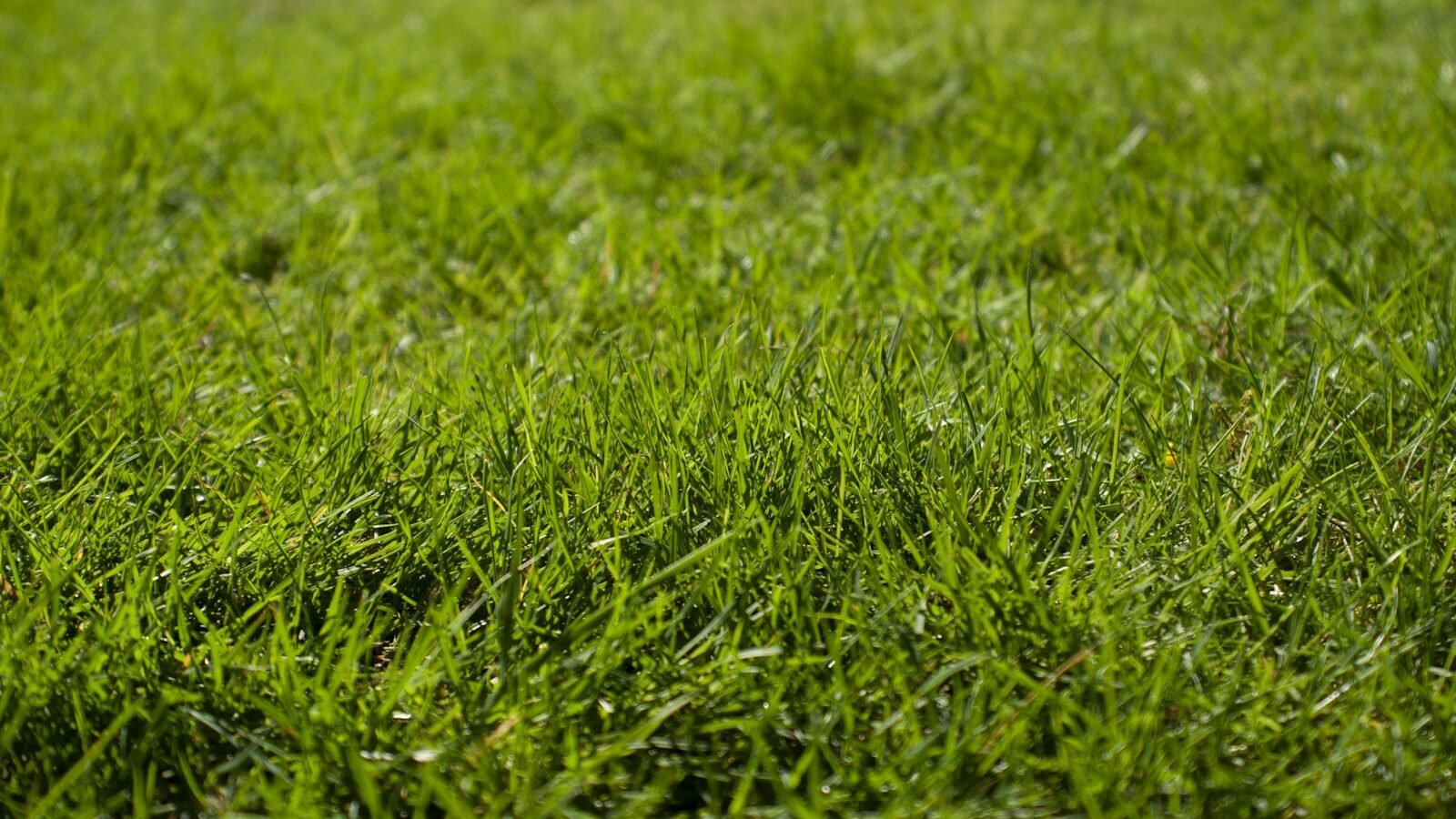
For most Southern lawns, centipede grass is the better choice and carpetgrass is the specialist for problem sites. Both are warm-season, low-maintenance grasses suited to the humid Southeast, both thrive in acidic, low-fertility soil where pickier grasses struggle, and both spread by above-ground stolons. The dividing line is the site and the look you want. Centipede grass forms a denser, finer, more attractive turf and makes a genuinely good general-purpose lawn, which is why it earned the nickname the lazy man’s grass for its minimal mowing and fertilizing needs. Carpetgrass is coarser and produces a constant flush of tall, ugly seed stalks that demand frequent mowing, but it tolerates wet, poorly drained, and shady ground far better than centipede can. The honest summary: plant centipede for a tidy, low-effort lawn on reasonably drained soil, and reserve carpetgrass for chronically wet or shaded spots where little else will hold. Below is how they differ across climate, soil, maintenance, and appearance, and which to choose for each situation.
Key Takeaways
- Both are warm-season grasses for the humid Southeast that tolerate acidic, low-fertility soil and need little fertilizer.
- Centipede grass makes a denser, finer, better-looking general-purpose lawn and is famously low-maintenance, the lazy man’s grass.
- Carpetgrass tolerates wet, poorly drained, and shaded soil better than centipede, but it is coarse and throws constant seed stalks that demand frequent mowing.
- Centipede handles foot traffic and recovers a bit better; both have only modest wear tolerance and neither suits heavy traffic or cold-winter regions.
- Choose centipede for a tidy low-effort lawn on decent soil; choose carpetgrass for chronically wet or shady problem areas where centipede fails.
| Factor | Centipede Grass | Carpetgrass |
|---|---|---|
| Climate | Warm-season; lower/coastal South, USDA 7b to 10 | Warm-season; humid Gulf South, USDA 8 to 10 |
| Texture / look | Fine to medium, dense, apple-green, tidy | Coarse, broad-bladed, less refined |
| Soil preference | Acidic, sandy, low fertility; needs decent drainage | Acidic, low fertility; tolerates wet, poor drainage |
| Shade tolerance | Moderate | Better; one of its main advantages |
| Wet-soil tolerance | Poor; dislikes soggy ground | Excellent; thrives where soil stays moist |
| Mowing | Low; roughly 1 to 2 inches, infrequent | Frequent; constant tall seed stalks to cut |
| Fertilizer needs | Very low; over-feeding causes decline | Very low |
| Best for | General low-maintenance Southern lawns | Wet, shady, low-traffic problem areas |
Centipede Grass: The Low-Maintenance Lawn Standard
Centipede grass earned its lazy man’s grass reputation honestly. It grows slowly, stays low, and asks for very little, which is exactly what most Southern homeowners want from a lawn. It forms a dense, medium-to-fine textured turf with a distinctive light apple-green color, spreading by stolons that creep along the surface and root at the nodes. Because it grows slowly, it needs mowing far less often than fast grasses, typically held at one to two inches, and it crowds out many weeds once established. It is genuinely adapted to the lower South and coastal plain, roughly USDA zones 7b through 10, where summers are long and hot and winters are mild enough to avoid serious cold damage.
Centipede’s signature trait is its preference for acidic, sandy, low-fertility soil, the kind common across the Southeast that frustrates many other grasses. It actually performs best with minimal fertilizer; over-feeding it, especially with too much nitrogen, triggers a well-known disorder called centipede decline, where the lawn greens up lush, then thins and dies out in patches. The rule with centipede is to feed lightly or not at all and resist the urge to push it. It also prefers a low soil pH, around 5.0 to 6.0, and can develop iron chlorosis (yellowing) in alkaline soil, correctable with iron rather than nitrogen. For the broader picture of matching a grass to your conditions and feeding it correctly, our overview of choosing and caring for a Southern lawn covers fertilizing schedules and pH management.
Where centipede struggles
Centipede has clear limits. It dislikes wet feet and will thin out in soggy, poorly drained ground, so a chronically damp low spot is the wrong place for it. Its shade tolerance is only moderate, better than Bermuda but not enough for deep shade under dense trees. Its wear tolerance is modest and it recovers slowly from damage because it grows so slowly, so it is a poor fit for high-traffic play areas or sports use. And it is sensitive to cold, suffering winterkill in harder freezes, which keeps it out of the upper South and transition zone. Where any of those limits bite, especially wet or shaded ground, carpetgrass becomes the more sensible choice.
Carpetgrass: The Wet and Shady Specialist
Carpetgrass is the grass you plant when the site, not the appearance, drives the decision. Its standout quality is tolerance of wet, poorly drained, and even periodically flooded soil, conditions that kill or thin most lawn grasses including centipede. In the low-lying, high-water-table ground common along the Gulf Coast and in the humid Deep South, carpetgrass holds where other grasses fail. It also handles shade better than centipede, making it useful under trees and on the moist, dappled edges of woodland. Like centipede, it thrives on acidic, infertile soil and needs almost no fertilizer, and it spreads by stolons to form a creeping, mat-like cover, which is where its name comes from.
The price of that toughness is appearance and upkeep. Carpetgrass has coarse, broad blades that look noticeably less refined than centipede’s tidy turf. Its defining nuisance is seedhead production: through the warm season it throws up a relentless flush of tall, slender seed stalks that shoot well above the leaf canopy within days of mowing, giving a neglected, weedy look and forcing you to mow often just to keep them down. That heavy mowing demand undercuts the low-maintenance promise that otherwise defines these grasses, which is why carpetgrass is best reserved for utility areas and problem sites rather than a showcase front lawn. Its cold tolerance is also limited, confining it to the warmest zones, roughly USDA 8 through 10.
Managing the seed stalks
If you do plant carpetgrass, plan around the seedheads. Mowing every five to seven days during peak growth keeps the stalks from dominating, and some gardeners simply accept a rougher look in back lots and drainage areas where appearance does not matter. Carpetgrass establishes readily from seed, which is cheaper than the sod or plugs centipede often requires, another reason it shows up in large, low-priority utility plantings. It also tolerates close mowing better than its appearance suggests, though no mowing regime eliminates the stalks entirely. For genuinely shaded sites, it is worth confirming the spot really suits a turfgrass at all; our notes on landscaping shady and difficult areas cover groundcover alternatives where even carpetgrass would thin out.
How They Compare on the Decisions That Matter
On appearance, centipede wins clearly: its dense, fine, apple-green turf looks like a proper lawn, while carpetgrass is coarse and perpetually studded with seed stalks. On true low maintenance, centipede also wins, because although both need little fertilizer, carpetgrass’s constant mowing requirement to control seedheads makes it more work overall despite the shared reputation for being undemanding. On soil and site, the two split: both love acidic, infertile ground, but centipede needs reasonable drainage and only moderate shade, while carpetgrass shrugs off wet, soggy, and shaded conditions that would thin centipede out. That is the central trade-off, looks and ease versus site tolerance.
On climate, both are warm-season grasses confined to the South with limited cold tolerance, though centipede extends a little further north into zone 7b while carpetgrass is happiest in the warmest, most humid zones 8 through 10. On wear and recovery, centipede has a slight edge but neither is a traffic-tough grass; for a heavily used play lawn in the Deep South, a tougher grass like Bermuda or zoysia would serve better than either. On establishment cost, carpetgrass seeds cheaply and easily, while centipede is often started from sod, plugs, or pricier seed and establishes slowly. In short, the grasses overlap in their easygoing soil needs but diverge sharply on appearance, mowing burden, and tolerance of wet and shade.
The Verdict
Centipede is the default for a tidy, low-effort Southern lawn; carpetgrass is the specialist you call in when the site is too wet or shaded for centipede to hold. Match the grass to the conditions and you avoid the frustration of fighting a lawn that was never suited to the spot.
Scenario: A general front or back lawn on decent, well-drained Southern soil. Plant centipede grass. It gives you a dense, attractive, apple-green turf with minimal mowing and fertilizing, the best balance of looks and low effort.
Scenario: A chronically wet, soggy, or poorly drained area. Plant carpetgrass. It thrives in the moist, high-water-table ground that thins centipede out, holding a usable green cover where centipede would fail.
Scenario: A shaded spot under trees or along woodland edges. Plant carpetgrass, which tolerates shade better than centipede. In very deep shade, consider a groundcover instead, since neither grass thrives without some light.
Scenario: You want the least possible upkeep and a presentable lawn. Plant centipede grass. Despite carpetgrass’s easygoing reputation, its relentless seed stalks demand frequent mowing, so centipede is the genuinely lower-maintenance choice on a suitable site.
Scenario: A large, low-priority utility area where cost matters and looks don’t. Plant carpetgrass. It seeds cheaply and easily, establishes fast, and tolerates rough, wet conditions, making it economical to cover big back lots and drainage zones.
Frequently Asked Questions
Which grass is more attractive, carpetgrass or centipede?
Centipede grass, clearly. It forms a dense, fine-to-medium textured, apple-green turf that looks like a proper lawn. Carpetgrass is coarse and broad-bladed and constantly throws up tall seed stalks, giving it a weedier, less refined appearance even when well maintained.
Can centipede grass grow in wet soil?
Not well. Centipede dislikes wet feet and thins out in soggy, poorly drained ground. For a chronically wet or low-lying area, carpetgrass is the better choice because it tolerates moist, poorly drained, even periodically flooded soil that would cause centipede to decline.
Why does carpetgrass need so much mowing if it’s low-maintenance?
Because it produces a relentless flush of tall seed stalks through the warm season. The leaf canopy itself is low and undemanding, but the stalks shoot up within days of mowing, so you must mow every five to seven days during peak growth just to keep them down, which offsets the low fertilizer needs.
Should I fertilize centipede grass heavily for a greener lawn?
No. Over-feeding centipede, especially with excess nitrogen, causes centipede decline, where the lawn greens up lush then thins and dies in patches. Feed it lightly or not at all. If it yellows in alkaline soil, the cause is usually iron chlorosis, corrected with iron rather than more nitrogen.
Are carpetgrass and centipede grass good for high-traffic lawns?
Neither is ideal for heavy traffic. Both have only modest wear tolerance, and centipede recovers slowly because it grows slowly. For a play area or sports lawn in the Deep South, a tougher warm-season grass such as Bermuda or zoysia stands up to traffic far better than either of these.