

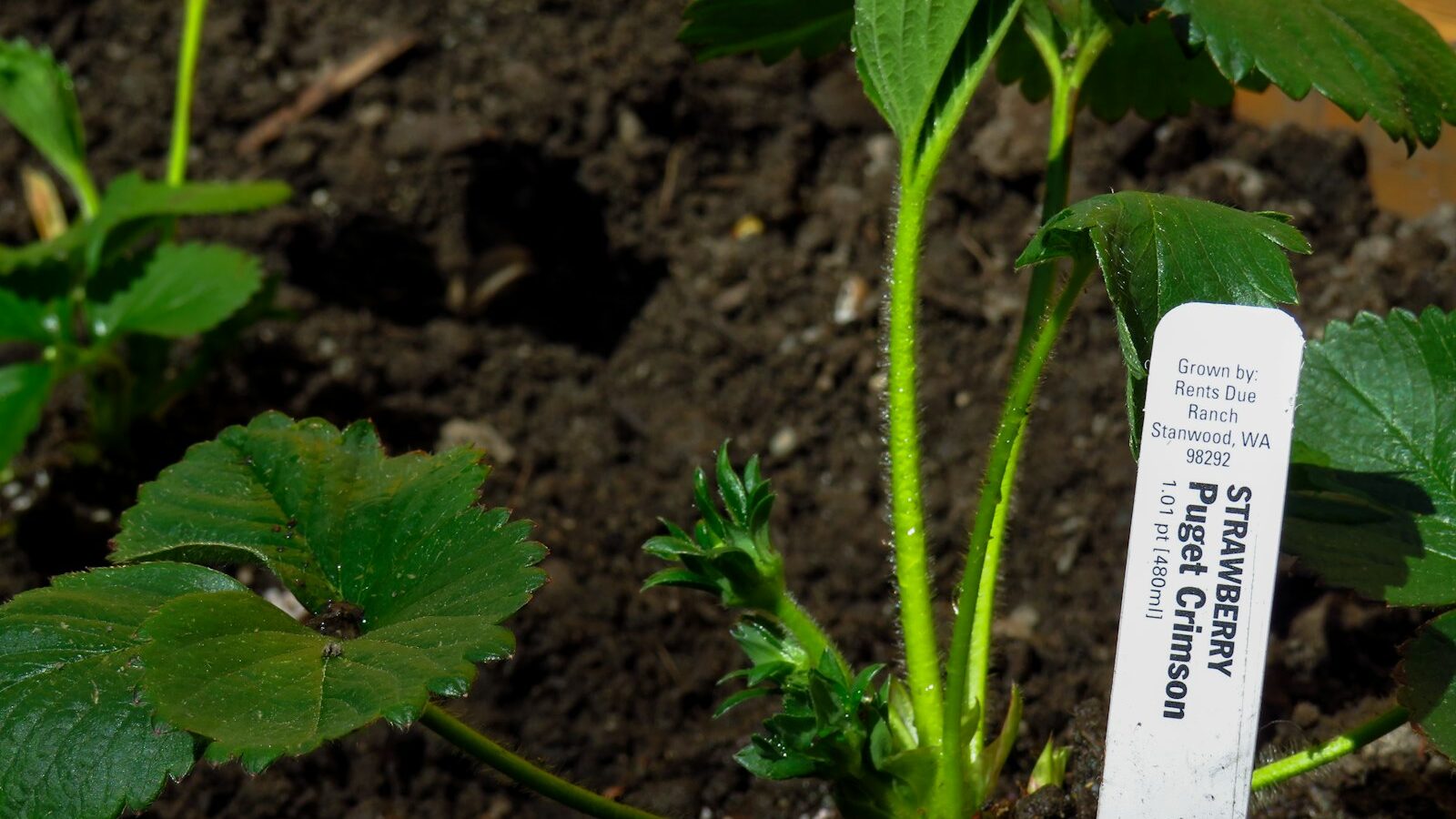
Nothing is more frustrating than a tray of seedlings that all look identical in May, or a perennial bed where you can’t remember which clump is the late aster and which is the weed you keep meaning to pull. A good plant label solves that, but most cheap markers fail in one of two ways: the writing fades to a blank white blade by midsummer, or the material itself goes brittle and snaps. The right label survives UV, frost, and irrigation while staying readable for as long as you need it — a single season for annual veg, or many years for a labeled shrub border. I’ve left markers out through full Midwest summers and freeze-thaw winters to see what actually lasts, and below are seven plant label systems worth buying in 2026, from disposable plastic T-markers to engravable copper that outlives the plant.
As an Amazon Associate we earn from qualifying purchases. This page contains affiliate links at no extra cost to you.
Key Takeaways
- The label is only half the system — the marker you write with decides whether it’s still readable in August. A china/grease pencil or paint pen beats a regular permanent marker outdoors.
- For seasonal veg and seed-starting, cheap plastic T-markers or write-on stakes are fine and reusable for years.
- For permanent shrub, tree, and perennial labels, choose copper, zinc, or slate that won’t fade or rot.
- Hanging tags need a soft, expandable tie or loose loop so they don’t girdle a growing stem or branch.
- Always write before you plant, and keep a garden map as backup — every label eventually gets stepped on, mowed, or lost.
| Product | Best For | Key Spec |
|---|---|---|
| Mr. Pen Plastic T-Markers | Seed-starting & veg rows | 4 in white plastic, write-on |
| HOMENOTE Wood Plant Labels | Rustic herb & indoor pots | 4 in bamboo, biodegradable |
| KINGLAKE Copper Plant Tags | Permanent engravable labels | Embossable copper + tie wire |
| Whitefurze Zinc Hanging Labels | Shrubs & fruit trees | Zinc plate, pencil-writable |
| Slate Plant Markers w/ Chalk Pen | Decorative herb gardens | Natural slate + white chalk pen |
| Garden Marker Pen (oil-based) | UV-proof writing | Oil-based paint marker, fine tip |
| Esschert Design Steel T-Labels | Long-lasting bed labels | Powder-coated steel, reusable |
1. Mr. Pen Plastic T-Markers — Best for Seed-Starting
For labeling seed trays, veg rows, and nursery pots, you can’t beat a big bag of white plastic T-markers. The 4-inch size pushes easily into seed-starting mix without tipping, and the wide flat head gives you room to write a full variety name plus a sow date. They’re cheap enough to treat as semi-disposable, yet sturdy enough to scrub clean and reuse for several seasons.
The one catch is the writing tool: a standard permanent marker fades under UV within a couple of months and a pencil rubs off, so write with a china/grease pencil or an oil-based paint pen and these stay legible all season. Out in a full-sun bed the plastic will eventually grow brittle after a year or two of UV, but for indoor and greenhouse seed-starting that’s rarely an issue. For the price per marker, this is the workhorse label every gardener should keep on hand.
Pros
- Very cheap per marker; big quantity per bag
- Wide head fits a full variety name and date
- Scrub clean and reuse for several seasons
Cons
- Plastic turns brittle after a year or two of full sun
- Ordinary markers fade — needs a paint pen or grease pencil
2. HOMENOTE Bamboo Plant Labels — Best Biodegradable Option
If you want a natural, compostable label for indoor herbs, windowsill pots, or short-season seedlings, flat bamboo markers look far better than white plastic and break down when you’re done. The smooth pale surface takes pencil and ink beautifully, and a 4-inch bamboo paddle has a clean, rustic look that suits a kitchen herb garden or a gift planter.
Be clear-eyed about lifespan, though: bamboo is wood, and wood outdoors in wet soil starts to gray, swell, and rot within a season. That’s a feature for a one-and-done annual herb pot and a drawback for anything you want labeled long-term. Seal the writing surface with a coat of clear varnish if you want a bit more life, and reach for pencil over ink so the text doesn’t bleed as the wood absorbs moisture.
Pros
- Compostable and plastic-free
- Attractive natural look for herbs and gift pots
- Smooth surface takes pencil and ink well
Cons
- Rots and grays within a season in wet soil
- Ink can bleed as the wood absorbs moisture
3. KINGLAKE Copper Plant Tags — Best Permanent Label
For labels that outlive the plant, engravable copper is the gold standard. You write on these KINGLAKE tags by pressing firmly with a dried-out ballpoint or stylus, embossing the name into the soft metal so it can never fade — the letters are physically debossed, not printed. Copper weathers to a handsome patina over a few years and shrugs off UV, frost, and irrigation entirely.
They come with thin copper tie wire for hanging on a branch or looping to a stake. The two things to watch: embossing takes a firm hand and a hard surface beneath the tag, and when you hang one on a young branch, leave the loop loose so it doesn’t girdle the stem as it thickens. For labeling a fruit tree collection, a rose bed, or specimen shrubs you want named for decades, nothing else lasts like copper.
Pros
- Embossed text never fades or washes off
- Weatherproof for many years; ages to a nice patina
- Includes copper tie wire for hanging
Cons
- Embossing takes a firm hand and a hard backing
- Tie wire can girdle a branch if looped too tight
4. Whitefurze Zinc Hanging Labels — Best for Shrubs & Fruit Trees
Zinc hanging labels are the traditional botanic-garden choice, and for good reason. The slightly soft zinc plate takes ordinary pencil and — counterintuitively — the graphite stays legible outdoors for years because it sits in the matte metal surface rather than on a slick coating. Hang one from a branch or a shepherd’s hook and it rides the weather without fading the way a printed plastic tag does.
The plates are thin enough to bend or crease if you’re rough with them, and the included wire is the usual girdling risk on a growing branch — hang loose, check yearly, and re-loop as the limb thickens. Zinc will dull and spot over time but won’t rot or shatter. For labeling a young orchard, a shrub border, or a perennial collection you revisit each spring, these strike a great balance between permanence and cost.
Pros
- Plain pencil stays readable for years on the matte zinc
- Weatherproof — won’t rot or shatter
- Classic look for orchards and shrub beds
Cons
- Thin plate creases if handled roughly
- Hanging wire can girdle a branch if not loosened
5. Slate Plant Markers with Chalk Pen — Best Decorative Marker
When the label is part of the garden’s look — a tidy herb spiral, a raised kitchen bed, a potager you photograph — natural slate markers paired with a white liquid chalk pen are hard to beat. The dark stone reads beautifully against green foliage, the chalk pen writes crisp and bright, and unlike real chalk the liquid-ink kind resists rain reasonably well while still wiping off with a damp cloth so you can rewrite each season.
Slate is stone, so it’s heavy and can crack if dropped on a hard path or knocked by a mower. And “rain-resistant” isn’t “rainproof” — a hard storm or sprinkler hit will gradually lift the chalk, so plan to touch up the lettering once or twice a season. For looks and reusability in a display garden, though, slate is the most charming option here.
Pros
- Handsome dark stone reads well against foliage
- Wipe clean and rewrite each season
- Liquid chalk is crisp and fairly rain-resistant
Cons
- Heavy stone can crack if dropped or mowed
- Chalk needs touching up after hard rain
6. Oil-Based Garden Marker Pen — Best Writing Tool
The most overlooked piece of any labeling system is the pen, and an oil-based paint marker is the single biggest upgrade you can make. Regular permanent markers are dye-based and fade to nothing under a few months of UV; an oil-based paint pen lays down opaque pigment that survives a full season outdoors and writes on plastic, metal, wood, and stone alike. One fine-tip pen labels hundreds of markers and instantly makes your cheap plastic tags last as long as the plastic does.
You have to prime the pen by shaking and pressing the tip to start the flow, and let the paint dry a minute before it smudge-proofs. The flip side of that durability is that it doesn’t wipe off — so it’s permanent on reusable markers unless you scrub with a solvent. For write-on plastic, zinc, and copper, this is the pen I keep clipped to the seed box.
Pros
- Opaque pigment survives a full season of UV
- Writes on plastic, metal, wood, and stone
- One pen labels hundreds of markers
Cons
- Needs priming and a minute to dry
- Doesn’t wipe off — permanent on reusable tags
7. Esschert Design Steel T-Labels — Best Reusable Bed Label
For a label that splits the difference between disposable plastic and engraved copper, powder-coated steel T-labels are a smart middle ground. The steel blade won’t go brittle in UV the way plastic does, the powder coat resists rust for years, and the T-shape stands tall and visible at the head of a row or bed. Write on the coated face with a paint pen and wipe-and-rewrite isn’t an option, but the marker itself will be there season after season.
They cost more per marker than plastic and the powder coat can chip if you knock or scrape them, exposing the steel to rust at the wound. But for a permanent raised-bed layout where you rotate crops and want sturdy, good-looking row markers that survive the mower and the winter, these earn their place. Pair them with the oil-based pen above and you’ve got a label that lasts as long as the bed.
Pros
- Steel won’t go brittle in sun like plastic
- Powder coat resists rust for years
- Tall T-shape stays visible in the bed
Cons
- Costs more per marker than plastic
- Coat chips can rust at the scrape
How to Choose Plant Labels & Markers
Pick the lifespan you actually need. A label for spring seedlings or annual veg only has to last a few months, so cheap plastic or bamboo is fine. A label for a fruit tree, shrub, or perennial collection needs to survive years of UV and frost, which means copper, zinc, or coated steel. Don’t pay for permanence you won’t use, and don’t waste a bamboo paddle on a tree you want named in 2035.
The marker matters more than the label. The most common labeling failure isn’t the tag — it’s blank white plastic in August because someone used a dye-based Sharpie. Use an oil-based paint pen, a china/grease pencil, or plain graphite pencil on matte metal. Engraving or embossing into copper and zinc sidesteps fading entirely. Whatever you choose, test it on a scrap in the sun before you label a whole tray.
Watch the attachment on anything that grows. Hanging tags on branches and stems must use a loose loop or a soft, expandable tie. A wire cinched tight around a young branch girdles it as the wood thickens, just as it does with tree ties — check our roundup of the best tree stakes and ties for how to avoid girdling. Loop loose, inspect yearly, and re-hang as the plant grows.
Think about visibility and stability. Tall T-markers stand above mulch and foliage at the head of a row; short stakes disappear into a dense bed. A wide head holds a full botanical name and a date; a narrow blade forces abbreviations you won’t remember. Heavier metal and stone markers stay put in wind; light plastic blows over in an empty seed tray.
Keep a backup map. Every label eventually gets stepped on, mowed, frost-heaved, or carried off by a curious dog. Sketch a quick garden map or snap a phone photo of each labeled bed at planting time so a lost marker doesn’t mean a lost variety. For more season-long organizing gear, browse the full Tools & Gear hub.
Frequently Asked Questions
Why does the writing on my plant labels keep fading?
Almost always because the ink is dye-based — a regular permanent marker fades to nothing within a few months of UV exposure. Switch to an oil-based paint pen, a china/grease pencil, or plain graphite pencil on matte metal labels. For truly permanent labels, emboss or engrave the name into copper or zinc so there’s no ink to fade at all.
What’s the longest-lasting plant label?
Embossed copper, followed by zinc and powder-coated steel. Copper tags where you press the letters into the soft metal never fade and weather to a patina over many years, making them ideal for trees, shrubs, and specimen plants you want named for decades. Plastic and bamboo are fine for a single season but degrade in sun and wet soil.
Can I reuse plastic plant markers?
Yes — that’s a big part of their value. If you wrote with a grease pencil or china marker, the text wipes off with a cloth. Paint-pen writing needs a light scrub with rubbing alcohol or acetone. Once clean, plastic T-markers serve for several seasons until UV finally makes them brittle and prone to snapping.
How do I label without harming the plant?
Use stake-in-the-ground markers near the plant rather than tags tied to it where you can. When you must hang a tag on a stem or branch, loop the tie loosely and leave room to grow — a tight wire girdles a thickening branch within a season or two. Check hanging labels every year and re-loop as the plant grows.
Are wooden or bamboo labels worth it?
For short-term, indoor, or decorative use, yes — they’re attractive and compostable. But wood absorbs moisture and rots within a season in wet outdoor soil, and ink can bleed on the damp surface. Treat bamboo and wood markers as a single-season, herb-pot, or gift-planter option rather than a long-term outdoor label.